Monochromatic Summer Makeup Trend: How To Do It Right
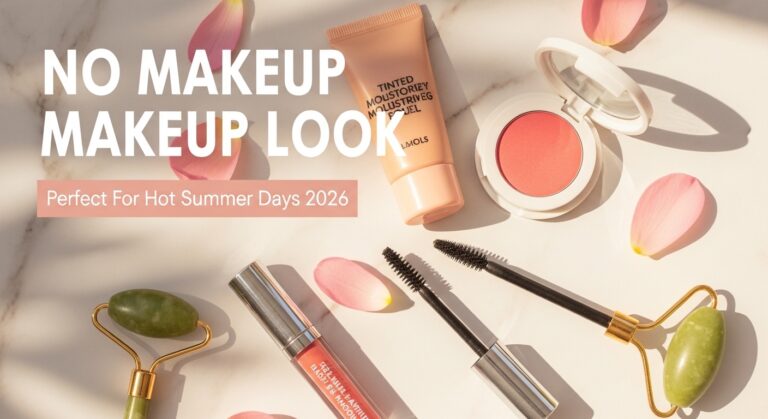
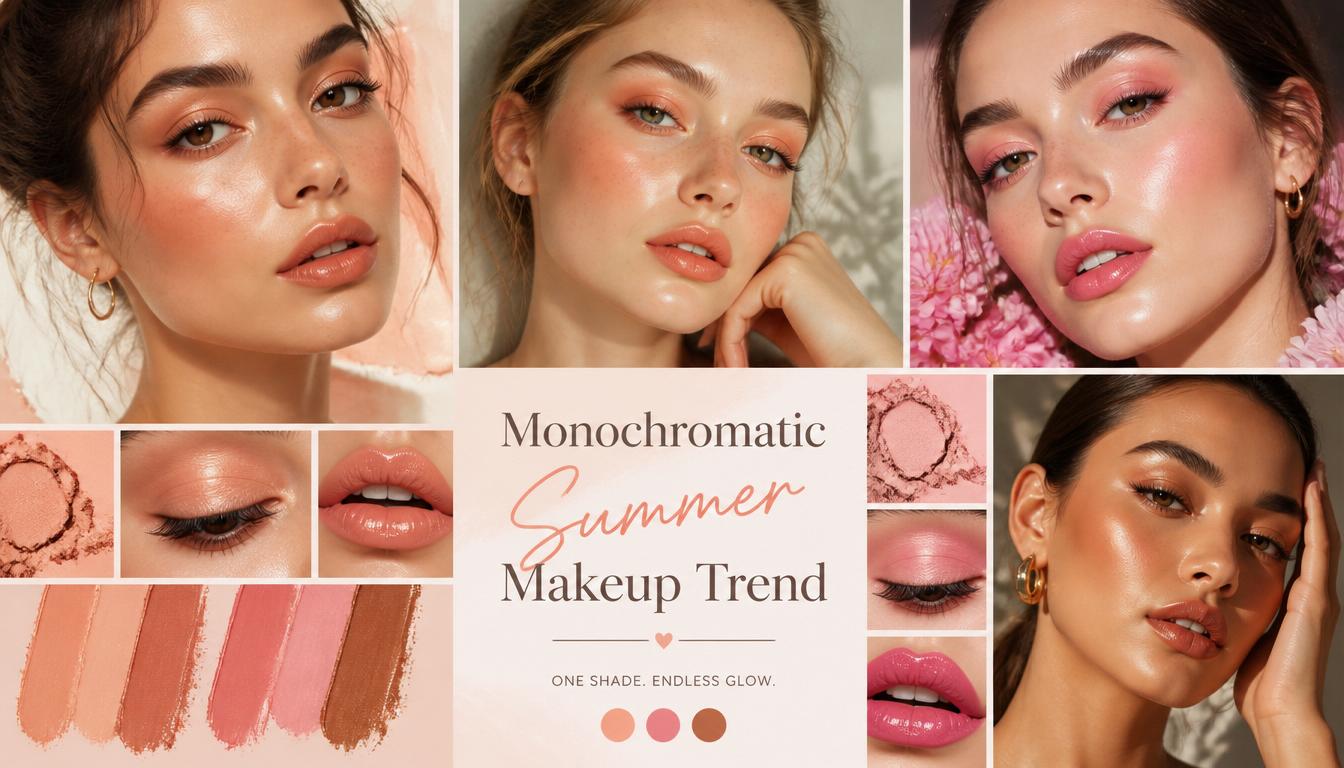
There’s a reason the monochromatic summer makeup trend has taken the beauty world by storm and refuses to fade. It’s one of those rare trends that manages to be simultaneously effortless and editorial—simple enough for a five-minute morning routine, yet sophisticated enough to turn heads at a rooftop dinner party. At its core, monochromatic makeup is the art of using a single color family across your eyes, cheeks, and lips to create a cohesive, harmonious look that feels pulled together without appearing overlydone. When executed in warm, sun-inspired tones like peach, coral, terracotta, and rose, it becomes the perfect expression of summer beauty. This guide will teach you everything you need to know to master this look—from understanding the theory behind it, to selecting the right tones for your complexion, to executing the technique flawlessly every single time.
What Exactly Is Monochromatic Makeup?
Before diving into how to achieve the look, it’s important to understand what monochromatic makeup actually means. In the simplest terms, monochromatic makeup involves using products in the same color family or the exact same shade across multiple features of your face—typically the eyes, cheeks, and lips. Rather than contrasting a blue eyeshadow with a red lip and a pink cheek, you might use a warm peach eyeshadow, a peachy cream blush, and a peach lip tint. The result is a unified, tonal appearance that looks intentional, polished, and remarkably modern.
The concept borrows from color theory. When adjacent colors on the face share similar hues, undertones, or saturation levels, the eye reads them as a single, cohesive statement rather than a collection of competing elements. This is why monochromatic looks often appear more refined and “expensive” than multi-colored approaches, even when achieved with affordable products. It’s also why the technique has become a staple on fashion runways, red carpets, and social media feeds—it photographs beautifully and works across virtually every skin tone, face shape, and personal style.
Why Monochromatic Makeup Is Perfect for Summer
Summer is the season of simplicity. The heat, humidity, packed schedules, and desire to spend more time outdoors all point toward a lighter, more streamlined approach to beauty. The monochromatic summer makeup trend aligns perfectly with this mindset for several compelling reasons.
It simplifies your routine. Instead of agonizing over which eyeshadow palette pairs with which lipstick, you choose one color family and build your entire look around it. This eliminates decision fatigue and dramatically reduces the time spent on your makeup each morning.
It looks natural and sun-kissed. When the tones you choose are warm—think peach, coral, bronze, terracotta—the monochromatic effect mimics the way natural sunlight warms your entire face uniformly. It creates an organic, lit-from-within glow that no amount of individual product matching can replicate.
It’s universally flattering. Because you’re working within a single color family, the look reads as harmonious on any complexion. A medium-deep skin tone wearing an all-terracotta look appears as balanced and striking as a fair skin tone wearing an all-soft-pink look. The principle of cohesion transcends specific shades.
It transitions effortlessly from day to night. A soft peach monochromatic look worn sheerly for a daytime outing can be intensified with richer pigmentation and a glossier finish for evening. The same color family adapts to different contexts without requiring a complete overhaul.
It pairs beautifully with minimal base makeup. Summer calls for lighter coverage—tinted moisturizers, skin tints, and BB creams instead of full-coverage foundation. Monochromatic color on a natural, breathing base looks intentional and modern rather than unfinished.
Also That:Summer Beauty Hacks Every Girl Needs To Know in 2026
The Core Color Families for Monochromatic Summer Looks
Not all colors work equally well as a monochromatic summer palette. The best monochromatic summer looks rely on warm, light-reflective tones that evoke the season’s energy. Here are the primary color families to explore.
Peach Monochromatic Look
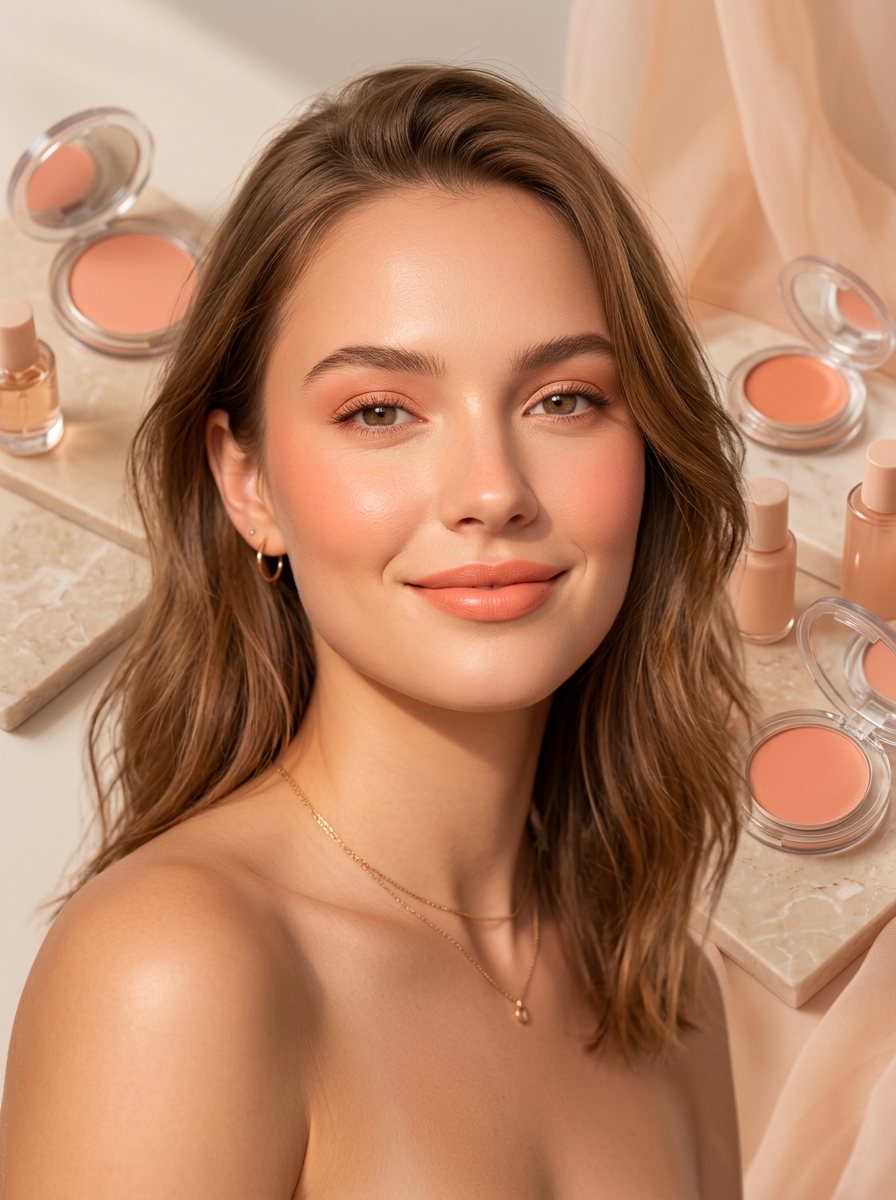
Peach is arguably the quintessential monochromatic summer makeup shade. It’s warm without being overpowering, soft without being invisible, and universally flattering across a remarkably wide range of skin tones. A peach monochromatic look might involve a wash of peachy-nude eyeshadow on the lids, a peach cream blush on the cheeks and across the bridge of the nose, and a sheer peach lip gloss or tinted balm on the lips. The overall effect is fresh, youthful, and radiantly healthy. Peach works particularly well on fair to medium skin tones but can be adapted for deeper complexions by choosing richer, more saturated peach shades with slightly more orange or coral in the mix.
Coral Monochromatic Look
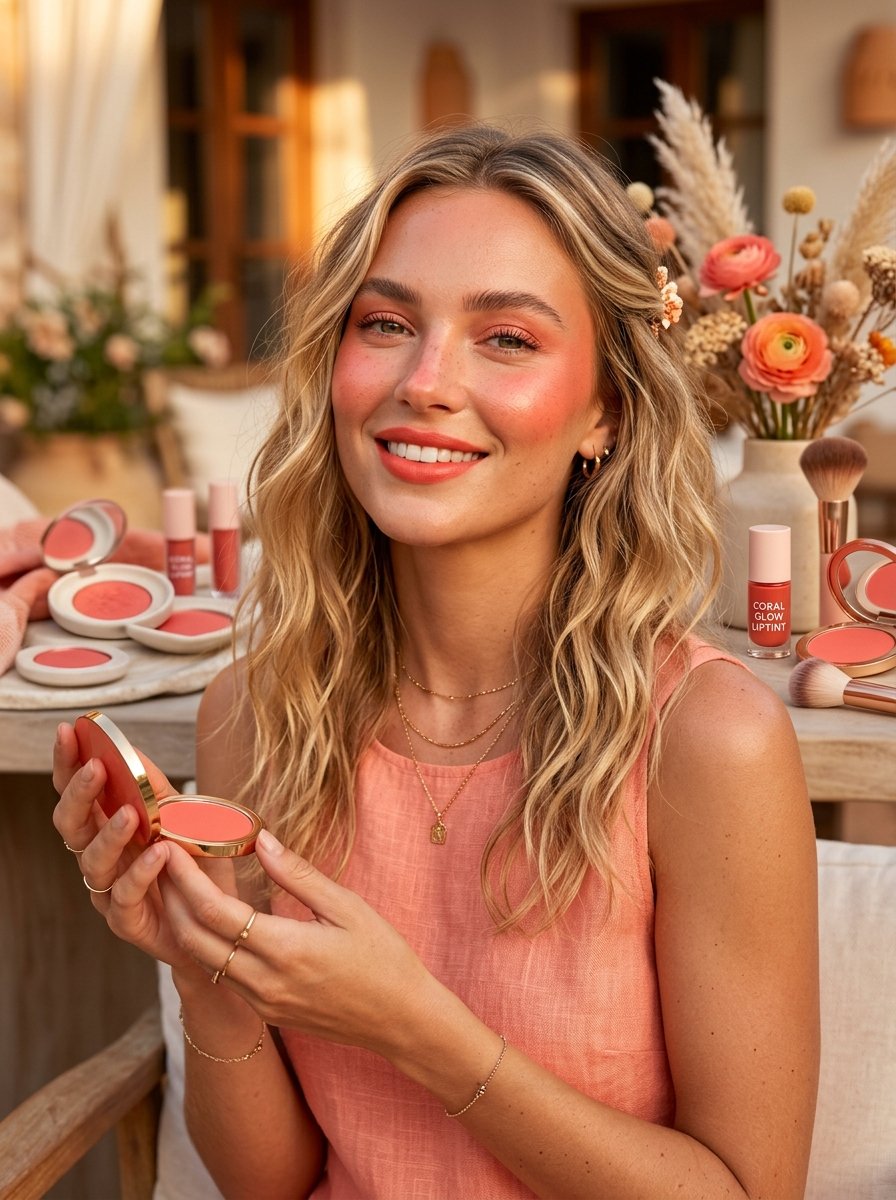
Coral takes the peach concept and dials up the vibrancy. It’s bolder, more energetic, and instantly eye-catching without being aggressive. A coral monochromatic look might feature a bright coral eyeshadow or liner on the eyes, a coral blush on the cheeks, and a coral lipstick in a satin or matte finish. This palette is stunning on medium to deep skin tones where the color truly pops, but it can also work beautifully on fair skin when the coral has more pink in it rather than pure orange. Coral is the color of tropical vacations, poolside cocktails, and summer sunsets, making it a natural fit for the season’s mood.
Rose and Mauve Monochromatic Look
For those who prefer a cooler or more romantic take on the trend, rose and mauve tones offer a sophisticated alternative. A monochromatic rose look might include a dusty rose eyeshadow blended into the crease, a rosy pink blush on the apples of the cheeks, and a matching rose lip color. Mauve adds a slightly purplish, muted quality that feels elegant and contemporary. These tones work beautifully across all skin tones but are particularly striking on cool and neutral complexions. They also transition exceptionally well from summer into fall, making them a versatile investment.
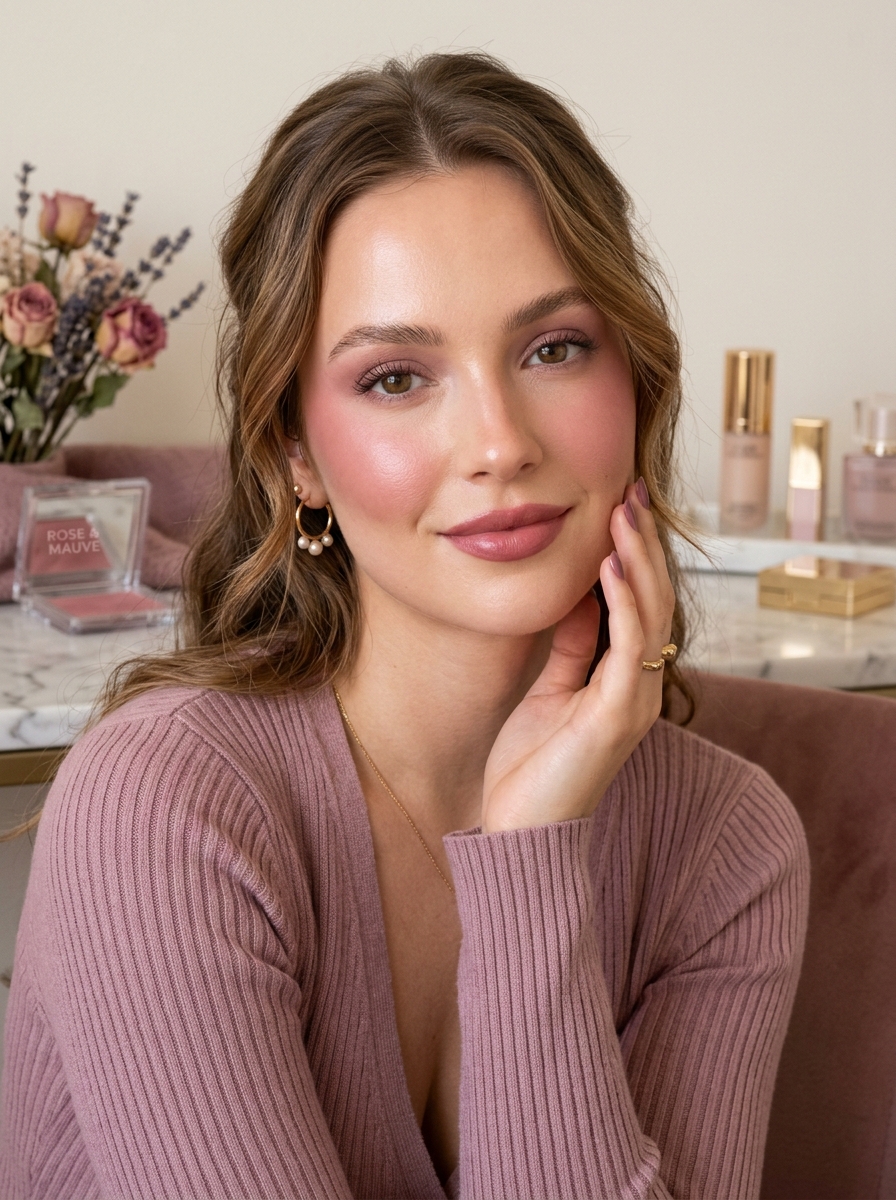
Bronze and Brown Monochromatic Look
A bronze monochromatic look is summer glamour at its finest. Think shimmery bronze eyeshadow across the lids, a warm brown blush or bronzer on the cheeks, and a glossy bronze or brown lip. This palette celebrates warmth and depth, creating a look that’s sensual, polished, and reminiscent of golden-hour sunlight. It works exceptionally well on medium to deep skin tones but can be adapted for lighter complexions by choosing lighter bronze and champagne tones rather than deep chocolate browns.
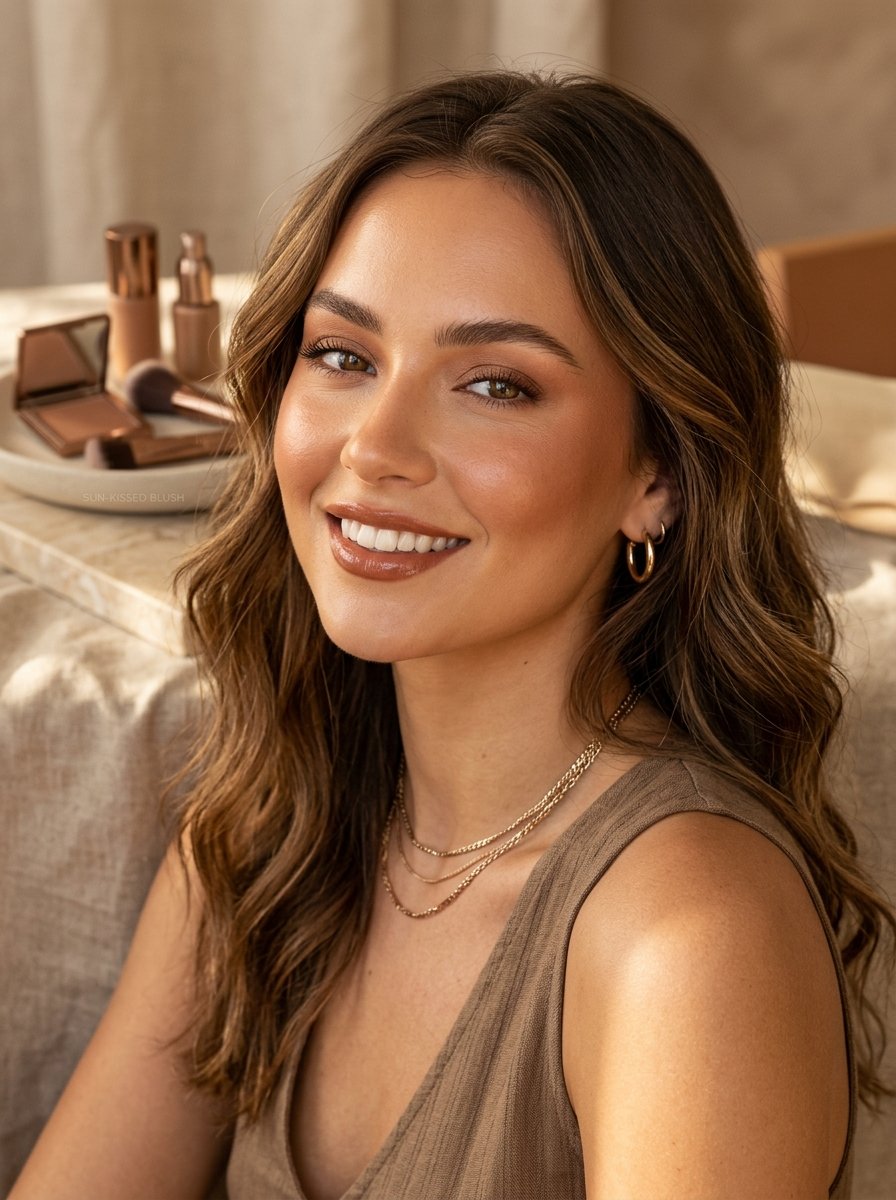
Berry and Plum Monochromatic Look
Berry and plum tones bring a dramatic, luxurious edge to the monochromatic trend. A berry monochromatic summer look might feature a deep plum eyeshadow smoked along the lash line, a berry-toned cream blush, and a matching berry lip stain. This palette is particularly stunning on tan, deep, and rich skin tones where the color creates a gorgeous, multidimensional effect. On lighter skin, a softer, more diluted berry or mauve-berry shade keeps the look wearable while maintaining the tonal cohesion.
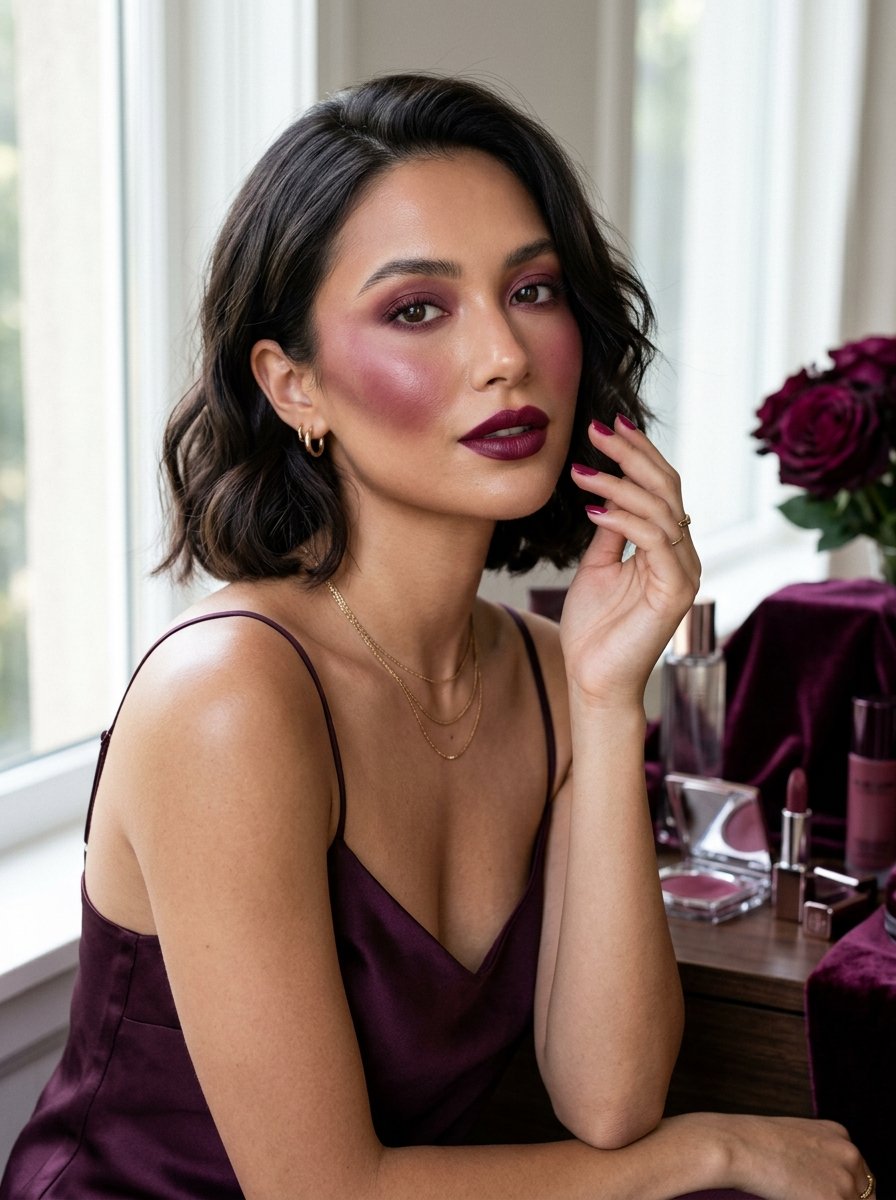
Pink Monochromatic Look
Classic pink in all its variations—from baby pink to hot pink to bubblegum—is a perennial summer favorite. A pink monochromatic look can range from soft and romantic (pale pink eyes, pink blush, and pink lip gloss) to bold and fashion-forward (vivid pink eyeshadow, hot pink blush, and bright pink lipstick). The key is staying within the pink family to maintain the monochromatic principle. This palette is universally adaptable and can be dialed up or down depending on the occasion and your personal preference.
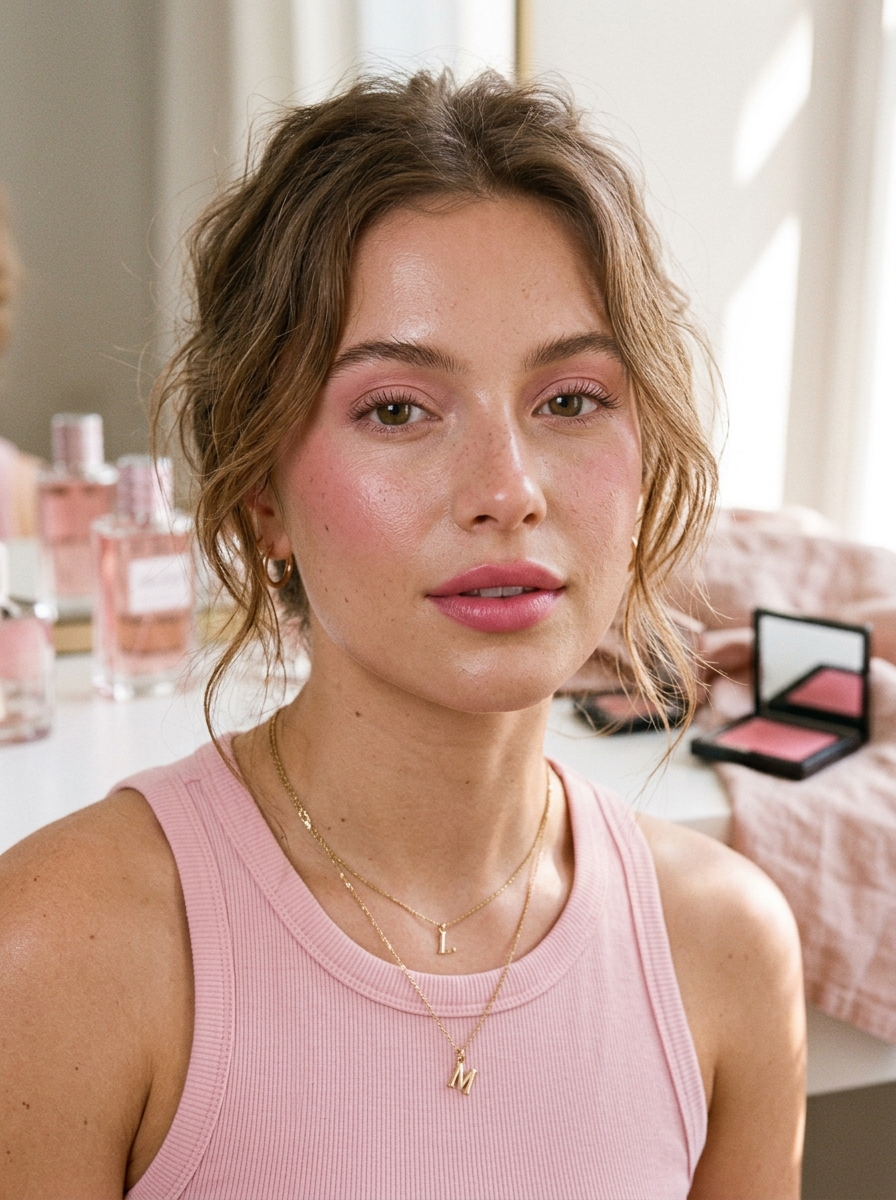
How to Build a Monochromatic Summer Makeup Look: Step by Step
Understanding the theory is one thing; executing the look is another. Here is a detailed, step-by-step guide to building a flawless monochromatic summer makeup look from start to finish.
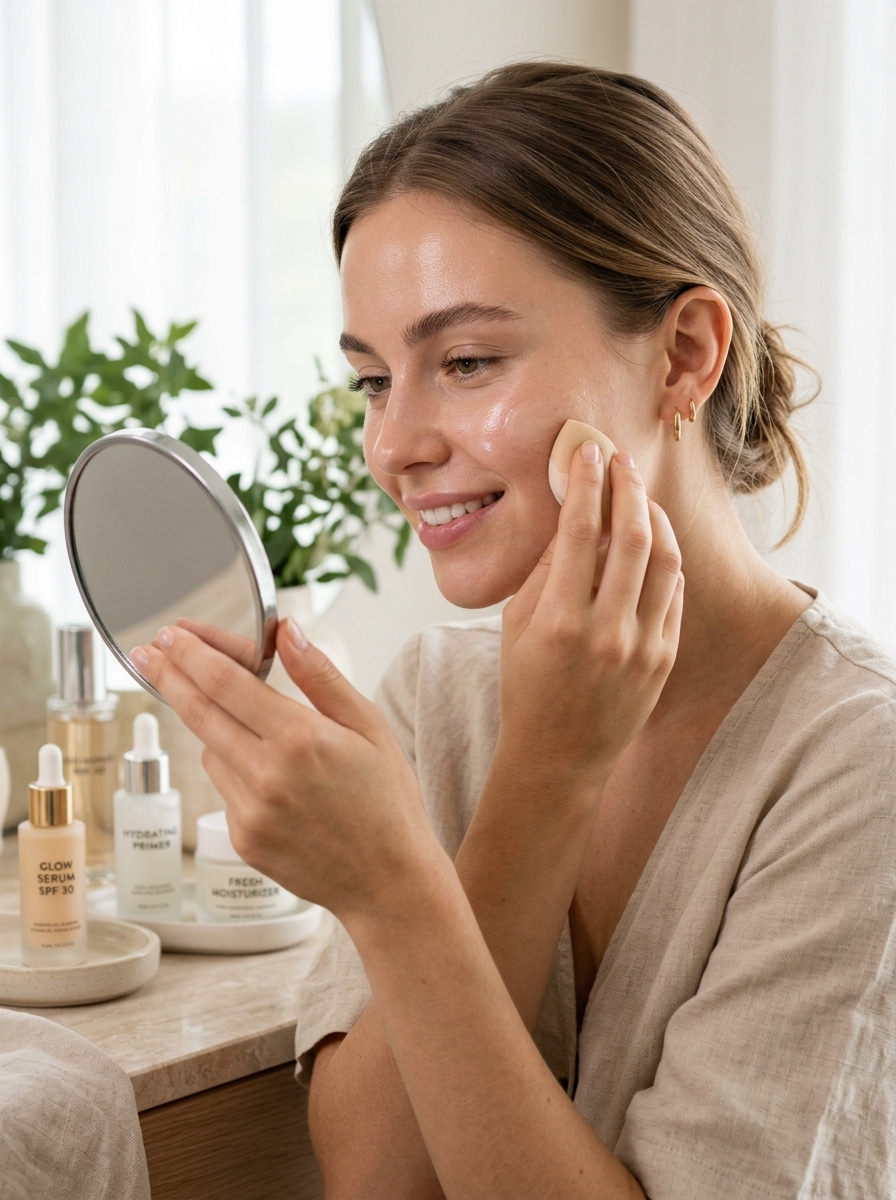
Step 1: Start with a Fresh, Lightweight Base
The foundation of any great monochromatic look is clean, well-prepped skin. Begin with a hydrating moisturizer suited to your skin type, followed by a broad-spectrum SPF. For summer, choose a lightweight base product—tinted moisturizer, skin tint, BB cream, or a sheer foundation—that evens out your complexion without masking it. The goal is to create a smooth, luminous canvas that lets your monochromatic color take center stage. If you have specific areas that need more coverage, spot-conceal with a lightweight concealer rather than applying heavy product all over. Set only the areas prone to excess oil (typically the T-zone) with a light dusting of translucent powder, leaving the rest of your skin dewy and fresh.
Step 2: Choose Your Color Family
This is the most critical decision in the entire process. Select the color family you want to work with—peach, coral, rose, bronze, berry, or pink—and commit to it across all features. Consider the following when making your choice: your skin tone and undertone (refer to the color family breakdowns above), the occasion (softer tones for daytime, richer tones for evening), your outfit (monochromatic makeup pairs beautifully with neutral clothing), and the finish you prefer (matte for sophistication, shimmer for glamour, satin for versatility).

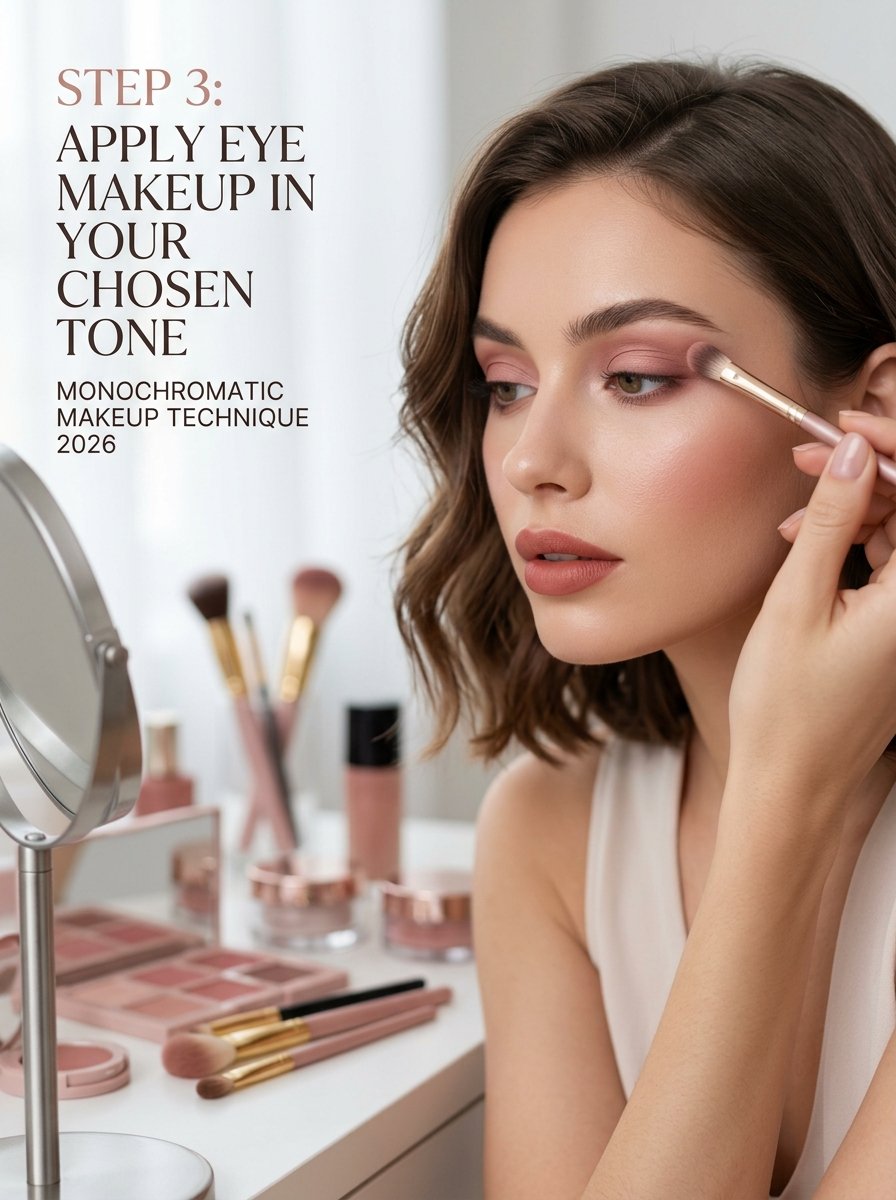
Step 3: Apply Eye Makeup in Your Chosen Tone
Begin with the eyes, as they typically require the most precision and blending. Using a fluffy blending brush, apply your chosen eyeshadow shade across the entire eyelid, blending it into the crease and slightly above for a diffused, soft effect. For added dimension, use a slightly deeper shade from the same color family in the outer corner and crease, and a lighter, shimmering shade from the same family on the center of the lid and inner corner. If you prefer a simpler approach, a single wash of color across the lid with clean blending is equally effective. Extend the concept by using a matching shade as eyeliner along the upper lash line—dampen an angled brush and press the eyeshadow along the lashes for a soft, tonal liner effect that looks more modern than a stark black line. Finish with mascara in black or brown, depending on the intensity you want.
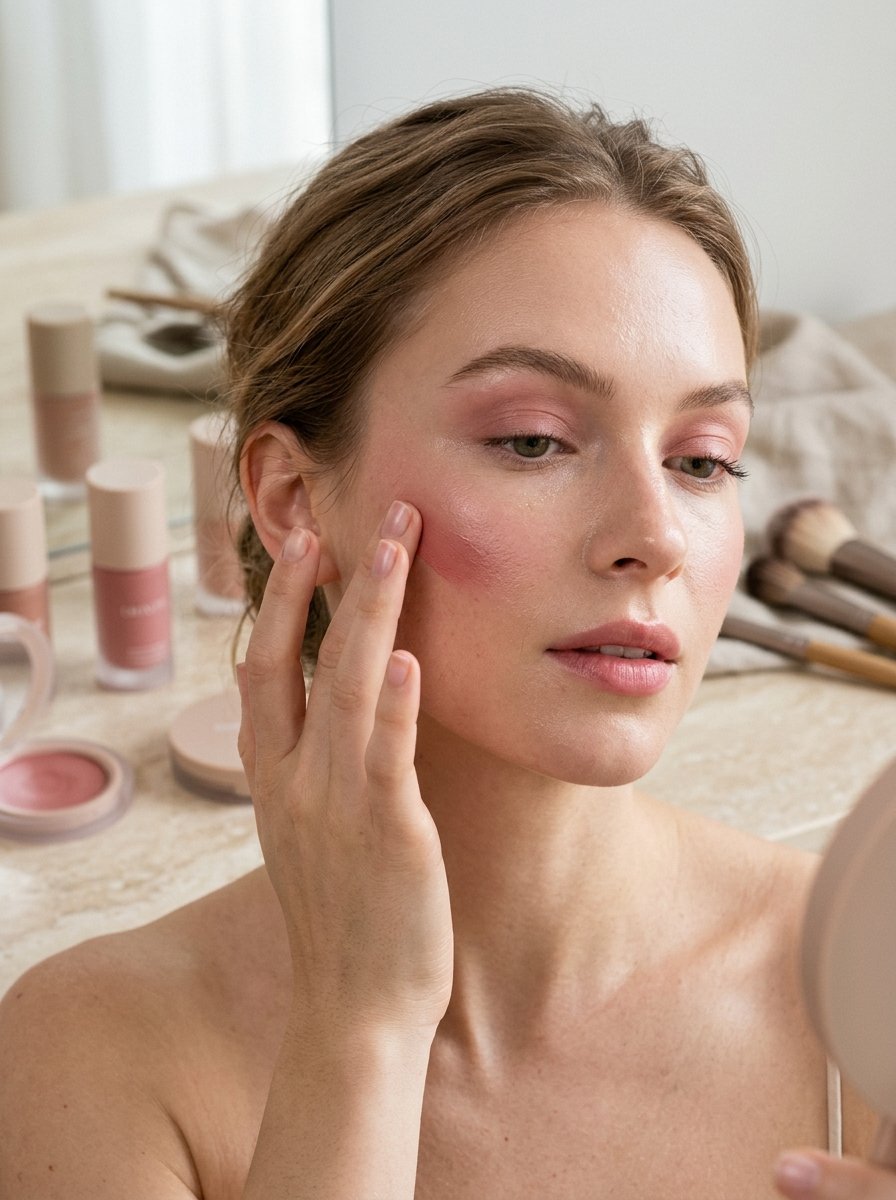
Step 4: Apply Blush in the Same Color Family
This is where the monochromatic magic really starts to come together. Select a blush—cream, liquid, or powder—in the same color family as your eyeshadow. Apply it to the apples of your cheeks and blend outward toward the temples. For the trendy “sunburn” effect, bring the blush across the bridge of your nose for a cohesive, sun-kissed wash of warmth. The blush should echo the tone of your eyeshadow without necessarily being an exact match. A slightly different saturation or finish (for example, a matte eyeshadow paired with a luminous blush) adds subtle dimension while maintaining the monochromatic principle.
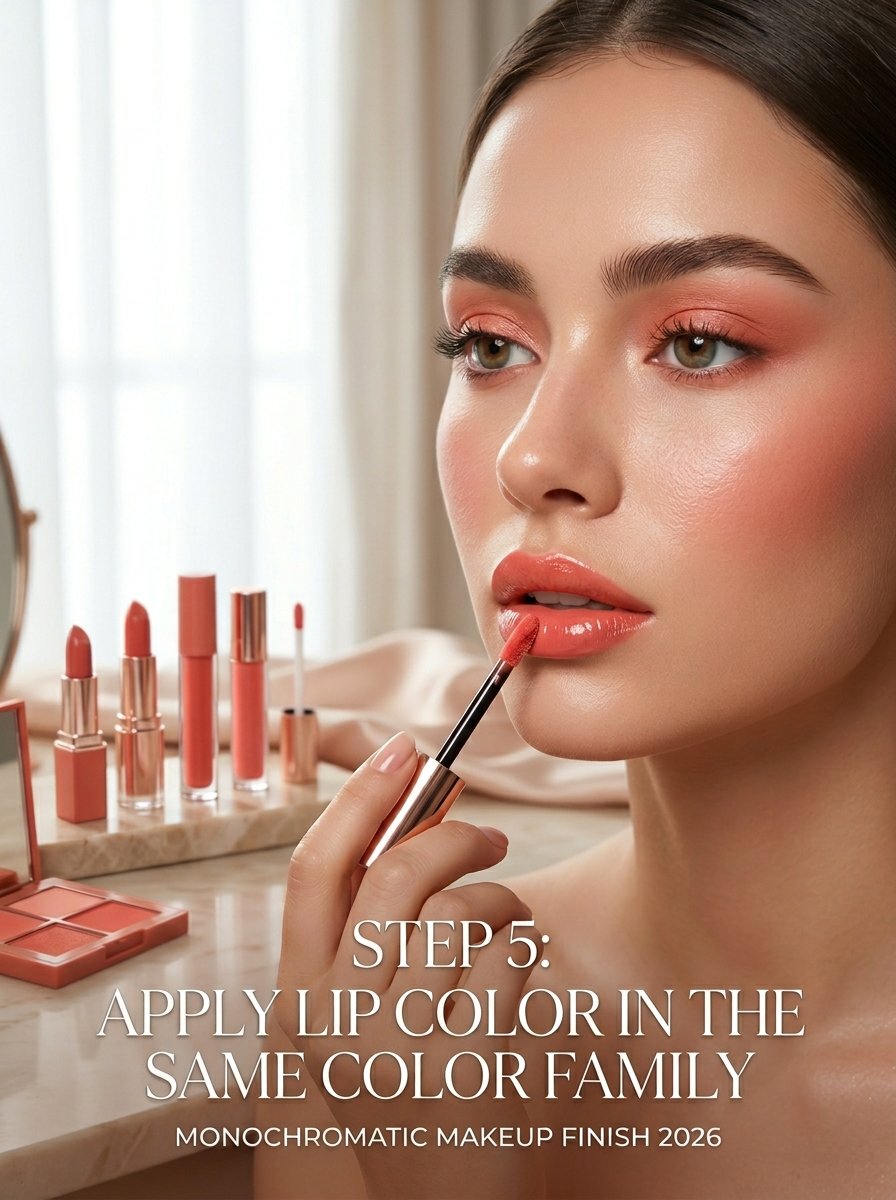
Step 5: Apply Lip Color in the Same Color Family
Complete the monochromatic trifecta by applying a lip product in the same color family. The lip color should be the most saturated or attention-grabbing element of the look, as the lips naturally draw the viewer’s eye. A satin or creamy finish works beautifully for most monochromatic summer looks, as it adds a healthy, hydrated quality that complements the season. If your eye and cheek colors are more muted, a slightly bolder lip in the same family creates a lovely focal point. If your eyes are more dramatic, a sheer lip in the matching tone keeps the look balanced.
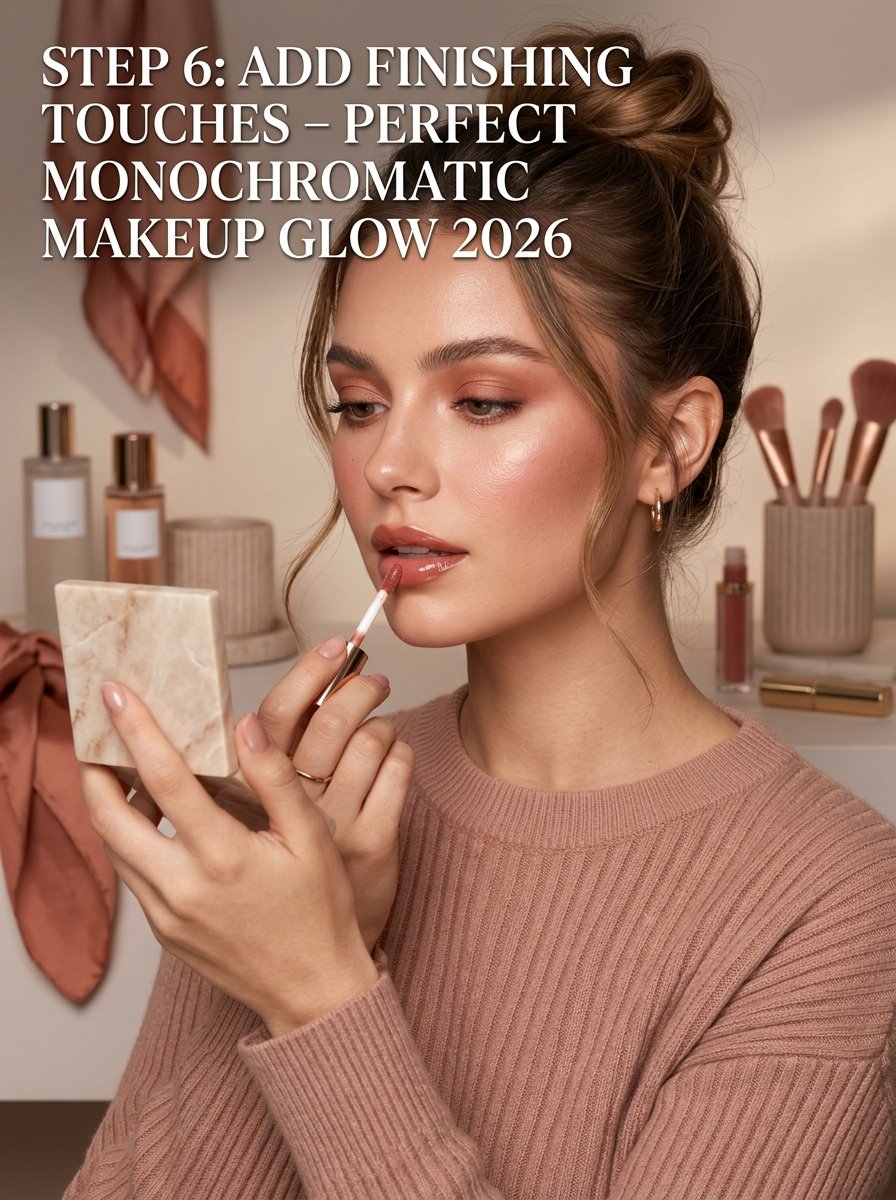
Step 6: Add Finishing Touches
The final steps tie everything together. A subtle highlighter on the high points of the face—the cheekbones, brow bone, bridge of the nose, and cupid’s bow—adds dimension without competing with your monochromatic color scheme. Choose a highlighter with a warm undertone (gold, champagne, or peach) that harmonizes with your chosen color family. A light application of bronzer on the perimeter of the face and along the jawline adds warmth and definition, especially if your monochromatic tones are on the softer side. Set everything with a hydrating setting spray that melts the products together for a seamless, skin-like finish.
Adapting Monochromatic Makeup for Different Skin Tones
While the monochromatic principle is universal, the specific shades within each color family need to be calibrated for different complexions to achieve the most flattering results.
Fair and Light Skin Tones
Fair skin benefits from softer, more muted versions of each color family. Think dusty rose instead of hot pink, soft peach instead of vivid coral, and light champagne-bronze instead of deep bronze. Highly saturated shades can overwhelm fair skin if applied too heavily, so build gradually and blend extensively. Sheer and luminous formulas are your best friends, as they let your natural skin peek through and create a delicate, ethereal quality.
Medium Skin Tones
Medium skin tones have the widest range of monochromatic options available to them. You can wear both soft and bold tones with equal success. True peach, vibrant coral, warm rose, and medium bronze all look stunning. Medium skin is also an excellent canvas for mixing finishes—pair a matte eyeshadow with a luminous blush and a satin lip for a multidimensional monochromatic look that never looks flat.
Olive Skin Tones
Olive complexions are beautifully served by warm-toned monochromatic palettes. Peach, golden coral, warm terracotta, and bronze are particularly flattering because they complement the greenish-golden undertones inherent in olive skin. Avoid overly cool-toned palettes (such as icy pink or cool mauve) which can clash with olive’s natural warmth and create an unflattering contrast.
Tan to Medium-Deep Skin Tones
These skin tones can handle richer, more saturated monochromatic colors. Deep peach, burnt coral, warm berry, rich terracotta, and golden bronze all create gorgeous, high-impact looks. Don’t be afraid of color intensity—these complexions need it for the monochromatic effect to read clearly. Pigmented cream and liquid formulas deliver the best color payoff.
Deep and Rich Skin Tones
Deep skin tones are stunning with bold, vivid monochromatic palettes. Deep berry, rich plum, vibrant fuchsia, intense terracotta, and deep bronze create dramatic, dimensional looks that celebrate the richness of deeper complexions. Pastel or very light monochromatic palettes may not show up adequately and can appear ashy, so lean toward saturated, warm-toned options. Metallic and shimmer finishes are particularly effective on deep skin as they catch light beautifully and add gorgeous dimension.
Different Finishes and How They Change the Look
One of the most powerful aspects of the monochromatic summer makeup trend is how dramatically different finishes can alter the same color family.
Matte Monochromatic
A matte monochromatic look uses flat, shine-free products across eyes, cheeks, and lips. This creates a sophisticated, editorial appearance that feels very fashion-forward. Matte monochromatic looks are ideal for formal events, professional settings, or anyone who prefers a clean, modern aesthetic. The key to a successful matte monochromatic look is flawless blending—without shine to distract the eye, any harsh edges or unblended patches become more visible.
Shimmer and Metallic Monochromatic
A shimmer or metallic monochromatic look uses light-reflecting products that catch and bounce light, creating a glowing, dimensional effect. A bronze shimmer eyeshadow paired with a luminous bronzer on the cheeks and a glossy bronze lip creates a glamorous, sun-drenched look that’s perfect for summer evenings and special occasions. Shimmer monochromatic looks are particularly stunning in natural sunlight, where the reflective particles come alive.
Satin and Natural Monochromatic
Satin finishes sit between matte and shimmer, offering a soft, natural luminosity without overt sparkle. This is perhaps the most wearable and versatile finish for a summer monochromatic look, as it looks polished without appearing overly “done.” Satin products mimic the natural sheen of healthy skin, making the monochromatic effect feel organic and effortless.
Glossy Monochromatic
For a bold, fashion-editorial take, try a glossy monochromatic look. Apply your chosen color to the eyes and cheeks, then use a matching lip gloss or a gloss layered over a matte lipstick for a high-shine, wet-look finish. This approach is youthful, playful, and incredibly eye-catching. It works best in warm tones—think glossy peach or glossy coral—where the shine enhances the sun-kissed quality of the look.
Monochromatic Makeup for Different Occasions
Adapting the monochromatic trend to suit various summer scenarios ensures you get maximum mileage from this versatile approach.
Workday and Professional Settings
For office-appropriate monochromatic makeup, choose muted, neutral-adjacent tones—soft taupe, dusty rose, warm nude, or light bronze. Apply products with a light hand and prefer satin or matte finishes over shimmer. The goal is to look polished and put-together without drawing excessive attention. A soft monochromatic look in neutral tones communicates competence and confidence.
Casual Weekend and Brunch
Weekend calls for a more relaxed, playful approach. A peach or coral monochromatic look applied with a dewy cream blush, a wash of shimmer shadow, and a glossy lip creates an effortlessly chic vibe that’s perfect for farmers’ markets, brunch dates, or casual outings. This is where the “sunburn blush” technique really shines, adding a carefree, outdoorsy element to your look.
Summer Evening and Date Night
Elevate your monochromatic palette for evening by choosing deeper, richer tones and adding more intentional dimension. A deep rose eye with a matching berry cheek and a satin berry lip creates romance and allure. Use a darker shade in the crease and outer corner of the eye for depth, and pair with a subtle smokiness along the lash line for added drama. A touch of highlighter on the cheekbones catches candlelight beautifully.
Beach and Outdoor Events
For beach days and outdoor festivals, keep your monochromatic look minimal and long-wearing. A cheek and lip stain in coral or peach, applied to both lips and cheeks, provides a quick, water-resistant flush that looks gorgeous with bare skin and sunglasses. Skip heavy eye makeup in favor of waterproof mascara and let your skin and the single tone of color do all the work.
Formal Events and Summer Weddings
For formal summer occasions, a monochromatic look in mauve, rose, or soft berry creates an elegant, romantic aesthetic. Use the highest-quality products you have, ensure impeccable blending, and add subtle dimension through varying textures—matte on the eyes, satin on the cheeks, and a cream or glossy lip. This tonal sophistication photographs beautifully and looks stunning in both natural and artificial lighting.
Common Mistakes to Avoid with Monochromatic Makeup
Even with a straightforward concept, certain errors can undermine the impact of a monochromatic look.
Using the Exact Same Product Everywhere: While the colors should be in the same family, using the exact same product on your eyes, cheeks, and lips can look flat and costumey. Instead, choose products specifically formulated for each area—an eyeshadow for the eyes, a blush for the cheeks, and a lip product for the lips. They can be the same shade from the same brand, but the formulations will differ to suit each feature’s unique needs.
Skipping Blending: This is the most common and most visible mistake. Monochromatic makeup relies on seamless transitions and soft edges. Harsh lines, unblended patches, or stark color blocks destroy the cohesive effect. Always take the time to blend extensively, using clean brushes or sponges to feather edges into the skin.
Choosing the Wrong Saturation for Your Skin Tone: As detailed in the skin tone section, using pastel shades on deep skin or neon shades on fair skin can create an unflattering disconnect. Match the intensity of your chosen color family to your complexion’s depth for the most natural-looking result.
Neglecting Skin Prep: Monochromatic makeup, especially in sheer and luminous finishes, sits directly on your skin’s surface. Dry patches, texture, and uneven skin will be more visible. Thoroughly moisturize, prime, and prep your skin before application to ensure a smooth, flawless canvas.
Overcomplicating the Look: The beauty of monochromatic makeup lies in its simplicity. Resist the urge to add contrasting elements—a bright blue liner, a black lip, or multicolored accessories—that fight against the tonal unity you’re building. If you want to add a contrasting element, keep it subtle and let the monochromatic palette remain dominant.
Ignoring Your Outfit and Environment: A monochromatic makeup look should complement your overall aesthetic. Wearing a bold, coral monochromatic face with a neon green outfit creates visual chaos. Coordinate your monochromatic tones with your wardrobe and the setting for a cohesive presentation.
Advanced Techniques for the Monochromatic Enthusiast
Once you’ve mastered the basics, these advanced techniques add depth and artistry to your monochromatic summer looks.
Gradient Monochromatic
Instead of using one tone throughout, create a gradient effect by using lighter versions of your color family on the inner corners of the eyes and the tops of the cheeks, transitioning to deeper versions on the outer corners and the hollows of the cheeks. This creates a three-dimensional effect that adds sculptural quality to the face while maintaining tonal unity.
Texture Mixing
Combine different textures within the same color family for a more dynamic look. A matte eyeshadow on the lid, a shimmer in the inner corner, a satin blush, and a glossy lip—all in peach—creates visual interest through texture contrast while remaining monochromatic in color. This technique prevents the look from appearing flat or one-dimensional.
Monochromatic with a Pop
For those who want to experiment but aren’t ready to commit fully, try a mostly monochromatic look with one subtle point of contrast. A soft rose monochromatic look with a thin line of gold liner on the inner corner adds unexpected intrigue without abandoning the tonal principle. The contrast should be subtle enough to complement rather than compete.
Monochromatic Draping
Combine the monochromatic trend with blush draping for maximum impact. Sweep a single color from your chosen family across the eyelids, along the cheekbones, and up toward the temples in one continuous motion. This creates a dramatic, editorial effect that’s particularly striking for fashion-forward events and editorial photography.
Essential Products for a Monochromatic Summer Makeup Kit
Building a versatile monochromatic makeup arsenal doesn’t require an enormous collection. These core products provide the flexibility to create multiple looks across different color families.
- Multi-use lip and cheek products: These dual-purpose products are the backbone of any monochromatic look. A single peach or rose lip-and-cheek tint can serve as both blush and lip color, ensuring perfect tonal coordination.
- A versatile neutral eyeshadow palette: Look for a palette that contains multiple shades within a single color family—a range of peaches, roses, or bronzes—allowing you to build dimension within your monochromatic scheme.
- Cream and liquid blushes: These blend seamlessly into the skin and work beautifully on eyes, cheeks, and lips for a quick, cohesive application.
- A matching lip liner: This defines the lips and prevents feathering while staying within your chosen color family.
- A warm-toned highlighter: This adds dimension and glow without introducing a competing color.
- Setting spray: A hydrating setting spray melts all the products together and extends wear time through summer heat.
Key Takeaways
- The monochromatic summer makeup trend involves using a single color family—peach, coral, rose, bronze, berry, or pink—across eyes, cheeks, and lips for a cohesive, harmonious look.
- It’s perfect for summer because it simplifies your routine, looks naturally sun-kissed, works on every skin tone, and transitions effortlessly from day to night.
- Choose your color family based on your skin tone: fair skin thrives with soft, muted tones; medium skin with vibrant true tones; olive skin with warm peach and bronze; and deep skin with rich berry and terracotta.
- Varying the finish—matte, shimmer, satin, or glossy—within the same color family adds dimension and prevents the look from appearing flat.
- Blending is non-negotiable. The success of a monochromatic look depends on seamless transitions and soft edges throughout.
- Adapt the intensity and finish to suit the occasion: muted and satin for work, vibrant and glossy for social events, and rich and dramatic for formal occasions.
Frequently Asked Questions (FAQs)
Q1: What is the monochromatic makeup trend?
A: The monochromatic makeup trend involves using a single color family—such as peach, rose, coral, or bronze—across all major features of the face: eyes, cheeks, and lips. This creates a cohesive, tonal look that appears polished and intentionally styled without relying on contrasting colors. It’s particularly popular in summer for its fresh, sun-kissed, and effortless quality.
Q2: How do I choose the right color family for my skin tone?
A: Fair and light skin tones look beautiful in soft peach, dusty rose, and light bronze. Medium skin tones can wear vibrant coral, true peach, and warm rose. Olive skin is flattered by warm peach, golden coral, and terracotta. Tan and deep skin tones shine with rich berry, deep terracotta, and intense bronze. Always consider both your skin’s depth and its undertone when selecting your monochromatic palette.
Q3: Can I do monochromatic makeup with drugstore products?
A: Absolutely. Monochromatic makeup is one of the most accessible trends because it requires fewer products and less color-matching expertise than other looks. Many drugstore brands offer multi-use lip and cheek products, versatile eyeshadow palettes, and affordable cream blushes that are ideal for building monochromatic looks.
Q4: How do I prevent my monochromatic look from appearing flat or one-dimensional?
A: Use different textures and finishes within the same color family. For example, pair a matte eyeshadow with a satin blush and a glossy lip, all in the same tone. You can also create a gradient effect by using lighter shades on the inner corners of the eyes and cheekbones, with deeper shades in the crease and hollows of the cheeks.
Q5: Is monochromatic makeup appropriate for the office?
A: Yes, when done with muted, neutral tones and a restrained application. Soft taupe, dusty rose, or warm nude monochromatic looks appear polished and professional. Avoid overly shimmery or highly saturated versions in conservative workplace environments, and prefer satin or matte finishes.
Q6: How long does a monochromatic makeup look take to create?
A: A basic monochromatic look can be created in as little as five to ten minutes, which is one of its greatest advantages. Multi-use products significantly speed up the process since you can apply the same product to your lips and cheeks in seconds. More elaborate versions with gradient effects and multiple finishes may take fifteen to twenty minutes.
Q7: Can I wear monochromatic makeup if I wear glasses?
A: Monochromatic makeup is actually ideal for glasses wearers. The cohesive color palette ensures your makeup looks intentional and visible behind frames without competing with the glasses for attention. Focus on slightly more pigmented eye makeup so the color isn’t lost behind the lenses, and keep the lip color in the same family for a balanced effect.
Q8: What setting products should I use to make monochromatic makeup last in summer heat?
A: Use a primer suited to your skin type before application, a light dusting of translucent powder on oily areas after base application, and finish with a hydrating or mattifying setting spray—depending on your skin type—once your full monochromatic look is complete. Setting sprays are particularly effective at melting powders into the skin and creating a seamless, long-wearing finish that resists summer humidity.
Conclusion
The monochromatic summer makeup trend is more than a passing fad—it’s a fundamentally sound approach to beauty that prioritizes harmony, simplicity, and effortless elegance. By committing to a single color family across your eyes, cheeks, and lips, you create a look that is visually cohesive, universally flattering, and remarkably easy to achieve. Whether you gravitate toward the soft warmth of peach, the vibrant energy of coral, the romantic allure of rose, or the rich depth of bronze, the monochromatic principle adapts to your personal style and enhances your natural features. As you experiment with different tones, finishes, and techniques, you’ll discover that this trend offers virtually unlimited creative possibilities while keeping your routine streamlined and your appearance polished. This summer, choose your color, commit to the concept, and let the power of tonal harmony transform your makeup game.