Night Skincare Routine Steps: The Ultimate 2026 Guide to Waking Up with Gorgeous Skin
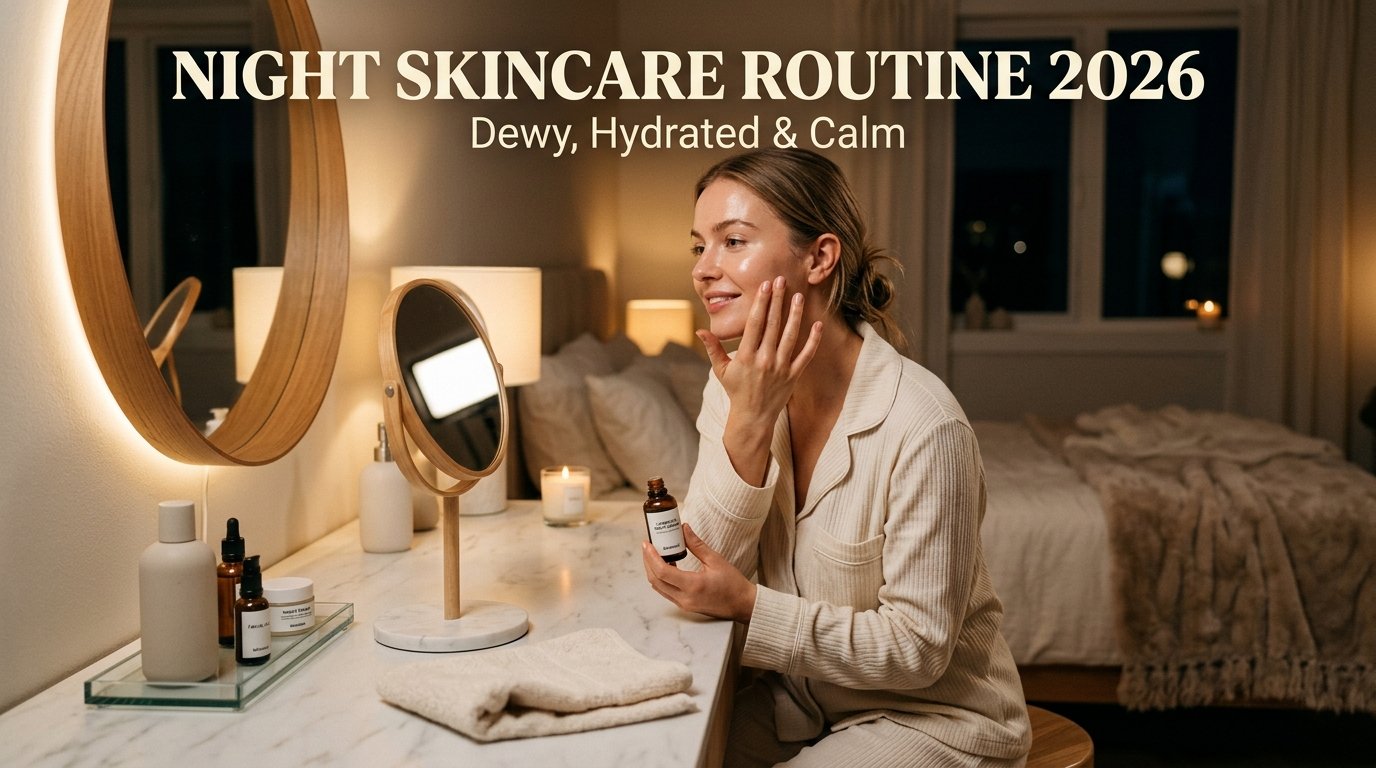
The day is done, your makeup is off, and your skin is finally ready to do what it does best — repair, renew, and regenerate while you sleep. Your night skincare routine steps are arguably the most powerful beauty investment you make all day, because nighttime is when your skin’s natural renewal processes peak, cell turnover accelerates, and active ingredients can work without the interference of UV exposure, pollution, or makeup. In 2026, the ideal evening routine is smarter, more intentional, and more results-driven than ever — and it doesn’t have to be complicated to be incredibly effective. This complete guide walks you through every step, every best product category, and every expert tip you need for genuinely transformative overnight skin.
What Is a Night Skincare Routine?
A night skincare routine is a sequential series of skincare steps performed each evening after cleansing away the day’s makeup, sunscreen, and environmental buildup — designed specifically to support the skin’s natural overnight repair and regeneration cycle. Unlike the morning routine, which focuses primarily on protection and hydration, the nighttime routine is treatment-focused — delivering active ingredients, deep moisture, and targeted repair that works synergistically with the body’s circadian skin biology.
During sleep, the skin’s barrier function shifts from defensive to restorative mode — blood flow to the skin increases, collagen synthesis accelerates, and cellular repair processes peak between the hours of 11 PM and 4 AM according to circadian biology research. This biological window makes the evening skincare routine the optimal moment to apply retinoids, exfoliating acids, peptide serums, and rich nourishing oils that would be inappropriate or ineffective during daytime wear. A well-constructed night routine is genuinely transformative skincare — and in 2026, the science behind it has never been clearer.
Why Your Night Skincare Routine Matters More Than Your Morning Routine
While both morning and evening routines are important, most dermatologists and skin scientists agree that the nighttime routine carries greater transformative potential — because this is when the most powerful, results-driving ingredients are applied without the limitations imposed by daytime UV exposure and environmental stressors. Retinoids, AHA exfoliants, high-concentration vitamin C derivatives, and nourishing oils can all be used more freely and effectively in the evening.
In 2026, skin science research has increasingly validated the importance of aligning skincare with the skin’s natural circadian rhythm — the biological clock that governs skin cell renewal, barrier repair, and sebum production cycles. Pinterest searches for “night skincare routine steps 2026,” “evening skincare guide,” “retinol night routine,” “glass skin night routine,” and “best nighttime skincare products” have surged dramatically — reflecting growing public awareness that intentional evening skincare is where the real long-term skin transformation happens.
Also That: Morning Skincare Routine 2026: The Ultimate Guide to Glowing, Healthy Skin Every Day
Complete Night Skincare Routine Steps for 2026
Step 1 — Oil Cleanser or Micellar Water (First Cleanse)
The double cleanse method — using an oil-based cleanser as the first step to dissolve makeup, sunscreen, and sebum before a water-based cleanser — is the most well-established and dermatologist-endorsed evening cleansing approach in 2026. An oil cleanser works on the principle that oil dissolves oil — breaking down even the most stubborn waterproof makeup, SPF, and sebum buildup that water-based cleansers cannot fully remove alone.
Massage an oil cleanser or cleansing balm gently across dry skin for sixty seconds, paying particular attention to the eye area, nose creases, and hairline where makeup accumulates. Emulsify with a small amount of water before rinsing thoroughly. If you prefer not to use an oil cleanser, a micellar water applied with a cotton pad performs a similar first-cleanse function for lighter makeup days. Brands including DHC, Banila Co, Tatcha, and Kiehl’s offer exceptional first-cleanse products for all skin types.
Step 2 — Water-Based Cleanser (Second Cleanse)
After the oil cleanse removes surface impurities, a gentle water-based cleanser performs the second cleanse — removing any remaining residue from the oil cleanser itself and ensuring the skin surface is perfectly clean, balanced, and ready to absorb the active treatments applied in subsequent steps. The second cleanser should be suited to your skin type: gentle cream cleanser for dry and sensitive skin, balancing gel cleanser for oily and combination skin.
Water temperature matters significantly in the evening cleanse — use lukewarm water rather than hot to avoid stripping essential natural oils, disrupting the skin microbiome, or triggering inflammation in reactive skin types. The second cleanse should leave skin feeling clean, comfortable, and slightly taut but never stripped, tight, or squeaky — both signals that the cleanser is too harsh for your skin barrier. CeraVe Hydrating Cleanser, La Roche-Posay Toleriane, and Cetaphil Gentle Skin Cleanser are among the best second cleanser options for 2026.
Step 3 — Exfoliant (2–3 Times Per Week Only)
Chemical exfoliation performed in the evening routine — using AHA (alpha-hydroxy acid) or BHA (beta-hydroxy acid) products — is one of the most results-transforming steps available in 2026 nighttime skincare. AHAs like glycolic and lactic acid work on the skin surface to dissolve the bonds between dead skin cells, accelerating cell turnover and revealing brighter, smoother, more even-toned skin beneath. BHAs like salicylic acid penetrate into pores to dissolve congestion and excess sebum — making them the superior choice for oily, acne-prone, and combination skin types.
Exfoliation should be performed a maximum of two to three evenings per week — never on the same evenings as retinol application — and always as the first liquid step after cleansing. Allow the exfoliant to sit on clean, dry skin for several minutes before layering subsequent products. The Paula’s Choice BHA Skin Perfecting Liquid, The Ordinary Glycolic Acid 7% Toning Solution, and Pixi Glow Tonic are excellent AHA/BHA options for evening exfoliation routines in 2026.
Step 4 — Hydrating Toner or Essence
After cleansing and any exfoliation, a hydrating toner or essence restores the skin’s pH balance, adds the first meaningful layer of hydration, and prepares the skin to absorb subsequent serums more deeply and effectively. In 2026, the most impactful evening toners contain fermented ingredients, hyaluronic acid, ceramide precursors, or niacinamide — building the hydration and barrier foundation that rich evening treatments require to perform optimally.
Press the toner gently into the skin with clean hands rather than applying with a cotton pad — this technique increases product absorption, reduces waste, and avoids the micro-friction of repeated cotton pad application on the skin surface. For an enhanced hydration technique, apply the toner in three sequential layers, pressing gently and allowing each layer to partially absorb before applying the next — a Korean skincare method called “the 7-skin method” that creates extraordinary plumpness and luminosity in the skin overnight.
Step 5 — Treatment Serum (Retinol, Peptides, or Targeted Actives)
The treatment serum step is the most powerful and results-defining step in the entire night skincare routine — the moment where targeted active ingredients address specific skin concerns with the highest possible concentration and efficacy. In 2026, the three most important evening serum categories are retinoids for anti-aging and cell renewal, peptide serums for firmness and barrier support, and niacinamide serums for brightening, pore refinement, and oil control.
Retinol remains the gold-standard evening active ingredient for anti-aging — stimulating collagen production, accelerating cell turnover, fading hyperpigmentation, and smoothing fine lines with the most robust scientific evidence of any cosmetic ingredient. Begin with a low concentration (0.025–0.1%) two to three evenings per week, gradually increasing frequency and strength as skin builds tolerance. Allow retinol to fully absorb into dry skin before layering moisturizer on top. SkinMedica Retinol Complex, Paula’s Choice 1% Retinol Treatment, The Ordinary Retinol 0.5%, and La Roche-Posay Retinol B3 Serum are top 2026 retinol options.
Step 6 — Eye Cream (Targeted Evening Treatment)
The delicate skin around the eyes requires a dedicated evening treatment — and the evening formulation should differ from the morning eye cream. Where morning eye creams focus on depuffing and brightening, evening eye creams can be richer, more treatment-focused, and include retinol, peptides, and deeply nourishing oils that would feel too heavy for daytime wear. Apply with the ring finger using gentle tapping motions — never pulling or dragging — from the outer corner inward across the orbital bone.
In 2026, the most effective evening eye creams contain peptides for firmness and fine line reduction, retinol in a gentle concentration specifically formulated for the eye area, ceramides for barrier repair, and nourishing botanical oils that deliver intense overnight hydration to the thinnest skin on the face. The Estée Lauder Advanced Night Repair Eye, Tatcha The Serum Stick, and Drunk Elephant C-Tango or Protini Eye Cream are among the best evening eye treatment options for various concerns and budgets.
Step 7 — Face Oil or Facial Treatment Oil
Face oil applied as a penultimate step in the evening routine — after serums and before moisturizer, or mixed into moisturizer — delivers intense nourishment, reinforces the skin barrier, and creates the optimal occlusive environment for overnight repair and active ingredient efficacy. In 2026, facial oils are understood not as a comedogenic risk but as an essential barrier-supporting step — particularly valuable for dry, mature, and compromised barrier skin types.
The most effective evening face oils for 2026 include rosehip seed oil (rich in vitamin A precursors and essential fatty acids for cell renewal), squalane (a supremely non-comedogenic, skin-identical oil perfect for all skin types), sea buckthorn oil (for intensive brightening and anti-oxidant protection), and bakuchiol-infused oils for a retinol-adjacent plant-based treatment option. Apply two to three drops after serums, press gently into the skin rather than rubbing, and allow sixty seconds of absorption before applying moisturizer.
Step 8 — Night Cream or Rich Moisturizer
The night cream step seals in all the active ingredients and hydration applied in previous steps, provides deep overnight moisture replenishment, and creates the slightly occlusive environment that maximizes skin repair during sleep. Evening moisturizers can be significantly richer, creamier, and more nourishing than morning formulas — because they don’t need to sit comfortably under makeup or sunscreen and can focus entirely on deep overnight nourishment.
In 2026, the most results-driven night creams combine ceramides and essential fatty acids for barrier repair, peptides for firmness and collagen support, hyaluronic acid for deep hydration, and niacinamide for brightening and pore refinement. Apply a generous amount across the entire face, neck, and décolletage — the neck and chest area are frequently overlooked in skincare routines despite showing age signs as early as the face. Laneige Water Sleeping Mask, Tatcha The Dewy Skin Cream, CeraVe Skin Renewing Night Cream, and Dr. Jart+ Cicapair Tiger Grass Sleepytoning Cream are excellent 2026 night cream choices.
Step 9 — Lip Treatment
The lips have no sebaceous glands — meaning they produce no natural oil and are among the first areas to show dehydration, fine lines, and dryness without consistent treatment. An overnight lip mask or thick lip balm applied as the final step of the evening routine delivers intense overnight repair, moisture, and plumping to the lip area. In 2026, the Laneige Lip Sleeping Mask, Summer Fridays Lip Butter Balm, and Rhode Peptide Lip Treatment are among the most loved and most Pinterest-recommended overnight lip care products.
Step 10 — Slugging (Optional — For Dry and Barrier-Compromised Skin)
Slugging — the practice of applying a thin layer of pure petrolatum (Vaseline) or a similar occlusive as the absolute final step of the evening routine — has become one of the most effective and talked-about trends in 2026 nighttime skincare. The occlusive layer creates a seal over all previously applied products, preventing transepidermal water loss and maximizing overnight moisture retention. This technique is particularly transformative for dry, dehydrated, and barrier-compromised skin. Apply only a minimal amount — the thinnest possible layer — focusing on the driest areas, and use a silk pillowcase to prevent product transfer during sleep.
Also That: Monochromatic Makeup Look: The Ultimate Guide to Effortless One-Tone Glam 2026
Best Night Skincare Routine Ideas by Skin Type
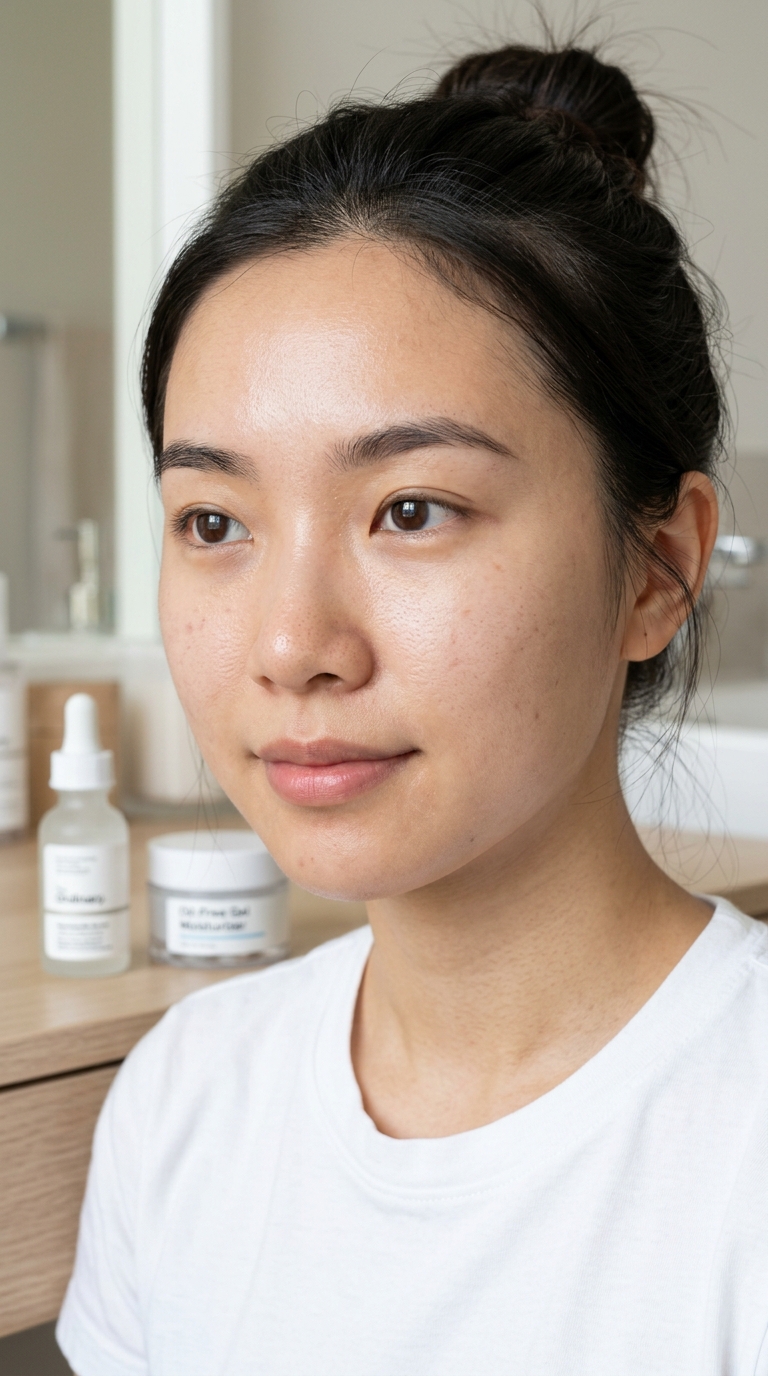
For Oily and Acne-Prone Skin
An evening routine for oily and acne-prone skin in 2026 should prioritize double cleansing, BHA exfoliation two to three times weekly, a niacinamide serum, a lightweight retinol treatment for cell turnover, and an oil-free gel moisturizer. Skip heavy oils and slugging — instead, use a water-based overnight hydrating mask formulated for oily skin on hydration-focus evenings. This routine controls sebum, clears congestion, and prevents breakouts while still delivering the overnight repair oily skin needs.
For Dry and Sensitive Skin
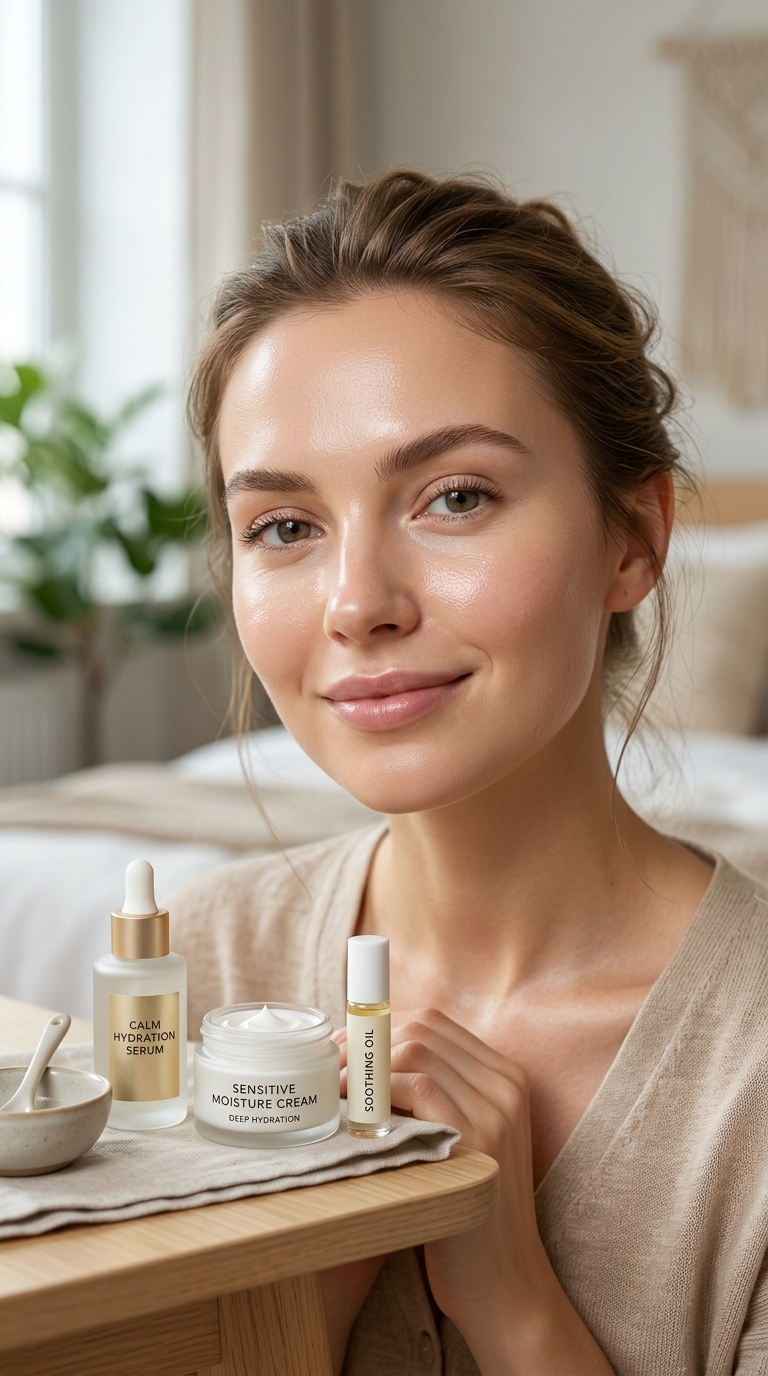
Dry and sensitive skin thrives on an evening routine built around barrier repair, gentle hydration, and rich nourishment. Use a cream oil cleanser, skip exfoliation to one gentle lactic acid application weekly, apply a ceramide-rich serum, a deeply nourishing face oil, and a rich barrier-repair night cream. Slugging as a final step on dry skin’s most dehydrated evenings delivers transformative overnight results — skin wakes up visibly plumper, calmer, and more luminous. Avoid high-concentration retinol and fragrance-containing products entirely.
For Combination and Normal Skin
Combination skin benefits from a balanced evening routine that addresses the different zones without over-treating either. Double cleanse with a gentle balancing oil and gel cleanser, exfoliate with an AHA two evenings weekly, apply a niacinamide serum universally, use retinol on non-exfoliation evenings, and finish with a medium-weight ceramide night cream. Spot-treat any active breakouts in the T-zone with a BHA treatment before moisturizer.

Night Skincare Routine Tips for 2026
Tip 1 — Never Use Retinol and AHA on the Same Evening Using retinol and chemical exfoliants on the same evening significantly increases the risk of irritation, barrier disruption, and sensitivity. Alternate — exfoliation evenings and retinol evenings on different days of the week for maximum results with minimal risk.
Tip 2 — Apply Products to Slightly Damp Skin Applying hydrating serums and essences to slightly damp skin (not soaking wet) increases ingredient absorption and amplifies hydration delivery significantly compared to application on completely dry skin.
Tip 3 — Don’t Forget the Neck and Chest Extend every product from your night routine — serum, oil, moisturizer, and any treatment — down the neck and décolletage. These areas show aging as early as the face and are consistently neglected in most routines.
Tip 4 — Introduce One New Active at a Time The evening routine typically contains the most active, potentially reactive skincare ingredients. Introduce retinol, AHAs, and new treatment serums one at a time — waiting two weeks between additions — to accurately identify any sensitivity or reaction.
Tip 5 — Use a Silk or Satin Pillowcase A silk pillowcase reduces friction on the skin during sleep — minimizing morning sleep creases that can become permanent fine lines over time, and reducing absorption of expensive night creams and face oils into cotton fabric rather than your skin.
FAQs About Night Skincare Routine Steps
Q1: What is the correct order for night skincare routine steps? The correct order is oil cleanser, water cleanser, exfoliant (select evenings), toner/essence, treatment serum, eye cream, face oil, night cream, and lip treatment — always applied thinnest to thickest consistency.
Q2: Should I use retinol every night? No — begin with two to three evenings weekly and increase frequency gradually over months as your skin builds tolerance. Daily retinol use without building tolerance causes significant irritation and barrier disruption.
Q3: Can I use vitamin C in my night routine? Yes — vitamin C serums can be used morning or evening. In the evening, vitamin C works effectively as an antioxidant and brightening treatment without the UV-related degradation concerns associated with daytime use.
Q4: What is double cleansing and do I need it? Double cleansing uses an oil-based first cleanser to dissolve makeup and sunscreen followed by a water-based second cleanser for a clean base. It’s particularly important on evenings when you’ve worn makeup or SPF.
Q5: Can I use AHA and retinol on the same night? No — using both in the same evening significantly increases irritation risk and barrier disruption. Alternate them on different evenings for maximum results and minimum reactivity.
Q6: What is slugging and is it safe for all skin types? Slugging is applying a thin layer of petrolatum as the final evening step to seal in moisture. It’s most beneficial for dry and sensitive skin — oily and acne-prone skin types should approach with caution or skip entirely.
Q7: How long should a night skincare routine take? A complete evening routine takes approximately ten to fifteen minutes when performed with appropriate wait times between active ingredient steps. Shorter simplified routines of three to five steps take five to seven minutes.
Q8: What is the best night cream for anti-aging in 2026? Laneige Water Sleeping Mask, Tatcha The Dewy Skin Cream, and CeraVe Skin Renewing Night Cream are among the top-rated night creams for anti-aging and barrier repair in 2026 across various budgets.
Conclusion
Your night skincare routine is a love letter to your future skin — written every single evening in the quiet moment between your day and your sleep. The steps are simple, the science is clear, and the results are genuinely transformative when you commit to them consistently. Start with the basics, add actives gradually, and trust the process. Save this complete guide — your most gorgeous skin is built one evening routine at a time.