
Vitamin C Serum Benefits For Summer Skin: Complete Guide
Vitamin C serum benefits for summer skin go far beyond basic brightening; this powerhouse antioxidant acts as a critical shield against the unique environmental aggressors of the season, including intense UV radiation, pollution, and free radical damage that accelerate aging and cause hyperpigmentation. In this complete guide, you will learn exactly what vitamin C serum is, why it is non‑negotiable for your warm‑weather routine, how to choose the right formula for your skin type, and the precise steps to layer it for maximum photoprotection and glow. We cover the science behind L‑ascorbic acid versus derivatives, practical application timelines, common mistakes that render the product ineffective, and pro tips to keep your complexion even, firm, and radiant all summer long so you won’t need any other resource to master this essential skincare step.
What Is Vitamin C Serum and How Does It Work?
Vitamin C serum is a concentrated topical treatment formulated with ascorbic acid or its stable derivatives, designed to penetrate the epidermis and deliver high‑potency antioxidant protection directly to skin cells. Unlike moisturizers or sunscreens that sit on the surface, a serum’s low molecular weight allows it to sink deeper, where it neutralizes reactive oxygen species (ROS) generated by UV exposure and pollution. This mechanism prevents oxidative stress, which breaks down collagen and triggers melanin overproduction. In simpler terms, think of vitamin C as a “fire extinguisher” for free radicals—it stops the cellular inflammation that leads to sunspots, fine lines, and that dull, tired look that often appears after a day at the beach.
Why Summer Skin Desperately Needs Vitamin C
Summer creates a perfect storm for skin damage: UV index peaks, humidity increases sebum oxidation, and outdoor activities expose the face to environmental pollutants. Here is why adding a vitamin C serum to your summer regimen is scientifically essential:
- Boosts Sunscreen Efficacy – Studies show that layering vitamin C under broad‑spectrum SPF can increase photoprotection by up to 8x. While sunscreen filters UV rays, vitamin C neutralizes the free radicals that slip through, preventing “photoaging” from the inside out.
- Prevents and Fades Hyperpigmentation – UV light triggers tyrosinase, the enzyme responsible for melanin production. Vitamin C inhibits this enzyme, stopping new dark spots from forming and gradually fading existing post‑inflammatory hyperpigmentation (PIH) and melasma.
- Stimulates Collagen Synthesis – Heat and UV degrade collagen fibers, leading to sagging. Vitamin C is a necessary co‑factor for prolyl and lysyl hydroxylase, the enzymes that stabilize collagen molecules, keeping skin firm despite seasonal stress.
- Calms Inflammation and Redness – For those prone to rosacea or sun‑induced sensitivity, vitamin C’s anti‑inflammatory properties reduce erythema and strengthen the vascular wall.
Also Read: Summer Skincare Routine For Oily Skin That Actually Works
Choosing the Right Vitamin C Formula for Summer
Not all vitamin C serums are created equal, and summer heat demands specific formulation considerations to ensure stability and tolerability.
1. L‑Ascorbic Acid (The Gold Standard)
- Concentration: 10‑20% for optimal efficacy without irritation.
- pH: Must be below 3.5 for penetration.
- Best For: Normal, oily, and resilient skin types wanting maximum anti‑aging and brightening power.
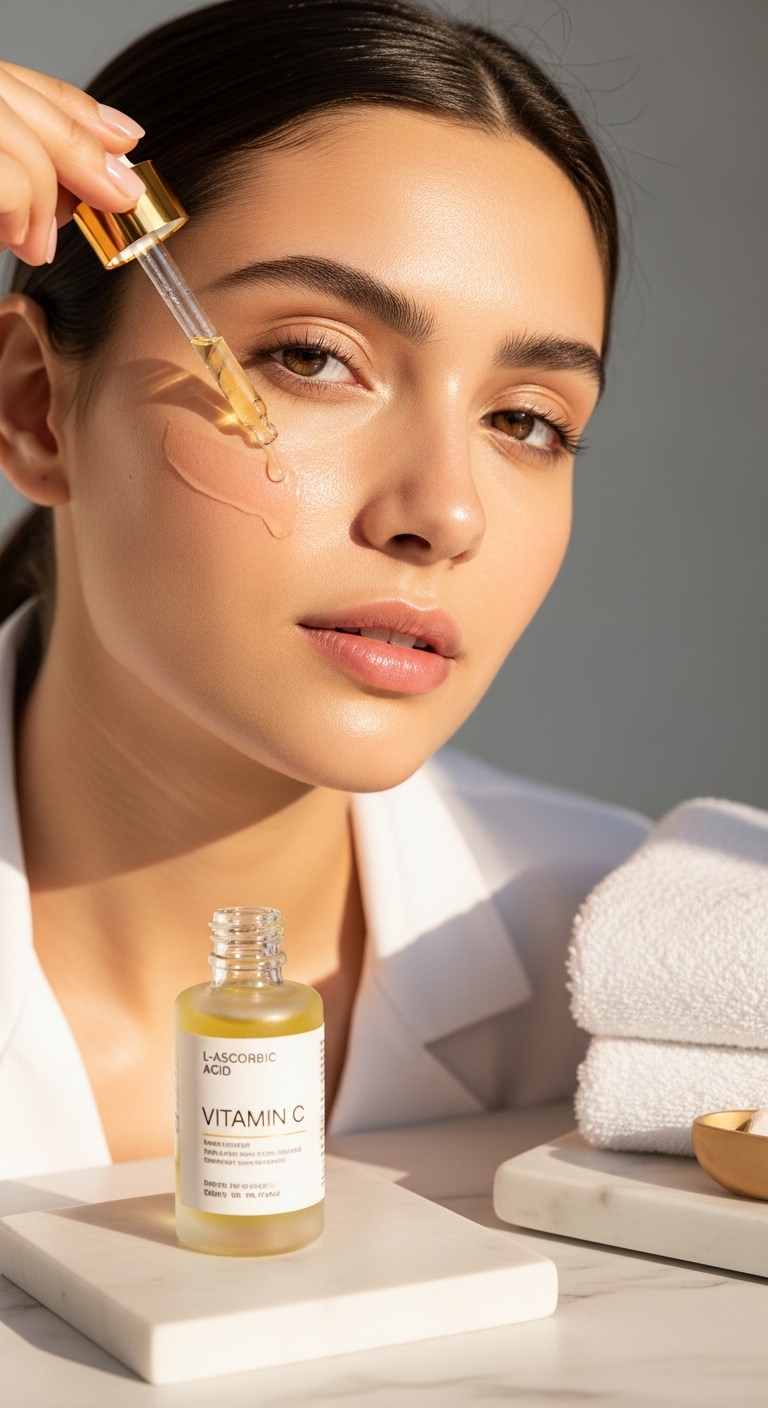
- Summer Tip: Oxidizes quickly in heat/light; buy opaque, airless pumps and store in a cool, dark place (or fridge).
2. Vitamin C Derivatives (Gentler & Stable)
- Sodium Ascorbyl Phosphate (SAP): Water‑soluble, antimicrobial (great for acne‑prone summer skin), converts to ascorbic acid in the skin.
- Magnesium Ascorbyl Phosphate (MAP): Creamy texture, hydrating, ideal for dry or sensitive skin.
- Tetrahexyldecyl Ascorbate (THD): Oil‑soluble, penetrates deepest, excellent for mature skin targeting deep wrinkles.
- Ethylated Ascorbic Acid: Highly stable, works at neutral pH, low irritation risk.
3. Synergistic Ingredient Pairings
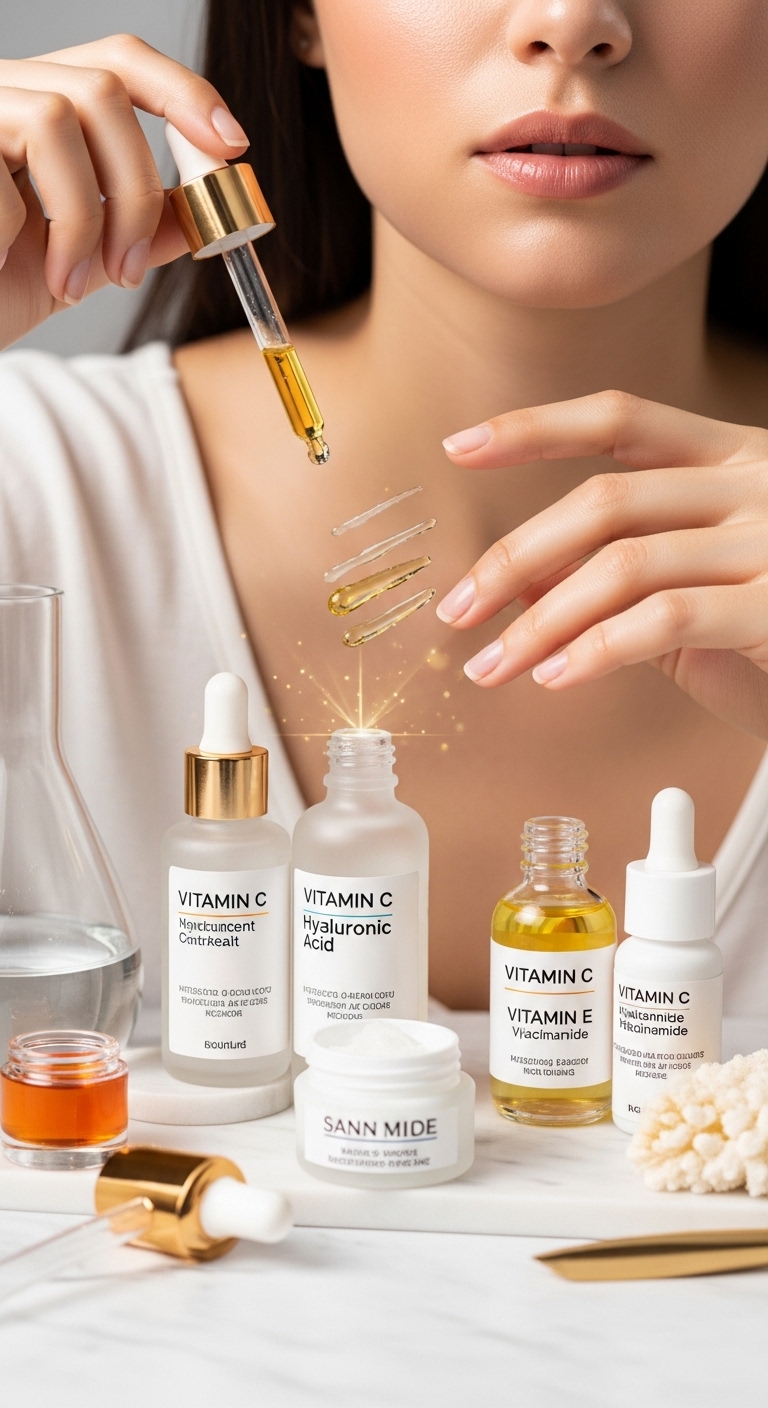
Look for serums that combine vitamin C with:
- Vitamin E (Tocopherol): Recycles vitamin C, doubling antioxidant capacity.
- Ferulic Acid: Stabilizes the formula and boosts UV protection significantly.
- Hyaluronic Acid: Offsets potential dryness from acidic formulas.
- Niacinamide: Further reduces pigmentation and controls summer oiliness.
How to Incorporate Vitamin C Serum Into Your Summer Routine
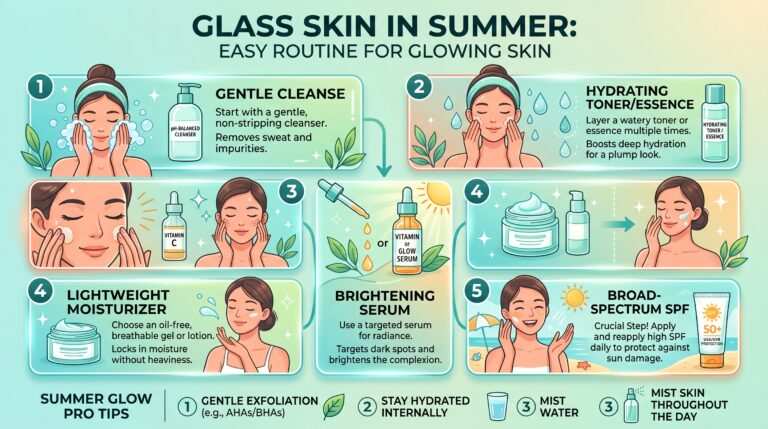
Step‑by‑Step Morning Protocol (The “Shield” Routine)
- Cleanse: Use a gentle, pH‑balanced cleanser to remove overnight sweat and oil. Pat dry.
- Tone (Optional): Apply a hydrating toner if your skin feels tight; skip astringent toners to avoid barrier disruption.
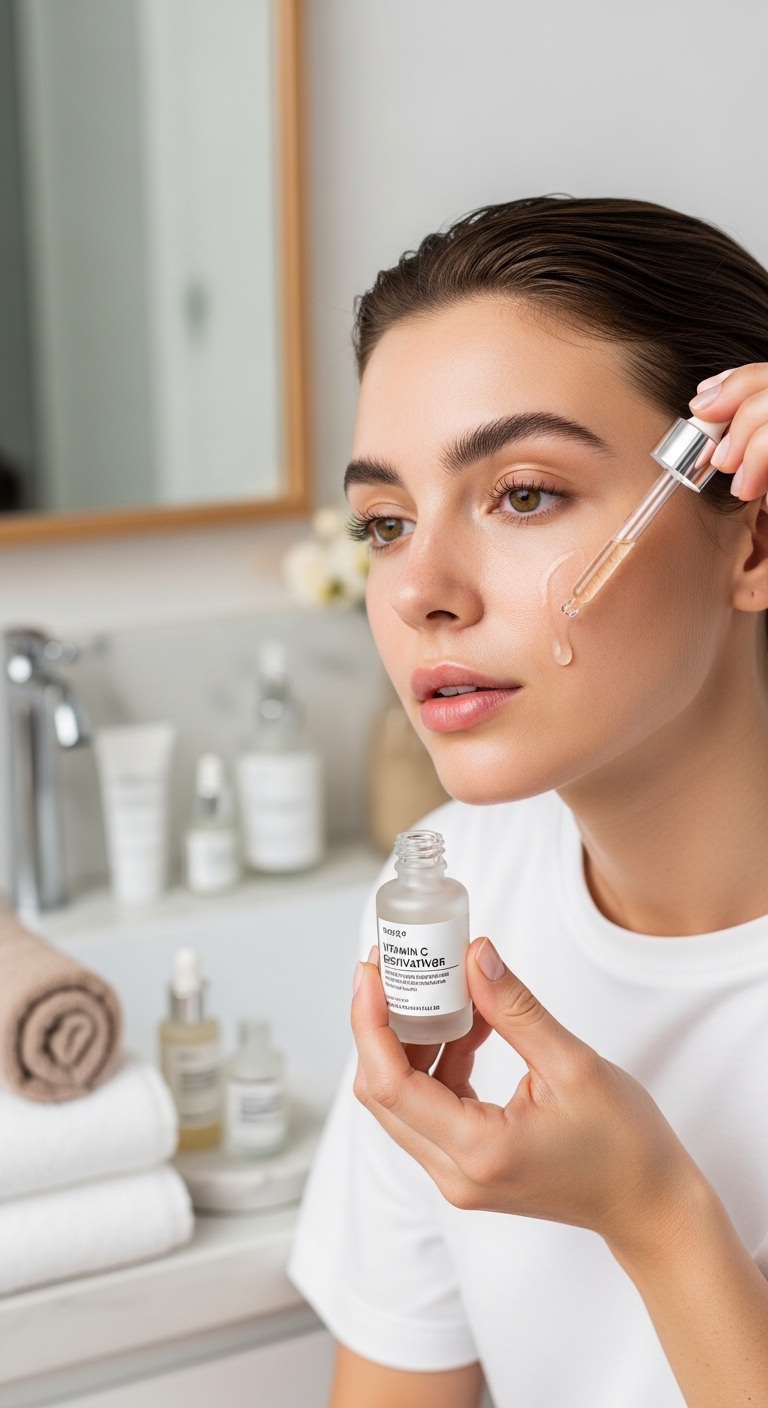
- Apply Vitamin C Serum: Dispense 3‑4 drops onto fingertips. Press and smooth onto face, neck, and decolletage (often neglected but highly sun‑exposed). Allow 60‑90 seconds for absorption.
- Moisturize: Lock in the serum with a lightweight, non‑comedogenic gel‑cream.
- Sunscreen (Non‑Negotiable): Apply SPF 30‑50 broad‑spectrum sunscreen. This is the final, critical step—vitamin C does NOT replace sunscreen.
Evening Protocol (The “Repair” Routine)
- Use vitamin C every other night if using retinol, or nightly if not.
- Cleanse → Vitamin C Serum → Moisturizer.
- Note: Avoid layering with Benzoyl Peroxide (oxidizes vitamin C) or AHAs/BHAs (may irritate) in the same routine unless your skin is highly tolerant.
Practical Usage Tips for Maximum Results
- The “Fridge Rule”: Store your serum in a skincare fridge or standard refrigerator during summer. Cold temperatures slow oxidation, keeping the serum potent (clear/light yellow) longer.
- Patch Test: Apply behind the ear for 3 days before full‑face use, especially with L‑ascorbic acid.
- Expiration Awareness: If the serum turns dark orange or brown, it has oxidized into dehydroascorbic acid—it’s ineffective and potentially irritating. Toss it.
- Consistency Over Intensity: A 10% serum used daily yields better results than a 20% serum used once a week.
- Don’t Forget the Neck & Hands: These areas show sun damage first. Apply residual serum from fingers there.
Common Mistakes That Ruin Your Vitamin C Investment
| Mistake | Consequence | Solution |
|---|---|---|
| Skipping Sunscreen | UV damage negates vitamin C benefits; increased pigmentation. | Apply SPF every single morning, rain or shine. |
| Storing in Bathroom | Heat and humidity accelerate oxidation. | Store in bedroom drawer or fridge. |
| Layering with Incompatible Actives | Irritation, barrier damage, inactivated vitamin C. | Alternate nights: Vitamin C AM / Retinol PM. |
| Using Too Much | Stinging, redness, “pilling” under sunscreen. | 3‑4 drops max for full face. |
| Buying Clear Dropper Bottles | Light exposure kills the antioxidant. | Choose opaque, airless pump packaging. |
Advanced Details: The Science of Stability
Vitamin C is notoriously unstable. Exposure to light, air, and heat causes it to degrade. Formulators combat this by:
- Anhydrous Formulas: Water‑free suspensions (often silicone‑based) prevent hydrolysis.
- Encapsulation: Liposomes or polymer shells protect the molecule until it hits the skin.
- Derivative Chemistry: Modifying the molecule (e.g., adding a phosphate group) to create a “prodrug” that converts only upon skin absorption.
When shopping, check the PAO (Period After Opening) symbol—most pure L‑ascorbic acid serums expire 3‑6 months after opening.
Key Takeaways
- Vitamin C serum is a summer essential because it neutralizes free radicals, boosts sunscreen, fades dark spots, and builds collagen.
- L‑Ascorbic Acid is most potent but requires careful storage; derivatives (SAP, MAP, THD) offer stability and gentler options.
- Always apply in the morning under sunscreen for the “synergistic photoprotection” effect.
- Store in a cool, dark place (ideally the fridge) to prevent oxidation.
- Consistency is key—daily use of a stable 10‑15% formula beats sporadic use of high strengths.
- Never mix with benzoyl peroxide or use simultaneously with strong acids without buffering.
FAQs
1. Can I use vitamin C serum in the summer sun?
Yes, you should use it in the summer. It protects against UV‑induced free radical damage and prevents sunspots, but it must always be followed by broad‑spectrum sunscreen.
2. Does vitamin C make you more sensitive to the sun?
No, vitamin C does not photosensitize the skin like retinoids or AHAs. It actually provides photoprotection, though sunscreen is still mandatory.
3. What percentage of vitamin C is best for summer?
10% to 15% L‑ascorbic acid is ideal for daily summer use—effective enough for results but gentle enough to avoid irritation in the heat.
4. How long does it take to see results from vitamin C serum?
You may see brighter skin and reduced redness in 2‑4 weeks. Fading hyperpigmentation and collagen improvements typically take 8‑12 weeks of consistent use.
5. Can I mix vitamin C with hyaluronic acid?
Yes, they are highly compatible. Apply vitamin C first (thinnest consistency), let absorb, then follow with hyaluronic acid serum or moisturizer.
6. Why did my vitamin C serum turn orange?
It has oxidized. Once the serum turns dark yellow, orange, or brown, it has lost its potency and should be discarded.
7. Should I use vitamin C if I have oily/acne‑prone skin in summer?
Absolutely. Look for Sodium Ascorbyl Phosphate (SAP) or water‑based L‑ascorbic acid formulas. Vitamin C reduces post‑acne marks and controls sebum oxidation.
8. Can I use vitamin C serum around my eyes?
Yes, if the formula is non‑irritating. Use a specific eye cream with vitamin C or pat a tiny amount of your face serum around the orbital bone, avoiding the lash line.
Conclusion
Mastering the use of vitamin C serum is the single most impactful upgrade you can make to your summer skincare strategy. By acting as a second line of defense behind your sunscreen, it prevents the cumulative damage that leads to premature aging and stubborn pigmentation. Whether you choose a high‑octane L‑ascorbic acid formula or a gentle, stable derivative, the rules remain the same: apply in the morning, follow with SPF, store it cold, and stay consistent. Armed with this complete guide, you have everything needed to select, apply, and maintain a vitamin C routine that keeps your skin glowing, firm, and protected from the first heatwave to the last sunset of the season.