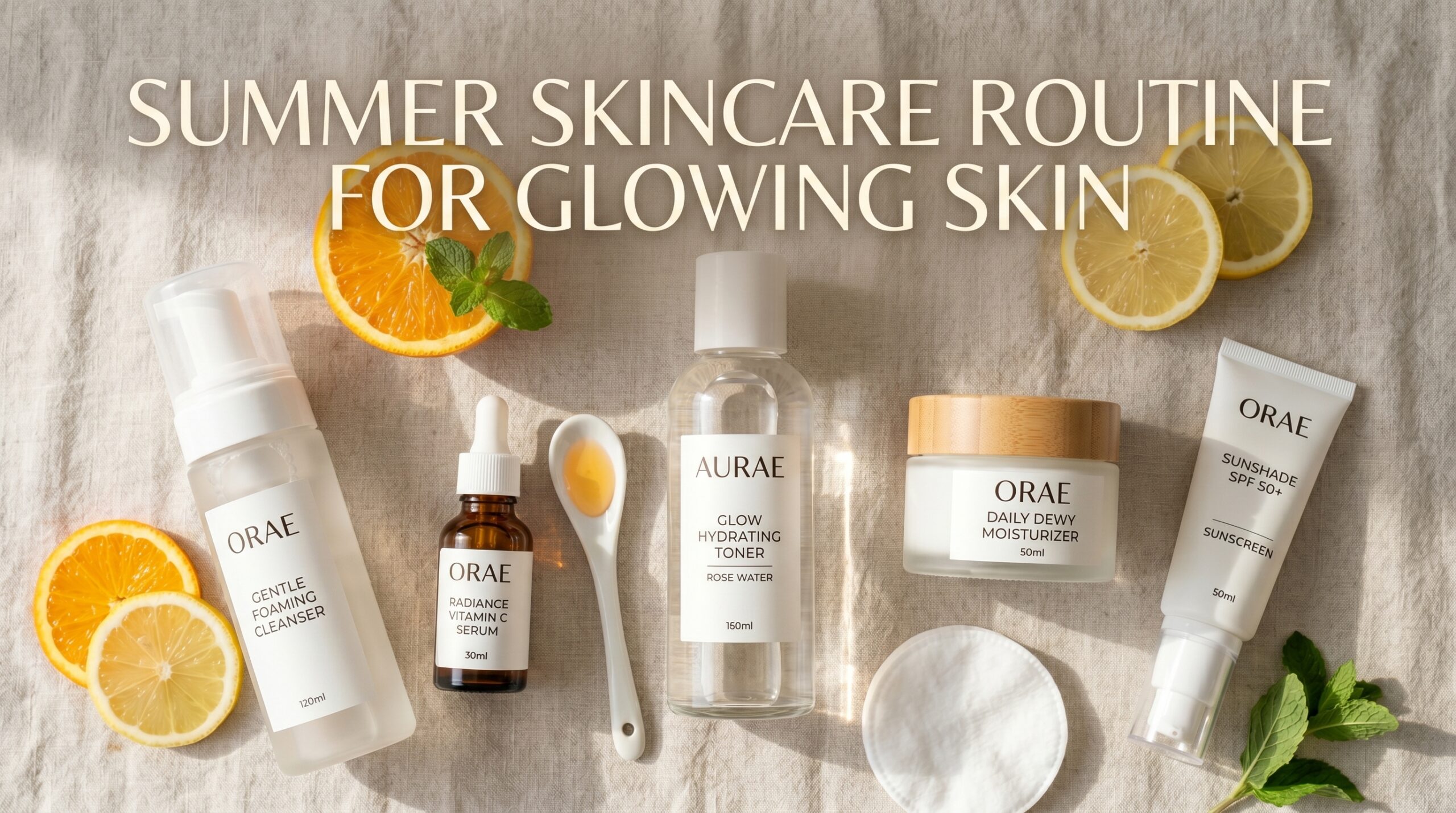
Summer Skincare Routine For Glowing Skin In 2026
A summer skincare routine for glowing skin in 2026 is a strategic, season-specific approach to skincare that addresses warm-weather challenges while maximizing skin radiance through lightweight products, enhanced sun protection, and targeted treatments. Summer presents unique skincare obstacles including intense UV exposure, increased humidity, excess sebum production, and accelerated dehydration that require different products and techniques than fall or winter routines. This comprehensive guide provides a complete roadmap for achieving luminous, healthy skin throughout summer 2026 by adapting your skincare regimen to warm-weather conditions while incorporating the latest dermatological advances and product innovations.
Unlike basic skincare routines that remain static year-round, an optimized summer skincare routine recognizes that rising temperatures, longer sun exposure, increased outdoor activities, and environmental factors dramatically impact skin behavior and needs. The goal extends beyond basic maintenance to actively cultivating glowing, radiant skin characterized by even tone, smooth texture, optimal hydration, and natural luminosity. Achieving this requires understanding how summer conditions affect different skin types, selecting appropriate product formulations, establishing consistent morning and evening routines, and avoiding common warm-weather skincare mistakes.
This article covers everything from understanding summer’s impact on skin to building complete morning and evening routines, selecting optimal products and ingredients for 2026, addressing specific skin concerns, incorporating weekly treatments, understanding the role of diet and lifestyle, and troubleshooting common summer skincare challenges to ensure your skin looks its absolute best throughout the warmest months.
Also Read: Best Sunscreen For Face 2026
What Is a Summer Skincare Routine?
Quick Answer: A summer skincare routine is a seasonal adaptation of your regular skincare regimen using lightweight, protective products designed to combat heat, humidity, increased sun exposure, and excess oil production while promoting hydrated, radiant, glowing skin throughout warm weather months.
A summer skincare routine represents a strategic shift in product selection, application frequency, and ingredient focus to address the specific challenges warm weather creates for skin health and appearance. During summer months, skin produces up to 50% more sebum due to heat and humidity, experiences significantly increased UV exposure from longer daylight hours and outdoor activities, loses moisture more rapidly through increased perspiration, and faces environmental stressors including chlorine from pools, salt water from ocean swimming, and air conditioning that dehydrates skin. These factors necessitate fundamental changes to skincare approaches that work perfectly well in cooler seasons.
The “glowing skin” objective refers to achieving radiant, luminous complexion characterized by even skin tone without dark spots or hyperpigmentation, smooth texture free from rough patches or enlarged pores, adequate hydration creating plump, supple appearance, and natural light reflection from healthy skin barrier function. Glowing skin differs from shiny or oily skin—it represents optimal skin health rather than excess sebum production. Achieving this glow in summer requires balancing multiple factors: protecting against UV damage that causes dullness and dark spots, controlling excess oil without over-drying, maintaining hydration despite heat and perspiration, and supporting skin cell turnover to reveal fresh, radiant skin.
The 2026 designation indicates this routine incorporates current dermatological research, newly available product formulations, and updated understanding of skin science. Summer 2026 skincare emphasizes microbiome-friendly products that support skin’s natural bacterial balance, climate-adaptive formulations that adjust to environmental humidity and temperature, clean beauty ingredients with proven efficacy, advanced sun protection including pollution defense, and personalized approaches based on individual skin type, concerns, and environmental exposure rather than one-size-fits-all recommendations.
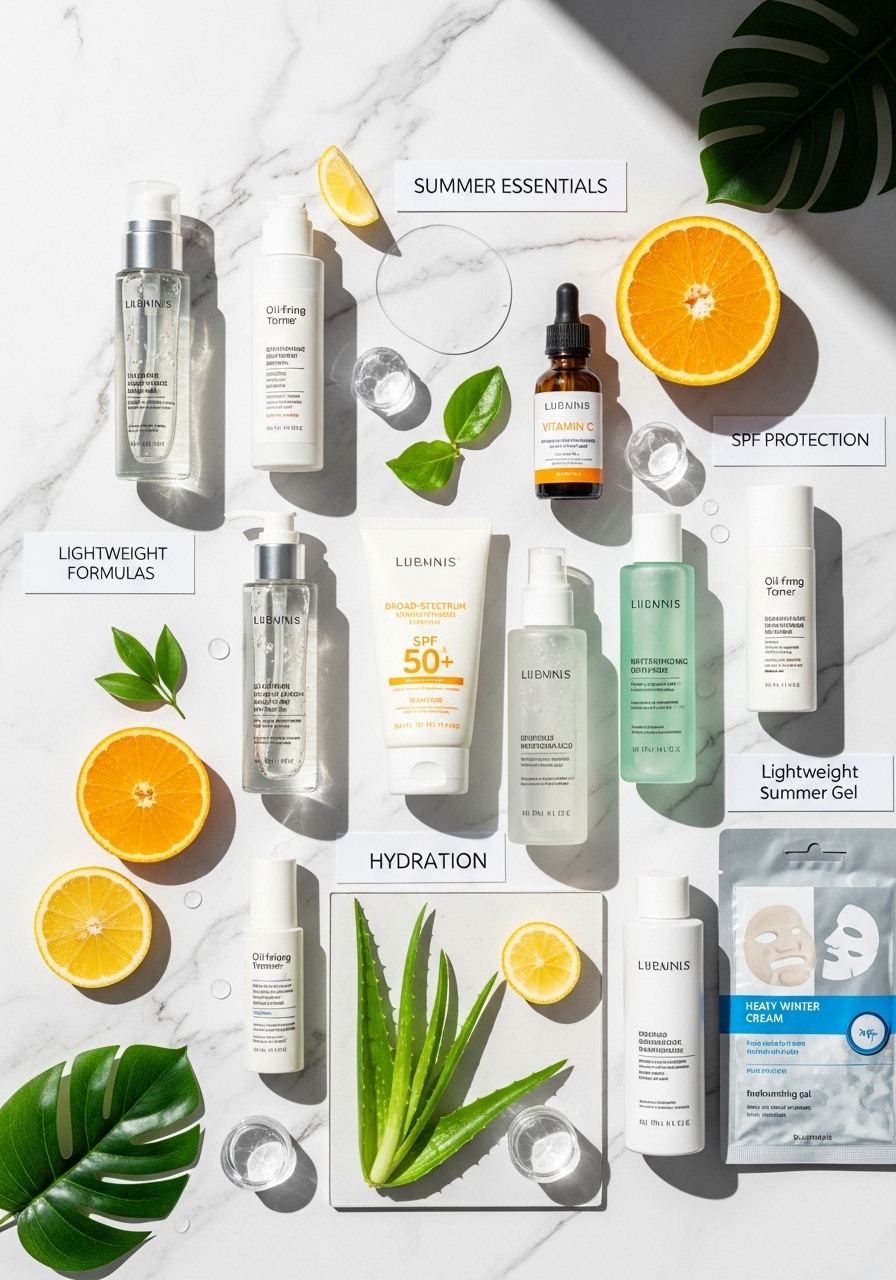
Why Summer Skincare Differs From Other Seasons
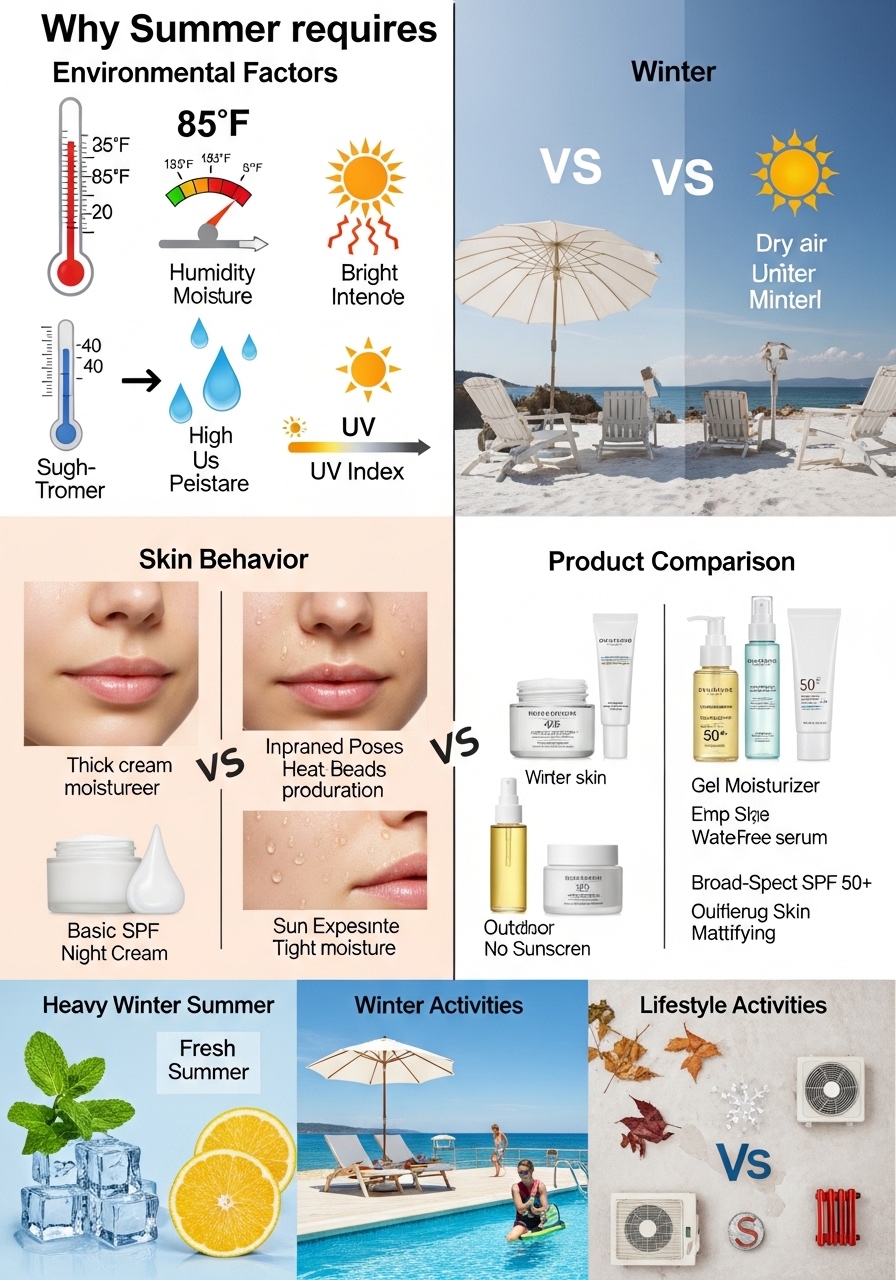
Summer skincare requires fundamental adjustments because environmental conditions dramatically alter how skin functions and behaves. Temperature increases cause blood vessels near skin surface to dilate, bringing more blood flow that can trigger redness and sensitivity while simultaneously stimulating sebaceous glands to produce excess oil. This increased oil production serves evolutionary purpose—sebum provides natural sun protection and prevents excessive moisture loss—but in modern context often leads to clogged pores, breakouts, and shiny appearance that requires management.
Humidity levels in summer create complex effects on skin. High humidity prevents moisture evaporation from skin surface, which sounds beneficial but actually disrupts skin’s natural moisture regulation. When external humidity exceeds approximately 60-70%, skin reduces its own moisturizing factor production, potentially leading to dehydration despite humid conditions. Conversely, air conditioning creates artificially low humidity indoors, causing rapid moisture loss. This humidity fluctuation between indoor and outdoor environments stresses skin and requires lightweight yet effective hydration that adapts to changing conditions.
UV exposure intensifies dramatically during summer months due to Earth’s axial tilt bringing sun’s rays more directly to many regions, increased time spent outdoors in recreational activities, and longer daylight hours providing more cumulative exposure. UV radiation causes immediate effects including sunburn and inflammation, plus long-term damage like photoaging (wrinkles, loss of elasticity, rough texture), hyperpigmentation (dark spots, melasma, uneven tone), collagen breakdown, and increased skin cancer risk. Summer skincare must prioritize sun protection as non-negotiable foundation, unlike winter when sun exposure may be minimal.
Lifestyle changes in summer impact skin significantly. Increased swimming exposes skin to chlorine and salt water that disrupt skin barrier and alter pH balance. More frequent showering to manage heat and sweat can strip natural oils if using harsh cleansers. Increased physical activity and perspiration require more frequent cleansing to prevent clogged pores. Travel to different climates forces skin to rapidly adapt to new environmental conditions. These lifestyle factors necessitate flexible, gentle yet effective skincare that maintains skin health despite increased stress.
Understanding Your Skin Type in Summer
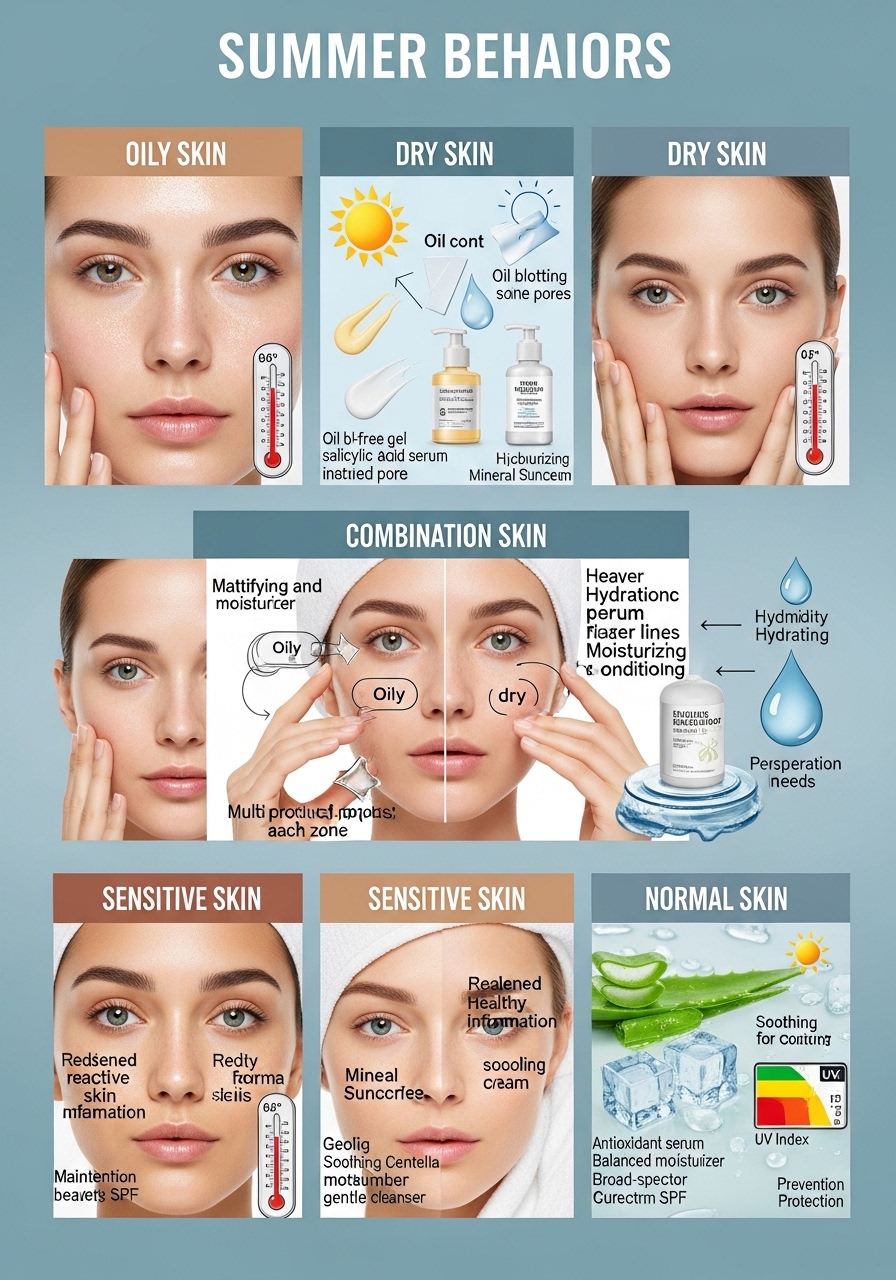
Skin type can shift during summer months as environmental conditions trigger behavioral changes. Naturally oily skin often becomes significantly oilier in heat and humidity, with shine appearing within hours of cleansing and increased tendency toward breakouts and clogged pores. Summer skincare for oily skin must focus on oil control through gentle, non-stripping cleansing, lightweight oil-free hydration, and ingredients like niacinamide and salicylic acid that regulate sebum production without triggering rebound oil production from over-drying.
Dry skin faces paradoxical challenges in summer. While humidity might seem beneficial, dry skin still requires intensive hydration because its compromised barrier function fails to retain moisture effectively regardless of environmental humidity. However, heavy creams that work perfectly in winter feel uncomfortable and may cause breakouts in summer heat. Summer dry skin care requires lightweight yet intensely hydrating products featuring hyaluronic acid, glycerin, and ceramides in gel or gel-cream formulations that provide necessary moisture without heaviness.
Combination skin—oily in T-zone (forehead, nose, chin) and dry on cheeks—often becomes more pronounced in summer as increased temperatures amplify oil production in sebaceous-rich areas while air conditioning dehydrates drier zones. Managing combination skin in summer may require strategic multi-product approaches: using mattifying, oil-control products on T-zone while applying richer hydration to cheeks, or selecting balanced formulations that address both concerns moderately.
Sensitive skin becomes more reactive in summer due to increased sun exposure, heat-triggered inflammation, and potential irritation from sweat, chlorine, and environmental pollutants. Summer skincare for sensitive skin prioritizes gentle, fragrance-free products with soothing ingredients like centella asiatica, niacinamide, and ceramides while avoiding potential irritants including essential oils, high-percentage acids, and harsh physical exfoliants. Sun protection becomes even more critical as sunburn dramatically exacerbates sensitivity.
Normal or balanced skin still requires seasonal adjustment despite lacking obvious concerns. The goal shifts from correction to maintenance and prevention, emphasizing antioxidant protection, consistent sun protection, and lightweight hydration that preserves skin’s healthy state while enhancing natural radiance.
The Science of Glowing Skin
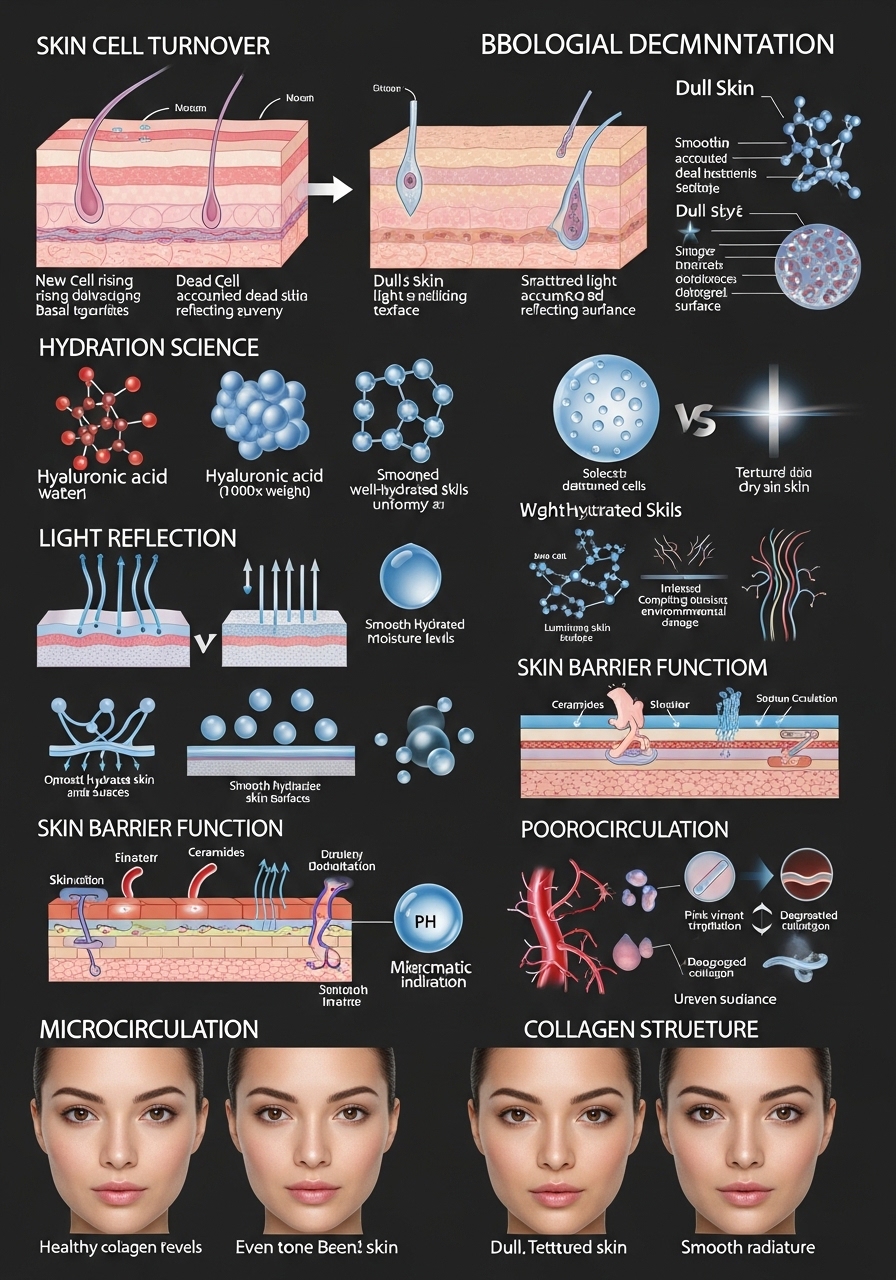
Glowing, radiant skin results from specific biological and physical factors that create luminous appearance. At cellular level, glowing skin indicates optimal skin cell turnover—the approximately 28-day cycle where new skin cells generate in basal layer, migrate upward, and eventually shed from surface. When this process functions properly, skin surface consists of fresh, healthy cells that reflect light evenly. Dead skin cell buildup disrupts this reflection, creating dull, lackluster appearance. Summer skincare enhances glow by supporting healthy cell turnover through gentle exfoliation and cell-turnover-promoting ingredients.
Hydration profoundly impacts skin’s light-reflecting properties. Well-hydrated skin cells appear plump and full, creating smooth surface that reflects light uniformly. Dehydrated skin cells appear flattened and irregular, creating textured surface that scatters light and appears dull. Hyaluronic acid, a molecule capable of holding up to 1000 times its weight in water, draws moisture into skin layers, creating the plumpness associated with radiant, glowing skin. Summer’s challenge lies in maintaining this hydration despite heat, perspiration, and environmental moisture fluctuations.
Skin barrier function determines glow quality. The stratum corneum (outermost skin layer) consists of dead skin cells held together by lipids (ceramides, cholesterol, fatty acids) in brick-and-mortar structure. Intact barrier prevents excessive moisture loss while protecting against environmental damage. Compromised barrier leads to dehydration, inflammation, and dullness. Summer skincare supports barrier through ceramide-rich products, gentle cleansing that preserves natural lipids, and avoiding over-exfoliation or harsh treatments that damage this critical protective layer.
Microcirculation and oxygen delivery to skin cells contribute to radiant appearance. Healthy blood flow delivers nutrients and oxygen while removing waste products, creating naturally pink, vibrant complexion. Poor circulation results in sallow, tired-looking skin. Ingredients like niacinamide improve microcirculation, while facial massage techniques and adequate cardiovascular exercise enhance blood flow. The natural vasodilation from summer heat can improve circulation, but must be balanced against inflammation and redness in sensitive individuals.
Even skin tone without hyperpigmentation or dark spots appears more radiant than skin with irregular pigmentation. Melanin production increases with UV exposure, and uneven distribution creates dark spots that diminish overall glow. Vitamin C, niacinamide, and other brightening ingredients inhibit excessive melanin production while promoting even distribution, creating uniform tone that appears naturally luminous.
Complete Summer Morning Skincare Routine
Step 1: Gentle Morning Cleanse
Begin your summer morning routine with gentle cleansing that removes overnight oil production, accumulated toxins, and sweat without stripping skin’s protective barrier. While some skincare philosophies advocate skipping morning cleansing, summer’s increased oil production typically makes morning cleansing beneficial for most skin types. Choose gentle, pH-balanced cleansers around 5.5 pH that match skin’s natural acidity.
For oily and combination skin, use gel or foaming cleansers with mild surfactants like sodium cocoyl isethionate or cocamidopropyl betaine that effectively remove oil without harsh stripping. Avoid sulfate-based cleansers (sodium lauryl sulfate, sodium laureth sulfate) that over-strip natural oils, triggering rebound oil production. Lightweight gel cleansers often contain oil-controlling ingredients like tea tree or salicylic acid for additional benefit.
Dry and sensitive skin benefits from cream or milk cleansers that clean while depositing light moisture. These formulations typically use gentle cleansing agents and include hydrating ingredients like glycerin or ceramides. Some prefer micellar water for extremely gentle morning cleansing—these no-rinse formulas use micelles (tiny oil molecules) to attract dirt and oil without traditional surfactants.
Application technique matters. Use lukewarm water—hot water strips natural oils while cold water doesn’t effectively dissolve oil and product residue. Massage cleanser gently for 30-60 seconds using circular motions, focusing on oil-prone areas (T-zone) while being gentler on drier areas (cheeks). Rinse thoroughly—residual cleanser can irritate skin and interfere with subsequent product absorption. Pat dry with clean towel using gentle pressing motions rather than rubbing that stresses skin.
Step 2: Balancing Toner or Essence
Toners and essences prepare skin for better absorption of subsequent treatments while providing immediate hydration and balancing skin pH after cleansing. Modern toners differ dramatically from old-school astringent toners containing high alcohol content that dried and irritated skin. Contemporary formulations focus on hydration, soothing, and delivering beneficial ingredients in lightweight format.
Hydrating toners for summer typically contain humectants like hyaluronic acid, glycerin, or beta-glucan that draw moisture into skin. These watery or slightly viscous liquids apply immediately after cleansing while skin remains slightly damp, maximizing absorption. Some use “7-skin method”—applying 7 thin layers of hydrating toner—for intensive hydration boost, particularly beneficial before sun exposure or for dehydration-prone skin.
pH-balancing toners help restore skin’s optimal acidity (around 5.5 pH) after cleansing potentially disrupts it. Properly balanced pH supports skin barrier function and prepares skin for acid-based treatments (vitamin C, AHAs, BHAs) to work optimally. These often contain gentle acids or skin-identical ingredients supporting natural acid mantle.
Soothing toners with ingredients like centella asiatica, green tea, or chamomile calm inflammation and reduce redness, particularly beneficial for sensitive skin or after sun exposure. Anti-inflammatory properties help prevent heat-triggered irritation and support skin barrier function.
Apply toner using clean hands (most efficient absorption) or cotton pad (provides gentle additional exfoliation and ensures even distribution). Press or pat toner into skin rather than wiping, which can cause unnecessary friction. Layer multiple toners if desired—start with thinnest consistency and progress to thicker—allowing each to absorb before applying next.
Step 3: Vitamin C Serum for Brightening and Protection
Vitamin C serum represents one of the most important summer morning products, providing multiple benefits essential for glowing skin. As potent antioxidant, vitamin C neutralizes free radicals generated by UV exposure before they damage skin cells, DNA, and collagen. This protective effect complements sunscreen by addressing oxidative stress that sunscreen cannot prevent. Applied in morning beneath sunscreen, vitamin C provides layered defense against photoaging and environmental damage.
Beyond protection, vitamin C brightens skin and reduces hyperpigmentation through multiple mechanisms. It inhibits tyrosinase, the enzyme responsible for melanin production, preventing new dark spots from forming. It also has mild exfoliating properties that fade existing hyperpigmentation over time. Regular vitamin C use creates more even skin tone and enhanced radiance—exactly the glow summer skincare targets.
Vitamin C also stimulates collagen production, supporting skin firmness and smooth texture. Collagen provides structural support determining skin’s plumpness and smoothness. UV exposure breaks down collagen, but vitamin C helps counteract this damage while promoting new collagen synthesis.
Selecting effective vitamin C requires understanding formulation. L-ascorbic acid (pure vitamin C) offers greatest potency but requires specific formulation—typically 10-20% concentration in water-free or low-pH (around 3.5 or lower) base for stability and efficacy. L-ascorbic acid can irritate sensitive skin and oxidizes relatively quickly (turning brown/orange indicates oxidation and reduced efficacy). Vitamin C derivatives like ascorbyl glucoside, magnesium ascorbyl phosphate, or tetrahexyldecyl ascorbate offer greater stability and gentleness with slightly less immediate potency but convert to active vitamin C in skin.
Apply vitamin C to clean, dry skin after toner. Use 3-4 drops for entire face, pressing gently into skin and allowing 1-2 minutes to absorb before proceeding to moisturizer. Store vitamin C serum in cool, dark place to preserve potency—oxidized, discolored vitamin C should be replaced as it loses efficacy and may irritate skin.
Step 4: Lightweight Moisturizer with Hydration
Even oily skin requires moisturizer—hydration and oil balance are distinct skincare needs. Summer moisturizers should be lightweight, fast-absorbing, and non-greasy while providing essential hydration and supporting skin barrier function. The shift from heavy winter creams to lighter summer formulations prevents clogged pores and uncomfortable greasiness while maintaining skin health.
Gel moisturizers offer lightest texture, perfect for very oily skin or extremely humid climates. Water-based gel formulations often contain hyaluronic acid, aloe vera, or other water-binding ingredients providing hydration without adding oils. They absorb almost immediately, leaving no residue while creating hydrated base for sunscreen application.
Gel-cream or lotion moisturizers balance lightweight feel with slightly richer hydration suitable for normal to combination skin. These hybrid formulations typically combine water-based ingredients with small amounts of beneficial oils or silicones, creating smooth, comfortable texture without heaviness.
For dry skin in summer, lightweight cream moisturizers in non-comedogenic formulations provide necessary richness without excessive heaviness. Look for fast-absorbing creams containing ceramides, squalane, or lightweight oils like jojoba that provide moisture without sitting heavily on skin surface.
Key hydrating ingredients for summer moisturizers include hyaluronic acid (holds moisture), glycerin (humectant drawing water into skin), niacinamide (improves barrier function while controlling oil), ceramides (repair and strengthen barrier), and lightweight emollients like squalane or plant-derived oils providing occlusion without heaviness.
Apply moisturizer to slightly damp skin—residual moisture from toner or essence helps moisturizer spread easily and enhances absorption. Use upward, outward motions when applying, and don’t forget neck and décolletage which show aging and sun damage prominently. Allow moisturizer to fully absorb (1-2 minutes) before sunscreen application.
Step 5: Broad-Spectrum SPF 30+ Sunscreen (Non-Negotiable)
Sunscreen represents the single most important product in summer skincare routine and arguably in entire skincare regimen. Daily broad-spectrum SPF 30 or higher prevents the cumulative UV damage responsible for up to 90% of visible aging including wrinkles, loss of elasticity, age spots, and uneven texture. No amount of expensive serums or treatments can counteract damage from inadequate sun protection.
Broad-spectrum designation means sunscreen protects against both UVA rays (responsible for aging, hyperpigmentation, and deeper skin damage penetrating through windows and clouds) and UVB rays (cause sunburn and more superficial damage). SPF (Sun Protection Factor) primarily measures UVB protection—SPF 30 filters approximately 97% of UVB rays, SPF 50 filters about 98%. Higher SPFs provide marginally more protection but proper application and reapplication matter more than extremely high SPF numbers.
Chemical (organic) sunscreens absorb UV radiation through chemical filters like avobenzone, oxybenzone, octinoxate, or newer-generation filters like bemotrizinol or tinosorb. These feel lightweight and cosmetically elegant, absorbing quickly without white cast. However, some chemical filters cause sensitivity or allergic reactions, and recent research questions environmental impact of certain filters on coral reefs.
Mineral (physical/inorganic) sunscreens use zinc oxide and/or titanium dioxide to physically reflect and scatter UV radiation. These suit sensitive skin better and pose minimal environmental concerns, but traditional formulations often leave white cast and feel heavier. Modern mineral sunscreens use micronized or nano-particles creating more transparent finish, though some consumers prefer avoiding nano-particles for health/environmental reasons.
Hybrid sunscreens combine chemical and mineral filters, balancing efficacy, cosmetic elegance, and skin tolerance. Many 2026 formulations use this approach for optimal protection and wearability.
Tinted sunscreens provide additional benefit of color correction while offering visible light protection. Recent research shows visible light (especially blue light) contributes to hyperpigmentation in darker skin tones, and iron oxides in tinted sunscreens help block visible light beyond UV protection.
Application technique critically impacts protection. Use approximately 1/4 teaspoon for face and neck—most people apply only 25-50% of necessary amount, drastically reducing actual protection. Apply sunscreen as final morning skincare step, allowing previous products to fully absorb first. Don’t mix sunscreen with other products which dilutes concentration and compromises protection. Reapply every 2 hours during sun exposure, after swimming/sweating, or use powder sunscreens or SPF setting sprays for midday reapplication over makeup.
Complete Summer Evening Skincare Routine
Step 1: First Cleanse (Oil-Based or Micellar Water)
Evening cleansing requires more thorough approach than morning to remove accumulated sunscreen, sweat, excess oil, environmental pollutants, and makeup. Double cleansing—first with oil-based cleanser or micellar water, then with water-based cleanser—ensures complete removal without harsh scrubbing that damages skin.
Oil-based cleansers (cleansing oils, cleansing balms) work on “like dissolves like” principle—oil-based products dissolve oil-based substances (sunscreen, sebum, oil-based makeup) more effectively than water-based cleansers. Apply cleansing oil to dry skin, massaging gently for 1-2 minutes to dissolve all products and impurities. Add small amount of water to emulsify (oil will turn milky white), then rinse thoroughly. This first cleanse removes majority of sunscreen and surface buildup.
Micellar water offers gentler alternative using micelles—tiny oil molecules suspended in water that attract dirt, oil, and makeup. Apply micellar water to cotton pad and sweep across face until pad comes away clean. While marketed as no-rinse, dermatologists often recommend rinsing after micellar water to remove any residual surfactants.
For those not wearing sunscreen or makeup (though sunscreen should be daily non-negotiable), single cleanse with appropriate water-based cleanser may suffice. However, summer’s increased oil production and environmental exposure make double cleansing beneficial for most people.
Step 2: Second Cleanse (Water-Based Cleanser)
Follow oil cleanse with water-based cleanser to remove any remaining residue and ensure completely clean canvas for treatment products. This second cleanse should be identical to your morning cleanser—gentle, pH-balanced formulation appropriate for your skin type.
Gel cleansers work well for oily/combination skin in summer, removing excess oil without stripping. Cream or milk cleansers suit dry/sensitive skin, cleaning while maintaining necessary moisture. Foaming cleansers offer satisfying lather but choose gentle versions without harsh sulfates.
Cleanse for 60 seconds using gentle circular motions, paying attention to areas where product, oil, and dirt accumulate (hairline, jawline, sides of nose). Rinse thoroughly with lukewarm water—hot water strips natural oils while cold water doesn’t effectively remove cleansers. Pat dry gently.
Some incorporate cleansing devices like silicone cleansing brushes or sonic cleansing tools in evening routine for deeper clean. These can be beneficial 2-3 times weekly but daily use may over-exfoliate or irritate skin, especially in summer when skin faces additional environmental stress.
Step 3: Treatment Toner or Exfoliating Toner
Evening toner can mirror morning hydrating toner or incorporate gentle exfoliation through chemical exfoliants. Exfoliating toners containing AHAs (alpha hydroxy acids) or BHAs (beta hydroxy acids) provide gentle daily exfoliation removing dead skin cell buildup that causes dullness while promoting cell turnover for glowing skin.
AHAs like glycolic acid and lactic acid are water-soluble, work on skin surface, and excel at improving skin texture, reducing fine lines, and brightening dull complexion. Glycolic acid (smallest molecular size) penetrates effectively but can irritate sensitive skin. Lactic acid offers gentler alternative with additional hydrating properties. For summer glowing skin, lactic acid toners (5-10% concentration) used 2-3 evenings weekly provide excellent exfoliation without excessive irritation.
BHAs, primarily salicylic acid, are oil-soluble, penetrate pores, and excel at treating acne, blackheads, and excess oil. Salicylic acid toners (0.5-2% concentration) benefit oily, acne-prone skin by keeping pores clear and reducing breakouts. However, use cautiously in summer as BHAs can increase sun sensitivity.
PHAs (polyhydroxy acids) like gluconolactone or lactobionic acid offer gentlest exfoliation suitable for sensitive skin. Larger molecular size means slower, gentler penetration with less irritation while still providing exfoliating and antioxidant benefits.
Start conservatively with exfoliating toners—use 2-3 times weekly initially, gradually increasing if skin tolerates well. Avoid using exfoliating toners same evening as other potent treatments (retinoids, high-percentage vitamin C) to prevent irritation. Always use sunscreen diligently when incorporating chemical exfoliants, as they increase sun sensitivity.
Alternatively, use hydrating or soothing evening toner similar to morning application, reserving exfoliation for dedicated weekly treatments rather than daily application.
Step 4: Treatment Serums (Targeted Concerns)
Evening presents optimal time for treatment serums addressing specific skin concerns. With sunscreen and makeup removed and no sun exposure imminent, potent actives can work throughout night without UV interaction concerns.
Niacinamide serums (vitamin B3, typically 5-10% concentration) offer multiple benefits perfect for summer glowing skin: regulating oil production (beneficial for oily skin), strengthening skin barrier (essential for all types), reducing hyperpigmentation and evening skin tone (creating radiance), minimizing pore appearance, and providing anti-inflammatory benefits. Niacinamide suits most skin types and can be used both morning and evening.
Hyaluronic acid serums provide intensive hydration by attracting and binding moisture. Multiple molecular weights work synergistically—low molecular weight penetrates deeper while high molecular weight provides surface hydration. Apply hyaluronic acid to damp skin and follow with moisturizer to lock in hydration. Particularly beneficial in summer when air conditioning causes dehydration.
Retinol/retinoid serums promote cell turnover, stimulate collagen production, reduce fine lines and wrinkles, fade hyperpigmentation, and improve overall skin texture. However, retinoids increase sun sensitivity and can cause initial irritation (redness, peeling, sensitivity). For summer use, consider lower-percentage retinol (0.25-0.5%), use only 2-3 evenings weekly, and ensure diligent daily SPF application. Some prefer pausing retinoids during peak summer sun exposure months, resuming in fall.
Peptide serums support collagen production and skin repair through amino acid chains signaling skin to produce more collagen and elastin. Less irritating than retinoids, peptides provide anti-aging benefits suitable for sensitive skin or those avoiding retinoids.
Antioxidant serums containing resveratrol, green tea, CoQ10, or vitamin E neutralize free radical damage and support skin repair overnight. These complement morning vitamin C for comprehensive antioxidant protection.
Layer serums from thinnest to thickest consistency, allowing each to absorb (30-60 seconds) before applying next. Don’t overload skin with too many actives simultaneously—choose 1-2 treatment serums based on primary concerns rather than using everything at once.
Step 5: Eye Cream (Optional but Beneficial)
Eye area features thinnest, most delicate skin on face with fewer oil glands making it prone to dryness, fine lines, and signs of aging. While not strictly necessary for everyone, dedicated eye cream provides targeted treatment for this delicate area.
Summer eye creams should be lightweight to avoid milia (small white bumps from heavy products blocking pores in thin eye area skin). Gel or gel-cream formulations work well. Look for ingredients like caffeine (reduces puffiness), peptides (address fine lines), hyaluronic acid (hydrates), and vitamin C or niacinamide (brightens dark circles).
Apply eye cream using ring finger (applies gentlest pressure) by dotting small amount around orbital bone (never directly on eyelid or too close to eye itself), then gently patting until absorbed. Never pull or drag delicate eye area skin.
Those without specific eye concerns might extend facial serum and moisturizer to eye area instead of separate product, particularly if using gentle formulations. However, those with dark circles, puffiness, or crow’s feet benefit from dedicated eye treatments.
Step 6: Night Cream or Sleeping Mask
Final step seals in all treatment products while providing overnight hydration and repair. Night creams tend to be richer than day moisturizers as they don’t need to work beneath sunscreen or makeup, but summer night creams should still be lighter than winter counterparts.
Gel-cream night moisturizers balance richness with lightweight feel, perfect for summer. These often contain reparative ingredients like ceramides, peptides, and antioxidants supporting overnight skin renewal. Water-based formulations with hyaluronic acid and glycerin provide intensive hydration without feeling heavy.
For dry skin, slightly richer cream formulations may be necessary even in summer, but choose fast-absorbing versions with nourishing oils (squalane, jojoba, rosehip) rather than heavy occlusives that may feel uncomfortable or cause breakouts.
Sleeping masks—ultra-hydrating treatments used once or twice weekly—provide intensive moisture boost. Gel sleeping masks suit oily/combination skin while cream sleeping masks benefit dry skin. Apply as final step, leaving on overnight, then rinse in morning. Particularly beneficial after sun exposure or in air-conditioned environments causing dehydration.
Some prefer light facial oil as final step to seal in moisture. Dry oils like squalane, rosehip, or marula absorb quickly without greasy residue. A few drops warmed between palms and pressed into skin create occlusive barrier preventing transepidermal water loss overnight.
Weekly Summer Skincare Treatments
Exfoliation for Radiance (2-3 Times Weekly)
Regular exfoliation is essential for glowing skin as it removes dead skin cell buildup causing dullness, rough texture, and uneven tone. Dead skin cells naturally shed every 28 days approximately, but this process slows with age and external factors. Accumulated dead cells create barrier preventing skincare product absorption and causing lackluster appearance.
Physical exfoliants use small particles or textured materials to manually scrub away dead cells. Gentle options include jojoba beads, rice powder, or oatmeal in creamy bases. Apply to damp skin, massage gently in circular motions for 30-60 seconds, focusing on rough areas (forehead, nose, chin) while being gentler on delicate areas (cheeks, around eyes). Rinse thoroughly. Avoid harsh physical exfoliants with jagged particles (walnut shells, apricot kernels) that create micro-tears damaging skin.
Chemical exfoliants using AHAs, BHAs, or PHAs dissolve bonds between dead skin cells, allowing them to shed naturally. These often provide more even exfoliation than physical methods without manual scrubbing stress. Glycolic acid (5-10%) works well for normal to dry skin, lactic acid (5-10%) suits sensitive skin with bonus hydration, and salicylic acid (0.5-2%) targets oily, acne-prone skin by penetrating pores.
Enzyme exfoliants use fruit enzymes (papain from papaya, bromelain from pineapple) to gently digest dead skin cells. These work well for sensitive skin unable to tolerate acids. Enzyme masks typically apply to clean skin, leave for 5-10 minutes, then rinse off.
Exfoliate 2-3 times weekly in summer—more frequent exfoliation risks damaging skin barrier, especially when combined with sun exposure. Choose one exfoliation method rather than combining multiple approaches. Always apply SPF diligently after exfoliating as newly revealed skin is more sun-sensitive. Avoid exfoliating before prolonged sun exposure or immediately after sunburn.
Face Masks for Targeted Treatment
Weekly face masks provide concentrated treatment boosting skin’s glow and addressing specific concerns. Unlike daily products, masks deliver high ingredient concentrations in formats encouraging extended skin contact and enhanced absorption.
Hydrating masks featuring hyaluronic acid, glycerin, aloe vera, or honey intensively hydrate, creating plump, dewy appearance. Sheet masks saturated with essence provide occlusive layer enhancing ingredient penetration while preventing evaporation. Gel masks or overnight sleep masks offer similar benefits in different formats. Use 1-2 times weekly or after sun exposure for hydration boost.
Brightening masks containing vitamin C, niacinamide, licorice extract, or kojic acid target hyperpigmentation and dullness, creating more even, radiant tone. These often combine brightening actives with gentle exfoliants for comprehensive glow-boosting treatment. Use 1-2 times weekly.
Clay masks (kaolin, bentonite, or French green clay) absorb excess oil, deep-clean pores, and remove impurities. Perfect for oily or combination skin, these should be used primarily on oil-prone areas (T-zone) rather than entire face if you have dry patches. Apply to clean skin, leave until just beginning to dry (avoid letting completely dry as this over-dries skin), then rinse with lukewarm water. Use 1-2 times weekly.
Soothing masks with centella asiatica, chamomile, green tea, or colloidal oatmeal calm inflammation and reduce redness. Particularly beneficial after sun exposure or for sensitive skin experiencing heat-triggered irritation. These can be used more frequently—2-3 times weekly or as needed.
Apply masks to freshly cleansed skin in evening when you can relax for 10-20 minutes. Follow mask with usual serum and moisturizer to seal in benefits. Multi-masking—using different masks on different face areas based on varying needs—customizes treatment for combination skin.
Facial Massage and Tools
Facial massage improves circulation, promotes lymphatic drainage reducing puffiness, enhances product absorption, and provides relaxation that indirectly benefits skin (stress negatively impacts skin health). Improved circulation delivers more oxygen and nutrients to skin cells while removing waste products, creating natural glow.
Simple facial massage using clean hands takes 2-3 minutes. Apply facial oil or serum for slip, then use upward and outward strokes: from center chin along jawline to ears, from mouth corners to ears, from nose sides across cheeks to ears, from center forehead to temples, and from inner to outer eye area along brow bone then under eye. Use gentle but firm pressure, repeating each stroke 3-5 times. Perform 2-3 times weekly or even daily as gentle massage is non-invasive and beneficial.
Jade rollers and gua sha tools enhance massage benefits. Jade or rose quartz rollers use rolling motion to massage face, promoting circulation and lymphatic drainage while feeling cooling and soothing. Use roller in same upward/outward direction as manual massage. Store roller in refrigerator for extra cooling effect reducing morning puffiness.
Gua sha tools (flat stones with carved edges) provide more intensive massage using gentle scraping motions. Apply generous facial oil for slip, then use gua sha tool at 15-degree angle, using firm but gentle pressure to stroke in upward/outward directions. This promotes lymphatic drainage more intensively than rolling. YouTube tutorials demonstrate proper technique—incorrect use can bruise delicate facial skin.
Face massage and tools work best in evening after cleansing, combined with facial oil or serum application. Beyond physical benefits, these practices offer mindful self-care moments supporting overall wellbeing.
Key Ingredients for Summer 2026 Glowing Skin
Vitamin C (L-Ascorbic Acid and Derivatives)
Vitamin C stands as powerhouse ingredient for summer glowing skin through multiple mechanisms. As potent antioxidant, it neutralizes free radicals from UV exposure, preventing oxidative damage before it occurs. This protective effect, combined with sunscreen, provides comprehensive defense against photoaging. Vitamin C also inhibits melanin production at enzymatic level, preventing new dark spots while fading existing hyperpigmentation. Regular use (consistent daily application for 8-12 weeks minimum) creates noticeably brighter, more even skin tone.
Additionally, vitamin C stimulates collagen synthesis, supporting skin firmness and smooth texture that contributes to radiant appearance. It strengthens skin barrier function and reduces inflammation, protecting against environmental stressors while supporting overall skin health.
Effective vitamin C products require proper formulation. L-ascorbic acid (pure vitamin C) at 10-20% concentration in pH below 3.5 provides maximum efficacy but can irritate sensitive skin and oxidizes relatively quickly. More stable derivatives like ascorbyl glucoside, sodium ascorbyl phosphate, or tetrahexyldecyl ascorbate offer gentleness and stability with slightly reduced potency.
Apply vitamin C serum to clean, dry skin in morning before moisturizer and sunscreen. Store in cool, dark place and replace when product oxidizes (turns dark orange/brown). Combining vitamin C with vitamin E and ferulic acid (as in some formulations) enhances stability and efficacy through synergistic antioxidant action.
Niacinamide (Vitamin B3)
Niacinamide has surged in skincare popularity due to remarkable versatility and wide-ranging benefits with minimal irritation risk. For summer glowing skin, niacinamide offers multi-functional support: it regulates sebum production (beneficial for oily summer skin without causing dryness), strengthens skin barrier by increasing ceramide production (essential protection against environmental stressors), reduces hyperpigmentation by inhibiting melanosome transfer (creating more even tone), minimizes pore appearance (contributing to smooth texture), provides anti-inflammatory benefits (calming irritation and redness), and offers antioxidant protection (defending against environmental damage).
Niacinamide at 2-10% concentration provides benefits, with 5% being effective sweet spot for most people. Unlike some actives requiring specific pH or careful layering, niacinamide is extremely stable and compatible with most other ingredients. It can be used both morning and evening, making it highly flexible addition to summer routine.
Niacinamide suits virtually all skin types—oily skin benefits from oil regulation, dry skin from barrier strengthening and hydration support, sensitive skin from anti-inflammatory properties, and all skin types from brightening and anti-aging effects. This versatility makes it standout ingredient for summer 2026 skincare.
Products combining niacinamide with other complementary ingredients like hyaluronic acid, ceramides, or peptides provide comprehensive skin support. While generally well-tolerated, those with very sensitive skin should patch test, and rare individuals experience flushing with niacinamide (often due to impurities in lower-quality formulations).
Hyaluronic Acid for Deep Hydration
Hyaluronic acid (HA), actually a humectant rather than exfoliating acid, can hold up to 1000 times its weight in water, making it exceptional hydrator. HA exists naturally in skin but depletes with age and environmental stress. Topical HA attracts moisture from air and deeper skin layers, binding it in skin where needed for plump, smooth, hydrated appearance essential to glow.
Multiple molecular weights provide different benefits. Low molecular weight HA (fragmented HA or hydrolyzed HA) penetrates deeper into skin, providing hydration in dermal layers. High molecular weight HA stays on skin surface, creating moisture-binding film preventing transepidermal water loss. Products combining multiple molecular weights provide comprehensive hydration at various skin depths.
HA works best when applied to damp skin then sealed with moisturizer. In extremely dry environments (below 30% humidity), HA can theoretically pull moisture from deeper skin layers if no external moisture is available, though this concern is largely theoretical and outweighed by benefits when used with proper moisturizer. Summer’s typically higher humidity makes this non-issue.
HA appears in various product types: hydrating toners, serums, moisturizers, and even some cleansers. Serum format typically provides highest concentration and deepest penetration. Apply after cleansing while skin is still slightly damp, before heavier creams or oils.
HA suits all skin types—even oily skin requires hydration (distinct from oil), and adequate hydration actually helps regulate oil production by preventing compensatory sebum production triggered by dehydration.
Ceramides for Barrier Protection
Ceramides are lipid molecules naturally occurring in skin barrier’s outermost layer, comprising approximately 50% of skin barrier composition. They work as “mortar” between “brick” skin cells, preventing moisture loss while protecting against environmental irritants and pollutants. Strong barrier function is essential for healthy, glowing skin—compromised barrier leads to dehydration, inflammation, sensitivity, and dullness.
Sun exposure, harsh cleansing, over-exfoliation, and environmental stressors deplete ceramides, weakening barrier and compromising skin health. Topical ceramides replenish these essential lipids, strengthening barrier and improving skin’s ability to retain moisture while resisting damage.
Effective ceramide products often include ceramide combinations (ceramides 1, 3, 6) along with cholesterol and fatty acids, mimicking skin’s natural lipid ratio for optimal barrier support. These appear primarily in moisturizers, though some serums include ceramides.
Ceramides benefit all skin types but particularly suit dry, dehydrated, sensitive, or compromised skin. They’re exceptionally well-tolerated with virtually no irritation risk, making them safe for even extremely sensitive skin. Summer’s environmental stressors make ceramide support especially valuable for maintaining resilient, healthy skin.
Products combining ceramides with niacinamide provide synergistic barrier support, as niacinamide stimulates skin’s own ceramide production while topical ceramides directly replenish depleted levels.
Broad-Spectrum Sunscreen Actives
Sunscreen actives prevent UV damage that causes premature aging, hyperpigmentation, and skin cancer. Broad-spectrum protection against both UVA (aging rays penetrating deeply) and UVB (burning rays affecting surface) is essential.
Chemical UV filters absorb UV radiation, converting it to heat. Common filters include avobenzone (UVA protection), oxybenzone (broad-spectrum), octinoxate (UVB), octisalate, and homosalate. Newer-generation chemical filters like bemotrizinol, tinosorb, and uvinul A plus (common in European and Asian sunscreens, less available in US due to FDA approval delays) provide excellent broad-spectrum protection with improved photostability and cosmetic elegance.
Mineral UV filters (zinc oxide and titanium dioxide) physically reflect and scatter UV radiation. Zinc oxide provides excellent broad-spectrum protection and suits sensitive skin well. Titanium dioxide primarily protects against UVB with some UVA protection. Modern formulations use micronized or nano-particles reducing white cast while maintaining efficacy (some prefer avoiding nano-particles for environmental or health concerns, though current research suggests topical nano-particles don’t penetrate beyond skin surface).
Many 2026 formulations combine chemical and mineral filters, balancing broad-spectrum protection, cosmetic elegance, skin tolerance, and environmental considerations. Tinted sunscreens add iron oxides providing visible light protection beneficial for preventing hyperpigmentation.
Select SPF 30 minimum (blocks approximately 97% UVB) to SPF 50 (blocks approximately 98% UVB). Beyond SPF 50, increase is marginal—proper application amount (1/4 teaspoon for face) and reapplication (every 2 hours during sun exposure) matter more than very high SPF numbers.
Products and Ingredients to Avoid in Summer
Heavy Oils and Comedogenic Ingredients
While facial oils can benefit even oily skin when chosen correctly, heavy, comedogenic oils in summer heat risk clogging pores and causing breakouts. Comedogenic rating (0-5 scale) indicates likelihood of clogging pores—0 being non-comedogenic, 5 being highly comedogenic.
Avoid or minimize heavily comedogenic oils like coconut oil (comedogenic rating 4), cocoa butter (4), wheat germ oil (5), and linseed oil (4) during summer months. These rich, heavy oils may work fine in winter but in summer heat often lead to clogged pores and milia, especially for acne-prone or oily skin types.
Instead, choose lightweight, non-comedogenic oils like squalane (0), argan oil (0), rosehip oil (1), jojoba oil (2), and marula oil (3-4 but generally well-tolerated). These absorb quickly without heavy residue while providing necessary fatty acids and barrier support. Use sparingly—1-2 drops mixed into moisturizer or applied alone as final step—rather than heavy application.
Similarly, avoid heavy, rich moisturizers formulated for extremely dry skin (often marketed for “mature” or “very dry” skin) unless you have severely dry skin requiring such richness even in summer. These heavy creams often contain comedogenic ingredients and excessive emollients that feel uncomfortable and may cause breakouts in summer conditions.
Alcohol-Heavy Formulations
Products containing high amounts of drying alcohols (alcohol denat., SD alcohol, isopropyl alcohol typically listed in first 5-7 ingredients) should be avoided, especially in summer. While small amounts of these alcohols serve as solvents or help products absorb quickly, high concentrations strip natural oils, disrupt skin barrier, and cause irritation and dehydration.
Counterintuitively, stripping oil through alcohol-heavy products often triggers rebound oil production as skin attempts to compensate for depleted lipids. This creates cycle of oiliness and over-cleansing that damages skin while failing to control oil long-term.
Differentiate between drying alcohols and fatty alcohols. Fatty alcohols (cetyl alcohol, stearyl alcohol, cetearyl alcohol) actually benefit skin as emollients and thickeners—these are non-irritating and don’t dry skin despite “alcohol” name.
Avoid alcohol-heavy toners, astringents, and some gel-based products. Instead, choose alcohol-free formulations or those using fatty alcohols only. Skin feels temporarily oil-free and “tight” after alcohol-heavy products, but this sensation indicates barrier damage rather than effective skincare.
Certain Essential Oils and Fragrances
Essential oils and synthetic fragrances rank among top skincare irritants, and summer’s increased sun exposure and heat amplify irritation potential. Many essential oils are phototoxic or photosensitizing, meaning they increase skin’s UV sensitivity, raising sunburn and hyperpigmentation risk.
Particularly problematic in summer are citrus essential oils (lemon, lime, bergamot, grapefruit) which contain furocoumarins causing severe photosensitivity and potential chemical burns with sun exposure. Even diluted in skincare products, these pose risks when skin is exposed to UV radiation.
Other potentially irritating essential oils include peppermint, cinnamon, clove, and tea tree in high concentrations. While some people tolerate these without issue, summer’s additional skin stressors make reactions more likely.
Synthetic fragrances also cause irritation, allergic reactions, and sensitization in many people. “Fragrance” on ingredient lists can represent hundreds of different chemicals, making it impossible to identify specific irritants.
For summer especially, choose fragrance-free products (labeled “fragrance-free”—”unscented” sometimes means fragrance was added to mask other ingredient smells). If you enjoy fragrance, prefer products where fragrance appears at ingredient list end, indicating small amounts.
Those with sensitive skin or conditions like rosacea or eczema should avoid fragrances year-round, but all skin types benefit from minimizing potentially irritating ingredients during summer’s challenging conditions.
Photosensitizing Ingredients During Peak Sun
Certain effective skincare ingredients increase sun sensitivity, making them better suited for evening use or winter months when sun exposure is minimal. Using these during summer requires extra caution, conservative introduction, and absolutely diligent sun protection.
Retinoids (retinol, tretinoin, adapalene, tazarotene) are photosensitizing and sun-destabilizing—UV exposure degrades retinoids, reducing efficacy while increasing irritation risk and sun sensitivity. Use retinoids in evening only, start with low percentages (0.25-0.5% retinol) used 2-3 times weekly in summer, and ensure faithful daily SPF 30+ application. Some dermatologists recommend pausing retinoids during peak summer months (June-August) if you’ll have significant sun exposure, resuming in fall.
AHAs (glycolic acid, lactic acid, mandelic acid) increase sun sensitivity by removing dead skin layer that provides minor UV protection. Use AHAs in evening only, limit to 2-3 times weekly in summer, and practice strict sun protection. While BHAs (salicylic acid) also increase sun sensitivity, the effect is milder than AHAs.
Hydroquinone, a prescription skin-lightening ingredient for severe hyperpigmentation, increases photosensitivity and ironically can cause hyperpigmentation with inadequate sun protection. Use only under dermatologist supervision with rigorous sun protection, or avoid during peak summer months.
Some vitamin C formulations, particularly L-ascorbic acid at low pH, can increase photosensitivity mildly, though vitamin C’s antioxidant protection typically outweighs this concern when used in morning under sunscreen. Stable vitamin C derivatives cause less concern.
Lifestyle Factors for Summer Glowing Skin
Hydration: Internal Water Intake
Skin hydration requires both topical products and internal water consumption. While topical hydrators like hyaluronic acid are essential, they work optimally only when body is adequately hydrated internally. Dehydration shows quickly in skin—dull appearance, accentuated fine lines, flaky patches, and loss of plumpness all indicate insufficient hydration.
Summer increases water needs significantly. Perspiration from heat and physical activity depletes fluid rapidly, and many people fail to drink enough to compensate. General recommendation of 8 glasses (64 ounces) daily serves as baseline, but summer may require 10-12 glasses (80-96 ounces) or more, depending on temperature, activity level, and individual factors.
Monitor hydration through urine color—pale yellow indicates adequate hydration while dark yellow suggests insufficient water intake. Don’t wait until feeling thirsty to drink, as thirst indicates existing dehydration. Instead, establish consistent water-drinking habits: drink water upon waking, before each meal, during and after exercise, and before bed.
Water-rich foods contribute to hydration. Summer produce like watermelon, cucumber, strawberries, cantaloupe, peaches, and oranges provide high water content plus vitamins and antioxidants supporting skin health. Lettuce, celery, tomatoes, and bell peppers also offer significant water content.
Limit dehydrating beverages like alcohol and excessive caffeine. Alcohol causes fluid loss through diuretic effect and impairs skin barrier function, while excessive caffeine (more than 400mg daily, approximately 4 cups coffee) has mild diuretic effect. If consuming these, increase water intake proportionally.
Some people find plain water boring—infuse with fruits (lemon, berries, cucumber) or herbs (mint, basil) for flavor without added sugar. Herbal teas (served cold in summer) contribute to hydration while providing additional benefits (green tea offers antioxidants, chamomile soothes).
Nutrition for Radiant Skin
Diet significantly impacts skin health and appearance. Nutrients from food provide building blocks for collagen production, antioxidants protecting against free radical damage, healthy fats supporting skin barrier, and vitamins and minerals essential for cellular function.
Antioxidant-rich foods protect skin from UV-induced oxidative stress and environmental damage. Colorful fruits and vegetables—berries (blueberries, strawberries, blackberries), dark leafy greens (spinach, kale), bright peppers, tomatoes, carrots, and sweet potatoes—contain vitamins A, C, E and phytonutrients that fight free radicals. Summer’s abundant fresh produce makes eating antioxidant-rich diet particularly easy and enjoyable.
Healthy fats from omega-3 fatty acids support skin barrier function, reduce inflammation, and may help protect against sun damage. Sources include fatty fish (salmon, mackerel, sardines), walnuts, flaxseeds, and chia seeds. These fats help maintain skin’s lipid barrier, preventing moisture loss and supporting supple, plump appearance.
Vitamin C-rich foods support collagen production and skin repair. Citrus fruits, strawberries, kiwi, bell peppers, and broccoli provide abundant vitamin C. While topical vitamin C is essential, dietary vitamin C supports overall skin health and healing.
Protein provides amino acids necessary for collagen and elastin production. Include quality protein sources—fish, poultry, eggs, legumes, nuts, and seeds—in meals throughout day to support skin structure and repair.
Limit sugar and refined carbohydrates which trigger glycation—process where sugar molecules bind to collagen and elastin, making them stiff and contributing to wrinkles and loss of elasticity. High-sugar diets also promote inflammation and may worsen acne. Choose whole grains, limit sweets, and avoid sugary beverages.
Consider gut-skin connection. Emerging research links gut microbiome health to skin conditions. Probiotic foods (yogurt, kefir, sauerkraut, kimchi) and prebiotic foods (garlic, onions, asparagus, oats) support beneficial gut bacteria, potentially benefiting skin health.
Sleep and Stress Management
Sleep represents crucial time for skin repair and regeneration. During deep sleep, growth hormone peaks, stimulating cell production and collagen synthesis. Blood flow to skin increases, allowing delivery of oxygen and nutrients while removing waste products. Inadequate sleep disrupts these processes, resulting in dull, sallow skin, increased fine lines, and reduced ability to recover from UV damage and environmental stress.
Aim for 7-9 hours nightly. Establish consistent sleep schedule, going to bed and waking at similar times even on weekends to regulate circadian rhythm. Create sleep-conducive environment—cool, dark, quiet room with comfortable bedding. Limit screen time before bed as blue light disrupts melatonin production affecting sleep quality.
Sleep position impacts skin aging. Sleeping on your side or stomach creates compression and friction causing sleep lines that become permanent wrinkles over time. Back sleeping minimizes facial contact with pillow, reducing wrinkle formation. If side sleeping is unavoidable, use silk or satin pillowcases that create less friction than cotton and reduce hair breakage as bonus benefit.
Chronic stress negatively impacts skin through multiple mechanisms. Stress hormones like cortisol increase oil production (worsening acne), impair skin barrier function (causing sensitivity and dehydration), reduce blood flow to skin (creating dull, tired appearance), and slow healing processes. Stress also often leads to neglecting skincare routines, poor food choices, and inadequate sleep—compounding negative effects.
Manage stress through techniques like regular exercise (which also improves circulation and skin glow), meditation or mindfulness practices, adequate sleep, maintaining social connections, engaging in enjoyable activities, and seeking professional support when needed. Even brief daily stress-reduction practices—10 minutes meditation, short walk outdoors, journaling—provide measurable benefits for both mental wellbeing and skin health.
Exercise and Circulation
Regular exercise benefits skin through improved circulation, stress reduction, and overall health enhancement. Cardiovascular exercise increases blood flow throughout body, delivering oxygen and nutrients to skin cells while removing waste products. This increased circulation creates natural glow—the “post-workout glow” resulting from enhanced blood flow and oxygenation.
Exercise also promotes collagen production through improved circulation and growth factors released during physical activity. It reduces stress hormones that negatively impact skin while releasing endorphins that improve mood and wellbeing. Regular exercise helps regulate hormones, potentially reducing hormonal acne.
For summer, modify exercise timing to avoid peak sun hours (10 AM – 4 PM) when UV radiation is strongest. Early morning or evening workouts minimize sun exposure while avoiding peak heat. If exercising outdoors during daylight, apply sunscreen 15 minutes before starting, and reapply if sweating heavily or exercising beyond 80 minutes.
Remove makeup before exercise to prevent clogged pores from sweat mixing with makeup. After exercise, cleanse promptly to remove sweat and bacteria before they cause breakouts. However, don’t over-cleanse—simple water rinse or gentle cleansing is sufficient after workout, with full routine in morning/evening.
Avoid touching face during exercise to minimize transferring bacteria from gym equipment or hands to skin. Use clean towel for sweat rather than wiping with hands. Wipe down gym equipment before use to avoid contact with others’ germs and sweat.
Common Summer Skincare Mistakes and Solutions
Over-Exfoliating in Summer Heat
Exfoliation addiction—the belief that more exfoliation equals better results—leads many people to over-exfoliate, especially when seeking glowing skin. However, excessive exfoliation, particularly in summer’s challenging conditions, damages skin barrier, increases sensitivity and redness, makes skin more vulnerable to UV damage, causes dehydration and tightness, and ironically can increase oil production as skin compensates for damage.
Signs of over-exfoliation include persistent redness or irritation, unusual sensitivity to products that normally don’t irritate, tight, uncomfortable feeling after cleansing, increased oiliness or unexpected dryness, breakouts in unusual areas, and flaking or peeling beyond normal exfoliation effects.
Solution: Limit exfoliation to 2-3 times weekly maximum in summer. If using chemical exfoliants (AHA/BHA toners or serums), these count as exfoliation—don’t combine with physical exfoliants same days. Choose one exfoliation type rather than mixing multiple methods. If skin shows over-exfoliation signs, pause all exfoliation for 1-2 weeks while focusing on barrier repair through gentle cleansing, hydrating products, and ceramide-rich moisturizers. Gradually reintroduce exfoliation at lower frequency.
Skipping Moisturizer Due to Humidity
Many people mistakenly skip moisturizer in summer, believing humidity and natural oil production provide sufficient hydration. However, hydration (water content) and moisturization (preventing water loss) differ, and all skin types require both regardless of season. Humid air doesn’t deliver moisture into skin effectively, and environmental humidity actually causes skin to reduce its own natural moisturizing factor production.
Skipping moisturizer often backfires as skin becomes dehydrated, triggering compensatory oil production in oily skin or causing dry patches and irritation in dry skin. Moisturizer serves multiple purposes beyond hydration—it contains beneficial ingredients (antioxidants, anti-aging actives, soothing compounds), seals in serum products applied underneath, and protects skin barrier function.
Solution: Switch to lightweight moisturizer formulations rather than skipping entirely. Gel or gel-cream moisturizers provide necessary hydration and barrier support without heavy feel. Water-based lotions offer light texture while delivering moisture and beneficial ingredients. Apply to damp skin after toner or essence for maximum absorption with minimal product needed. Even very oily skin benefits from lightweight, oil-free gel moisturizer before sunscreen.
Using Wrong SPF or Inadequate Application
Sunscreen mistakes represent the most consequential summer skincare errors. Common mistakes include using insufficient amount (most people apply only 25-50% of necessary amount, dramatically reducing actual protection), failing to reapply every 2 hours during sun exposure, skipping sunscreen on cloudy days (up to 80% UV rays penetrate clouds), neglecting often-forgotten areas (ears, neck, hands, décolletage), and using expired sunscreen (typically expires 2-3 years after manufacture, sooner if exposed to high heat like car storage).
Additional mistakes include mixing sunscreen with other products (dilutes concentration and compromises protection), applying sunscreen before allowing moisturizer to absorb (interferes with even distribution), relying only on SPF in makeup (insufficient coverage and amount for adequate protection), and believing high SPF eliminates need for reapplication or other sun protection measures.
Solution: Use 1/4 teaspoon (approximately 2 finger-lengths) of sunscreen for face and neck. Apply as final morning skincare step after moisturizer fully absorbs. Set timer to ensure 15-minute interval between sunscreen application and sun exposure, allowing proper absorption. Reapply every 2 hours during sun exposure, after swimming/sweating, or use powder sunscreen or SPF setting spray over makeup for midday reapplication. Keep sunscreen in cool location and replace annually or when texture/smell changes. Apply sunscreen daily regardless of weather or indoor/outdoor plans (UVA penetrates windows).
Neglecting Neck and Décolletage
Facial skincare often ends at jawline, with neck and décolletage receiving minimal attention despite showing aging signs as prominently as face. Neck skin is thinner with fewer oil glands, making it prone to dryness, crepiness, and wrinkles. Décolletage (chest area) receives significant sun exposure, especially in summer clothing, leading to hyperpigmentation, wrinkles, and sun damage.
These areas often receive less sun protection despite significant exposure, creating visible sun damage, age spots, and premature aging. Neck and chest also show signs of neglect through dehydration lines, crepey texture, and uneven tone contrasting with well-maintained facial skin.
Solution: Extend entire skincare routine down neck and across décolletage. After applying products to face, use remaining product on hands to pat onto neck (front and sides) and chest area. This includes morning routine (vitamin C serum, moisturizer, sunscreen—especially sunscreen) and evening routine (cleansing, treatment serums, moisturizer). Use gentle upward motions when applying products to neck to avoid pulling skin downward. Include these areas in weekly exfoliation and mask treatments. Some prefer dedicated neck creams with peptides and firming ingredients, though extending facial products works well for most people.
Forgetting to Clean Makeup Tools and Pillowcases
Makeup brushes, sponges, and pillowcases accumulate bacteria, oil, dead skin cells, and product residue that transfer to skin, causing breakouts and irritation. Summer’s increased heat and humidity create perfect environment for bacterial growth on these items, making regular cleaning even more critical.
Dirty makeup tools apply old makeup mixed with bacteria to skin, potentially introducing infections and causing breakouts. Buildup prevents effective product application and can waste expensive products. Pillowcases contact face for 6-8 hours nightly, and dirty pillowcases transfer accumulated oil, bacteria, and product residue back to freshly cleansed skin.
Solution: Clean makeup brushes and sponges weekly minimum—more frequently in summer or if experiencing breakouts. Wash brushes with gentle shampoo or brush cleanser, rinse thoroughly, reshape, and lay flat to dry (hanging or standing upright causes water to seep into ferrule, loosening glue and shedding bristles). Replace makeup sponges monthly or when showing wear. Change pillowcases twice weekly minimum—more frequently in summer or for acne-prone skin. Silk or satin pillowcases create less friction than cotton while staying cooler and absorbing less product from skin and hair.
Adapting Routine for Different Skin Types
Oily and Acne-Prone Skin in Summer
Oily skin faces intensified challenges in summer as heat and humidity dramatically increase sebum production. However, harsh approaches stripping all oil backfire by triggering compensatory oil production while damaging barrier function.
Morning routine: Gentle gel cleanser removing overnight oil without stripping, lightweight hydrating toner with oil-control ingredients like niacinamide or willow bark, vitamin C serum (look for oil-free formulations), oil-free gel moisturizer with niacinamide for barrier support and oil regulation, oil-free mineral or chemical sunscreen (gel or ultra-light lotion formulations).
Evening routine: Oil-based or micellar water first cleanse removing sunscreen and excess oil, gentle gel cleanser second cleanse, salicylic acid toner 2-3 evenings weekly for pore-penetrating exfoliation (alternate with hydrating toner other nights), niacinamide or lightweight retinol serum targeting acne and oil, oil-free gel or gel-cream night moisturizer.
Weekly treatments: Clay mask 1-2 times weekly on oil-prone areas removing impurities and absorbing excess oil, gentle chemical exfoliation (salicylic acid or gentle glycolic acid) 2 times weekly if not using daily acid toner.
Key ingredients: Niacinamide (regulates oil and strengthens barrier), salicylic acid (penetrates pores and reduces acne), hyaluronic acid (oil-free hydration), lightweight ceramides (barrier support without heaviness), zinc (oil control and anti-inflammatory).
Avoid: Heavy oils and rich creams, comedogenic ingredients, over-cleansing or harsh stripping products, alcohol-heavy formulations, pore-clogging sunscreens.
Dry and Dehydrated Skin in Summer
Dry skin requires intensive hydration and barrier support even in humid summer conditions. The lighter formulations suitable for summer must still deliver necessary moisture and lipids supporting compromised barrier function.
Morning routine: Gentle cream or milk cleanser (or just water rinse if skin feels clean), hydrating toner with multiple molecular weights of hyaluronic acid (layer 2-3 applications), vitamin C serum (preferably in hydrating base), lightweight cream moisturizer with ceramides, hyaluronic acid, and nourishing oils, moisturizing sunscreen with hydrating ingredients (avoid ultra-matte formulations).
Evening routine: Gentle cream cleanser or cleansing oil first cleanse, cream or milk cleanser second cleanse, hydrating toner (multiple layers if needed), hyaluronic acid serum on damp skin, niacinamide or peptide serum, rich night cream with ceramides and nourishing ingredients (can be slightly richer than morning moisturizer), optional: few drops facial oil (squalane, rosehip, or marula) as final sealing step.
Weekly treatments: Gentle enzyme exfoliation 1-2 times weekly (avoiding harsh physical or strong chemical exfoliants), intensive hydrating sheet masks or overnight masks 2-3 times weekly, gentle facial massage with nourishing oil promoting circulation and product absorption.
Key ingredients: Hyaluronic acid (multiple molecular weights for multi-depth hydration), ceramides (barrier repair and moisture retention), glycerin (humectant), niacinamide (barrier support), gentle peptides (collagen support without irritation), nourishing oils like squalane or jojoba.
Avoid: Harsh cleansers and sulfates, alcohol-heavy products, harsh physical exfoliants, over-exfoliation, ultra-matte products, extremely lightweight gel formulations that don’t provide adequate moisture.
Combination Skin Balance
Combination skin requires balanced approach addressing both oily T-zone and dry cheek areas without over-treating either. Multi-product strategy allows targeted treatment of different zones.
Morning routine: Gentle gel or gel-cream cleanser suitable for both areas, hydrating toner with oil-regulating benefits (niacinamide-based), vitamin C serum on entire face, gel-cream moisturizer providing moderate hydration (add extra layer on dry areas if needed OR apply oil-control serum to T-zone and richer moisturizer to cheeks), universal sunscreen or use mattifying formula on T-zone with more hydrating formula on cheeks.
Evening routine: Oil-based first cleanse entire face, gentle second cleanse, hydrating toner, targeted serums (salicylic acid on T-zone for oil control, hyaluronic acid or nourishing serum on cheeks for hydration), appropriate moisturizer for each zone (lighter on T-zone, richer on cheeks), optional: light oil on dry areas only.
Weekly treatments: Clay mask on T-zone only 1-2 times weekly, hydrating mask on cheeks 1-2 times weekly, or use both simultaneously (multi-masking approach), gentle exfoliation 2 times weekly on entire face with extra care on dry areas.
Key ingredients: Niacinamide (benefits both oil control and barrier support), hyaluronic acid (hydration without oil), ceramides (barrier support), gentle chemical exfoliants used moderately.
Avoid: One-size-fits-all approach, over-treating oil-prone areas with harsh products, under-moisturizing dry areas, ignoring different needs of different zones.
Sensitive and Reactive Skin
Sensitive skin becomes more reactive in summer due to heat, sun exposure, sweat, and environmental irritants. Gentle, minimal approach with soothing, barrier-supporting products prevents flare-ups while maintaining skin health.
Morning routine: Extremely gentle, fragrance-free cleanser or water rinse only, alcohol-free soothing toner with centella or chamomile, gentle vitamin C derivative (ascorbyl glucoside or sodium ascorbyl phosphate, not L-ascorbic acid which may irritate), lightweight fragrance-free moisturizer with ceramides and soothing ingredients, mineral sunscreen with zinc oxide (typically less irritating than chemical filters, though some sensitive skin tolerates newer chemical filters).
Evening routine: Gentle milk or cream cleanser (single cleanse unless wearing heavy makeup/waterproof sunscreen), soothing toner, minimal treatment serums (choose one gentle option like niacinamide, azelaic acid, or gentle peptides rather than multiple actives), fragrance-free night cream with barrier-supporting ingredients, optional: soothing layer of centella or cica cream if experiencing inflammation.
Weekly treatments: Extremely gentle enzyme exfoliation 1 time weekly maximum (or skip exfoliation if skin is very reactive), soothing masks with colloidal oatmeal, centella, or aloe vera 2-3 times weekly, avoid physical exfoliants and strong chemical exfoliants.
Key ingredients: Centella asiatica/cica (anti-inflammatory and healing), niacinamide (strengthens barrier and reduces inflammation), ceramides (barrier repair), azelaic acid (gentle treatment for redness and uneven tone), thermal spring water or mineral-rich toners (soothing).
Avoid: Fragrances and essential oils, alcohol, harsh exfoliants, multiple active ingredients simultaneously, very hot water, unnecessary product switching or trying new products (especially in summer when skin is already stressed).
Frequently Asked Questions
How long does it take to see results from a summer skincare routine?
Visible results from consistent summer skincare routine typically appear within 4-12 weeks, though timeline varies by specific concern and product actives. Surface improvements like hydration and initial glow appear within 1-2 weeks of proper moisturizing and sun protection. Texture improvements from regular exfoliation become noticeable around 3-4 weeks, corresponding to skin cell turnover cycle. Hyperpigmentation fading from vitamin C, niacinamide, and sun protection requires 8-12 weeks minimum of consistent use, with optimal results around 3-6 months. Fine lines and collagen-related improvements from ingredients like retinoids and peptides require 12+ weeks minimum, with continued improvement over months. The most important factor is consistency—sporadic product use produces minimal results regardless of product quality. Additionally, sun protection prevents new damage rather than providing visible cosmetic improvement, though preventing damage is crucial for maintaining and improving skin quality over time. Unrealistic expectations lead to product-hopping before allowing sufficient time for results, ultimately sabotaging progress.
Can I use the same skincare routine year-round or should I change for summer?
Seasonal skincare adjustment is beneficial and often necessary for optimal results and comfort. Summer’s increased UV exposure, heat, humidity, and lifestyle changes require formulation and technique modifications even if core routine structure remains similar. Necessary summer adjustments include switching from heavy cream moisturizers to lightweight gels or gel-creams that provide hydration without heavy feel, upgrading sun protection from SPF 30 to SPF 50 if spending significant time outdoors, potentially pausing or reducing frequency of photosensitizing ingredients like retinoids during peak sun exposure months, increasing exfoliation frequency slightly to remove increased dead skin cell buildup from sun exposure (while being careful not to over-exfoliate), adding antioxidant protection through vitamin C or other antioxidant serums, and switching to oil-free or mattifying products if experiencing increased oiliness from heat. Some people with stable skin maintain very similar routines year-round with only minor adjustments, while others require significant seasonal modification. Listen to your skin—if winter routine causes breakouts or feels heavy in summer, adjustment is needed.
Is natural/organic skincare better for summer glowing skin?
“Natural” or “organic” doesn’t automatically mean better, safer, or more effective for skin. Efficacy depends on specific ingredients and formulations rather than natural versus synthetic origin. Many effective skincare ingredients are synthetic or lab-created (hyaluronic acid, niacinamide, peptides, stable vitamin C derivatives) while some natural ingredients can irritate or sensitize skin (essential oils, certain plant extracts, fragrant plant oils). Natural ingredients lack standardization—plant extract potency varies by growing conditions, harvest time, and processing, creating inconsistent results. Synthetic ingredients offer consistent potency, purity, and stability. However, some natural ingredients provide excellent benefits: plant oils like jojoba or rosehip, botanical extracts like green tea or centella asiatica, and natural humectants like honey or aloe vera. The ideal approach focuses on ingredient efficacy and safety regardless of origin. Well-formulated products often combine natural and synthetic ingredients, using each where it performs best. For summer specifically, stable synthetic sunscreen filters often outperform natural alternatives, while natural plant extracts may offer excellent antioxidant protection. Read ingredient lists rather than relying on “natural” or “organic” marketing claims, and choose products based on ingredients proven effective for your specific concerns.
Should I change my diet for better summer skin?
While diet alone won’t transform skin, nutrition significantly impacts skin health and supports topical skincare efforts. Summer offers excellent opportunity to optimize diet for glowing skin through abundant fresh produce. Increase antioxidant-rich fruits and vegetables—berries, watermelon, tomatoes, leafy greens, colorful peppers—protecting against UV-induced oxidative stress. Ensure adequate protein (fish, poultry, legumes, eggs) providing amino acids for collagen production. Include omega-3 fatty acids (fatty fish, walnuts, flaxseeds) supporting skin barrier and reducing inflammation. Stay well-hydrated with water and water-rich foods. Limit sugar and refined carbohydrates which promote glycation (sugar molecules damaging collagen) and inflammation. Reduce alcohol which dehydrates skin and impairs barrier function. Consider probiotic and prebiotic foods supporting gut health, which emerging research links to skin health. However, maintain realistic expectations—diet changes require 6-8 weeks minimum to impact skin appearance, and diet supports but doesn’t replace proper topical skincare. Some people notice dramatic skin improvements from dietary changes, particularly eliminating trigger foods causing inflammation or allergic reactions, while others see modest benefits. The combination of optimal nutrition and consistent skincare routine produces best results.
What should I do if I get sunburned despite using sunscreen?
Sunburn indicates UV damage requiring gentle care supporting healing while preventing further damage. Immediately seek shade and avoid additional sun exposure. Take cool (not cold) shower or apply cool compresses to reduce inflammation—avoid ice directly on skin which can cause additional damage. Gently cleanse with extremely mild, fragrance-free cleanser and lukewarm water—skip exfoliation entirely. Apply generous aloe vera gel (pure aloe, preferably refrigerated for cooling effect) or soothing moisturizer with anti-inflammatory ingredients like centella asiatica, colloidal oatmeal, or ceramides. Repeat moisturizing multiple times daily as sunburned skin becomes very dry. Drink extra water as sunburn draws fluid to skin surface, risking dehydration. Take anti-inflammatory medication like ibuprofen if needed for pain and inflammation (follow label directions). Continue gentle skincare focusing on hydration and barrier repair—avoid all active ingredients (retinoids, acids, vitamin C) until skin fully heals. As sunburn heals and peeling begins, resist picking at peeling skin which risks scarring and infection—continue gentle moisturizing allowing dead skin to shed naturally. Protect healing skin with SPF 50+ and protective clothing even for minimal sun exposure. Severe sunburn with blistering, extreme pain, fever, or large affected areas warrants medical attention. Analyze what caused sunburn despite sunscreen use—insufficient amount, lack of reapplication, missing areas, water/sweat removal, or expired sunscreen—and adjust prevention strategy.
Can I skip sunscreen on cloudy summer days?
No—sunscreen is essential regardless of cloud coverage. This common misconception causes significant UV damage accumulation over time. Up to 80% of UV rays penetrate clouds, meaning you can get substantial sun exposure and damage on overcast days. UVA rays (responsible for aging, hyperpigmentation, and skin cancer) penetrate clouds, windows, and even light clothing consistently regardless of weather. Many people experience unexpected sunburn on cloudy days because they feel cooler and fail to notice sun intensity. UV Index indicates sun strength regardless of temperature or cloud coverage—check daily UV Index and protect accordingly. Summer UV intensity remains high even on cloudy days due to Earth’s tilt and sun angle. Cumulative UV exposure over time causes photoaging and increases skin cancer risk more than occasional intense exposure, making daily protection crucial. Apply broad-spectrum SPF 30+ every morning as final skincare step, regardless of weather forecast or plans. Consider your summer skincare routine incomplete without daily sunscreen—no other product prevents the most significant cause of premature aging and skin damage.
How can I prevent my makeup from sliding off in summer humidity?
Summer makeup longevity requires strategic skincare-makeup coordination. Start with lightweight, mattifying skincare allowing proper product absorption before makeup—heavy, greasy products prevent makeup adhesion. After morning skincare routine, wait 5-10 minutes for complete absorption before makeup application. Use mattifying primer or blurring primer controlling oil and creating smooth base (focus on oily zones if combination skin). Choose long-wear, waterproof makeup formulations designed for heat and humidity. Set liquid/cream products with powder—lightweight translucent or oil-absorbing powder on T-zone prevents sliding. Use setting spray designed for extreme wear as final step, holding bottle 8-10 inches away and misting in X and T pattern for even coverage. Blot (don’t powder) midday oil using blotting papers or toilet seat covers (surprisingly effective blotting papers). Carry minimal touch-up products—blotting papers, powder, and lip color—for quick refreshes. Consider reducing makeup complexity in extreme heat—tinted sunscreen or BB cream instead of full foundation, waterproof mascara and brow gel instead of elaborate eye looks, lip stain instead of lipstick. Good skincare creates healthy, glowing base requiring less makeup coverage, and protected, well-maintained skin looks better with minimal makeup than compromised skin under heavy products.
Should I use different products for body skin in summer?
Body skin benefits from seasonal adjustment similar to facial skincare, though body routine is typically simpler. Summer body skincare priorities include daily broad-spectrum SPF on all exposed areas (arms, legs, chest, back if wearing backless clothing)—use body sunscreen formulas which are more economical than face sunscreen for large surface areas. Switch from heavy body butters to lightweight lotions or body gels providing hydration without heavy residue or potential for clogged pores on chest and back. Exfoliate body 2-3 times weekly using physical exfoliants (body scrubs, exfoliating gloves) or chemical exfoliants (AHA/BHA body lotions) removing dead skin and preventing body acne and ingrown hairs from shaving. Treat body hyperpigmentation or uneven tone from sun exposure using body lotions containing niacinamide, vitamin C, or gentle AHAs. Shower in lukewarm rather than hot water to avoid stripping natural oils, and keep showers brief—extended hot showers increase dehydration. Apply body lotion to damp skin immediately after showering for maximum absorption and hydration. Focus attention on often-neglected areas showing aging and sun damage: hands (wear hand cream with SPF, reapply after washing), chest and décolletage (extend facial products down, daily SPF), and feet (exfoliate and moisturize regularly, especially if wearing sandals). Body skin is skin—it deserves protection and care similar to facial skin, adjusted for practical and economic considerations.
Conclusion
Achieving glowing skin throughout summer 2026 requires strategic, season-specific skincare addressing unique challenges warm weather presents while maximizing radiance through targeted products and consistent routines. The foundation of successful summer skincare rests on understanding how heat, humidity, increased UV exposure, and lifestyle changes impact skin behavior and adjusting product selection, application techniques, and ingredient focus accordingly.
Non-negotiable elements of effective summer skincare include daily broad-spectrum SPF 30+ applied generously and reapplied during sun exposure, lightweight hydration through water-based or gel formulations maintaining moisture without heaviness, antioxidant protection from vitamin C and other free radical-fighting ingredients defending against environmental stress, gentle but consistent exfoliation removing dead skin cell buildup causing dullness, and barrier support through ceramides and niacinamide protecting against environmental damage while supporting skin function.
Building comprehensive morning routine (cleanse, tone, vitamin C serum, lightweight moisturizer, sunscreen) and evening routine (double cleanse, treatment toner, targeted serums, night cream) creates framework for consistent results, while weekly treatments including exfoliation and masks provide intensive boosts maintaining radiance. Adapting this framework to your specific skin type—whether oily, dry, combination, or sensitive—ensures your routine addresses individual needs rather than following one-size-fits-all approach.
Beyond topical products, lifestyle factors including adequate hydration (8-10+ glasses water daily in summer), antioxidant-rich nutrition, quality sleep (7-9 hours nightly), stress management, and regular exercise support skin health from within, creating foundation on which topical products work most effectively. The combination of optimal internal health and strategic external care produces superior results than either approach alone.
Common summer skincare mistakes—over-exfoliating, skipping moisturizer due to humidity, inadequate sun protection, using inappropriate products, and neglecting neck and décolletage—undermine even expensive, high-quality products and consistent routines. Awareness of these pitfalls and conscious avoidance protects your skincare investment while preventing damage that counteracts your efforts.
Summer 2026 skincare emphasizes evidence-based ingredients with proven efficacy, lightweight formulations suitable for warm weather, comprehensive sun protection accounting for both UV and environmental pollutants, and personalized approaches recognizing individual skin differences rather than prescriptive universal routines. By implementing the strategies, routines, and recommendations outlined in this comprehensive guide, you create optimal conditions for healthy, radiant, glowing skin throughout summer and beyond.