How to Style Indoor Plants in Your Living Room Like a Pro
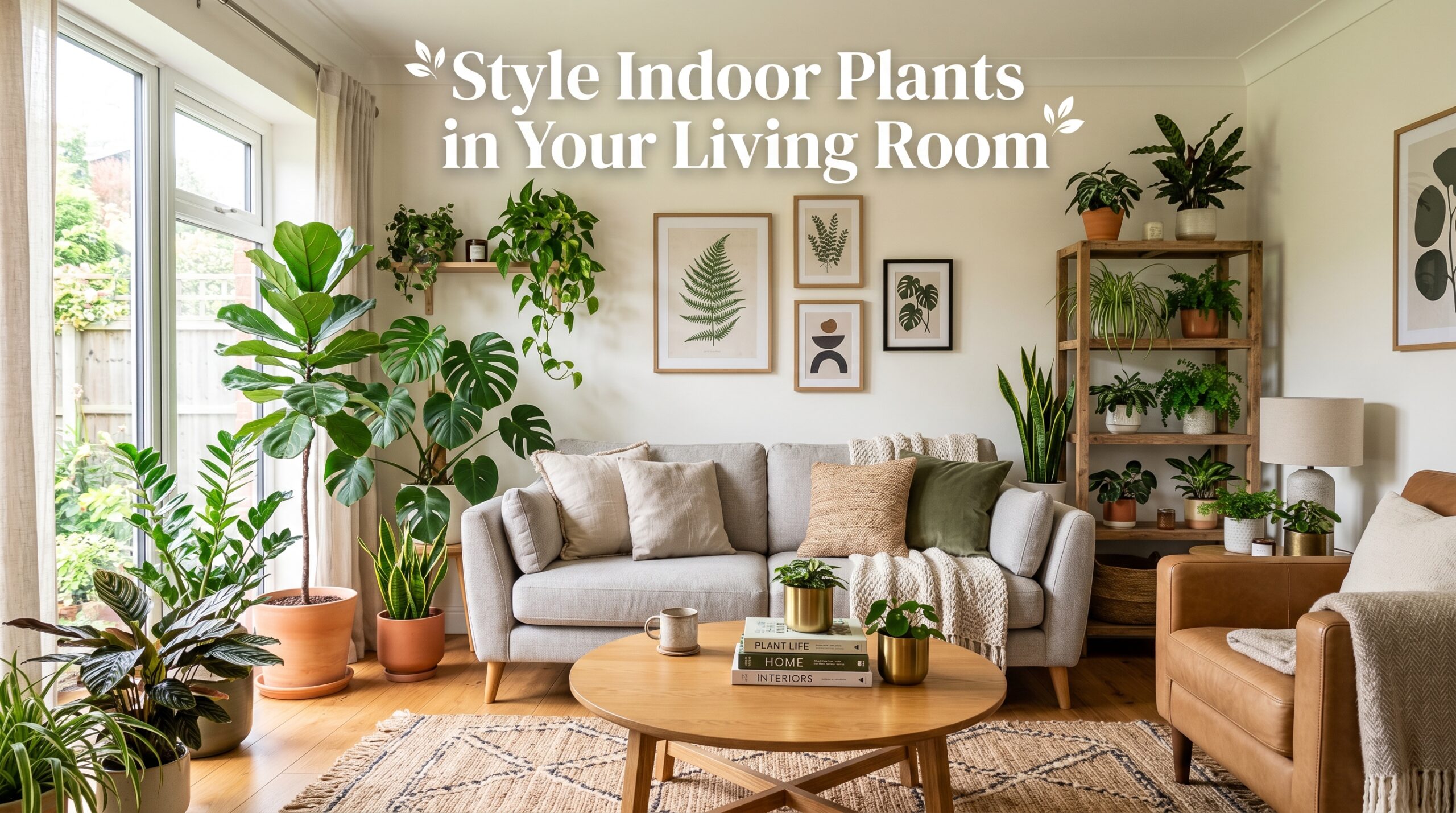
There’s something deeply calming about walking into a living room filled with lush, beautiful plants it instantly feels more alive, more intentional, and more you. But styling indoor plants isn’t just about buying a few pots and placing them randomly around the room. Done right, indoor plant styling transforms your living space into a gorgeous, magazine-worthy interior that feels both effortless and deeply personal. Whether you’re a seasoned plant parent or just starting your green journey, this guide covers everything you need to style indoor plants in your living room like a true interior design pro in 2026.
What Is Indoor Plant Styling?
Indoor plant styling is the intentional art of arranging houseplants within a living space to enhance the room’s aesthetic, atmosphere, and visual balance. It goes beyond simply owning plants it’s about choosing the right species for your light conditions, selecting planters that complement your decor style, and arranging plants at varying heights and groupings to create visual interest. Interior designers treat plants as living decor elements with the same weight as furniture, artwork, and textiles. In 2026, indoor plant styling has become one of the most searched home decor topics on Pinterest and Google, driven by the growing biophilic design movement a design philosophy that intentionally connects interior spaces with the natural world.
Why Styling Indoor Plants Matters More Than You Think
A beautifully styled indoor plant arrangement does far more than just look pretty — it fundamentally changes how a room feels to live in. Research consistently shows that indoor plants reduce stress, improve air quality, boost mood, and increase productivity, making them one of the most impactful additions to any living room. From a design perspective, plants add texture, color, and organic movement that softens the hard lines of furniture and architecture. In 2026, the biophilic interior trend is stronger than ever, with homeowners and renters actively seeking ways to bring nature indoors through curated plant displays, hanging installations, and statement botanical pieces. A well-styled plant corner can become the most photographed spot in your entire home.
Also Read: How to Style a Dresser in Your Bedroom Easy Decor Ideas
Best Indoor Plants for Living Room Styling in 2026
Statement Floor Plants
Large floor plants are the anchor pieces of any stunning indoor plant display — they fill vertical space, add drama, and immediately communicate that a space is thoughtfully designed. The Fiddle Leaf Fig remains a perennial favorite for its bold, architectural leaves, while the Bird of Paradise is dominating 2026 interior trends with its tropical, oversized foliage. Monstera Deliciosa continues to be one of the most popular and visually impactful floor plants, beloved for its distinctive split leaves and effortless drama. Place these in a large ceramic, terracotta, or woven basket planter in a bright corner near a window for the most stunning visual impact.
Medium Shelf and Table Plants
Medium-sized plants are the workhorses of living room plant styling — they fill surfaces, add layers, and create the lush, abundant feeling that makes a space feel truly alive. Pothos, Philodendrons, Rubber Plants, and Peace Lilies are all excellent choices for shelves, sideboards, and coffee tables. In 2026, the trend is toward mixing trailing plants that drape elegantly over shelf edges with more upright varieties that add vertical interest. A Pothos cascading from a floating shelf alongside a compact Rubber Plant in a terracotta pot creates exactly the kind of effortless, layered look that floods Pinterest boards every season.
Trailing and Hanging Plants
Hanging and trailing plants add a dimension of living room plant styling that no other design element can replicate — downward movement, ceiling interest, and a sense of lush abundance. String of Pearls, Heartleaf Philodendron, and Tradescantia (Spiderwort) are among the most gorgeous trailing varieties for hanging planters and elevated shelving. In 2026, macramé hangers are making a strong comeback alongside modern minimalist ceiling hooks in matte black or brushed brass finishes. Hanging a cluster of two or three trailing plants at varying heights near a window creates a breathtaking, botanical curtain effect that is endlessly Pinterest-worthy.
Small Accent Plants
Small plants are the finishing touches that pull a plant styling scheme together — they fill gaps, add variety, and allow for maximum creativity with color, texture, and pot selection. Succulents, cacti, Air Plants (Tillandsia), and small Ferns are perfect accent choices for window sills, bookshelves, and side tables. In 2026, the trend is toward grouping three to five small plants together in varying pot sizes and heights rather than placing a single small plant in isolation, which tends to look lost and unintentional. A curated cluster of terracotta pots with succulents and small trailing plants is one of the most shared indoor plant styling ideas on Pinterest.
10 Gorgeous Indoor Plant Styling Ideas for Your Living Room
1. The Plant Corner Moment
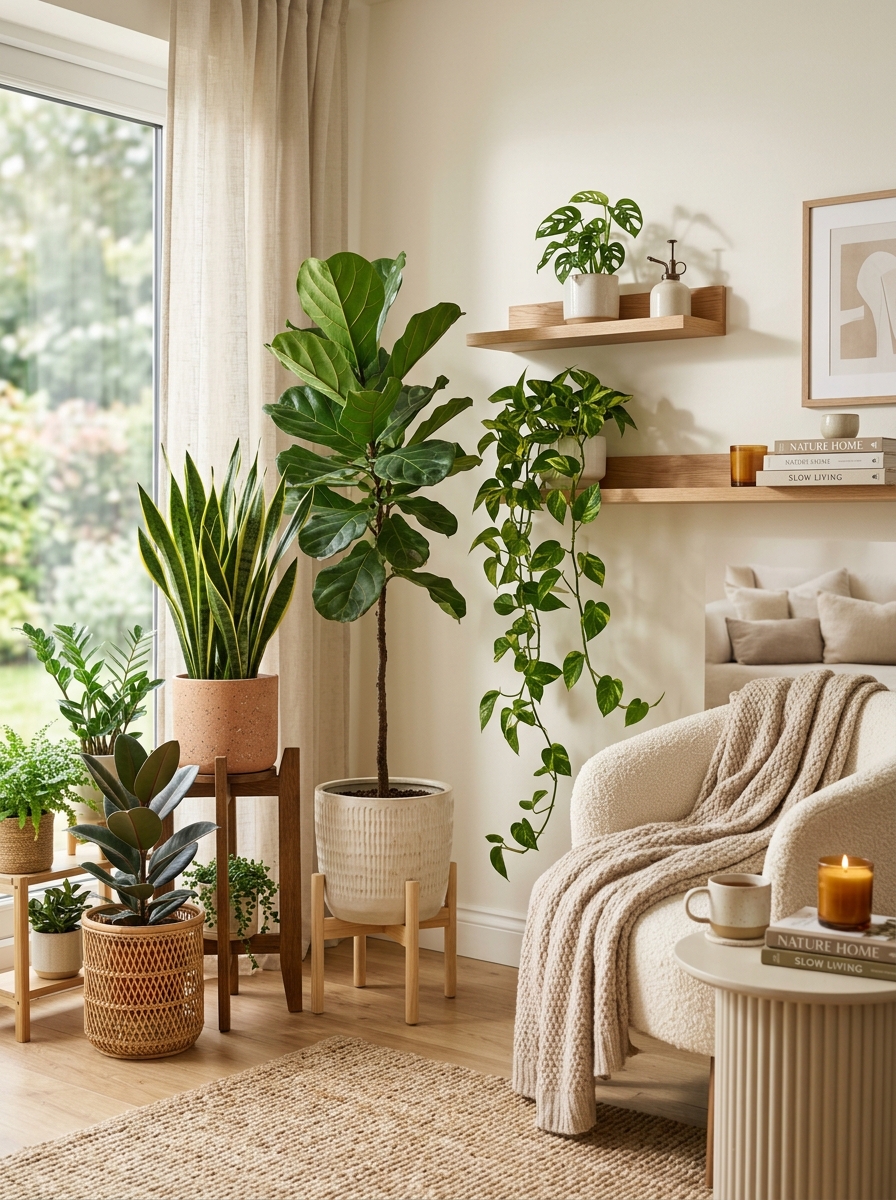
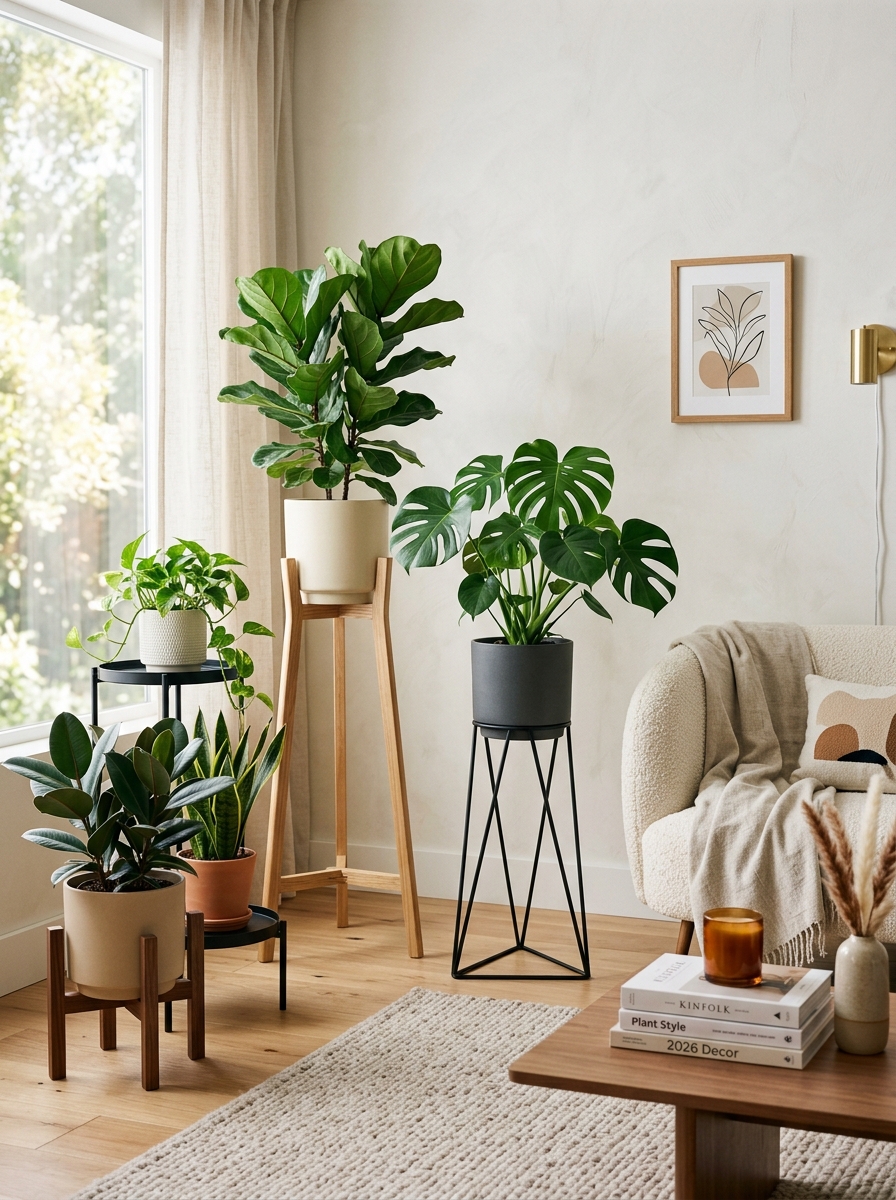
Create a dedicated plant corner by clustering your largest floor plant — a Monstera, Fiddle Leaf Fig, or Bird of Paradise — with two or three medium plants in coordinating pots at varying heights. Add a simple wooden plant stand or stacked vintage crates to create levels. This intentional “moment” in your living room becomes a natural focal point that feels lush, curated, and deeply satisfying. It’s one of the most pinned and saved indoor plant decoration ideas across all of Pinterest — and it works in any living room size.
2. Floating Shelf Plant Gallery
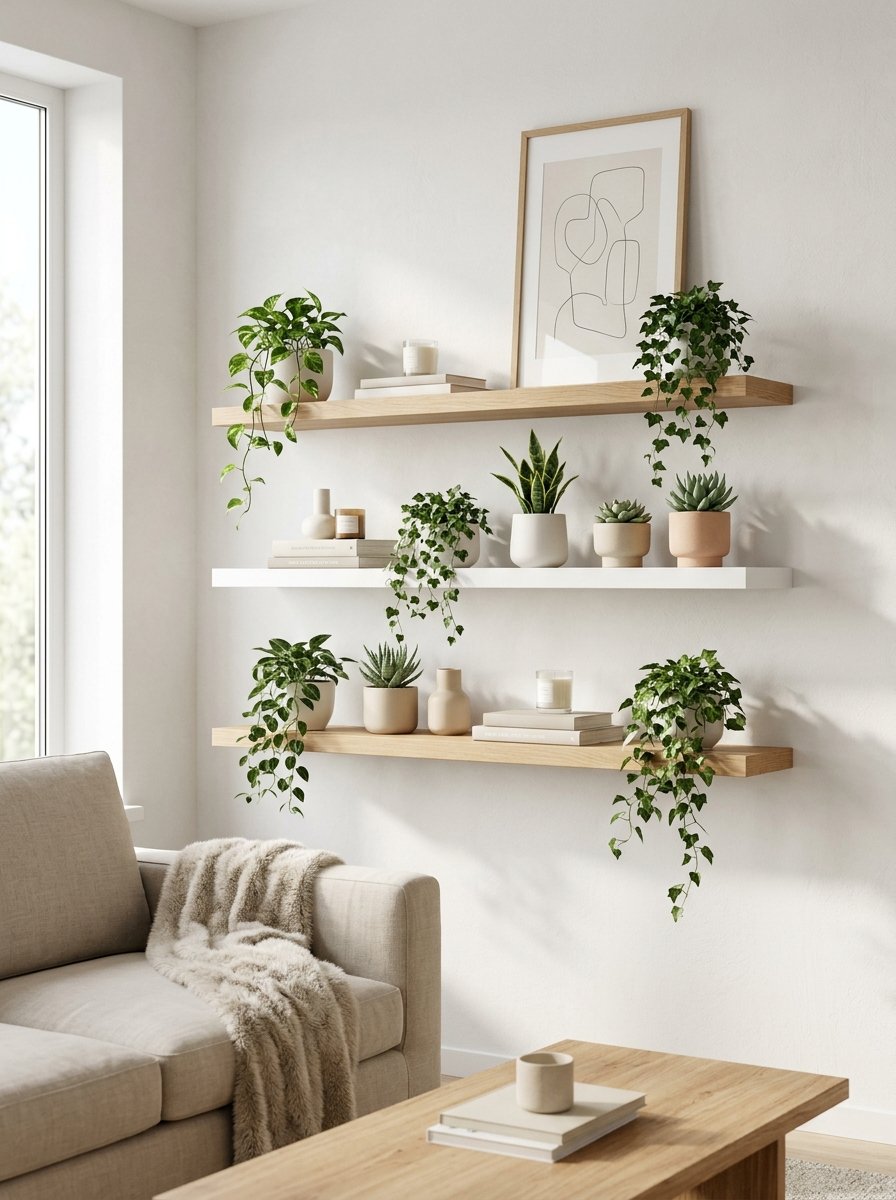
Install two or three floating wooden shelves on a blank wall and style them with a mix of trailing plants, upright plants, and small succulents alongside books, candles, and decorative objects. The key is varying the plant heights and allowing trailing varieties to drape naturally over the shelf edges. This creates a living gallery wall effect that combines art and nature in the most effortlessly stylish way. In 2026, mixed material shelves — raw wood paired with black metal brackets — are the most popular choice for this look.
3. The Window Ledge Jungle
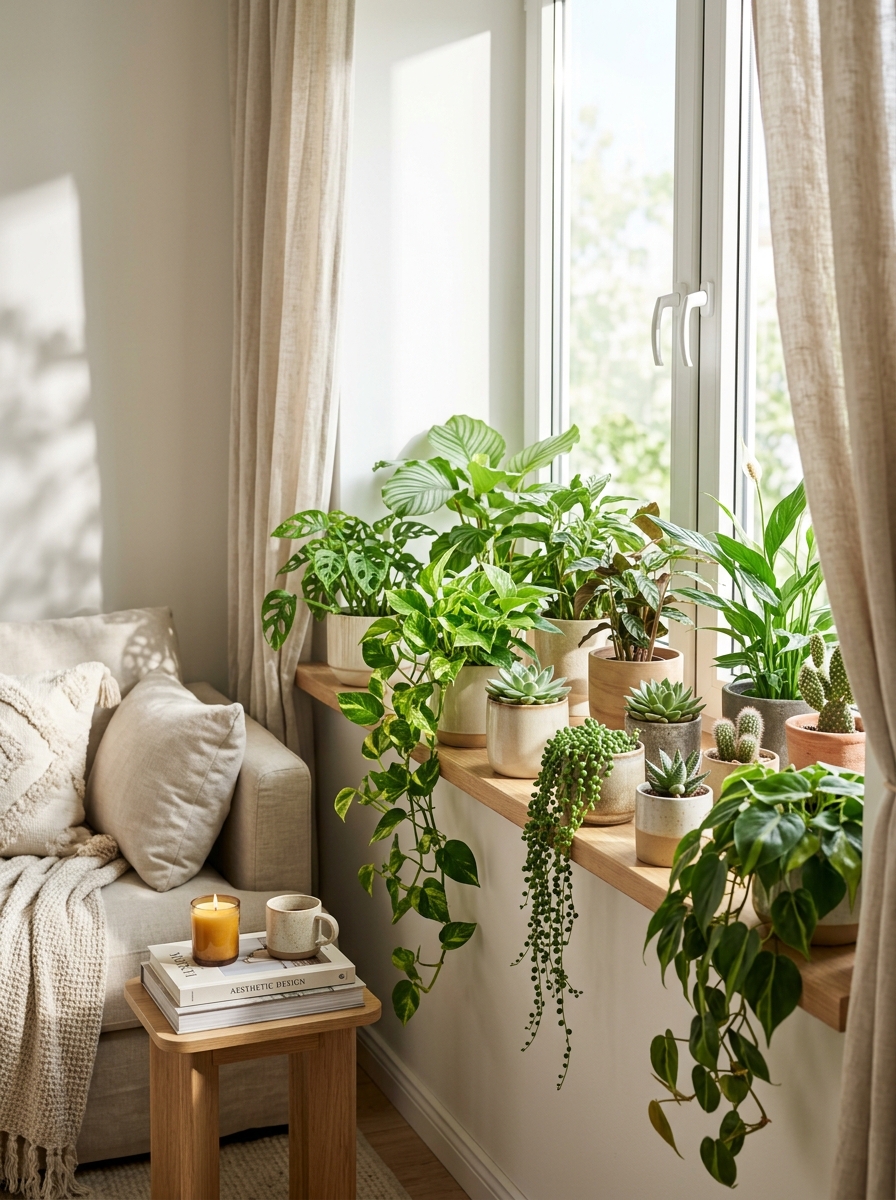
Transform a sunny window ledge into a mini indoor jungle by lining it with small to medium plants that thrive in bright, indirect light. Snake Plants, small Pothos, Aloe Vera, and trailing String of Pearls are all perfect candidates. The natural backlight from the window creates a stunning silhouette effect, especially in morning light. Layer plants at different heights using small risers or stacked books to keep the display looking dynamic rather than flat. This is an especially beautiful idea for apartments where floor space is limited.
4. The Statement Single Plant
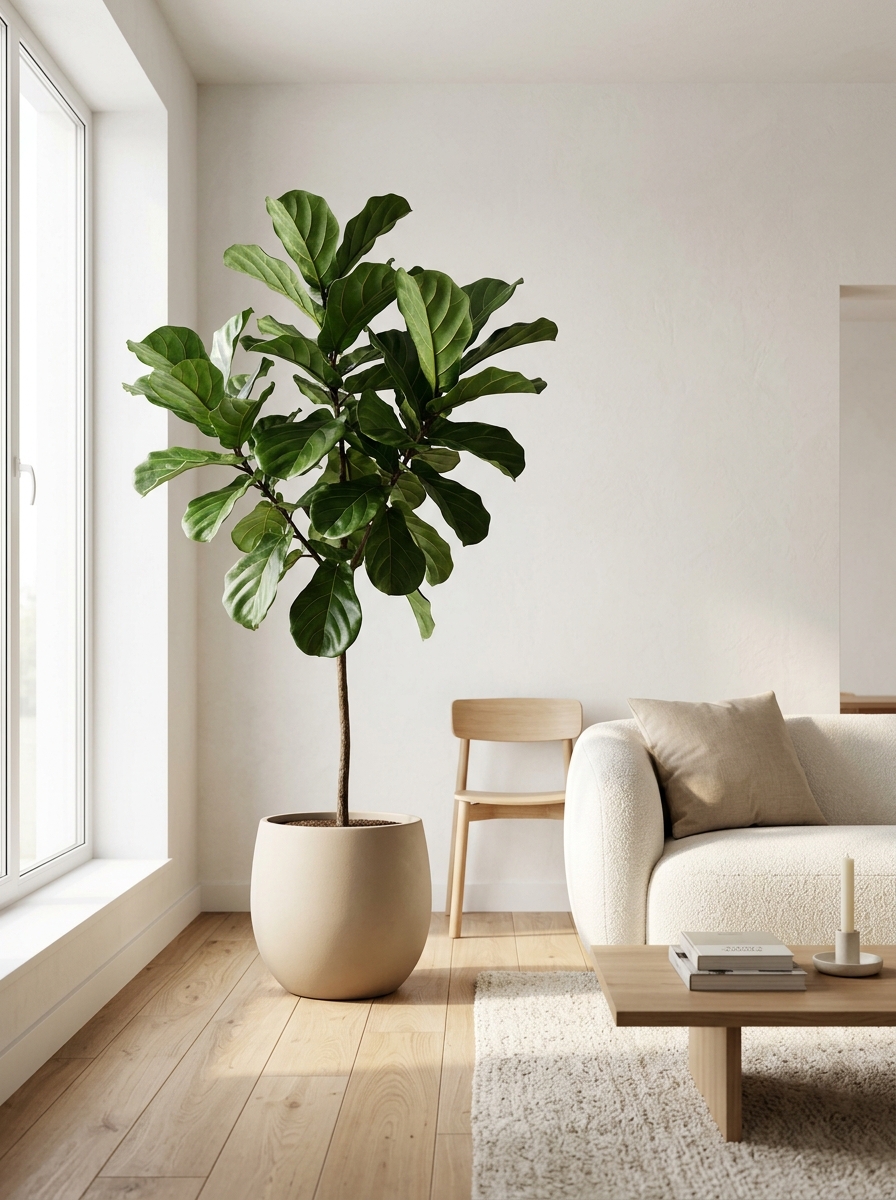
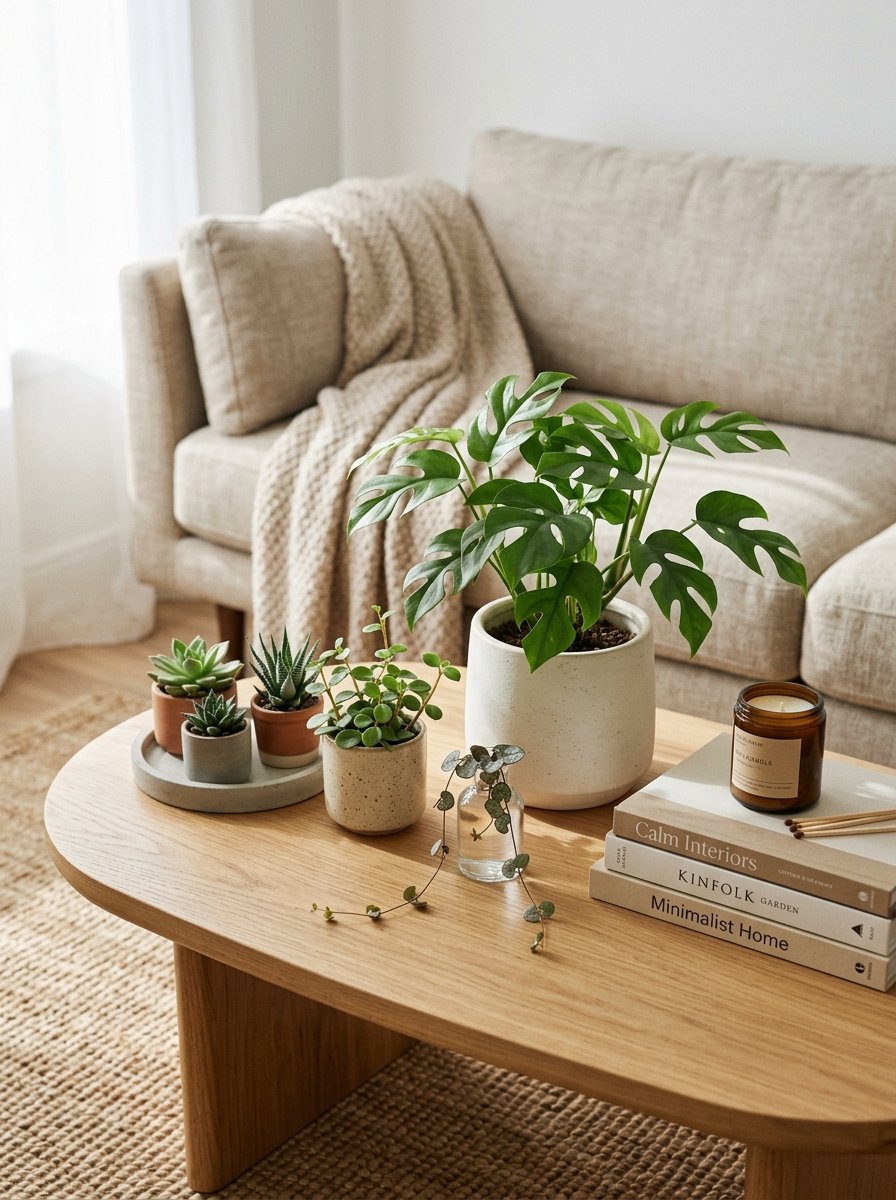
Sometimes the most powerful plant styling choice is restraint — one truly stunning, oversized plant placed deliberately in the room. A full, mature Monstera Deliciosa in a beautiful handmade ceramic pot placed in a bright corner beside a sofa makes an unforgettable statement without visual clutter. This approach works brilliantly in modern, minimalist, and Scandinavian-inspired interiors where every element earns its place. Choose a pot that genuinely excites you — handcrafted ceramics, textured stone effect, or architectural geometric designs all photograph beautifully and elevate the plant’s natural drama.
5. The Bookshelf Biome
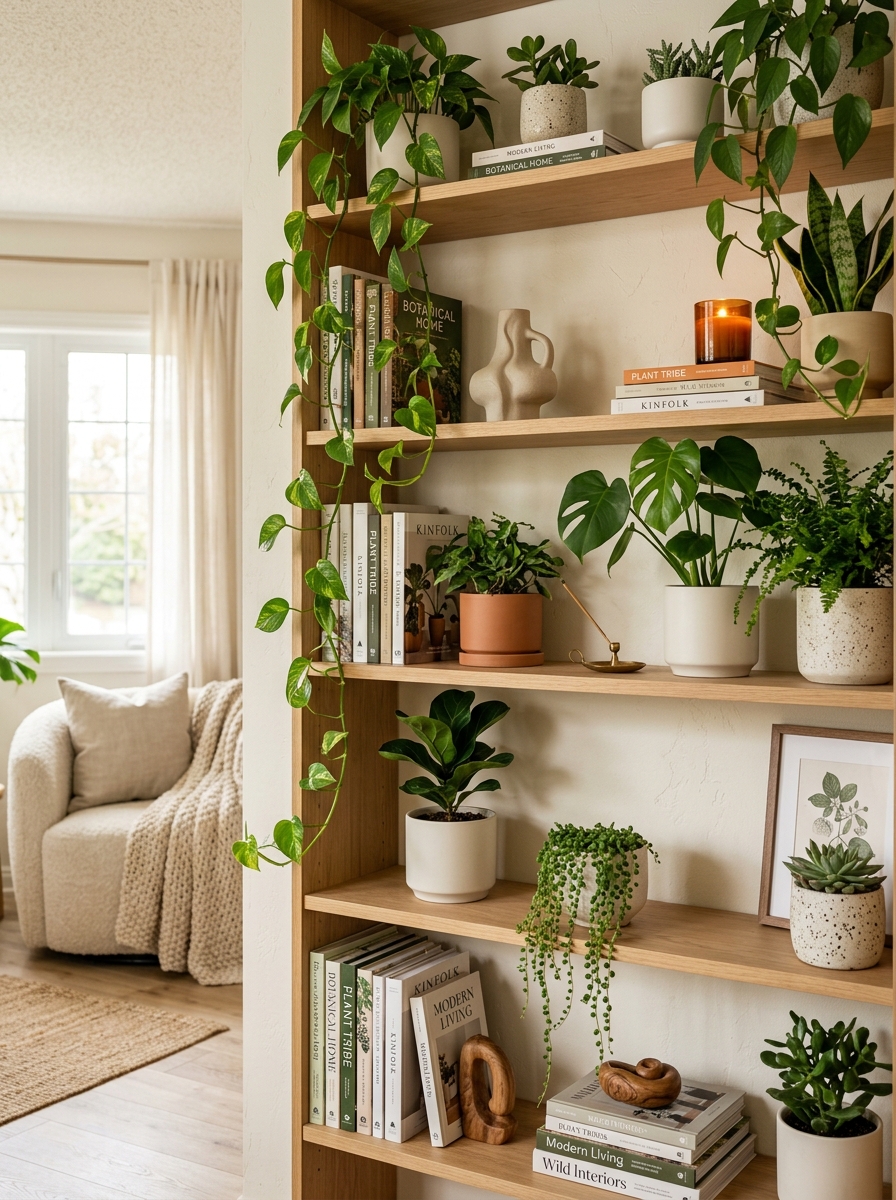
A bookshelf styled with a curated mix of books, plants, and decorative objects is one of the most enduringly popular and Pinterest-friendly interior ideas of 2026. Tuck small Pothos or Heartleaf Philodendrons between books to trail naturally down the shelves. Add a compact Snake Plant or ZZ Plant on a mid-shelf for structural contrast. The interplay between the organic softness of the plants and the linear order of books creates a perfectly balanced, lived-in aesthetic that feels both intellectual and deeply stylish. Style in odd numbers for the most visually pleasing result.
6. Plant Stands as Design Elements
Investing in beautiful plant stands transforms your indoor plant styling from basic to genuinely professional. In 2026, the most coveted plant stand styles include rattan and bamboo for a warm, organic feel, matte black metal for a modern industrial edge, and sculptural wooden turned stands for a Scandi-inspired look. Use plant stands at three different heights to create visual flow and movement across a styled plant grouping. A trio of different stand styles — all within the same material family — creates an effortlessly curated look that feels designed rather than accidental.
7. The Bathroom-to-Living Room Crossover Plants
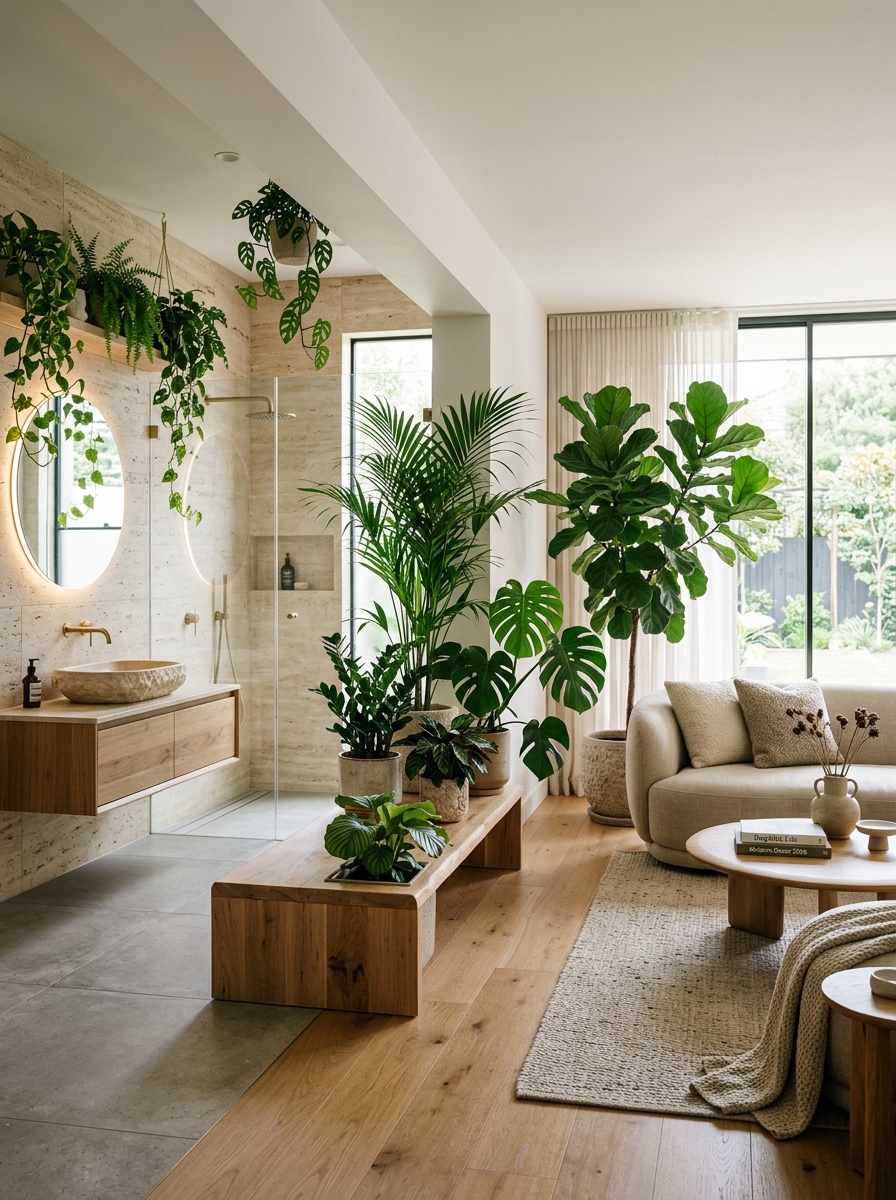
Certain humidity-loving plants that thrive in bathrooms — like Ferns, Peace Lilies, and certain Orchids — can also add incredible lushness to living rooms with good airflow and indirect light. Grouping a Boston Fern on a plant stand beside a Peace Lily in a wicker planter, accented by a small orchid on the coffee table, creates a spa-like, serene corner that feels both tropical and refined. Misting these plants regularly keeps them looking full and healthy. This kind of lush, leafy vignette is consistently one of the most saved living room plant styling inspirations on Pinterest.
8. Terracotta and Earthy Pot Grouping
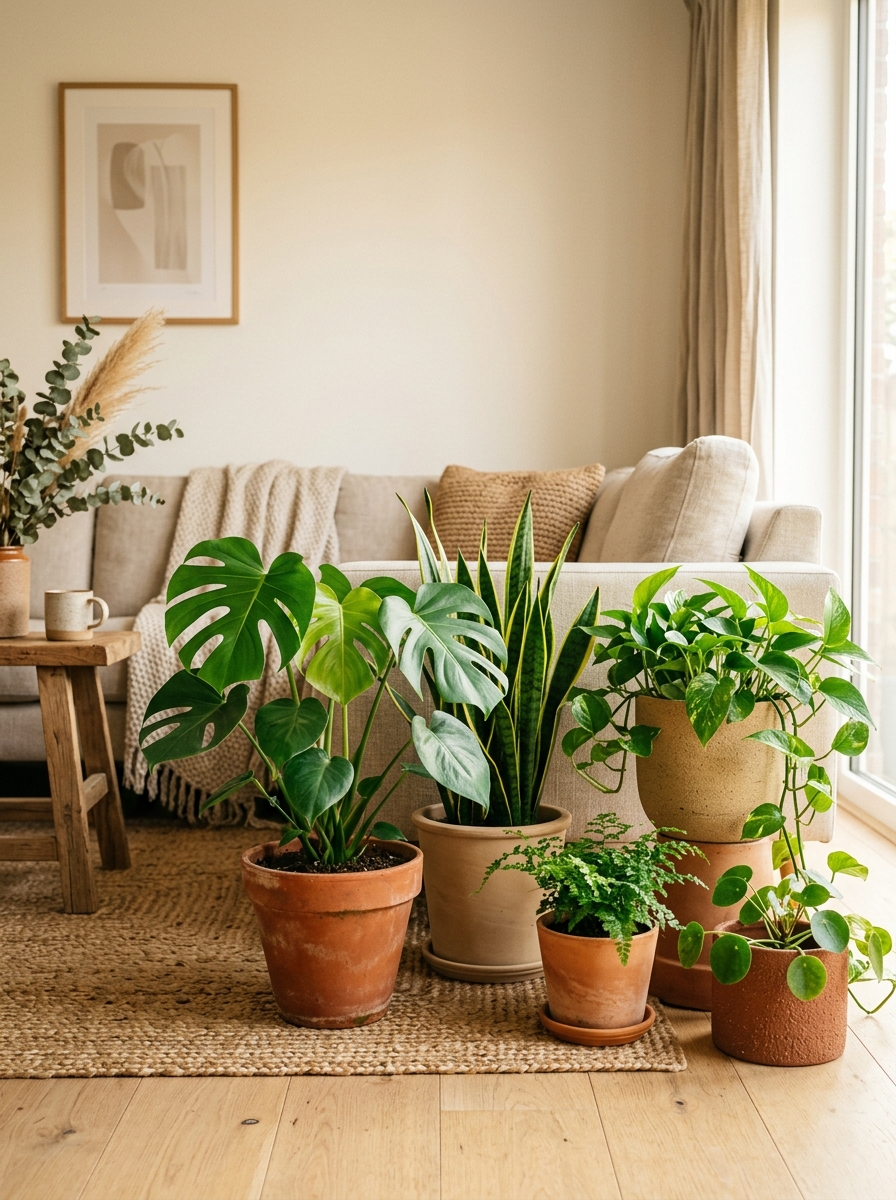
The terracotta pot trend is far from over in 2026 — in fact, it’s evolved and diversified. Mix classic unglazed terracotta with aged terracotta, painted terracotta in soft clay tones, and terracotta with decorative embossing for a layered, collected-over-time look. Group five to seven terracotta pots of varying sizes on a tray or wooden board to create a cohesive, earthy plant display. This warm, grounded aesthetic pairs beautifully with linen sofas, wooden furniture, and jute rugs — the foundational ingredients of 2026’s most pinned living room aesthetics.
9. The High-Low Hanging Installation
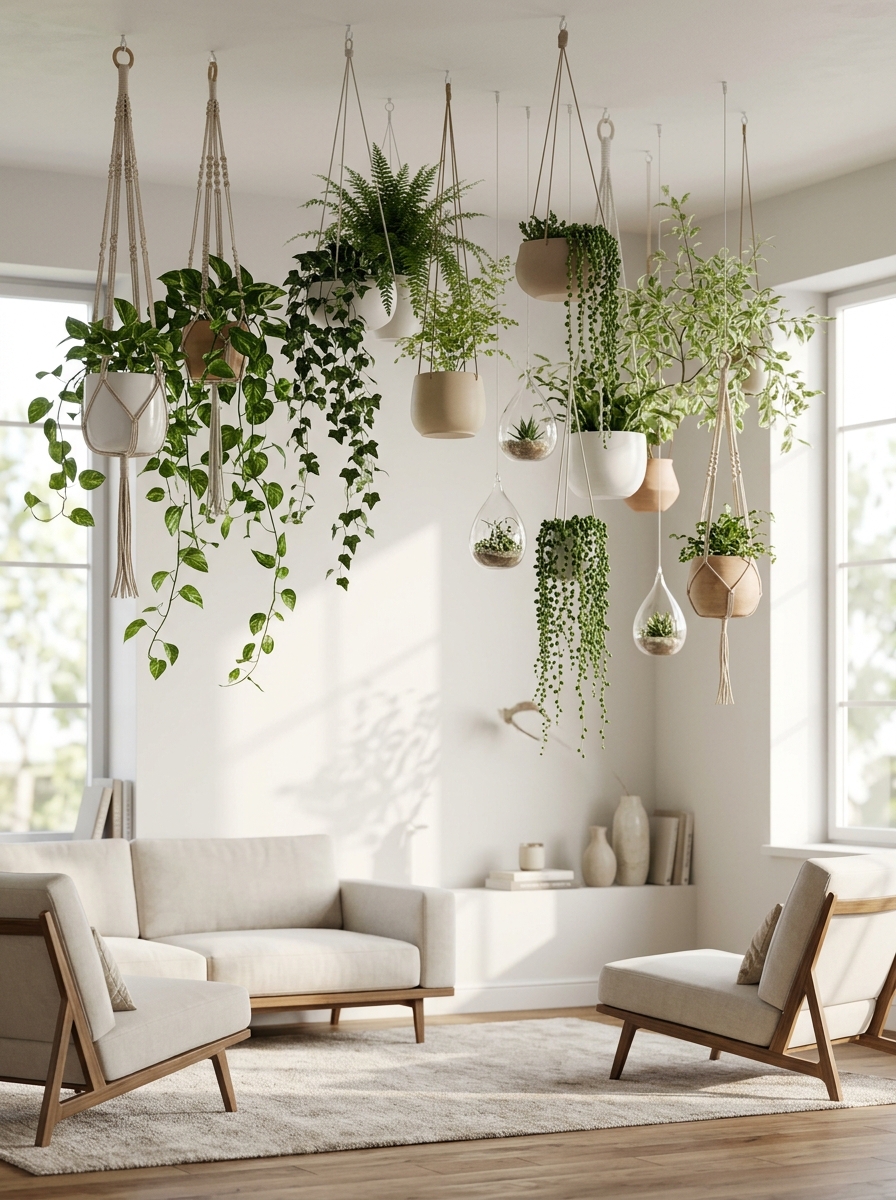
For living rooms with high ceilings, a hanging plant installation creates a breathtaking focal point that uses vertical space most people completely ignore. Hang three to five trailing plants at varying heights using ceiling hooks and macramé or leather cord hangers. Alternate between fuller plants like Pothos and more delicate trailers like String of Hearts for textural variety. This installation works especially well above a reading nook, beside a floor lamp, or in a corner that otherwise feels empty and underused. It’s genuinely one of the most stunning indoor plant decoration ideas available for any living room.
10. The Coffee Table Plant Moment
Your coffee table is prime styling real estate, and adding a small plant to the vignette instantly makes the whole arrangement feel more alive and intentional. A small sculptural cactus, a compact succulent arrangement, or a tiny Peperomia in a beautiful pot alongside a candle, a stack of design books, and a decorative tray creates a perfectly balanced coffee table display. In 2026, low, spreading plants like Peperomia Watermelon or small Alocasia varieties are trending for coffee table styling. Keep the plant small enough that it doesn’t obstruct conversation across the table.
How To Style Indoor Plants Like a Pro: Step-by-Step
Step 1: Assess your light conditions. Before buying a single plant, identify where your natural light comes from and how strong it is throughout the day. South and west-facing windows offer bright, direct light suitable for most tropicals and succulents. North-facing rooms need low-light champions like Pothos, Snake Plants, and ZZ Plants.
Step 2: Choose a design style and stick to it. Your plant styling should complement your existing interior aesthetic. Bohemian spaces suit macramé hangers, terracotta, and rattan. Minimalist interiors call for simple white or concrete pots with architectural plants. Maximalist rooms can handle lush, layered plant arrangements in bold, patterned ceramics.
Step 3: Create visual height and depth. Professional plant styling always uses varying heights to create dynamic, layered displays. Combine floor plants, mid-height plants on stands, shelf plants, and hanging plants within the same room to guide the eye naturally around the space.
Step 4: Group plants in odd numbers. Interior designers consistently recommend grouping plants in threes, fives, or sevens rather than even numbers. Odd-numbered groupings feel more natural, balanced, and visually engaging than symmetrical even pairs.
Step 5: Choose pots that tell a story. Your plant pots are as important as the plants themselves. Invest in beautiful, quality planters that feel cohesive — mixing textures (ceramic, terracotta, woven) within a shared color palette creates a collected, considered look rather than a mismatched one.
Step 6: Style with complementary décor elements. Plants always look best when styled alongside supporting décor — a trailing plant beside a warm-toned floor lamp, a monstera anchoring a gallery wall arrangement, or a shelf plant nestled between books and candles. Plants as part of a vignette always outperform plants placed in isolation.
Pro Tips for Keeping Your Styled Plants Looking Gorgeous
Rotate your plants regularly. Plants naturally grow toward their light source, which can create lopsided, uneven growth over time. Rotating each plant a quarter turn every one to two weeks ensures symmetrical, full growth that looks intentional and polished from every angle.
Clean your plant leaves. Dusty leaves look dull in person and photograph poorly — gently wiping large leaves with a damp cloth every few weeks keeps them glossy, healthy, and genuinely stunning. This is the single most underrated plant styling tip that professional plant stylists swear by.
Use pot saucers and cache pots. Protecting your surfaces from water damage with pot saucers is practical, but using cache pots (decorative outer pots that hold the grow pot inside) gives you maximum styling flexibility. You can swap the outer pot for seasonal updates without repotting the plant.
Match pot colors to your room’s palette. Your plant pots should feel like part of your room’s color story. In 2026, the most popular pot color palettes for living rooms include warm terracotta and cream, matte sage and stone, black and natural wood, and blush and gold.
Mistakes To Avoid When Styling Indoor Plants
Buying plants that don’t match your light conditions. This is the single most common and costly mistake plant owners make. A Fiddle Leaf Fig in a dark corner, or a succulent in a north-facing room with no direct sun, will decline quickly and look anything but gorgeous. Always match plant to light — not plant to aesthetic preference alone.
Using the wrong pot size. A small plant in an oversized pot looks lost and awkward, while a root-bound plant in a pot too small will decline and look stressed. The general rule is to choose a pot one to two inches larger than the plant’s current root ball for healthy, proportional growth and styling success.
Grouping too many plants without hierarchy. Placing fifteen small plants randomly around a room creates visual chaos rather than curated abundance. Professional plant stylists always establish clear hierarchy — one or two statement plants, supported by medium plants, finished with small accents — for a look that feels intentional rather than overwhelming.
Neglecting the pot as a design element. Leaving plants in their plain plastic nursery pots is one of the quickest ways to undermine an otherwise beautiful interior. Even a simple terracotta pot or a woven basket cover transforms the same plant from an afterthought into a genuine design feature. The pot is half the look.
Ignoring plant health in favor of aesthetics. A dying or struggling plant with yellowing leaves, drooping stems, or pest damage looks terrible no matter how beautiful its pot or placement. Healthy plants are always more beautiful than struggling ones — prioritize care over styling, and the aesthetic will naturally follow.
Key Takeaways
- Indoor plant styling is the intentional art of arranging houseplants to enhance a room’s aesthetic, atmosphere, and visual balance — not just placing plants randomly
- Varying heights are the #1 professional technique — combine floor plants, shelf plants, stand plants, and hanging plants for dynamic, layered displays
- Always match plant selection to light conditions first — aesthetics follow function in professional plant styling
- Odd-numbered groupings of three, five, or seven plants consistently create more visually satisfying and natural-looking arrangements than even numbers
- Your plant pots are as important as the plants themselves — invest in quality planters in cohesive materials and colors that complement your interior palette
- In 2026, biophilic design, terracotta aesthetics, botanical installations, and statement floor plants are dominating living room plant styling trends on Pinterest and in interior design
FAQs
Q: What are the best indoor plants for a living room with low light?
Pothos, Snake Plants, ZZ Plants, and Peace Lilies are all stunning low-light champions that thrive in living rooms with limited natural light. They’re also among the easiest plants to keep healthy and well-styled.
Q: How many plants should I have in my living room?
There’s no fixed number — focus on creating balanced, hierarchical groupings rather than hitting a specific count. A living room with one statement floor plant, two medium plants, and three small accents can feel perfectly lush and curated.
Q: What plant pots are trending for living rooms in 2026?
Handcrafted ceramics, aged terracotta, textured stone-effect pots, woven basket covers, and matte black planters are all trending heavily in 2026 living room plant styling.
Q: How do I stop my plant styling from looking cluttered?
Establish a clear hierarchy of plant sizes, limit your color palette to two or three coordinating pot tones, and style plants as part of larger vignettes rather than scattering them randomly around the room.
Q: What is biophilic design and how does it relate to indoor plants?
Biophilic design is an interior design philosophy that intentionally incorporates natural elements — including plants, natural light, and organic materials — into living spaces to support wellbeing. Indoor plant styling is one of its most accessible and impactful expressions.
Q: Can I style indoor plants in a small living room?
Absolutely — floating shelves, hanging planters, window ledge arrangements, and a single statement floor plant are all brilliant space-efficient plant styling ideas for smaller living rooms.
Q: What is the easiest way to make indoor plants look styled rather than random?
Group plants in odd numbers at varying heights, choose coordinating pots within a shared color palette, and always pair plants with complementary décor elements like books, candles, and trays.
Q: How often should I update my indoor plant styling?
Seasonal refreshes — swapping pot covers, moving plants to new locations, or adding seasonal accent plants — keep your living room plant styling feeling fresh and current without a complete overhaul.
Conclusion
Styling indoor plants in your living room is one of the most rewarding, affordable, and genuinely transformative things you can do for your home in 2026. With the right plants, the right pots, and an understanding of light, height, and grouping, any living room can become a lush, gorgeous botanical sanctuary. Start with one beautiful statement plant and build from there — the rest will follow naturally. Save this guide, try one idea this weekend, and watch your living room come beautifully alive. 🌿