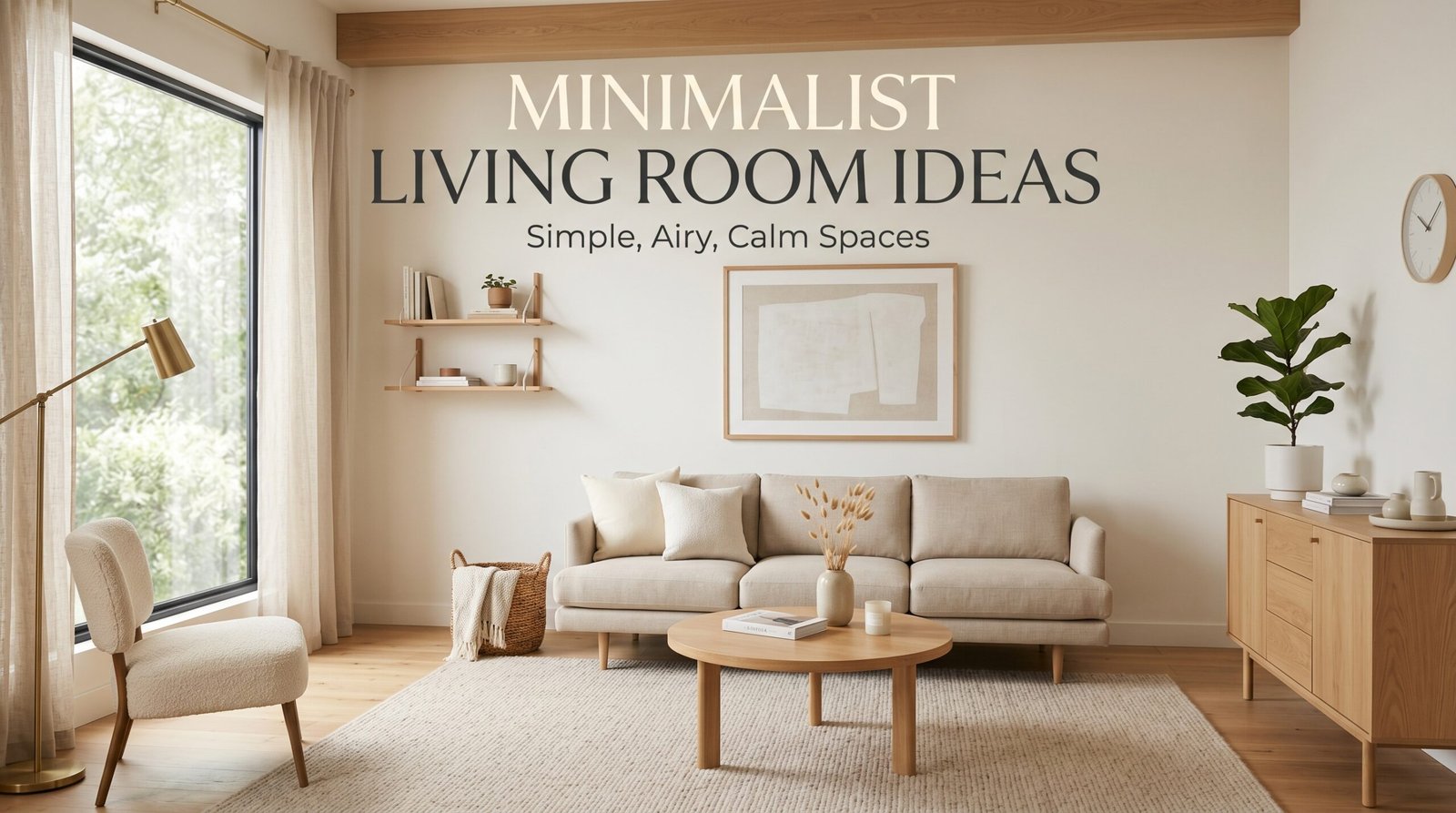
Minimalist Living Room Ideas Less Clutter, More Style
Does your living room feel overwhelming, chaotic, or just too much? You’re not alone and the good news is, the solution might actually be doing less. Minimalist living room design is all about stripping away the unnecessary and letting the beauty of simplicity take center stage. It’s not about cold, empty spaces it’s about creating a calm, intentional environment where every piece of furniture, every decor item, and every design choice feels purposeful and beautiful. Whether you’re starting from scratch or just ready to declutter and refresh, these minimalist living room ideas will help you design a space that breathes, flows, and genuinely feels like home.
What Is a Minimalist Living Room?
A minimalist living room is a thoughtfully curated space built on the principle of “less is more” where function, simplicity, and intentional design take priority over excess. It doesn’t mean your room needs to feel stark, sterile, or uncomfortable quite the opposite. True minimalist interior design embraces clean lines, a neutral color palette, quality over quantity, and negative space as a deliberate design element. Think of brands like IKEA’s minimalist collections, Muji’s philosophy of functional simplicity, or the Scandinavian design aesthetic that has influenced modern home decor for decades. The goal is a living room that feels effortlessly calm, visually balanced, and deeply livable not just aesthetically empty.
Why a Minimalist Living Room Design Matters
In a world of constant noise and overstimulation, your home should be your sanctuary — and a cluttered living room actively works against that. Research consistently shows that cluttered environments increase cortisol levels and reduce your ability to relax, focus, and feel at ease in your own home. A minimalist living room creates a visual calm that allows your mind to decompress the moment you walk through the door, making your home truly restorative. Beyond the mental health benefits, minimalist decor is also incredibly practical — less stuff means less cleaning, less maintenance, and more money saved by buying fewer but better-quality pieces. In 2026, intentional, clutter-free living is not just a design trend — it’s a lifestyle shift that more and more homeowners are embracing wholeheartedly.
Minimalist Living Room Ideas and Inspiration for 2026
Warm Minimalism The Cozy, Inviting Approach
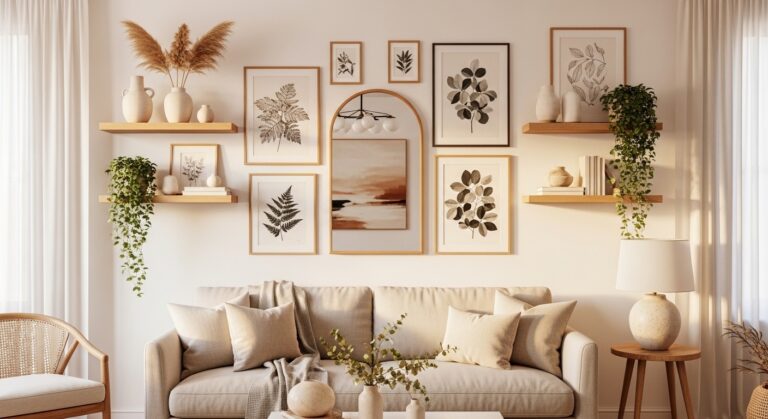
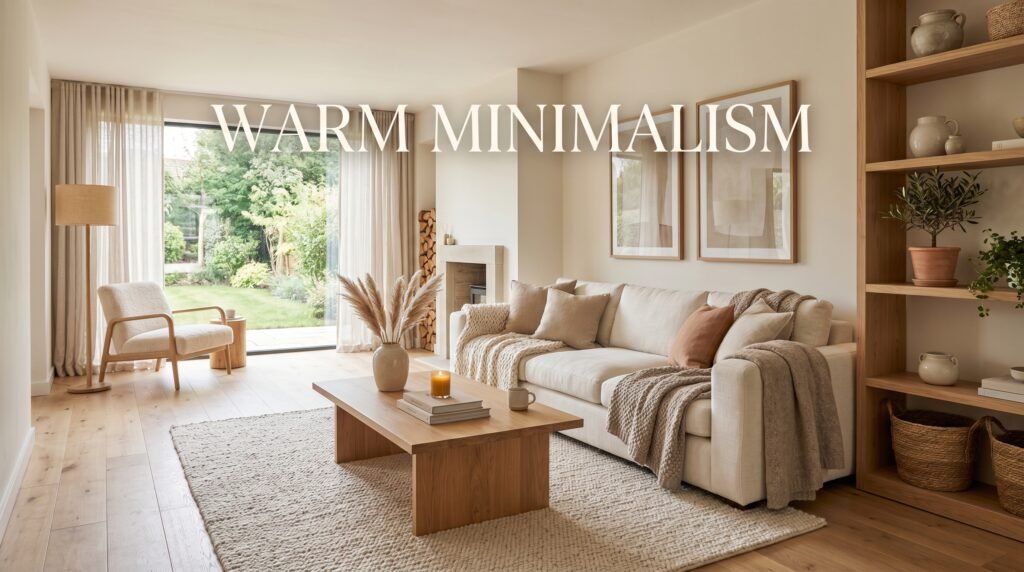
Warm minimalism is the most popular and Pinterest-worthy take on minimalist living room design heading into 2026 and it’s absolutely stunning in its simplicity. This style replaces cold whites and stark greys with warm, earthy tones like warm white, sand, camel, terracotta, and soft clay to create a space that feels cozy and inviting rather than clinical. Choose a natural linen or boucle sofa in a warm cream or oat tone, layer in a chunky wool throw, and add a single trailing plant for organic warmth that softens the clean lines beautifully. Natural materials are everything in warm minimalism raw wood, rattan, stone, jute, and linen work together to create texture and depth without adding visual clutter. The result is a living room that feels like a deep breath calm, warm, and effortlessly gorgeous.
Scandinavian Minimalist Living Room Style
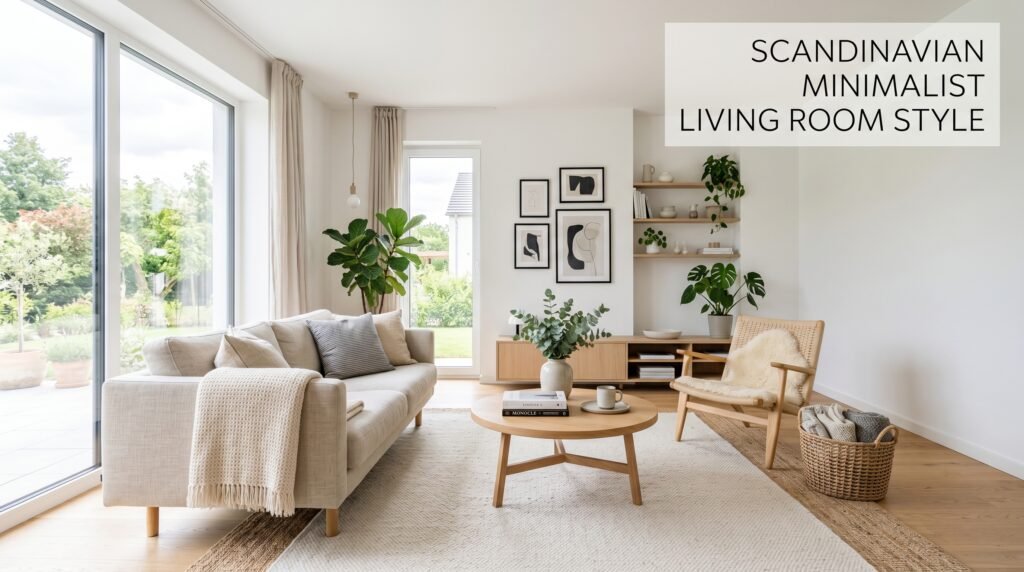
Scandinavian minimalism also known as “Scandi” style is the gold standard of minimalist living room design and continues to dominate interior design inspiration boards worldwide. This aesthetic is built on a foundation of clean-lined furniture with natural wood elements, a muted neutral palette of white, grey, and warm beige, and a strong emphasis on functionality and craftsmanship. Choose a low-profile sofa with tapered wooden legs, add a simple wool area rug in a subtle texture, and keep wall decor to one or two carefully chosen pieces that feel personal and meaningful. The Scandi approach to minimalism embraces hygge — the Danish concept of cozy contentment — which means soft lighting, candles, and natural textiles are not just welcome but essential to the style. This is minimalism that feels lived-in, human, and deeply beautiful.
Japandi Minimalist Living Room Aesthetic
Japandi is the breathtaking design fusion of Japanese minimalism and Scandinavian simplicity — and it’s one of the most trending living room aesthetics of 2026. This style celebrates wabi-sabi, the Japanese philosophy of finding beauty in imperfection and impermanence, combined with Scandi’s love of functional, natural design. Think low-to-the-ground furniture in dark walnut or warm oak, a muted palette of charcoal, warm white, sage green, and clay, and an almost meditative attention to negative space. Every single object in a Japandi living room is intentional — a single ceramic vase, one sculptural plant, a handwoven throw — nothing is decorative without also being meaningful. If you want a minimalist living room that feels deeply serene and visually sophisticated, Japandi is your must-try aesthetic for 2026.
Modern Minimalist Living Room Design
Modern minimalism takes a slightly more structured, architectural approach to the minimalist aesthetic — and the results are consistently stunning and editorial-worthy. This style leans into geometric forms, monochromatic color schemes, and high-contrast moments like a single black-framed artwork against a crisp white wall or a sleek black coffee table against a cream sofa. Materials like concrete, glass, polished stone, and brushed metals sit comfortably alongside softer elements like a plush area rug or a single oversized cushion in a muted tone. The modern minimalist living room is about precision — every line, every proportion, every material choice is deliberate and considered for maximum visual impact. It’s a bold, confident aesthetic that photographs beautifully and creates a truly impressive, design-forward living space.
Minimalist Living Room with Natural Elements
One of the most beautiful and accessible minimalist living room ideas is incorporating natural elements to add warmth, texture, and life without adding clutter. A single large fiddle leaf fig, a monstera, or a sculptural olive tree instantly becomes a living decor focal point that brings the outdoors inside and adds organic movement to the space. Choose one or two natural material accent pieces — a driftwood sculpture, a stone bowl, a handmade ceramic — and let them breathe on a simple shelf or side table without surrounding them with unnecessary items. Natural light is your greatest minimalist design asset — keep window treatments sheer, minimal, or nonexistent to flood the room with gorgeous natural daylight that enhances every neutral tone in the space. This approach to minimalist decor feels grounded, authentic, and endlessly Pinterest-savvy.
How to Create a Minimalist Living Room: Step-by-Step
Step 1: Declutter Ruthlessly
Remove everything from your living room that doesn’t serve a function or bring genuine joy — books you won’t reread, decorative items that were impulse purchases, and duplicate furniture pieces that crowd the space unnecessarily.
Step 2: Choose a Neutral, Cohesive Color Palette
Select two or three core colors for your minimalist living room — a dominant neutral (white, cream, warm grey), a secondary tone (warm beige, sand, soft sage), and one subtle accent color used sparingly in textiles or a single decor piece.
Step 3: Invest in Quality Anchor Pieces
Minimalism is about fewer, better things — invest in one stunning sofa, one well-proportioned coffee table, and one beautiful area rug rather than filling the room with many mediocre pieces that don’t speak to each other visually.
Step 4: Embrace Negative Space
Resist the urge to fill every corner, shelf, and surface — empty space is a deliberate design choice in minimalism that gives the eye somewhere to rest and makes each curated piece feel more impactful and intentional.
Step 5: Edit Your Decor to a Curated Few
Keep decorative objects to a maximum of three to five carefully chosen pieces per surface — a single vignette of a candle, a small plant, and one sculptural object is far more impactful than a crowded shelf of random items.
Step 6: Layer Texture, Not Clutter
Add visual interest through texture rather than more stuff — a chunky knit throw, a woven jute rug, a linen sofa, and a smooth ceramic vase create richness and depth while keeping the space visually calm and clean.
Minimalist Living Room Color Palette Ideas
Color choice is one of the most important — and most misunderstood — elements of minimalist living room design. A true minimalist palette doesn’t have to be all white — the most gorgeous minimalist rooms in 2026 are leaning into warm, earthy neutrals that feel sophisticated and deeply livable rather than cold and sterile. Consider a palette of warm white walls paired with a camel or oat-toned sofa, natural wood furniture, and a single sage green or terracotta accent through a throw pillow or a ceramics piece. Monochromatic color schemes work beautifully in minimalist spaces — try layering three or four tones of the same color family (like soft grey, warm grey, and charcoal) for a subtle, tonal look that feels effortlessly chic. The rule of thumb: keep your palette to three colors maximum and let texture do the work of creating visual interest within those tones.
Minimalist Living Room Furniture Essentials
Furniture selection in a minimalist living room is less about quantity and more about choosing the right pieces that balance both form and function beautifully. Your sofa is the most important investment — choose a clean-lined design in a quality, durable fabric like performance linen, boucle, or a tight-woven neutral upholstery that maintains its shape and elegance over time. A slim, understated coffee table in natural wood, stone, or a simple metal frame keeps the center of the room open and uncluttered while providing essential surface space for a curated vignette. Choose multi-functional furniture wherever possible — an upholstered bench that doubles as storage, a side table that also serves as a bedside tray, or nesting tables that can be tucked away when not in use. Every piece of furniture in a minimalist living room should earn its place through both beauty and purpose.
Minimalist Living Room Decor and Styling Tips
Art and Wall Decor in Minimalist Spaces
Wall decor in a minimalist living room should feel intentional, spacious, and deeply considered — not layered, gallery-wall style, with dozens of competing frames. Choose one large-scale art piece as your statement — an oversized abstract canvas in muted tones, a single architectural black-and-white photograph, or a simple line drawing in a clean frame works beautifully. The scale of the artwork matters enormously — one large piece creates far more impact than several small ones scattered across the wall, and it keeps the visual landscape calm and uncluttered. Let the wall around your art breathe — generous negative space on all sides makes the piece feel curated and elevated rather than lost in a crowded composition.
Minimalist Shelf Styling
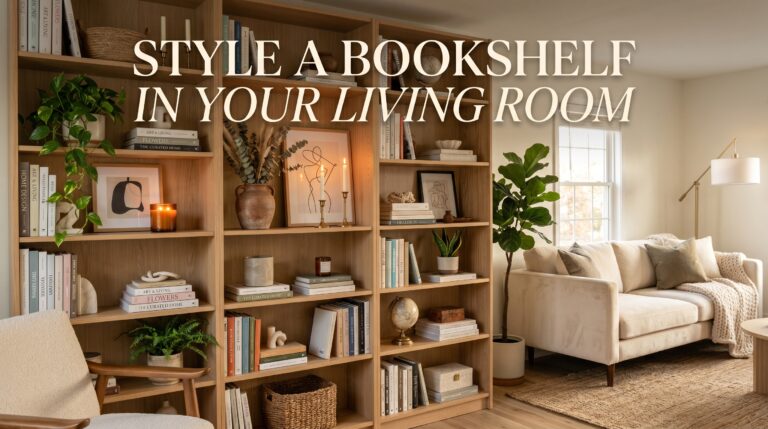
Shelves in minimalist living rooms are where the “less is more” philosophy is tested most directly — and when done right, the results are endlessly Pinterest-worthy and effortlessly chic. Style each shelf with no more than three to five objects, grouped in odd numbers, and vary heights to create natural visual movement across the shelf. Mix materials intentionally — a stack of books, a small ceramic vessel, a trailing plant, and a single sculptural object create a curated look that feels thoughtful rather than random or overcrowded. Leave at least one-third of each shelf completely empty — that negative space is what makes the styled items feel special and intentional rather than cluttered and haphazard. Resist the temptation to fill every inch — restraint is the true skill of minimalist decor styling.
Minimalist Lighting Ideas
Lighting is one of the most underrated elements of minimalist living room design — and getting it right can completely transform the atmosphere of the space. Choose clean-lined, sculptural light fixtures that serve as subtle statement pieces: a simple arc floor lamp in warm-toned metal, a pendant light with a handmade ceramic shade, or a slim table lamp with a linen shade all work beautifully within a minimalist aesthetic. Layer your lighting thoughtfully — combine ambient overhead light, a floor lamp for reading, and a few candles or a tabletop lamp for warm evening ambiance that makes the room feel genuinely cozy and livable. Avoid busy, ornate light fixtures with too much decorative detail — in a minimalist living room, lighting fixtures should feel like quiet design moments rather than loud focal points competing with the room’s calm.
Minimalist Living Room Mistakes to Avoid
Making It Too Cold and Sterile
The most common minimalist living room mistake is stripping out so much warmth and personality that the space feels uncomfortable, unlived-in, and frankly uninviting to anyone who enters it. Minimalism should never sacrifice warmth for the sake of emptiness — the goal is calm and intentional, not cold and hospital-like. Counter this by layering in natural textures (linen, wool, wood, rattan), adding warm-toned lighting, and incorporating at least one live plant to bring organic life into the space. A single personal element — a meaningful book, a cherished piece of art, a handmade object — keeps the room feeling human and genuinely inhabited without compromising the minimalist aesthetic.
Choosing the Wrong Storage Solutions
Clutter doesn’t disappear when you practice minimalism — it needs somewhere intentional to go, and choosing the wrong storage approach defeats the entire purpose of the style. Avoid open shelving overloaded with mismatched items, and instead invest in closed storage solutions like a sleek media console with doors, a beautiful storage ottoman, or built-in cabinetry that keeps everyday items hidden and the room visually clean. The best minimalist storage is invisible — furniture that conceals rather than displays is your most powerful tool for maintaining that effortlessly uncluttered look day to day. Designate a specific home for every item in your living room and commit to returning things to their place consistently.
Ignoring Texture and Depth
A flat, textureless minimalist living room is visually boring and one-dimensional — a mistake that makes the space feel unloved rather than intentionally designed. Without the visual richness of texture, a neutral palette reads as dull and flat rather than calm and sophisticated, which is the exact opposite of the minimalist ideal. Layer at least three distinct textures in your minimalist living room — a smooth sofa, a chunky wool throw, a woven jute rug, and a matte ceramic accessory create a rich, tactile environment that keeps the eye engaged without adding clutter. Texture is the secret weapon of stunning minimalist interiors — it adds depth, warmth, and dimension that pure color alone simply cannot achieve.
Overbuying “Minimalist” Products
One of the most ironic minimalist living room mistakes is overbuying minimalist-styled products in an attempt to achieve the look — ending up with more stuff, not less. The minimalist aesthetic has become heavily marketed, leading many people to replace their existing items with new minimalist versions rather than simply editing and curating what they already own. True minimalism starts with subtraction, not addition — before you buy anything new, spend a week removing items from your living room and notice how the space opens up and begins to breathe on its own. The best minimalist living rooms are built on thoughtful curation of fewer, better pieces — not a shopping spree of aesthetically matching minimalist-branded products.
Key Takeaways
- ✅ Minimalist living rooms are about intentional curation, not emptiness — every piece should be both beautiful and purposeful
- ✅ Warm minimalism, Japandi, and Scandi styles are the top minimalist living room trends dominating 2026
- ✅ A cohesive neutral color palette of two to three tones is the foundation of every successful minimalist living room
- ✅ Texture — through linen, wool, wood, rattan, and ceramics — is what prevents minimalist spaces from feeling cold or flat
- ✅ Negative space is a deliberate design choice — resist filling every surface, corner, and shelf as a default
- ✅ Declutter first, style second — true minimalist living room design starts with subtraction, not shopping
Frequently Asked Questions
Q: What is a minimalist living room?
A minimalist living room is a thoughtfully curated, clutter-free space designed around clean lines, neutral tones, and intentional decor choices where every element serves both form and function.
Q: What colors work best in a minimalist living room?
Warm whites, soft creams, warm greys, beige, sand, and muted earthy tones like sage green and terracotta are the best choices for a minimalist living room palette in 2026.
Q: How do I make my living room look minimalist without buying new furniture?
Start by decluttering ruthlessly, removing decorative excess, editing your shelves to three to five items, and rearranging furniture to embrace more negative space throughout the room.
Q: What is the difference between minimalist and Japandi style?
Minimalist style focuses broadly on simplicity and reduction, while Japandi specifically blends Japanese wabi-sabi philosophy with Scandinavian warmth for a more culturally grounded, layered approach.
Q: How do I add warmth to a minimalist living room?
Layer in natural textures like linen, boucle, wool, and rattan, add warm-toned lighting with candles and lamps, incorporate one or two plants, and choose earthy neutral tones over cold whites.
Q: How many decorative items should a minimalist living room have?
Aim for three to five carefully chosen decorative pieces total per surface or shelf, keeping the overall room to fewer than fifteen decorative objects for a truly minimalist feel.
Q: Is minimalism a good style for families with kids?
Yes — minimalism is actually ideal for family living because less clutter means easier cleaning, less visual overwhelm, and a more functional, navigable space for both children and adults.
Q: What’s the best sofa style for a minimalist living room?
A clean-lined sofa with simple geometric forms, a neutral upholstery fabric like linen or boucle, and slim legs in natural wood or brushed metal is the perfect minimalist living room foundation piece.
Conclusion
A minimalist living room isn’t about having less — it’s about making room for what truly matters. Strip away the clutter, embrace intentional beauty, and let your space finally breathe the way it was always meant to. Whether you start with one small declutter session or a full room refresh, every mindful choice brings you closer to the calm, gorgeous living room you deserve. Less really is so much more — and your walls already know it.