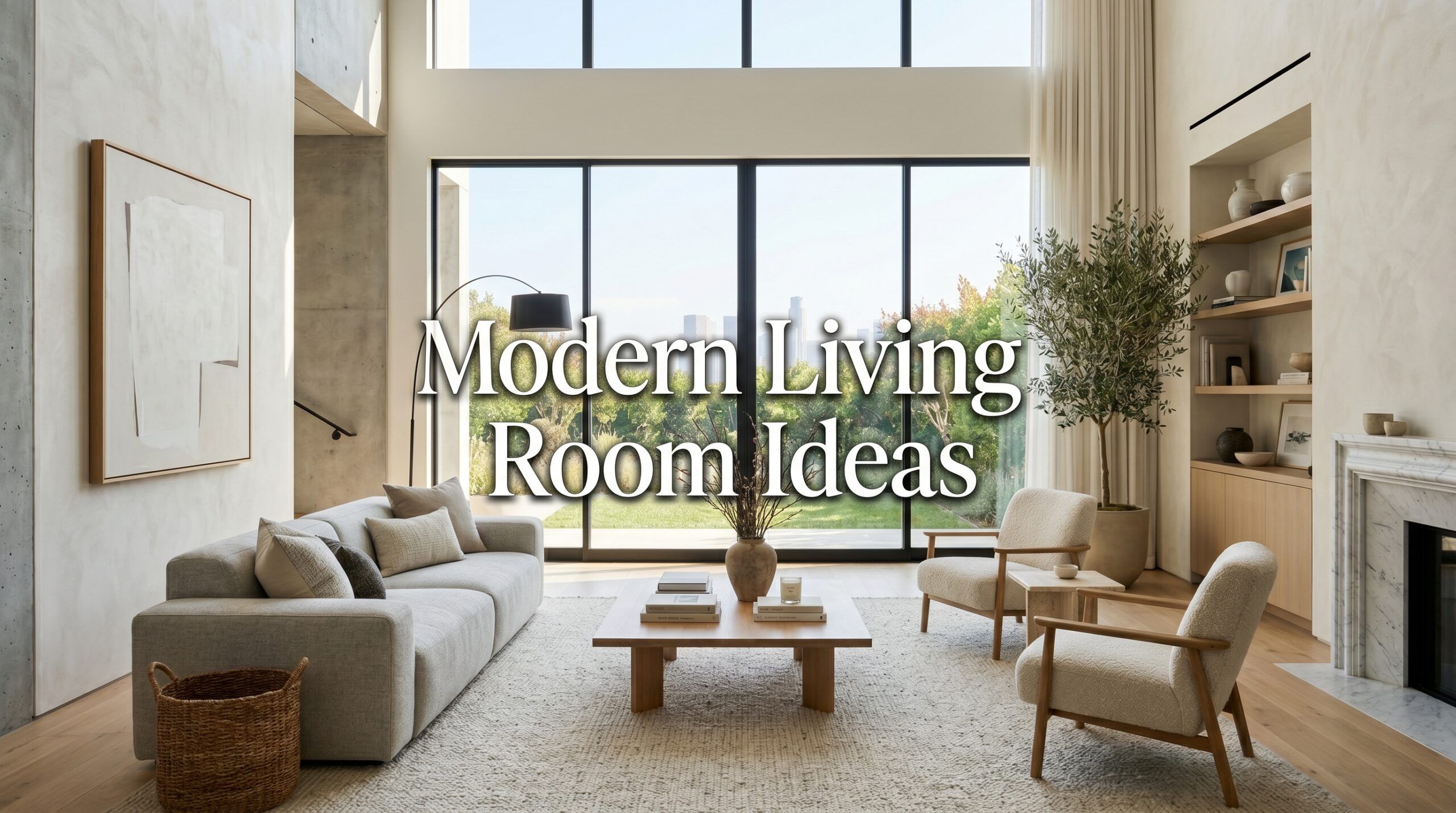
Modern Living Room Ideas for a Sleek and Stylish American Home
Modern Living Room Ideas design creates sophisticated, functional spaces that emphasize clean lines, minimalist aesthetics, and contemporary comfort while reflecting contemporary American lifestyles and design sensibilities. A well-designed modern living room combines sleek furniture, neutral color palettes, smart technology integration, and purposeful spatial planning to establish an environment that feels both visually striking and genuinely livable for the way Americans live today. Whether you’re drawn to minimalist modern design, mid-century modern aesthetics, industrial modern, or contemporary luxury styles, creating a sleek and stylish living room requires understanding modern design principles, making intentional furniture and material selections, and implementing strategic decor choices that elevate your space into a refined retreat.
This comprehensive guide explores everything you need to know about designing modern living room spaces that feel genuinely sleek, authentically stylish, and perfectly suited to contemporary American living, from foundational design concepts and color strategies to furniture selection, lighting design, and practical implementation approaches that transform your living room into a modern sanctuary that impresses while remaining deeply comfortable and functional.
Also Read: Farmhouse Living Room Ideas That Feel Cozy
What Is Modern Living Room Design?
Modern living room design represents an interior design philosophy that emphasizes simplicity, functionality, and contemporary aesthetics while rejecting excessive ornamentation or traditional period-specific design elements. Modern design celebrates clean architectural lines, open spaces, purposeful minimalism, and the strategic use of materials and textures to create visual interest without visual clutter. The modern approach prioritizes form following function—every design element serves a purpose while contributing to the overall aesthetic coherence of the space.
Modern living room design draws from several influential design movements: International Style emphasizing geometric forms and industrial materials, Bauhaus principles combining art and craftsmanship with industrial production, Mid-Century Modern celebrating organic forms and iconic furniture design, Scandinavian Minimalism prioritizing simplicity and functionality with understated elegance, and Contemporary Design reflecting current design trends while maintaining timeless principles. Modern design transcends specific era references, instead focusing on current sensibilities, technological integration, and how contemporary Americans actually live and gather in their homes.
The core principles of modern living room design include clean lines without ornamental detailing, functional minimalism without sterility, neutral color palettes with strategic accent colors, honest material expression showing materials as they are rather than disguising them, emphasis on light and space through open floor plans and strategic window treatments, integration of technology seamlessly into design rather than as visual focus, and a commitment to quality over quantity in furniture and decor selections. Modern living rooms prioritize open sightlines, uncluttered surfaces, and purposeful design choices where every piece has justification for its presence in the space.
Why Modern Design Creates Sleek and Stylish Spaces
Quick Answer: Modern design creates sleek and stylish living rooms through clean geometric lines, minimal visual clutter, neutral sophisticated color palettes, high-quality materials in their honest form, strategic lighting emphasizing space and light, integrated technology, and purposeful furniture selection that prioritizes both function and aesthetic impact.
Modern design naturally creates sleek and stylish atmospheres through several interconnected design principles that work together to establish refined sophistication and contemporary elegance. Understanding why modern style inherently delivers polished visual impact helps you intentionally incorporate these elements into your own living room design.
Clean Geometric Lines and Simplicity
Modern design’s emphasis on clean, unadorned lines creates visual clarity and sophistication that ornate or transitional design cannot match. Straight lines, geometric shapes, and absence of curved embellishments create a streamlined appearance that reads as contemporary and refined. This simplicity achieves visual sophistication through restraint rather than abundance—when every element has purpose and nothing is superfluous, the result appears elevated and intentional. The visual clarity of geometric forms creates a sense of order and control that feels inherently sophisticated to contemporary sensibilities accustomed to minimalist digital interfaces and modern architectural aesthetics.
Strategic Minimalism and Open Space
Modern design’s commitment to minimalism prevents visual chaos and creates breathing room that allows individual design elements to have impact. Rather than filling space with numerous items, modern design selects fewer, higher-quality pieces that become focal points rather than background. This approach creates psychological openness and visual sophistication—spaces feel larger, calmer, and more refined when not overwhelmed with items competing for attention. The strategic emptiness is not stark or cold but rather intentional curation allowing the space itself to become an element of the design rather than merely a container for furnishings.
Neutral Sophisticated Color Palettes
Modern color schemes typically employ sophisticated neutrals—warm grays, soft whites, warm beiges, taupe, charcoal, and black—often punctuated with single accent colors or materials introducing interest. These sophisticated neutrals create a backdrop allowing architecture, materials, and selective decor to shine without chromatic competition. Neutral palettes age gracefully and adapt to evolving personal taste, trends, and seasons without requiring complete redesign. The sophistication comes from careful tone selection and restraint rather than abundance of colors, reflecting the modern principle that less, when carefully chosen, creates more visual impact than numerous competing colors.
Honest Material Expression
Modern design celebrates materials in their authentic form rather than disguising their true nature. Real wood grain visible in furniture, exposed concrete or brick in architectural elements, visible metal framework, genuine stone or ceramic surfaces—these honest material expressions create visual authenticity and tactile richness. Materials are often left unfinished or simply finished to show their inherent beauty and character. This honesty creates sophistication because it reflects quality and integrity—materials are presented as they are, suggesting confidence in their inherent beauty rather than need for elaborate disguise or decoration. The visual interest comes from material contrasts and textures rather than applied ornament.
Strategic Lighting and Emphasis on Space
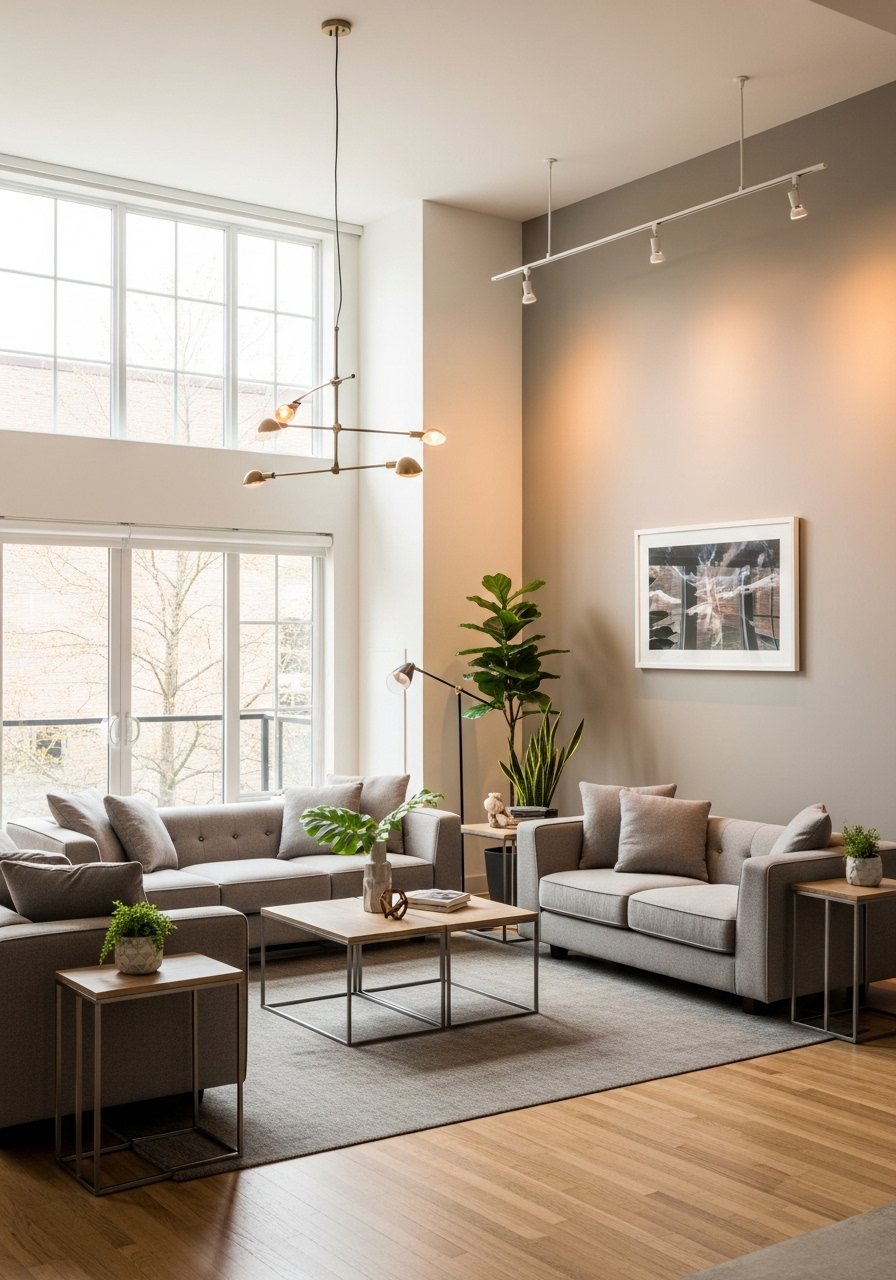
Modern design uses lighting strategically to emphasize spatial qualities, create visual drama, and establish functional brightness without visual clutter. Floor-to-ceiling windows, skylights, and open floor plans maximize natural light and create the sense of expansive space essential to modern aesthetics. Artificial lighting appears integrated into architecture—recessed lighting, track systems, or architectural lighting fixtures become part of the spatial composition rather than obvious decorative objects. Proper lighting highlights architectural clean lines and creates visual drama while maintaining the minimalist aesthetic, supporting rather than cluttering the overall design.
Integrated Technology
Modern living rooms seamlessly integrate technology without allowing it to dominate the visual composition. Televisions mount flush to walls or conceal within architectural elements, audio systems integrate invisibly, and smart home controls operate without obvious visible hardware. This integration reflects how contemporary Americans live—surrounded by technology but not visually defined by it—while maintaining design integrity. The sophisticated approach treats technology as functional necessity rather than design feature, maintaining visual calm while fully supporting contemporary living requirements.
Purposeful Design and Functionality
Every element in modern living room design serves clear functional or aesthetic purpose—nothing exists merely for decoration or tradition. This purposefulness creates sophistication because designs feel intentional and justified rather than arbitrary or trendy. Furniture pieces are selected for functional excellence and aesthetic contribution, not for quantity or matching sets. Decor elements are meaningful rather than generic, and spatial arrangement prioritizes actual living activities rather than architectural formality. This purposefulness creates visual honesty and refinement that reads as genuinely sophisticated and contemporary.
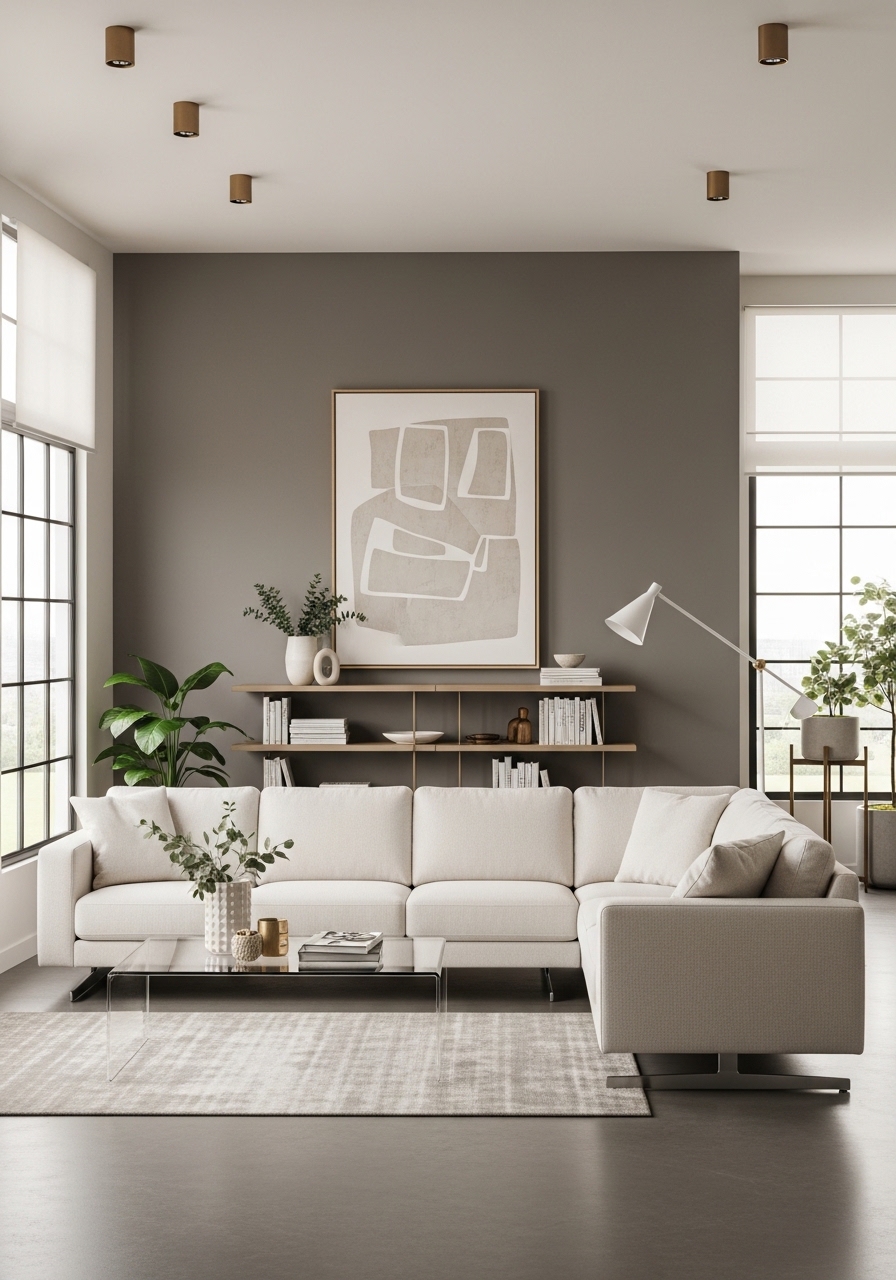
Essential Modern Living Room Color Palettes
Color selection fundamentally influences the success of modern living room design, with palette choices determining whether spaces feel sophisticated and refined or potentially cold and institutional.
Warm Neutral Foundation Colors
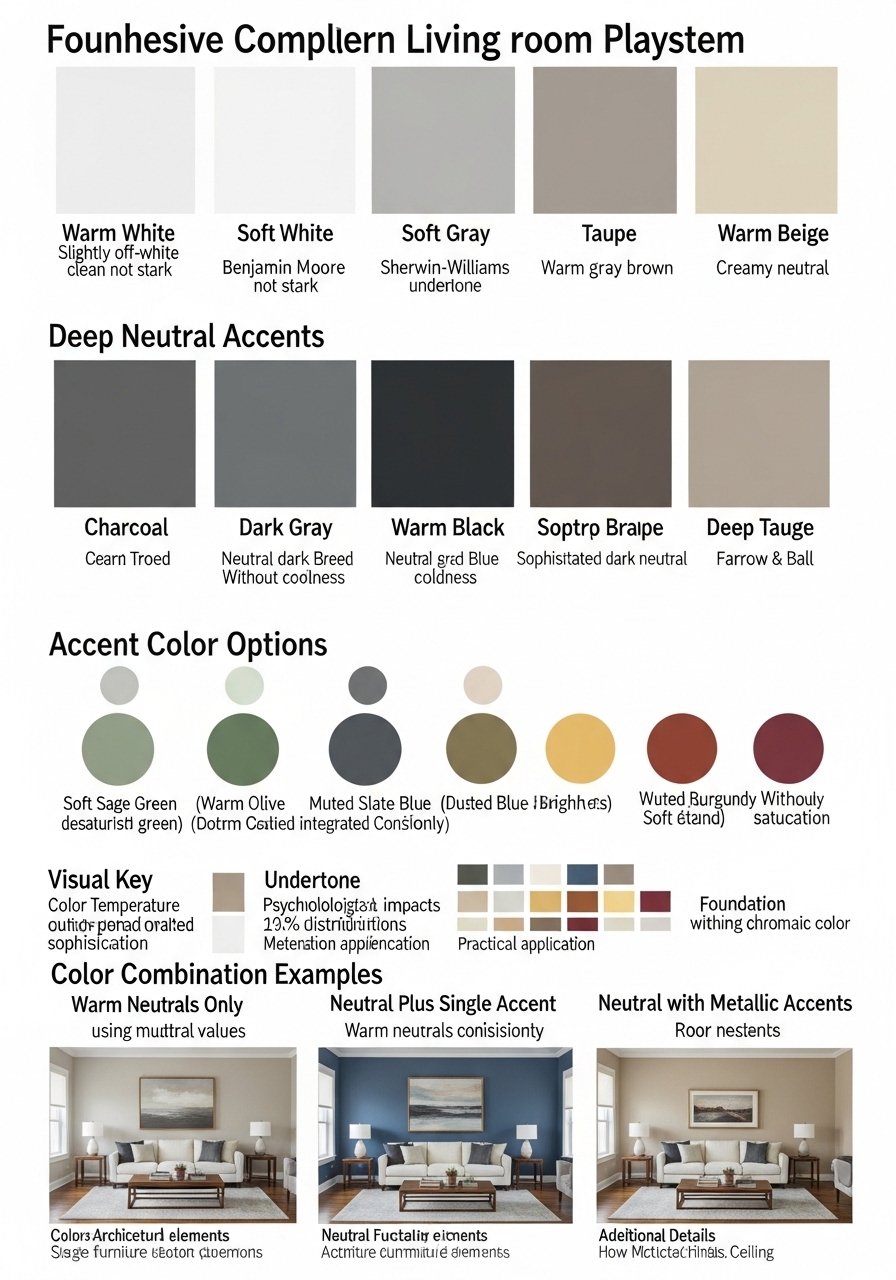
Sophisticated warm neutrals form the foundation of successful modern living rooms, providing neutral backdrops that allow architecture and furnishings to become focal points. Warm grays (grays with subtle beige, warm, or taupe undertones) create elegance without coldness, suitable for walls, large furniture pieces, and architectural elements. Soft whites and ivory tones (avoiding stark pure white that can appear clinical) provide brightness while maintaining warmth. Warm beiges and taupe (deeper neutral tones) add sophistication and allow for more pronounced accent colors without overwhelming the space. These foundational neutral colors create visual continuity while remaining flexible for personal expression through accent colors and material selections.
Deep Neutral Accents and Drama
Charcoal, dark gray, deep taupe, warm black, and other dark neutral tones provide contrast and visual drama without introducing saturated color. These darker neutrals work beautifully as accent walls, for large furniture pieces like sectional sofas, or for architectural features like fireplace surrounds. The contrast between light and dark neutral values creates visual sophistication and depth without requiring vibrant accent colors. Dark neutral accents ground spaces, create focal points, and add the visual weight that prevents lighter neutral palettes from appearing too airy or insubstantial.
Accent Colors: Muted and Sophisticated
While modern living rooms typically remain predominantly neutral, carefully selected accent colors add personality and visual interest. Successful modern accent colors include muted greens (sage, olive, soft forest green), warm grays with undertones, soft blues (pale blue, dusty blue, slate), warm ochre or mustard (in soft desaturated versions), and muted burgundy or wine tones. Accent colors in modern design should feel sophisticated and restrained rather than bright or saturated—they accent rather than dominate. Single accent color used consistently throughout the space (in pillows, artwork, perhaps an accent wall or architectural element) maintains visual coherence while providing personality.
Monochromatic Sophistication
Many modern living rooms employ monochromatic color schemes using different values and tones of single color family creating sophisticated, cohesive aesthetics. All-neutral schemes (varying light to dark neutrals without chromatic color) create refined minimalist spaces where textural variety and material interest provide visual richness. Monochromatic approaches work because they eliminate color competition while allowing values, textures, and materials to become primary visual design elements. This approach particularly suits modern design because it supports rather than competes with architecture and furnishings.
Metallic Accents and Shimmer
Modern design often incorporates metallic finishes—brushed stainless steel, polished chrome, matte gold, rose gold, or aged brass—providing visual interest and subtle shimmer without introducing chromatic color. Metallics appear in furniture hardware, lighting fixtures, decor accents, and architectural elements, catching light and creating visual dynamism. Metallics work particularly well in modern design because they feel contemporary and sophisticated while remaining neutral in color terms, adding visual impact without chromatic boldness.
Modern Furniture Selection and Style
Furniture choices fundamentally define modern living room success, with selections determining whether spaces feel genuinely modern or merely styled with contemporary furniture.
Sofas: Clean Lines and Functional Design
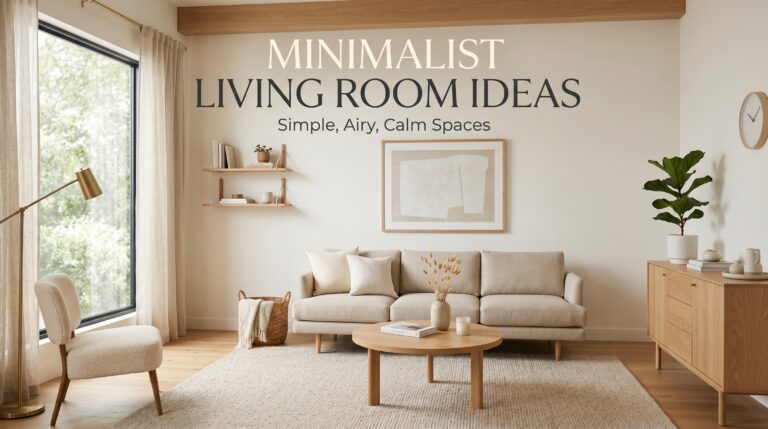
Modern sofas emphasize straight lines, geometric proportions, and functional comfort without rolled arms, nailhead trim, or ornamental detailing. Look for sofas with clean silhouettes, legs that create visual lightness (raised on tapered or geometric legs rather than skirted bases), and upholstery in neutral natural fabrics or contemporary synthetic materials. Modern sofas prioritize proportions and comfort—substantial seat depth, appropriate cushion firmness, quality construction supporting extended daily use. Choose sectional sofas for large spaces, utilizing clean geometric forms that define areas and provide comfortable gathering spaces. Avoid overstuffed furniture or traditional styling, instead selecting pieces that appear intentional and contemporary.
Chairs and Accent Seating
Modern accent chairs should reflect clean-lined geometric forms, often featuring iconic modern designs from mid-century modern era (Eames, Barcelona chair styles) or contemporary interpretations. Look for chairs with visible frames, minimal upholstery, and architectural interest created through form rather than applied decoration. Pair upholstered chairs with wooden, metal, or leather frame visibility that celebrates structural design. Lightweight chairs with transparent or minimalist bases create visual openness, while substantial chairs with geometric forms become deliberate design statements. Modern seating prioritizes both visual elegance and functional comfort through thoughtful proportioning rather than excessive cushioning.
Coffee Tables and Low Furniture
Modern coffee tables typically feature simple geometric forms—rectangles, squares, or circles—in materials honestly expressing their nature (natural wood, glass, metal, stone). Tables with visible frame construction, transparent bases (glass or metal), or sculptural wooden forms become design focal points rather than merely functional surfaces. Low modern furniture creates visual openness by maintaining clear sightlines across the room. Avoid ornate detailing, carved surfaces, or traditional styling, instead selecting tables where the material quality and geometric proportions create visual interest. Many modern living rooms feature multiple low tables of varying heights creating visual interest while maintaining clean aesthetic.
Storage Solutions and Media Consoles
Modern storage emphasizes built-in or floating designs that minimize visual weight and floor footprint. Wall-mounted shelving, floating cabinets, or architectural built-ins create storage without blocking floor space or creating visual clutter through freestanding furniture. Media consoles should feature clean lines, minimalist aesthetic, and integrated cable management concealing technology. Many modern designs incorporate hidden storage behind seamless panels or sliding doors, presenting clean surfaces without visible clutter. Storage becomes an architectural element rather than furniture piece, supporting the minimalist philosophy that surfaces should remain clear and calm.
Lighting Fixtures as Design Elements
Modern lighting fixtures range from sculptural pendant lights to minimalist track systems to architectural recessed lighting. Select fixtures that serve functional lighting while contributing to visual design through form. Geometric fixtures, sculptural forms, or fixtures celebrating material honesty become design focal points. Avoid ornamental chandeliers or traditional styling, instead selecting contemporary fixtures emphasizing clean forms and thoughtful proportions. Many modern living rooms layer lighting through recessed ceiling fixtures for ambient illumination, focused task lighting, and accent lighting on artwork, creating depth and visual interest through light rather than through decorated fixtures.
Quality Materials and Honest Expression
Modern furniture celebrates material authenticity—genuine leather, real wood with visible grain, quality upholstery fabrics, natural stone, real metal. Avoid materials disguising their true nature or synthetic materials imitating expensive materials. High-quality materials age beautifully, developing patina and character that cheap materials cannot. Visible construction details (exposed joinery, metal framework, upholstery stitching, wooden frame visibility) celebrate quality and craftsmanship. This honest material expression creates sophistication and enduring appeal that trendy materials or disguised construction cannot achieve.
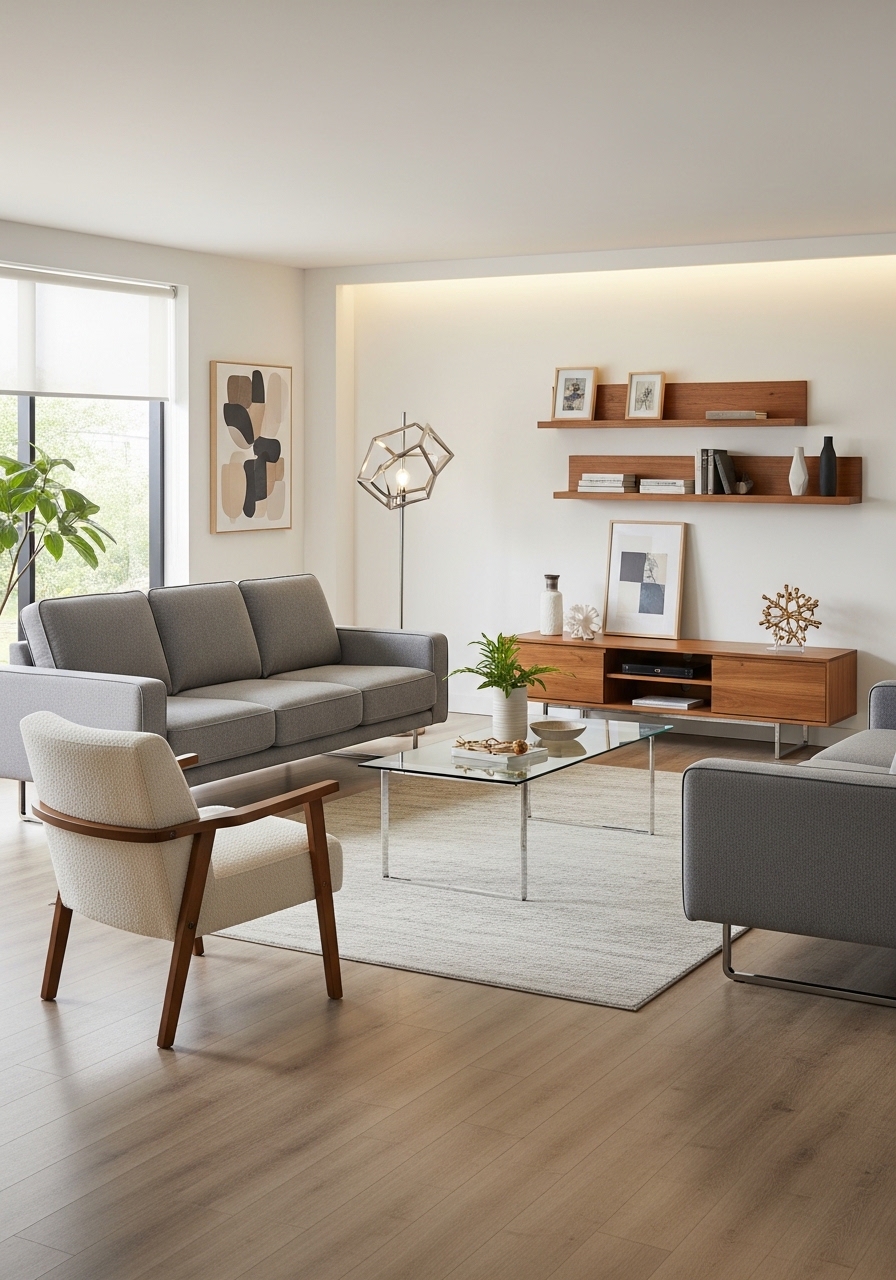
Contemporary Color and Material Integration
Modern design creates visual sophistication through intentional integration of colors and materials working together in cohesive composition rather than appearing disconnected.
Material Contrast and Layering
Modern spaces layer different materials creating textural richness and visual interest. Common material combinations include natural wood with brushed steel, warm leather with cool concrete, soft upholstery with hard architectural surfaces, matte finishes with subtle shimmer. These contrasts create sophistication through intentional juxtaposition—combining warm and cool, soft and hard, matte and reflective creates visual dynamic while maintaining modern aesthetic. Material layering prevents monotony while supporting minimalist principle that fewer, higher-quality elements create more impact than numerous items.
Achromaticity and Neutral Dominance
Many successful modern living rooms employ predominantly achromatic (neutral) palettes using black, white, gray, and warm neutrals without chromatic color. This approach creates highly sophisticated, gallery-like aesthetics where architectural clean lines, furniture forms, and material textures become primary visual interest. Achromaticity works in modern design because it emphasizes form, proportion, and material rather than color, creating timeless sophistication that color palettes cannot match. Subtle introduction of single accent color prevents pure achromaticity from feeling sterile while maintaining refined restraint.
Accent Color Placement and Impact
When accent colors appear in modern living rooms, placement creates maximum impact with minimum visual disruption. Single accent walls behind furniture or architectural features, accent chairs becoming design statements, artwork introducing color, or carefully placed decor using consistent color creates intentional visual drama. Strategic accent color placement against predominantly neutral backgrounds creates dynamic visual interest—the accent becomes focal point rather than background element. This selective placement supports modern principle that restraint and intentionality create more impact than abundance.
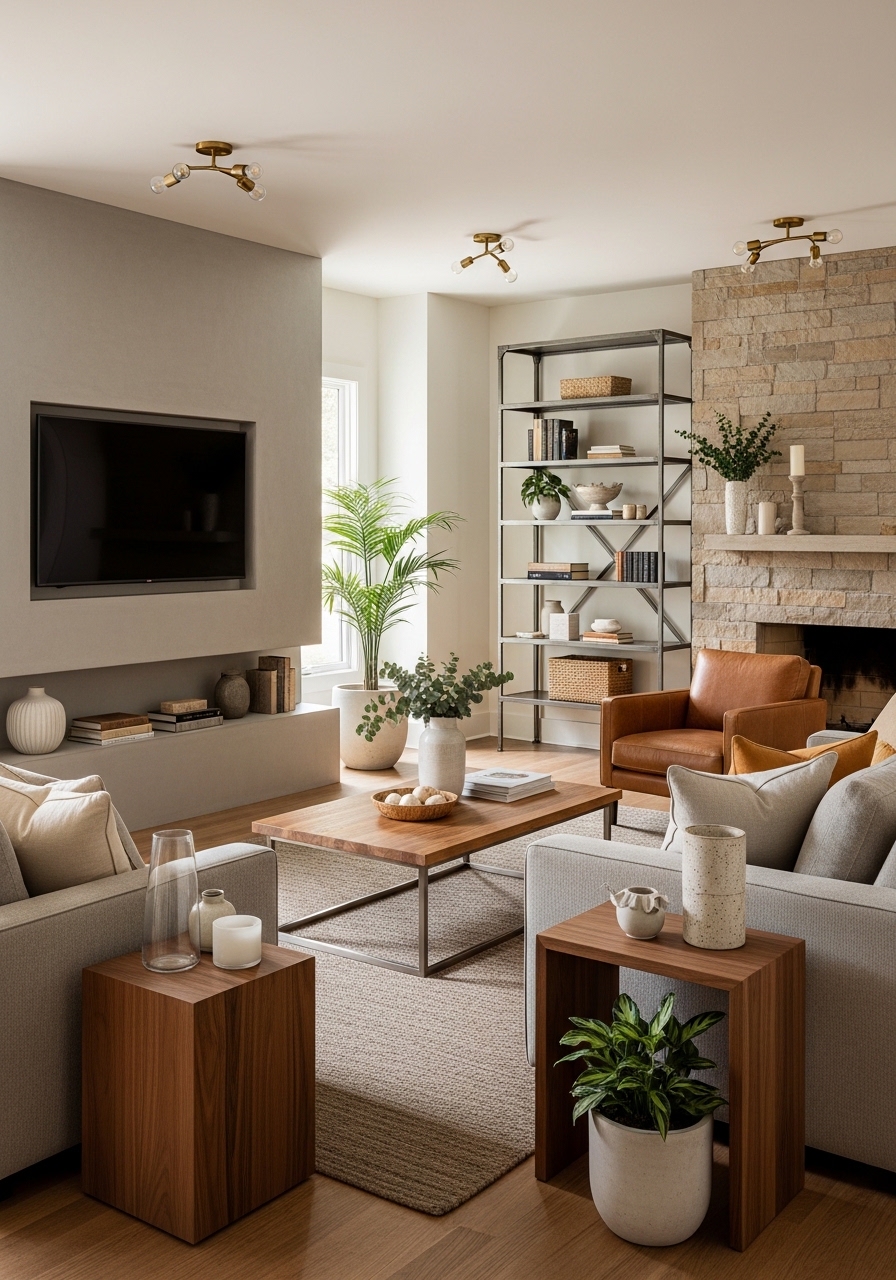
Architectural Features and Spatial Planning
Modern living room design integrates with and enhances architectural features, using spatial planning to support functional contemporary living.
Open Floor Plans and Defined Zones
Modern living rooms often exist within open floor plans requiring definition of living space without walls or closed-off rooms. Furniture arrangement, area rugs, floating walls, or architectural elements create visual definition while maintaining spatial flow. Conversation groupings centered on focal points define seating areas, lowered ceilings or ceiling planes define activity zones, and changes in flooring materials delineate spaces. This spatial flexibility supports contemporary American living where open concepts provide visual openness while accommodating multiple activities.
Fireplace as Contemporary Focal Point
Modern fireplaces emphasize clean architectural lines and honest materials rather than ornate surrounds. Linear gas fireplaces, concrete or stone surrounds with minimal detailing, or suspended fireplace designs become dramatic focal points. Fireplace walls often feature accent treatments—shiplap, textured finishes, darker paint colors, or material expression—creating visual drama while supporting minimalist aesthetic. The fireplace becomes functional design element rather than merely decorative architectural feature, balancing form and function essential to modern design.
Window Treatments and Natural Light
Modern window treatments emphasize light maximization through minimal physical obstruction—floor-to-ceiling windows, minimal-frame glass doors, or open sightlines. When window treatments are necessary, modern designs feature clean lines: simple roller shades, flat Roman shades, minimalist curtain panels hanging from ceiling to floor without valance or layered treatments. Natural light becomes design element, with windows positioned strategically to create visual drama and connect interior spaces to external landscape. Minimal physical obstruction maintains clean aesthetic while allowing light and views to become primary visual elements.
Exposed Architecture and Honest Surfaces
Modern design celebrates rather than hides architectural elements—exposed concrete, brick, wooden structure, or existing architectural details become design features. Painted architectural elements in contemporary colors, exposed ductwork, open ceilings showing structure and light fixtures, or natural material surfaces support honest material expression and contemporary aesthetic. This celebration of existing architecture reduces need for applied decoration and creates visual interest through authentic structural expression.
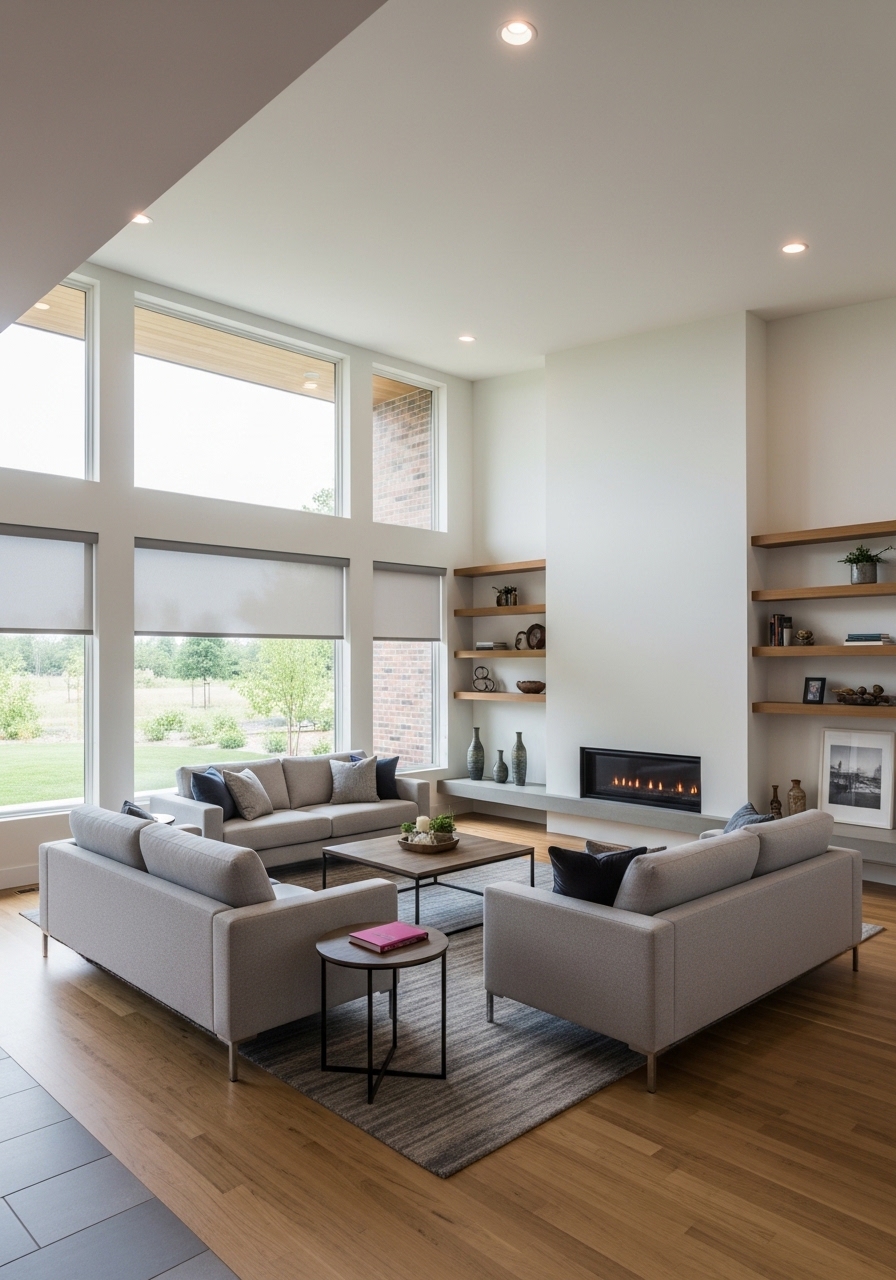
Minimalist Aesthetic and Strategic Styling
Modern living room minimalism doesn’t mean empty or cold spaces but rather strategic curation ensuring every element serves purpose and contributes to overall aesthetic.
Curated Decor and Meaningful Objects
Modern styling selects fewer, higher-quality decor objects that become focal points rather than background. Meaningful artwork, sculptural objects, carefully curated books, or collected pieces displayed in open shelving create visual interest while maintaining minimalist principle. Objects are displayed individually allowing appreciation of form and detail rather than clustered or stacked. Empty wall space and open shelf surfaces are celebrated as design elements rather than opportunities to add more items. Strategic placement of meaningful objects against neutral backgrounds allows each piece impact.
Negative Space as Design Element
Modern design celebrates empty space as integral design element rather than area requiring filling. Clear wall surfaces, open shelving with breathing room, empty table surfaces, and uncluttered floor space create visual calm and allow focal points to have impact. Negative space provides visual rest and prevents sensory overload, supporting psychological comfort alongside aesthetic sophistication. The restraint to leave space empty rather than filling with additional items reflects design maturity and confidence in minimalist principles.
Artwork and Wall Expression
Modern living rooms typically feature limited artwork displayed with intention—perhaps single large-scale piece, carefully curated gallery wall with clean spacing, or rotating artwork allowing flexibility. Artwork should emphasize contemporary perspectives, abstract forms, photography, or clean graphic designs aligning with modern aesthetic. Avoid busy patterns, ornate frames, or traditional styling. Simple frames in black, white, metal, or natural wood support contemporary look. Strategic artwork placement creates focal points while maintaining visual calm.
Plants and Natural Elements
Modern spaces integrate greenery creating connection to nature without appearing botanical or jungle-like. Potted plants positioned individually on shelves, floors, or tables become sculptural elements. Plant selection emphasizes architectural plants with interesting form (fiddle leaf fig, monstera, snake plant, pothos) rather than trailing or flowering plants. Simple planters in neutral colors, ceramic, or concrete support modern aesthetic. Greenery provides visual softness offsetting hard architectural lines and materials while maintaining minimalist positioning—plants are placed thoughtfully rather than abundantly scattered.
Lighting Design for Modern Sophistication
Lighting design fundamentally impacts modern living room success, with strategic lighting creating visual drama, supporting functionality, and establishing ambiance.
Layered Lighting Approach
Successful modern lighting combines multiple sources: recessed ceiling lights for general ambient illumination, task lighting for functional activities, accent lighting highlighting architectural features or artwork, and decorative ambient lighting creating atmosphere. Layered lighting provides flexibility for different times of day and activities while creating visual depth through light and shadow. Dimmer controls allow intensity adjustment supporting various moods and activities. This approach creates sophisticated lighting design avoiding harsh overhead-only lighting that creates institutional appearance.
Architectural and Integrated Lighting
Modern design prefers integrated lighting becoming part of architectural composition rather than obvious decorative fixtures. Recessed ceiling lights, track systems, linear lighting elements, or cove lighting create illumination while remaining visually discrete. Lighting appears part of the space rather than applied decoration. Where decorative fixtures appear, geometric forms, sculptural quality, or minimalist design ensure they support rather than compete with overall aesthetic. Hidden wiring and integrated control systems maintain clean visual composition.
Warm Color Temperature and Ambiance
Modern lighting employs warm color temperature bulbs (2700K-3000K) preventing cold, institutional appearance. Warm light creates psychological comfort and visual softness offsetting hard modern materials and lines. Even minimalist modern spaces benefit from warm light preventing sterile appearance. Smart lighting systems allow color temperature adjustment supporting circadian rhythms and time-of-day appropriateness while maintaining sophisticated aesthetic.
Accent Lighting and Visual Drama
Strategic accent lighting highlights architectural features, artwork, or sculptural objects creating visual drama and focal points. Picture lights above artwork, directional track lighting emphasizing materials, or architectural lighting in coves or along edges creates sophisticated visual layering. Accent lighting prevents flat illumination, instead creating dimension and visual interest through light and shadow interplay.
Technology Integration and Smart Home Features
Modern living rooms seamlessly integrate contemporary technology supporting contemporary American living without visual disruption.
Entertainment Systems and Media
Television mounting solutions should disappear into design—mounted flush to walls in neutral colors, concealed within architectural elements, or positioned as functional necessity without visual prominence. Audio systems integrate wirelessly with invisible wiring, speakers appearing as sculptural objects or disappearing into walls. Media consoles house equipment with cable management hidden behind clean surfaces. Technology serves modern living without visually defining spaces.
Smart Home Controls
Smart lighting, climate control, and audio systems operate through wireless controls, voice commands, or apps eliminating visible hardware. Lighting dimming, color temperature adjustment, and scene programming create sophisticated ambiance without visible control switches. Climate control integrates invisibly into spaces, with vents and returns concealed within architectural elements. Smart homes support modern living while maintaining clean visual aesthetic.
Charging Stations and Power Solutions
Built-in charging stations, USB ports, and power outlets integrate into furniture or architectural elements, accommodating contemporary device charging without visible cords. Cord management systems conceal necessary wiring, with cables routing through walls or furniture. Wireless charging pads eliminate visible charging cords. These solutions acknowledge contemporary technology requirements while maintaining minimalist visual aesthetic.
Common Modern Design Mistakes to Avoid
Understanding common pitfalls helps you navigate modern design successfully and maintain sleek stylish aesthetic.
Confusing Minimalism with Emptiness
Minimalist modern design doesn’t mean barren or unwelcoming spaces but rather strategic curation ensuring meaningful content. Avoiding excessive decor shouldn’t result in cold sterile environments lacking personality or comfort. Strategic placement of meaningful objects, appropriate furniture quantity for space size, and intentional styling prevent minimalism from appearing empty while maintaining aesthetic restraint.
Neglecting Comfort for Style
Modern furniture should prioritize both aesthetic and functional comfort—not sacrificing genuine comfort for styling. Sitting on uncomfortable furniture is not modern—functional excellence supporting real living is fundamental to modern design philosophy. Select furniture supporting genuine relaxation and daily use, not merely impressive appearance. Quality seating comfort indicates design sophistication, not compromise.
Using Poor Quality Materials and Construction
Selecting cheap materials imitating expensive ones, synthetic materials with obvious artificial appearance, or poor construction undermines modern aesthetic integrity. Modern design celebrates honest materials and quality craftsmanship—cheap shortcuts read as exactly that, contradicting minimalist philosophy of quality over quantity. Invest in well-made pieces using genuine materials aging beautifully rather than cheap replacements requiring periodic replacement.
Over-Personalizing Without Cohesion
While personal expression is important, adding too many personal items without thoughtful arrangement creates visual clutter undermining modern aesthetic. Meaningful objects should be displayed intentionally with clear sightlines, not scattered throughout space. Limiting personal items to few carefully chosen pieces maintains visual calm while expressing personality.
Ignoring Functional Requirements
Modern design must support actual contemporary living—storage for family belongings, comfortable seating for relaxation and gathering, technology integration, and lifestyle accommodations. Design serving only visual aesthetics without functional support for real living is ultimately unsuccessful. Ensure design choices support actual activities and needs.
Harsh Lighting and Cold Appearance
Minimalist modern spaces can appear institutional if lighting is too bright or color temperature too cool. Warm lighting, layered light sources, and thoughtful brightness levels prevent clinical appearance while maintaining modern aesthetic. Appropriate lighting transforms minimalist spaces from cold to sophisticatedly warm.
Incomplete Design or Temporary Appearance
Unfinished spaces appearing transitional or incomplete undermine modern aesthetic. Even minimal modern spaces should feel intentionally designed and complete—carefully curated, appropriately furnished, and finished. Avoid appearing like space is being “decorated gradually” or remains in transition.
Also Read: Boho Living Room Ideas That Bring Warmth and Character to Your Home
How to Create Sleek Modern Living Rooms
To create a sleek modern living room, establish neutral sophisticated color palette (warm grays, soft whites, warm neutrals with selective accent color), select furniture with clean geometric lines and honest materials, integrate technology seamlessly into design, use strategic layered lighting with warm color temperature, embrace negative space celebrating empty surfaces and open sightlines, incorporate quality materials expressing their authentic nature, and arrange furniture supporting conversation and comfortable living rather than visual formality. Every element should serve functional or aesthetic purpose while maintaining cohesive minimalist composition where fewer higher-quality pieces create more impact than abundance.
Key Takeaways
- Modern living room design emphasizes clean lines, functional minimalism, and honest material expression over ornamental detail, creating visual sophistication through restraint and intentionality rather than abundance.
- Color selection fundamentally influences modern design success, with sophisticated neutral palettes (warm grays, soft whites, warm neutrals) forming foundations allowing architectural and furniture forms to become visual focus.
- Furniture selection prioritizes both aesthetic excellence and functional comfort, with clean-lined pieces in genuine materials supporting daily living while contributing to refined aesthetic.
- Strategic minimalism and negative space are design principles, not sterility, with intentional curation of meaningful elements preventing visual clutter while maintaining personality and comfort.
- Technology integration should be seamless and invisible, with entertainment systems, smart controls, and charging solutions incorporated without visual disruption to clean aesthetic.
- Lighting design creates visual drama and establishes ambiance through layered sources, warm color temperature, and strategic accent lighting preventing harsh or institutional appearance.
- Material honesty and quality construction indicate design sophistication, with genuine materials and visible quality craftsmanship supporting modern design principles better than cheap imitations.
- Spatial planning and architectural integration maximize modern aesthetic, with open floor plans, minimal window treatments, and celebration of existing architectural features supporting contemporary living.
- Common mistakes include confusing minimalism with emptiness, neglecting comfort, using poor materials, and harsh lighting—avoiding these pitfalls maintains modern sophistication while ensuring genuine livability.
- Modern living rooms must support actual contemporary American living while achieving sleek stylish appearance—design serving only aesthetics without functional support ultimately fails.
Frequently Asked Questions
What is the difference between modern and contemporary living room design?
Modern design refers to specific design movement (International Style, Bauhaus, Mid-Century Modern) with established principles developed in early-to-mid 20th century emphasizing function, clean lines, and honest materials. Contemporary design reflects current design trends without period-specific reference, responding to how people live today. Modern design is more defined by specific principles and historical context, while contemporary is more flexible and trend-responsive. Many modern design principles remain relevant in contemporary design, but contemporary design may incorporate elements or trends modern design would reject. Modern living rooms often feel more intentional and grounded in design philosophy, while contemporary rooms may feel more flexible and personally expressive.
How do I make a modern living room feel warm and inviting rather than cold?
Warm color temperature lighting (2700K-3000K bulbs) is essential, creating psychological warmth offsetting minimalist materials and lines. Incorporate warm neutral colors, natural materials with warm tones (honey-colored wood, warm leather, cream textiles), and layered textiles adding softness. Include meaningful personal objects, artwork, and plants creating visual interest and emotional connection. Ensure adequate comfortable seating supporting relaxation and gathering. Avoid overly stark white, cool gray, or fluorescent lighting creating institutional feeling. Quality comfort combined with warm lighting and thoughtful styling creates sophisticated warmth.
Can modern design work in smaller living rooms?
Modern design works particularly well in smaller spaces—minimalist aesthetic prevents visual clutter, clean lines create perception of spaciousness, and emphasis on negative space maximizes apparent room size. Choose furniture appropriately scaled to space, use light colors and reflective materials expanding visual space, and ensure clear traffic flow without visual obstruction. Floating furniture and built-in storage minimize footprint while providing necessary function. Modern design’s clarity and restraint prevent small spaces from feeling cluttered, making style particularly suitable for compact living situations.
What are the most important furniture pieces for modern living rooms?
Essential pieces include quality sofa with clean lines and comfortable proportions, coffee table with geometric form, side tables for lamps and accessories, storage solution addressing functional needs, and comfortable seating beyond sofa (chair or bench). Choose pieces in genuine materials with visible quality construction. Select quantity and scale appropriate to space size—too few pieces appear unfinished, too many create visual clutter. Prioritize pieces serving actual living needs over acquiring complete “sets.” One well-chosen statement piece often creates more impact than numerous mediocre items.
How do I integrate television without it dominating modern design?
Mount television flush to wall finished in same color as wall, concealing within architectural niche, or hide within sliding panel or cabinet doors. Position television where it functions without becoming visual focus—consider whether conversation naturally faces television or whether television viewing represents secondary activity. Use minimalist media console with hidden cable management and contained electronics storage. Ensure artwork, architectural features, or other focal points compete with television for visual attention. Modern design prioritizes flexibility—television functions when needed without visually defining space.
What color palettes work best for modern living rooms?
Predominantly neutral palettes work best—warm grays, soft whites, warm beiges, taupe, charcoal, black—with optional single accent color creating personality. Monochromatic color schemes using different values of single color create sophisticated cohesion. Avoid multiple colors competing for attention. Select warm color undertones in neutrals preventing cold clinical appearance. If including accent color, limit to 10-15% of overall palette, using consistently throughout space. Test paint colors in actual lighting conditions before committing—color perception changes dramatically with light temperature and time of day.
How much decor is appropriate in modern living rooms?
Quality over quantity is fundamental principle—select fewer items allowing each to have impact. Meaningful artwork, one or two sculptural objects, curated books, and intentionally placed plants typically suffice. Avoid decorative items existing purely for decoration. Each piece should either serve function (books for reading, plants for living element, mirrors for light reflection) or aesthetic purpose (meaningful artwork, sculptural forms). General guideline suggests 5-8 decor items maximum in typical living room, though exact number depends on space size and personal preference. Negative space should be celebrated rather than filled with additional items.
Can I incorporate vintage or antique pieces into modern design?
Yes, carefully selected vintage pieces work beautifully in modern design when chosen intentionally. Mid-century modern furniture aligns perfectly with modern aesthetic. Quality antique pieces with interesting forms or materials can become design statements. However, avoid excessive vintage styling appearing cluttered or nostalgic. Select pieces with clean lines, quality materials, and forms complementing modern aesthetic. Limit vintage items to few carefully chosen pieces rather than filling space with vintage collections. Mixing eras works when selections are intentional and quality rather than appearing like second-hand store sampling.
Conclusion
Creating a sleek and stylish modern living room requires understanding fundamental modern design principles and implementing them with intentionality and discipline. Modern design succeeds not through accident but through deliberate choices emphasizing clean lines, quality materials, functional excellence, and strategic minimalism that prevents visual clutter while maintaining comfort and personality. Your modern living room should feel refined and contemporary while genuinely supporting how you and your family actually live, relax, and gather.
The key to successful modern design lies in resisting the temptation to fill spaces with numerous items, instead selecting fewer, higher-quality pieces that serve clear functional or aesthetic purpose. Every design decision—color selection, furniture choice, lighting approach, decor item—should reflect intentionality and support overall aesthetic cohesion. Modern living rooms feel sophisticated precisely because they avoid visual chaos, instead creating calm environments where architectural clean lines, honest materials, and carefully chosen furnishings can shine.
Begin your modern living room design by establishing neutral sophisticated color palette, investing in quality furniture with clean lines and genuine materials, planning strategic lighting supporting both function and ambiance, and thoughtfully curating decor expressing personality without sacrificing visual calm. Integrate technology seamlessly, celebrate negative space and open sightlines, and ensure every choice supports actual living rather than serving only aesthetic purposes. The result will be a genuinely sleek and stylish space—a modern sanctuary reflecting contemporary sensibilities while providing comfort, functionality, and enduring visual sophistication that transcends temporary trends and remains beautiful for years to come.