
Best Sunscreens for Summer 2026: Your Ultimate Sun Protection Guide
Summer is almost here, and your skin deserves the very best protection under the sun — literally. Choosing the best sunscreen for summer 2026 isn’t just about slapping on any SPF and calling it a day. With so many formulas, finishes, and skin-type options flooding the beauty market, finding your perfect sun protection match can feel overwhelming. Whether you’re heading to the beach, running errands in the heat, or sitting by the pool, the right sunscreen keeps your skin safe, healthy, and glowing all season long. This guide covers the best SPF picks, trending formulas, and expert tips to protect your skin beautifully this summer.
What Is Sunscreen and Why Does It Matter?
Sunscreen is a topical skincare product that protects your skin from the sun’s ultraviolet rays — both UVA rays, which cause premature aging, and UVB rays, which cause sunburn. It works by either absorbing UV radiation chemically or physically reflecting it away from the skin. The SPF number tells you how much UVB protection the formula provides — dermatologists universally recommend SPF 30 as the minimum for daily use and SPF 50 for extended outdoor exposure. In 2026, sunscreen formulas have evolved dramatically — offering lightweight, invisible, skin-tint, and skincare-hybrid options that make daily sun protection feel effortless and genuinely enjoyable to wear every single day.
Why Sunscreen Is the Most Important Skincare Product of Summer 2026
Skipping sunscreen is the single biggest skincare mistake you can make — full stop. UV exposure is the leading cause of premature skin aging, hyperpigmentation, dark spots, uneven skin tone, and most critically, skin cancer. Studies consistently show that daily SPF use reduces skin aging by up to 24% over time compared to inconsistent use. In summer 2026, with rising global temperatures and increased UV index levels, proper sun protection is more urgent than ever before. Beyond health, sunscreen protects your entire skincare and makeup investment — serums, retinols, and vitamin C products all work better and last longer on UV-protected skin.
Also That: Night Skincare Routine Steps: The Ultimate 2026 Guide to Waking Up with Gorgeous Skin
Best Sunscreen Types & Ideas for Every Skin Type in 2026
1. Lightweight Fluid Sunscreens for Oily & Acne-Prone Skin
If you have oily or acne-prone skin, heavy sunscreens are your worst enemy. Lightweight, water-based fluid formulas that are non-comedogenic and mattifying are the best sunscreen ideas for oily skin types in 2026. Look for formulas labeled “oil-free,” “matte finish,” or “pore-minimizing” for best results. Top picks include La Roche-Posay Anthelios Fluide, Neutrogena Clear Face SPF 50, and ISDIN Fusion Water SPF 50. These gorgeous, featherlight formulas absorb instantly, leave zero white cast, and keep shine under control for hours. They wear beautifully under makeup and feel like nothing on the skin — a true must-try for summer.
2. Hydrating Sunscreens for Dry & Sensitive Skin
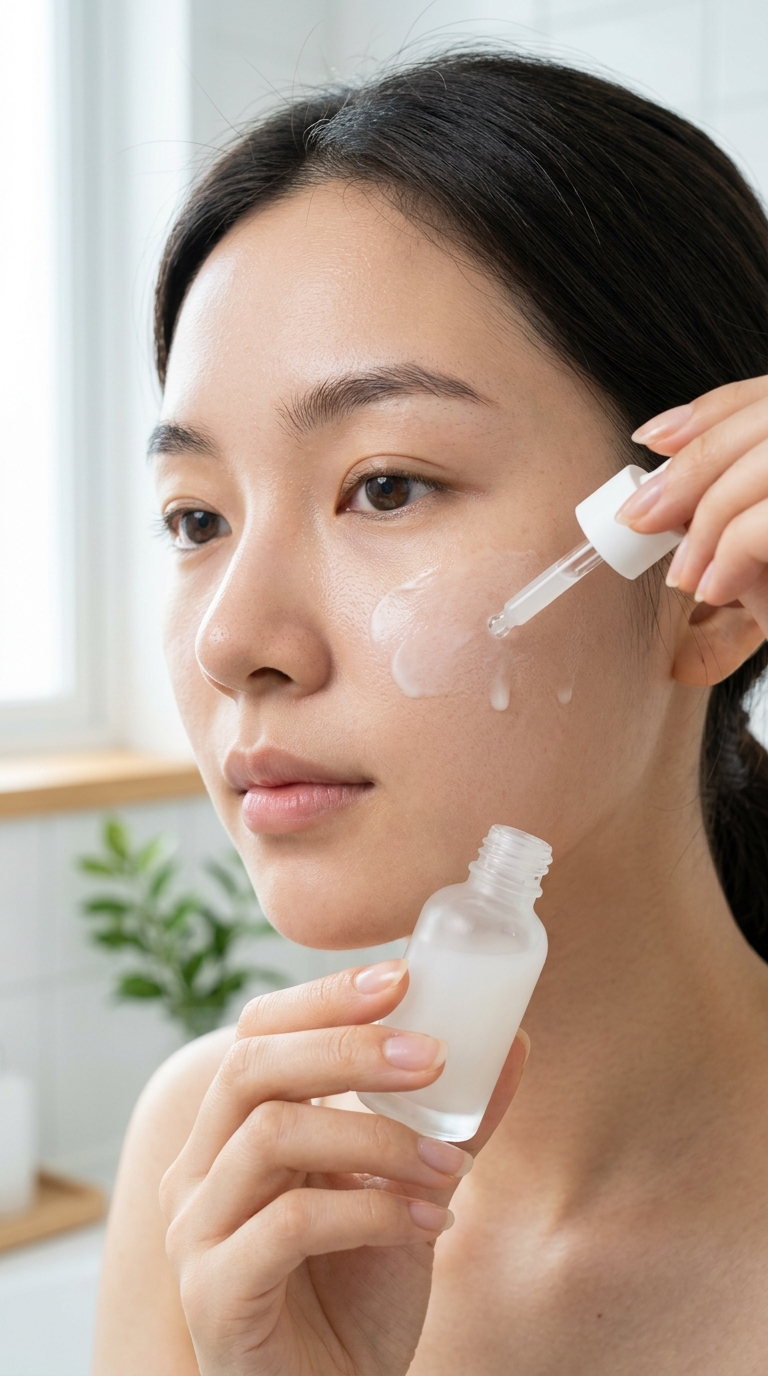
Dry and sensitive skin types need a sunscreen that doubles as moisture — and 2026 has delivered some stunning options. Cream and lotion-based SPF formulas enriched with hyaluronic acid, ceramides, niacinamide, and squalane provide deep hydration alongside broad-spectrum protection. Beloved options include EltaMD UV Elements, CeraVe Hydrating Mineral Sunscreen SPF 50, and Avène Very High Protection Fluid. These nourishing formulas soothe irritation, strengthen the skin barrier, and leave skin looking dewy, plump, and gorgeously healthy all day long. They’re ideal for post-procedure skin, rosacea, and anyone prone to dryness in summer heat.
3. Tinted Sunscreens & SPF Skin Tints
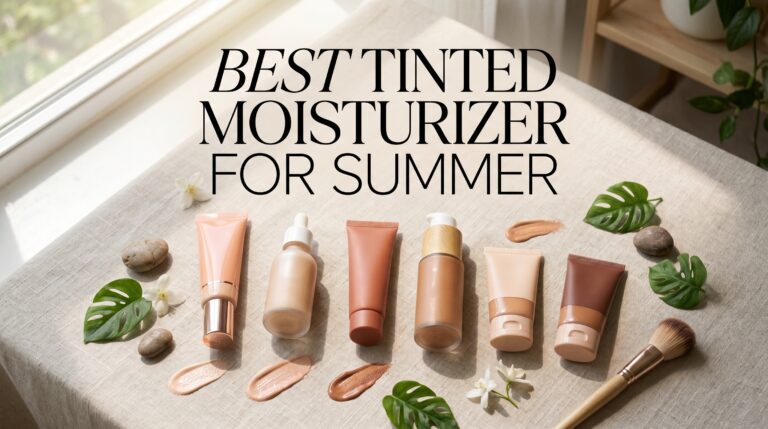
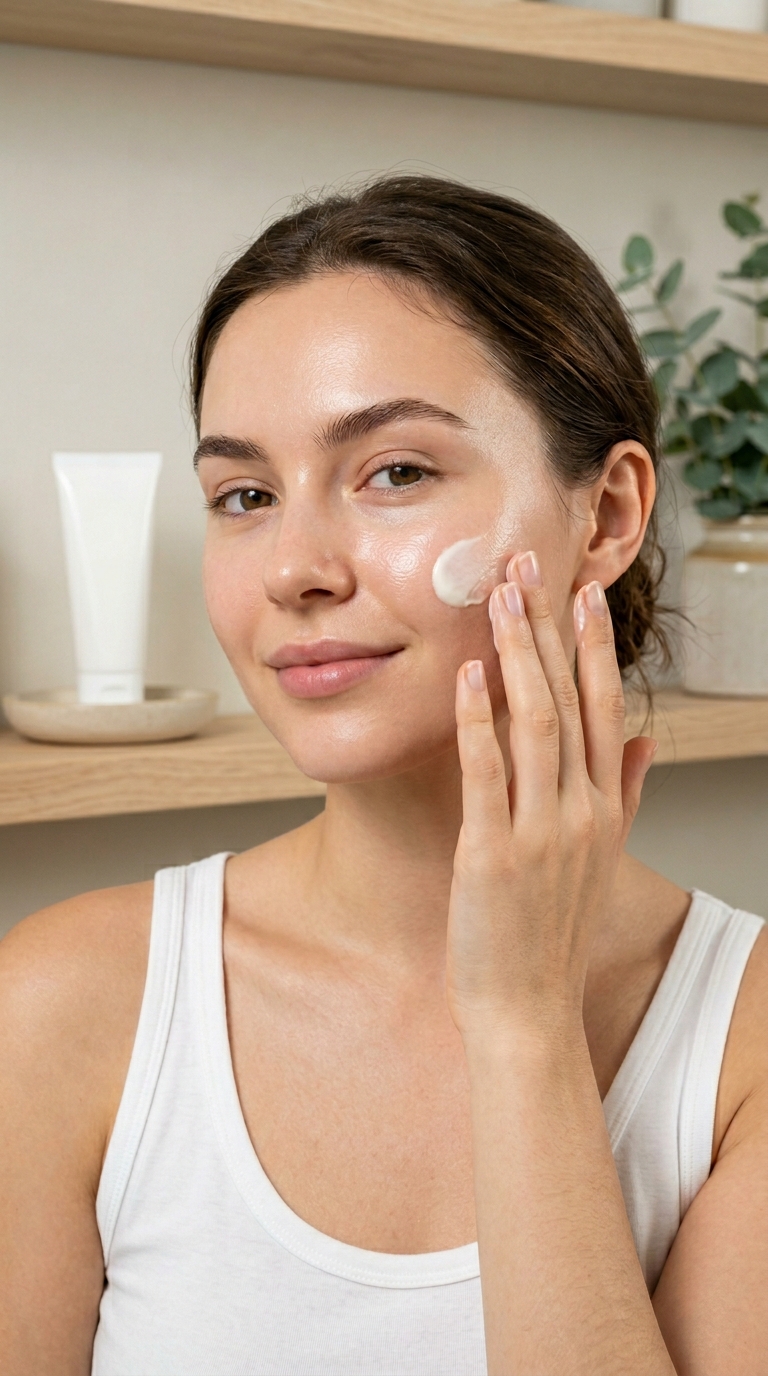
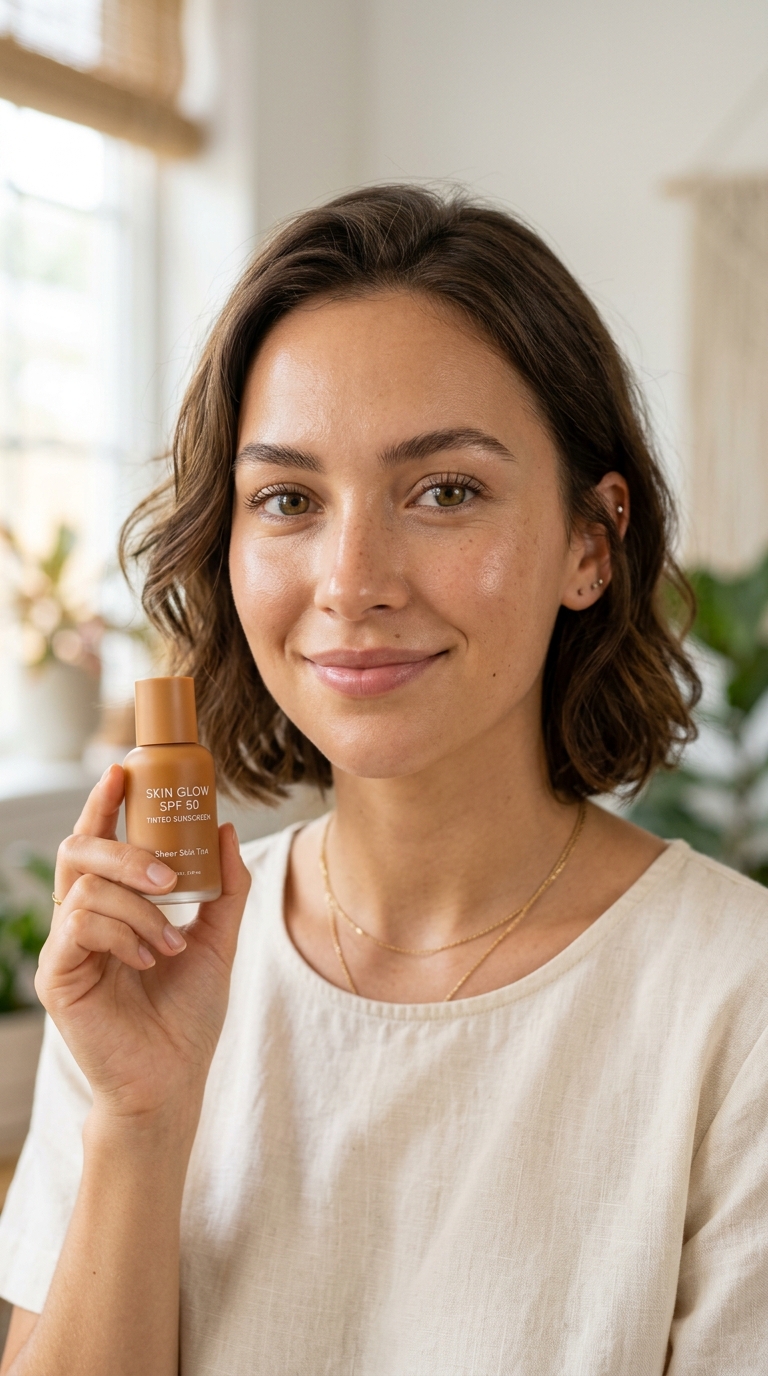
Tinted sunscreens are one of the biggest beauty trends of 2026 — and they’re a complete game-changer for your summer skincare routine. These innovative formulas combine broad-spectrum SPF with a light, skin-perfecting tint that evens out your complexion without heavy foundation coverage. Standout options include the Supergoop Glowscreen SPF 40, Laura Mercier Tinted Moisturizer Natural Skin Perfector SPF 30, and Charlotte Tilbury Flawless Filter SPF 30. They give skin a healthy, luminous glow while providing real UV protection. Tinted SPF also adds iron oxide protection against visible light and blue light — a stunning bonus for hyperpigmentation-prone skin types.
4. Mineral Sunscreens for Clean Beauty Lovers
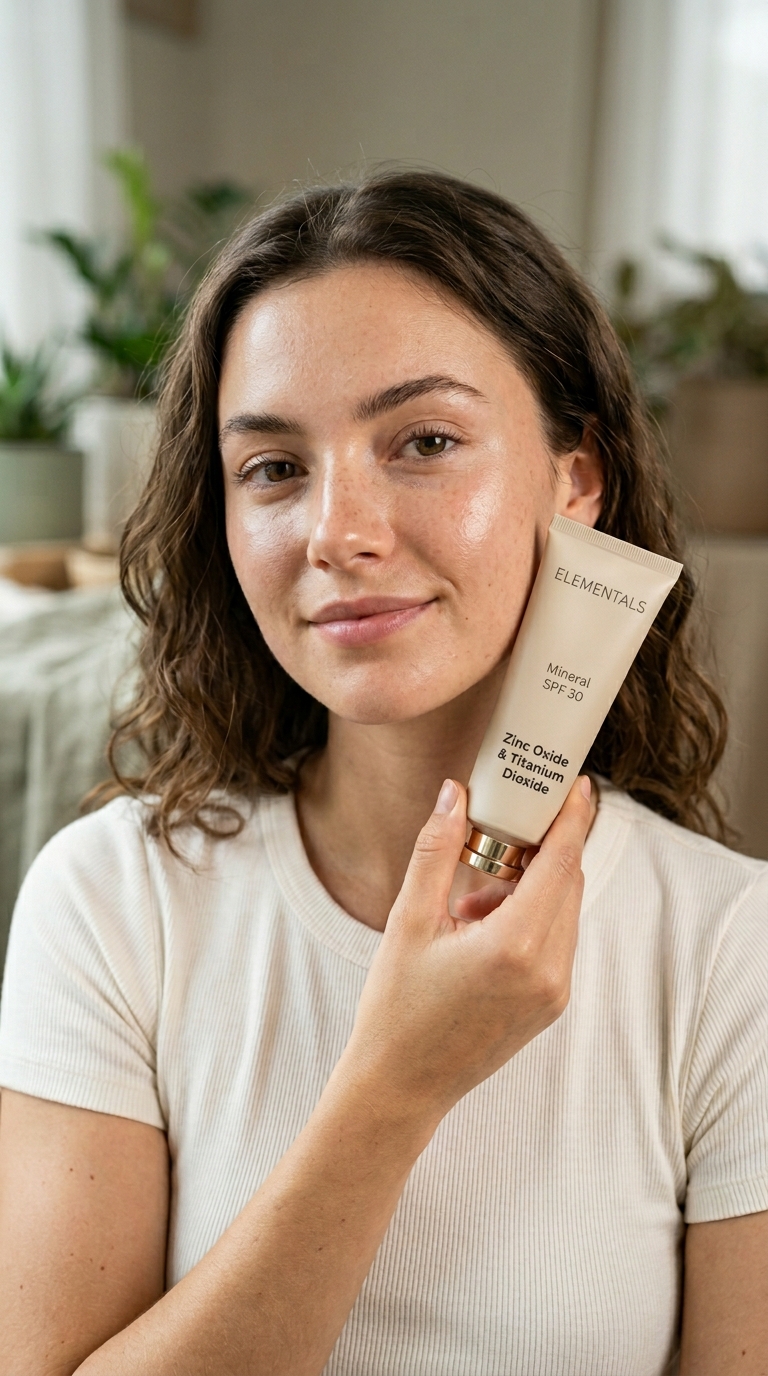
Mineral sunscreens — formulated with zinc oxide and titanium dioxide — are the gold standard for sensitive skin and clean beauty enthusiasts in 2026. Unlike chemical sunscreens, mineral formulas sit on top of the skin and physically block UV rays rather than absorbing them. They’re reef-safe, fragrance-free, and gentle enough for babies, pregnant women, and anyone with reactive skin. Top mineral SPF picks for summer 2026 include Thinkbaby Safe Sunscreen SPF 50+, Blue Lizard Sensitive Mineral Sunscreen, and Colorescience Sunforgettable Total Protection SPF 50. The newest mineral formulas are completely free of the old chalky white cast — leaving a clean, barely-there finish on all skin tones.
How to Apply Sunscreen Correctly for Maximum Protection
Apply the right amount. Most people use far too little sunscreen, dramatically reducing its effectiveness. For your face, use a nickel-sized amount — approximately half a teaspoon. For your full body, you need about one ounce, which equals a full shot glass worth of product. Under-application is one of the most common sun protection mistakes, and it reduces your actual SPF coverage significantly. Be generous — more sunscreen means more protection, and that’s never something to skimp on during summer months.
Apply sunscreen 15 minutes before sun exposure. Chemical sunscreens need time to absorb and activate before they can protect your skin effectively. Apply your SPF at least 15 minutes before stepping outside — whether you’re going to the beach, pool, or simply running errands. Mineral sunscreens work immediately upon application, but the 15-minute rule is still a best practice to ensure even coverage and full integration with your other skincare products before heading out into the sun.
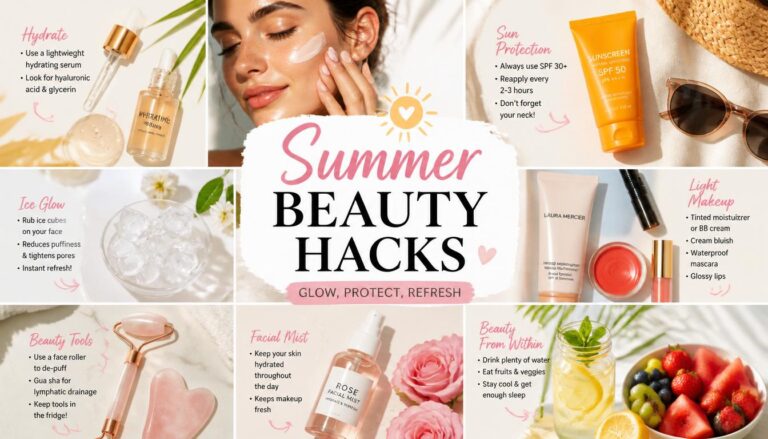
Reapply every two hours without fail. No sunscreen — regardless of SPF number — lasts all day without reapplication. UV exposure, sweat, oils, and touch all break down your sunscreen layer throughout the day. Reapply every two hours when outdoors, and immediately after swimming or sweating heavily. For easier midday reapplication over makeup, SPF setting sprays like Supergoop (Re)setting 100% Mineral Powder SPF 30 or Coola Makeup Setting Spray SPF 30 are brilliant, trendy solutions.
Sunscreen Tips & Best Practices for Summer 2026
Layer your SPF correctly in your skincare routine. Sunscreen should always be the last step of your morning skincare routine — applied after moisturizer and before makeup. This ensures the protective film sits on top of the skin where it can do its job effectively. Mixing sunscreen into your moisturizer or foundation dramatically dilutes its SPF value and reduces protection. Keep it as the final, dedicated step for best results.
Don’t forget commonly missed spots. Ears, the back of the neck, lips, hands, feet, and the part in your hair are areas that burn frequently and get skipped constantly. Use an SPF lip balm of at least SPF 30, apply sunscreen to the back of your hands daily — they age faster than almost any other body part — and use a scalp SPF spray or powder along your hair part for complete, head-to-toe summer protection.
Match your SPF to your activity. Daily commuting and indoor days call for SPF 30. Extended outdoor time, beach days, and high-altitude activities require SPF 50 or higher. Water activities and sport need water-resistant formulas with a minimum SPF 50. Having two or three different sunscreen formulas in your routine — a daily lightweight SPF for work days and a robust sport SPF for outdoor days — is the most practical and effective approach to year-round sun protection.
Sunscreen Mistakes to Avoid This Summer
Using expired sunscreen. Sunscreen has a shelf life — usually two to three years — after which its active ingredients break down and protection diminishes significantly. Check the expiration date on every bottle before summer starts and replace any expired products immediately. Using old, degraded sunscreen gives you a false sense of protection while leaving your skin vulnerable to UV damage. Always start each summer season with fresh, in-date SPF formulas for reliable protection.
Relying on SPF in foundation or makeup alone. The SPF in your foundation or BB cream is not sufficient sun protection on its own. You would need to apply a thick, impractical amount of foundation to achieve the labeled SPF coverage. Always apply a dedicated sunscreen underneath your makeup as a separate step. Think of makeup SPF as a small bonus layer, not your primary sun protection strategy — this mindset shift is crucial for genuinely protecting your skin.
Skipping sunscreen on cloudy or winter days. Up to 80% of UV rays penetrate cloud cover — meaning your skin is still being damaged even on overcast summer days. UV rays are also present year-round, not just in peak summer months. Daily SPF use — regardless of weather, season, or plans — is the single most impactful skincare habit you can build. Make it as automatic as brushing your teeth and your future skin will thank you profoundly.
FAQs
What SPF should I use for summer 2026? Dermatologists recommend a minimum of SPF 30 for daily use and SPF 50 for beach days, outdoor activities, or extended sun exposure.
Is mineral or chemical sunscreen better? Both are effective — mineral is better for sensitive skin and clean beauty preferences, while chemical formulas offer lighter, more invisible wear for most skin types.
Can I use the same sunscreen on my face and body? Body sunscreens are often too heavy for facial skin and may clog pores — use a dedicated facial sunscreen that suits your skin type for best results.
What is the best sunscreen for oily skin in 2026? Lightweight, oil-free, matte-finish formulas like La Roche-Posay Anthelios Fluid SPF 50 or ISDIN Fusion Water are the best sunscreen options for oily skin.
How often should I reapply sunscreen? Reapply every two hours during outdoor activity, and immediately after swimming or heavy sweating, regardless of the SPF level of your formula.
Are tinted sunscreens good enough for sun protection? Yes — quality tinted sunscreens with SPF 30–50 provide real, effective sun protection while also offering a light, skin-perfecting finish that replaces foundation.
What is the best sunscreen for dark skin tones? Chemical and tinted sunscreens with no white cast — like Black Girl Sunscreen SPF 30 or Fenty Skin Hydra Vizor SPF 30 — are excellent options for deeper skin tones.
Conclusion
Sun protection is the ultimate act of self-care, and 2026 has given us the most gorgeous, wearable, and effective sunscreen options ever. There’s truly no excuse to skip SPF when formulas feel this effortless and deliver this much value for your skin. Find your perfect match, apply it daily, and step into every summer day with confidence. Your skin in ten years will be absolutely stunning — and it starts with the sunscreen you choose today.