Summer Skincare Routine For Oily Skin That Actually Works
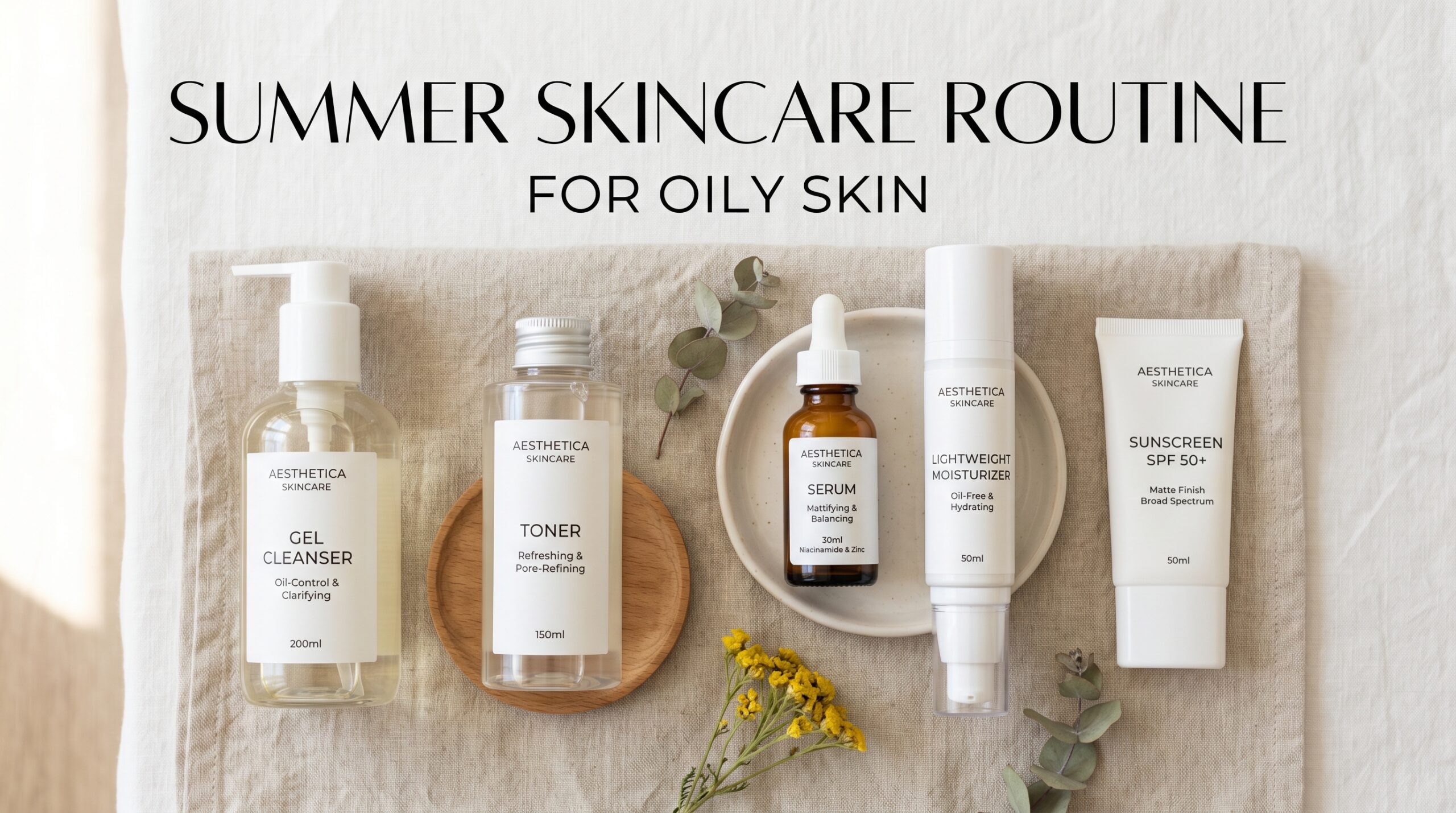
A summer skincare routine for oily skin is a step‑by‑step regimen designed to keep excess sebum, shine, and breakouts under control while protecting the skin from UV damage and dehydration caused by heat and humidity. In this guide you’ll learn exactly what each step does, why it matters in the summer months, how to execute it with the right ingredients, and which products (or ingredient types) deliver real results. Whether you’re dealing with a persistent T‑zone shine, clogged pores, or the occasional heat‑induced breakout, this complete routine covers every angle—morning, evening, weekly extras, common mistakes, and pro‑level tips—so you won’t need any other resource to achieve a balanced, matte‑finish complexion all season long.
Why Summer Makes Oily Skin Harder to Manage
Hot temperatures and high humidity stimulate the sebaceous glands, causing them to pump out more oil. At the same time, increased sweating mixes with sebum, creating a sticky film that traps dirt and bacteria, which leads to clogged pores and inflammatory acne. UV exposure also thickens the stratum corneum, making the skin feel rougher and prompting the skin to produce even more oil as a protective response. A targeted summer skincare routine for oily skin addresses three core challenges:
Also Read: Summer Skincare Routine For Glowing Skin In 2026
- Oil control without stripping – Over‑cleansing triggers rebound oiliness.
- Hydration without heaviness – Dehydrated skin over‑produces sebum to compensate.
- Sun protection that doesn’t clog pores – Heavy sunscreens can exacerbate shine and breakouts.
The 5‑Step Core Routine (Morning & Evening)
1. Gentle Yet Effective Cleansing
Morning: Use a gel‑based cleanser with salicylic acid (0.5‑2 %) or tea tree oil to dissolve overnight oil and keep pores clear.
Evening: Double‑cleanse if you wore sunscreen or makeup. Start with a lightweight micellar water or oil‑free cleansing balm to melt away SPF, followed by the same gel cleanser.
Also Read: Best Sunscreen For Face 2026: Dermatologist Recommended
Why it works: Salicylic acid is oil‑soluble, penetrating the follicle to exfoliate inside the pore, while a gel base removes surface shine without disrupting the moisture barrier.

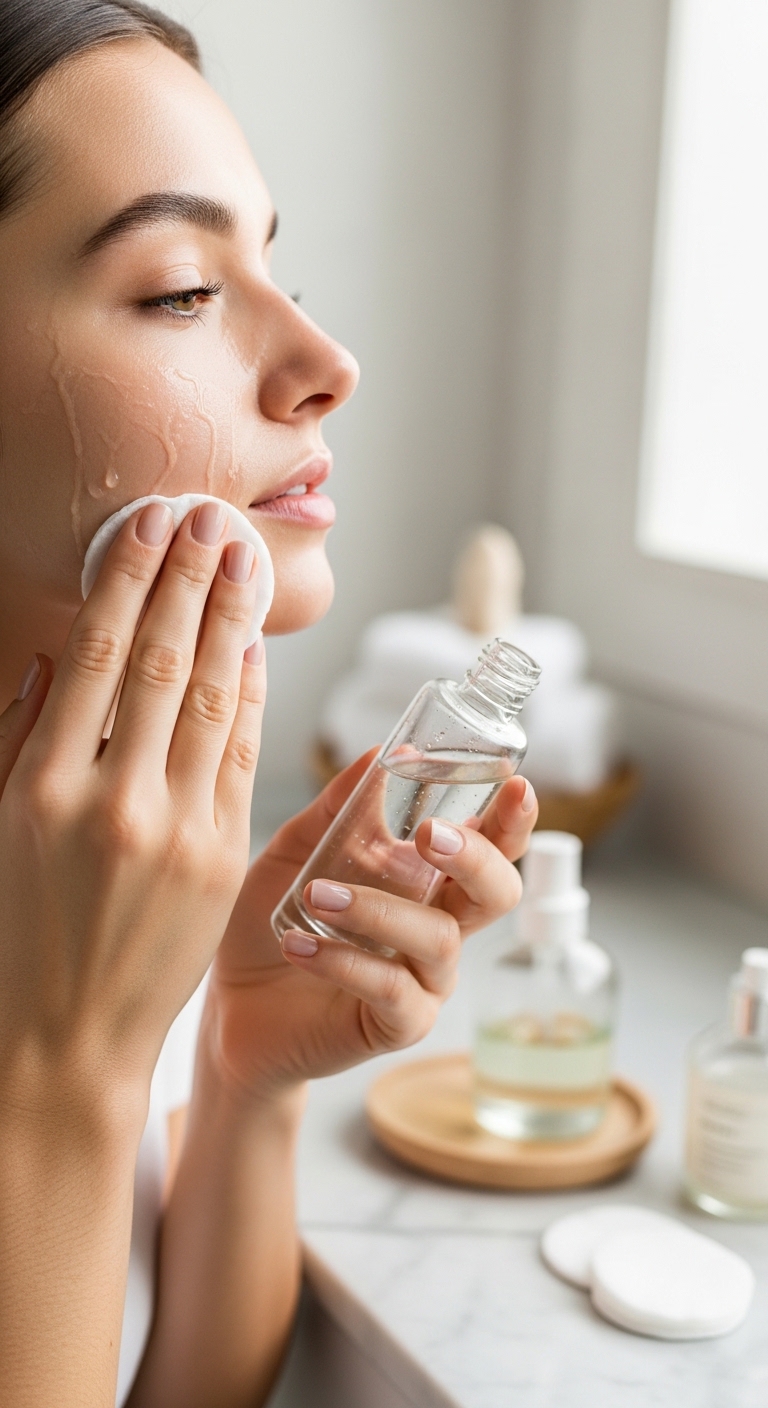
2. Alcohol‑Free Toning & pH Balancing
Apply a water‑based toner containing niacinamide (2‑5 %), witch hazel (distilled, alcohol‑free), or green tea extract. Pat it in with clean hands or a cotton pad.
Why it works: Niacinamide regulates sebum production, reduces inflammation, and improves barrier function. Witch hazel tightens pores temporarily without the drying effect of alcohol.
3. Targeted Treatment Serums
| Concern | Active Ingredient | Recommended Concentration | Frequency |
|---|---|---|---|
| Excess oil & enlarged pores | Niacinamide | 5 % | AM & PM |
| Active breakouts | Benzoyl peroxide (2.5 %) or Sulfur | Spot‑treat only | PM |
| Post‑inflammatory hyperpigmentation | Vitamin C (ascorbyl glucoside) | 10 % | AM |
| Texture & fine lines | Retinol (0.25‑0.5 %) | 2‑3×/week | PM |
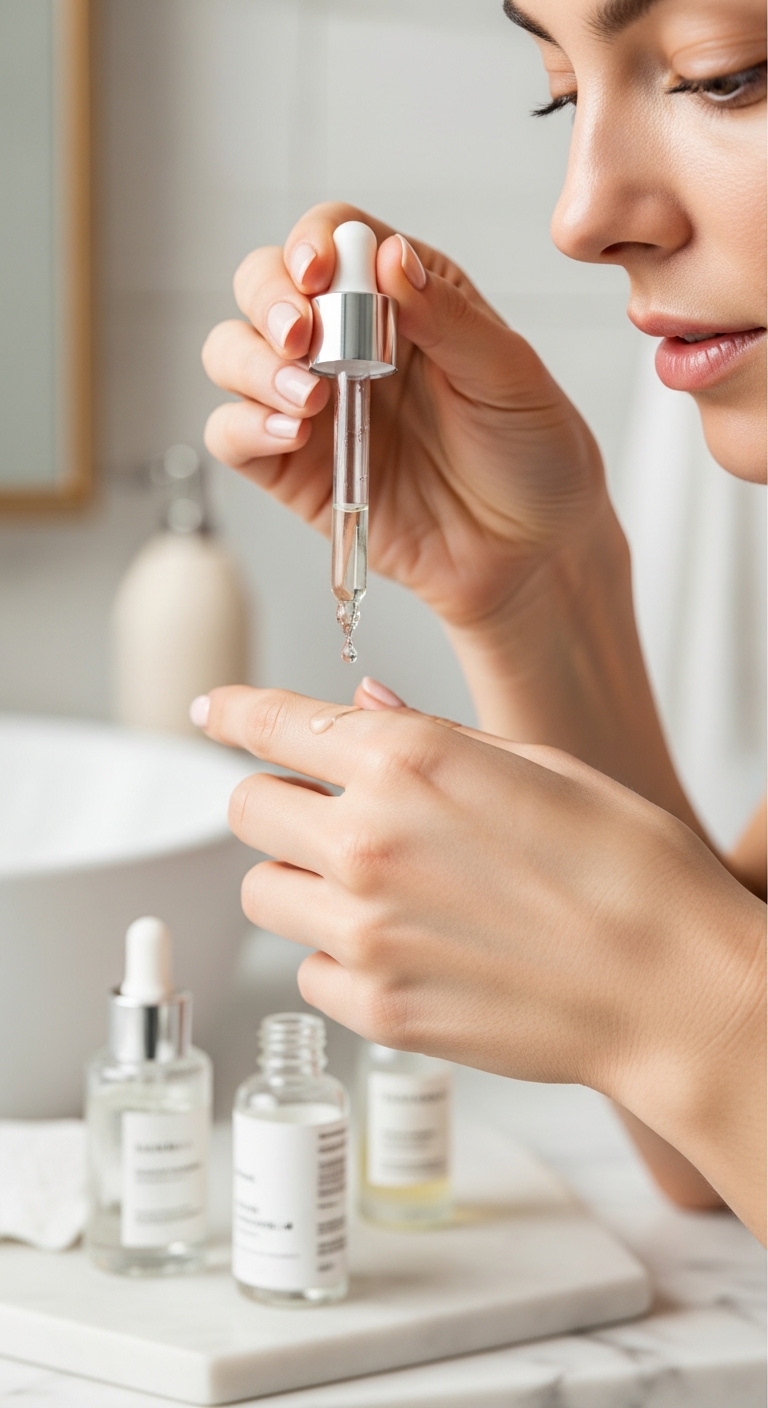
Why it works: Layering a niacinamide serum both morning and night creates a constant sebum‑regulating signal. Spot treatments keep active lesions from turning into cysts, while a stable vitamin C derivative brightens UV‑induced dark spots without irritation.
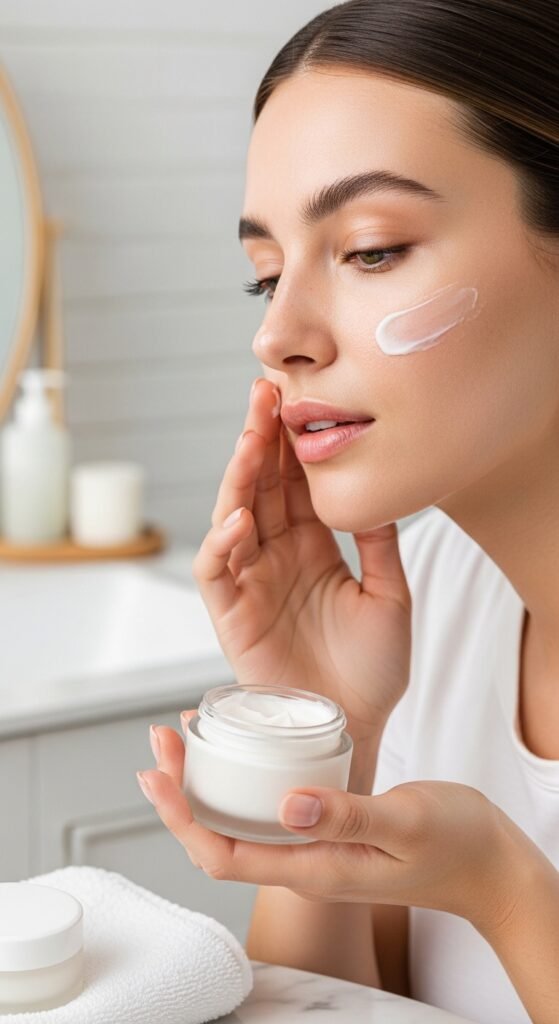
4. Lightweight, Oil‑Free Moisturization
Choose a gel‑cream or water‑gel moisturizer labeled “non‑comedogenic” and “oil‑free.” Key hydrators to look for: hyaluronic acid, glycerin, panthenol, and ceramides.
Why it works: Hydrated skin signals the sebaceous glands to slow down. A gel texture delivers moisture without adding a greasy film, keeping the skin supple and matte.
5. Broad‑Spectrum Sunscreen (SPF 30‑50)
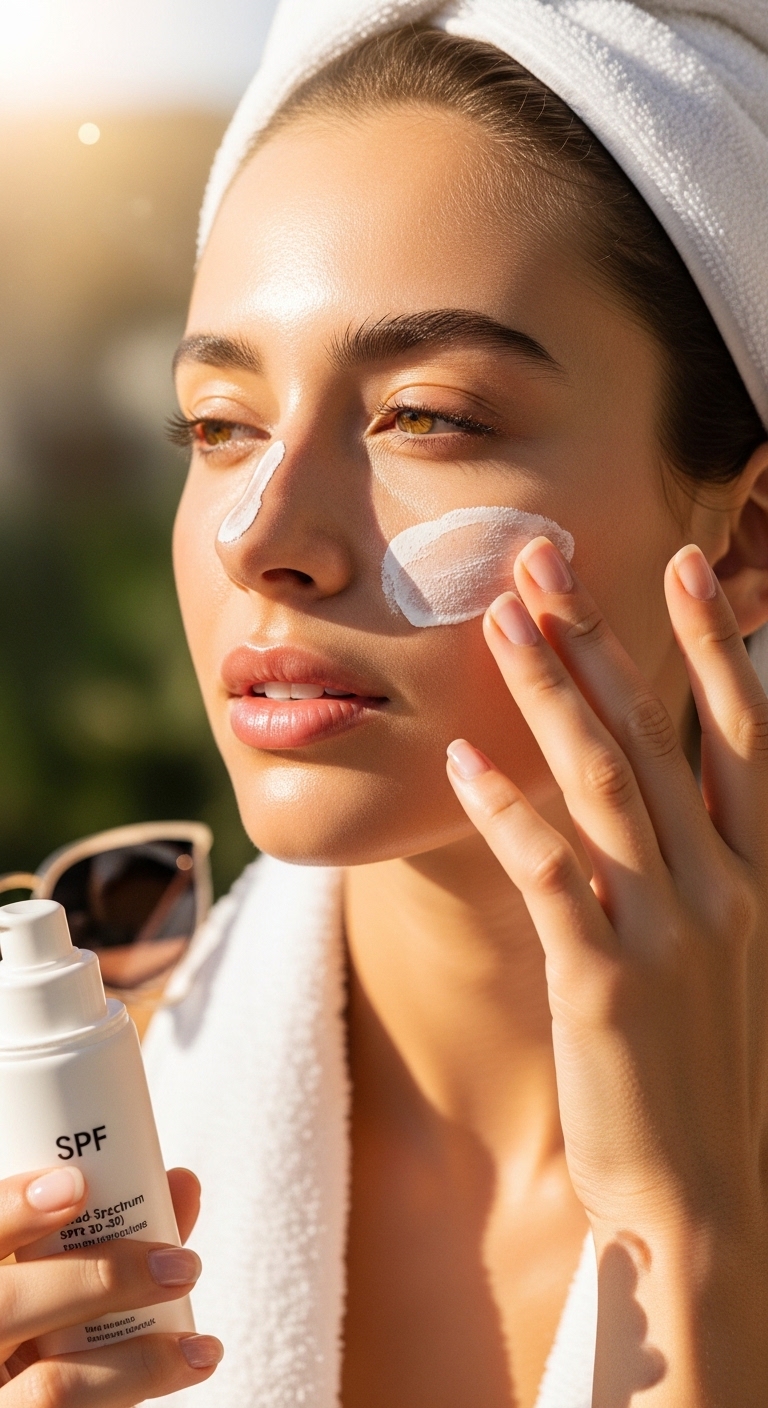
Select a mineral‑based (zinc oxide/titanium dioxide) or hybrid sunscreen with a matte finish and “dry‑touch” technology. Look for labels: “oil‑free,” “non‑comedogenic,” “water‑resistant 80 min.” Reapply every two hours, especially after swimming or sweating.
Why it works: Mineral filters sit on top of the skin, reflecting UV rays without penetrating pores. A matte formula absorbs excess oil throughout the day, preventing the “sunscreen shine” that many oily‑skin users dread.
Weekly Extras: Exfoliation & Masks
| Frequency | Treatment | How to Use |
|---|---|---|
| 1‑2×/week | Chemical exfoliant – AHA/BHA blend (glycolic 5 % + salicylic 2 %) | Apply after cleansing, leave 5‑10 min, rinse. |
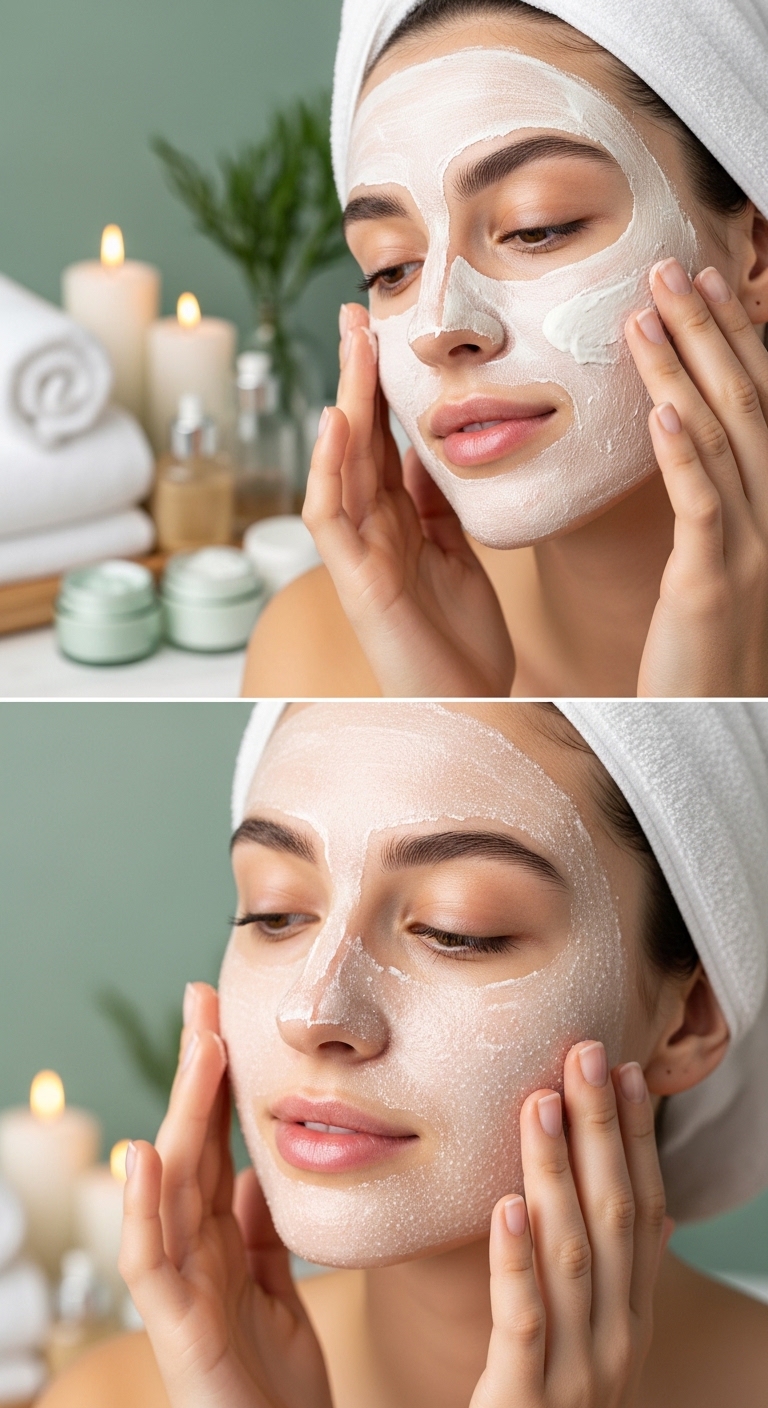
| 1×/week | Clay mask – Kaolin or Bentonite with charcoal | Spread thin layer, let dry 10 min, rinse with lukewarm water. |
| As needed | Hydrating sheet mask – Hyaluronic acid + centella asiatica | Use after a long day in the sun to calm inflammation. |
Why it works: Regular, mild chemical exfoliation prevents dead‑skin buildup that traps oil. Clay masks physically absorb excess sebum, while a soothing sheet mask restores barrier integrity after UV exposure.
Product‑Ingredient Cheat Sheet (What to Look For)
- Cleanser: Salicylic acid, tea tree oil, zinc PCA
- Toner: Niacinamide, green tea, licorice root extract
- Serum: Niacinamide, zinc PCA, vitamin C (ascorbyl glucoside), low‑dose retinol
- Moisturizer: Hyaluronic acid, glycerin, ceramides, dimethicone (for a silky finish)
- Sunscreen: Zinc oxide, titanium dioxide, silica (oil‑absorbing), antioxidants (vitamin E)
- Exfoliant: Glycolic acid, lactic acid, salicylic acid (combined)
- Mask: Kaolin, bentonite, charcoal, sulfur
Common Mistakes That Sabotage Oily‑Skin Summer Routines
| Mistake | Why It Hurts | Fix |
|---|---|---|
| Over‑cleansing (3+ times a day) | Strips barrier → rebound oiliness | Stick to twice daily + post‑sweat rinse |
| Skipping moisturizer | Dehydration → more sebum | Use a gel‑cream every AM/PM |
| Using heavy, occlusive sunscreens | Clogs pores, adds shine | Choose matte, mineral or hybrid formulas |
| Applying retinol every night | Irritation → inflammation → breakouts | Start 2×/week, buffer with moisturizer |
| Neglecting reapplication of SPF | UV damage → pigmentation, barrier loss | Set a phone reminder every 2 h |
| Using physical scrubs | Micro‑tears → irritation & more oil | Switch to chemical exfoliants |
Pro Tips for a Shine‑Free Summer
- Blot, Don’t Powder – Use oil‑absorbing blotting papers instead of layering powder, which can cake.
- Cool Your Products – Store toner and moisturizer in the fridge; the cold constricts pores temporarily.
- Hydrate Internally – Drink 2‑3 L water daily; dehydration shows up as excess oil.
- Choose Non‑Comedogenic Makeup – If you wear foundation, pick a water‑based, matte finish with silica.
- Sleep on a Clean Pillowcase – Change cotton cases twice a week; silk reduces friction and oil transfer.
- Incorporate a Weekly “Skin Fast” – One night a week, cleanse only and skip actives to let the barrier recover.
Key Takeaways
- Cleanse twice daily with a salicylic‑acid gel to keep pores clear without stripping.
- Tone with niacinamide to regulate sebum and calm inflammation.
- Layer a niacinamide serum AM/PM plus targeted spot treatments or vitamin C as needed.
- Moisturize with an oil‑free gel‑cream containing hyaluronic acid and ceramides.
- Never skip a matte, non‑comedogenic SPF 30‑50; reapply every two hours.
- Exfoliate 1‑2×/week using a mild AHA/BHA blend; add a clay mask for oil absorption.
- Avoid over‑cleansing, heavy sunscreens, and skipping moisturizer—the three biggest culprits of summer shine.
FAQs
1. What is the best summer skincare routine for oily skin?
A five‑step routine—gel cleanser with salicylic acid, alcohol‑free niacinamide toner, niacinamide serum, oil‑free gel moisturizer, and matte mineral sunscreen—controls shine, prevents breakouts, and protects against UV damage.
2. How often should I exfoliate oily skin in summer?
1‑2 times per week using a gentle AHA/BHA blend; more frequent exfoliation can irritate and trigger excess oil production.
3. Can I skip moisturizer if my skin feels oily?
No. Skipping moisturizer dehydrates the skin, causing it to produce even more sebum. Use a lightweight, non‑comedogenic gel‑cream instead.
4. Which sunscreen ingredients are best for oily skin?
Zinc oxide and titanium dioxide (mineral filters) with a dry‑touch, matte finish; avoid heavy silicones or oils.
5. Is it safe to use retinol in the summer?
Yes, but start low (0.25 %) and use only 2‑3 nights a week, always followed by a moisturizer and daily SPF.
6. How do I stop my sunscreen from making my face shiny?
Choose a “dry‑touch” or “matte” formula, apply a thin layer, and blot with oil‑absorbing papers throughout the day.
7. What ingredients help reduce pore appearance?
Niacinamide, salicylic acid, and clay masks temporarily tighten pores and regulate oil flow.
8. Should I use a toner if I have oily skin?
Yes—an alcohol‑free toner with niacinamide or green tea balances pH, removes residual cleanser, and preps skin for serums.
Conclusion
A summer skincare routine for oily skin that actually works hinges on balancing oil control with hydration and relentless sun protection. By following the five‑step core regimen—cleanse, tone, treat, moisturize, protect—and supplementing with weekly exfoliation and clay masking, you’ll keep the T‑zone matte, pores clear, and complexion resilient against heat‑induced breakouts. Remember to avoid the common pitfalls of over‑cleansing and heavy sunscreens, and adopt the pro tips (blotting, cool products, internal hydration) for an extra edge. Stick with the routine consistently, adjust only when your skin signals a change, and you’ll enjoy a shine‑free, healthy glow all summer long.