Best Moisturizer For Summer Skin That Is Light And Dewy
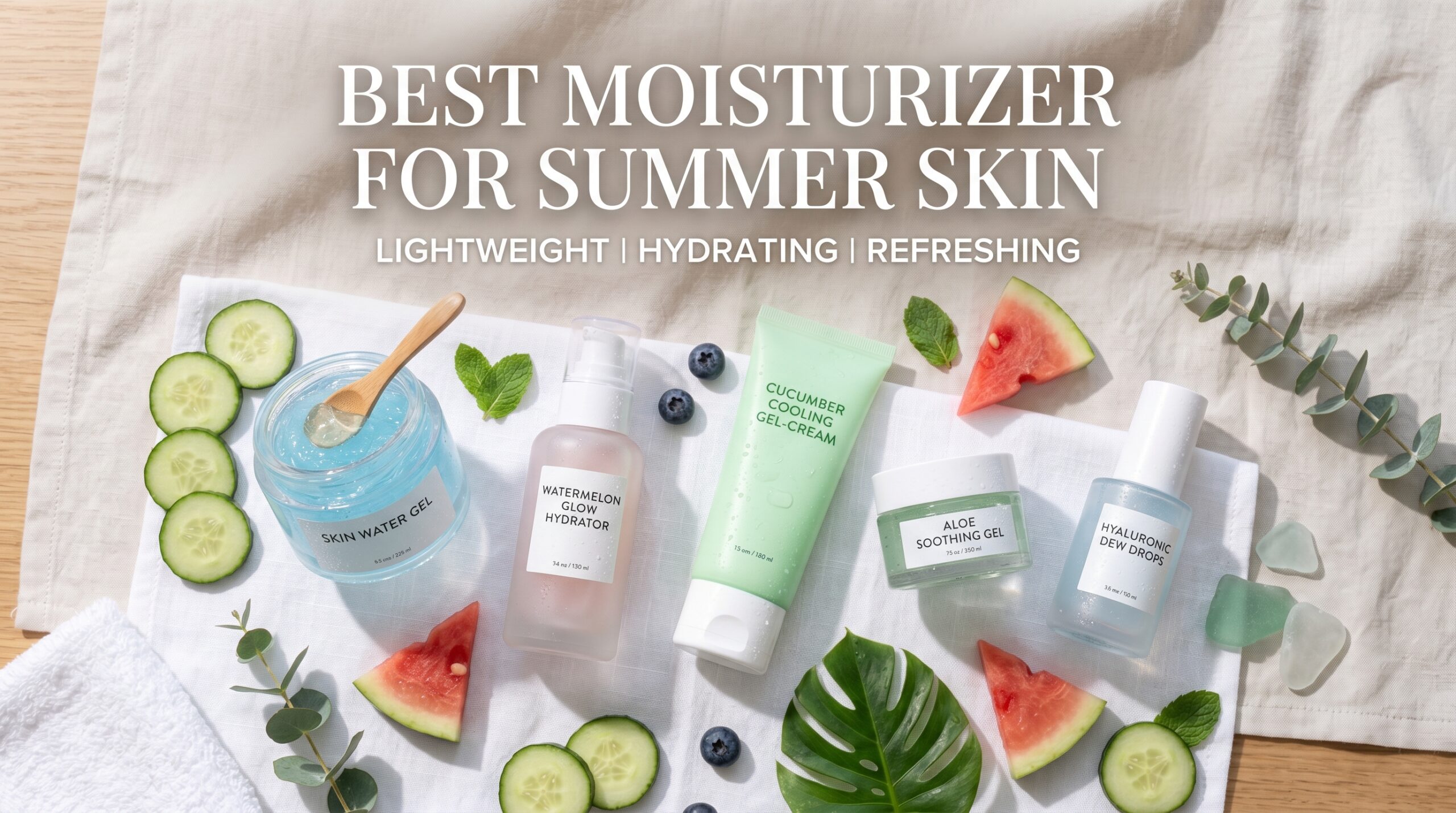
The search for the best moisturizer for summer skin that is light and dewy becomes urgent when heavy winter creams start melting off your face the moment humidity rises. Summer skincare demands a fundamental shift away from rich, occlusive balms toward breathable, water-based formulas that replenish lost hydration without adding grease or triggering breakouts. A truly effective warm-weather moisturizer balances lightweight texture with genuine skin-barrier support, delivering that coveted fresh, luminous finish rather than a slick shine. In this guide, you will learn exactly what separates a seasonal hero from a year-round flop, which ingredients create lasting dewiness in the heat, and how to match the right formula to your skin type so your complexion stays plump, protected, and radiant from June through September.
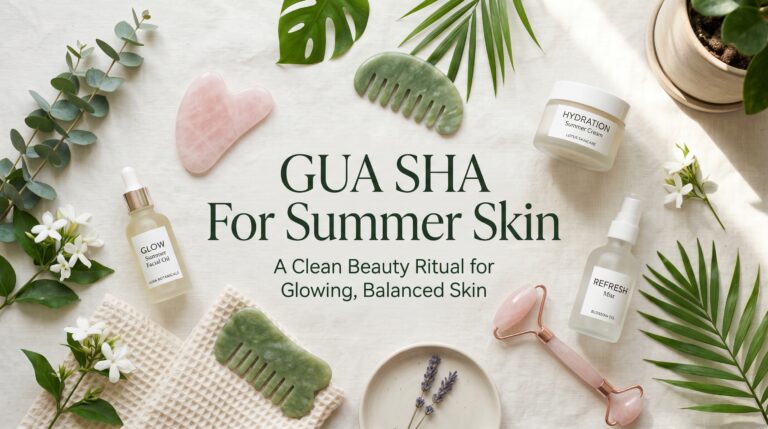
Also Read: Gua Sha For Summer Skin: Benefits And How To Use It
What “Light and Dewy” Actually Means for Summer Skin
The phrase “light and dewy” describes a specific sensorial and visual result: skin that looks freshly hydrated, reflects light softly, and never feels like it is wearing a mask. In practice, this means the moisturizer sinks in within seconds, leaves no tacky film, and provides a smooth, slightly luminous canvas that sits well under sunscreen and makeup. Achieving this in summer is uniquely challenging because high temperatures increase sweat and sebum production, while UV exposure and air conditioning simultaneously deplete water content in the skin. The ideal summer moisturizer must therefore perform a delicate balancing act: it must deliver enough water-binding ingredients to prevent dehydration, yet remain so breathable that it does not mix with perspiration to create a greasy, suffocating layer on the surface. When formulators talk about a dewy finish, they are referring to the optical effect of well-hydrated cells that plump the skin’s surface, reducing the appearance of fine lines and creating that youthful, glass-skin reflection. This is fundamentally different from the shine caused by excess oil, which sits on top of the skin and feels slick to the touch.
The Difference Between Dewy and Greasy
Dewiness comes from water content within the skin, while greasiness comes from oil sitting on top of it. A dewy complexion feels soft and looks evenly radiant; a greasy complexion looks shiny in patches, particularly across the T-zone, and can feel thick or waxy. Many people mistakenly associate all radiance with oiliness and respond by stripping their skin or skipping moisturizer entirely, which only deepens dehydration and triggers more sebum production. True dewy hydration is achieved through water-loving ingredients called humectants, which pull moisture into the stratum corneum, paired with just enough emollient to seal that water in without forming an impermeable film. In summer, the ratio should skew heavily toward humectants and lightweight emollients, saving richer occlusives for nighttime repair or air-conditioned environments where transepidermal water loss is higher.
Why Texture Matters More in Humidity
Humidity changes how products behave on your skin. In dry winter air, thick creams evaporate slowly and feel comforting; in humid summer air, those same creams can feel suffocating, pill under sunscreen, or migrate into your eyes with sweat. Lightweight textures such as gels, jelly balms, and fluid lotions are formulated with higher water content and lower oil content, allowing them to spread thinly and set quickly. They also tend to rely on silicone alternatives or breathable polymers that create a silky finish without clogging pores. If you have ever applied a favorite winter cream in July and found your face looking like a glazed doughnut by noon, you have experienced the texture mismatch firsthand. Summer demands formulas that respect the skin’s need to thermoregulate through perspiration while still delivering active hydration where it is needed.
Why Your Winter Moisturizer Stops Working in Summer
To understand why you need to switch moisturizers seasonally, it helps to understand the three functional categories of moisturizing ingredients: humectants, emollients, and occlusives. Humectants like hyaluronic acid and glycerin attract water. Emollients like squalane and ceramides soften and smooth the skin barrier. Occlusives like petrolatum, dimethicone in high concentrations, and plant butters form a physical seal to prevent water loss. Winter formulas are typically occlusive-heavy because cold, dry air aggressively pulls moisture from the skin. Summer air, however, is already moisture-laden, and your skin produces more of its own sebum as a natural occlusive. Adding a thick layer of external occlusive on top of that natural oil and sweat creates a biologically unnecessary barrier that can trap heat, enlarge the appearance of pores, and lead to congestion or heat rash.
The Science of Occlusives vs. Humectants in Heat
When ambient humidity rises above approximately 50 percent, humectants can draw water from the atmosphere into your skin rather than pulling it from the deeper dermis. This makes summer the ideal season to exploit water-binding ingredients at higher concentrations. Occlusives, by contrast, become less necessary during the day because the external environment is no longer wicking moisture away at a rapid rate. Your daytime summer moisturizer should function more like a hydrating serum with a touch of emollient sealant, whereas your winter moisturizer functions like a protective coat. Dermatologists often note that patients who continue using heavy barrier creams through July and August see an uptick in closed comedones and inflammatory acne simply because the skin cannot properly shed and cool itself beneath that occlusive blanket.
How Heat and Humidity Change Skin Barrier Needs
Heat expands blood vessels and increases perspiration, which, while cooling, also alters the skin’s pH and depletes water-soluble natural moisturizing factors. Air conditioning then compounds the problem by creating artificially dry microclimates that shock the skin. The result is a paradox: skin can be simultaneously oily on the surface and dehydrated underneath. A summer moisturizer must address this dual condition by replenishing water-based hydration without adding fuel to the oil fire. Formulas that contain electrolytes, amino acids, and osmolytes help skin cells maintain balance despite these rapid environmental swings, supporting barrier resilience without the weight of traditional cold-weather creams.
The Key Ingredients Behind a Lightweight, Dewy Finish
The ingredient list tells the real story of whether a moisturizer will deliver summer-appropriate dewiness or midday shine. Look for formulas that stack multiple humectants, pair them with non-comedogenic emollients, and include soothing agents to calm UV-induced inflammation.
Humectants That Draw In Water
Hyaluronic acid is the most famous humectant, capable of holding up to one thousand times its weight in water, but it works best when paired with other hydrators like glycerin, panthenol, betaine, and tremella mushroom extract. These ingredients create a reservoir of moisture within the upper layers of skin, producing that plump, dewy effect that reflects light evenly. Polyglutamic acid is another emerging humectant that forms a lightweight film on the skin, boosting hydration even more effectively than hyaluronic acid in some formulations. In summer, these ingredients are your primary glow-givers because they increase water content without adding any lipid weight to the skin surface.
Weightless Emollients and Barrier Support
While humectants pull water in, emollients ensure the skin barrier remains supple and that water does not evaporate immediately. Squalane, derived from olives or sugarcane, mimics human sebum so closely that it absorbs almost invisibly, making it ideal for a dewy finish without shine. Jojoba oil, though technically a wax ester, behaves similarly and is well-tolerated even by acne-prone skin. Ceramides and cholesterol in micro-dosed amounts help repair the lipid matrix of the barrier without the heft of a traditional cream base. These ingredients allow you to maintain skin integrity even when you are cleansing more frequently to remove sweat and sunscreen.
Soothing Botanicals and Antioxidants
Summer skin is under constant low-grade assault from UV radiation, pollution, and heat. Botanicals like aloe vera, centella asiatica, cucumber extract, and chamomile provide cooling, anti-inflammatory benefits that reduce redness and prevent the dull, reactive complexion that undermines dewiness. Antioxidants such as vitamin E, green tea extract, and resveratrol neutralize free radicals generated by sun exposure. When these are built into your moisturizer, they reduce the number of separate layers you need to apply, keeping your routine lightweight and your skin less likely to react or congest under multiple products.
Ingredients to Avoid in a Summer Moisturizer
Just as important as what you include is what you exclude. Certain ingredients that are benign or even beneficial in winter become problematic when temperatures climb.
Heavy Occlusives That Trap Heat
Petrolatum, mineral oil in high concentrations, lanolin, and rich butters like shea and cocoa butter create an impermeable seal. In winter, this prevents windburn and chapping; in summer, it prevents your skin from breathing and sweating efficiently. Trapped sweat can lead to miliaria, commonly known as heat rash, and can stretch pores over time. If you love the feel of a rich cream, reserve it for post-sun evening recovery or for days when you are in aggressive air conditioning all day, and choose a much lighter vehicle for your morning routine.
Comedogenic Oils and Excess Fragrance
Coconut oil, wheat germ oil, and certain forms of palm oil score highly on comedogenic scales and are best avoided in daytime summer moisturizers, particularly if you are prone to breakouts. While not all oils are bad—squalane and jojoba are notable exceptions—dense, slow-absorbing oils mix poorly with sweat and SPF, leading to pilling and a greasy cast. Additionally, high concentrations of synthetic fragrance and essential oils like citrus, mint, and lavender can become phototoxic or sensitizing when exposed to sunlight, causing hyperpigmentation or irritation that no amount of dewy hydration can camouflage.
The Best Moisturizer Formulas for Summer
Understanding formula architecture helps you navigate the beauty aisle with confidence. These four categories consistently deliver the light, dewy finish summer skin craves.
Gel Moisturizers
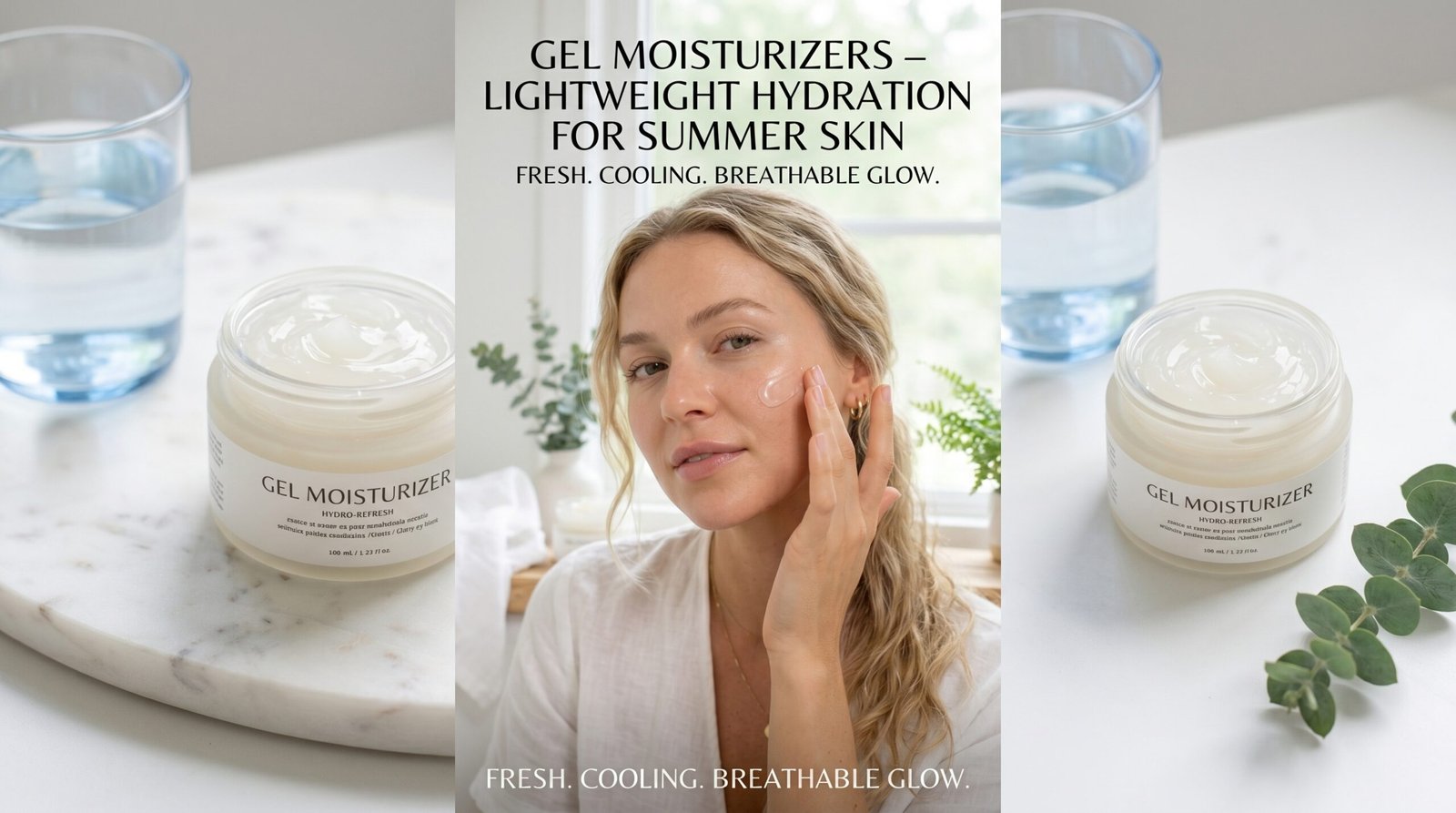
True gels are predominantly water-based, often oil-free, and rely on polymers and humectants to create a bouncy, cooling texture. They absorb almost instantly and leave a satin-to-dewy finish that feels like nothing on the skin. Gel moisturizers are ideal for oily and combination skin types living in humid climates because they provide hydration without any emollient weight. However, very dry skin may find pure gels insufficient alone and will need to layer them over a hydrating serum.
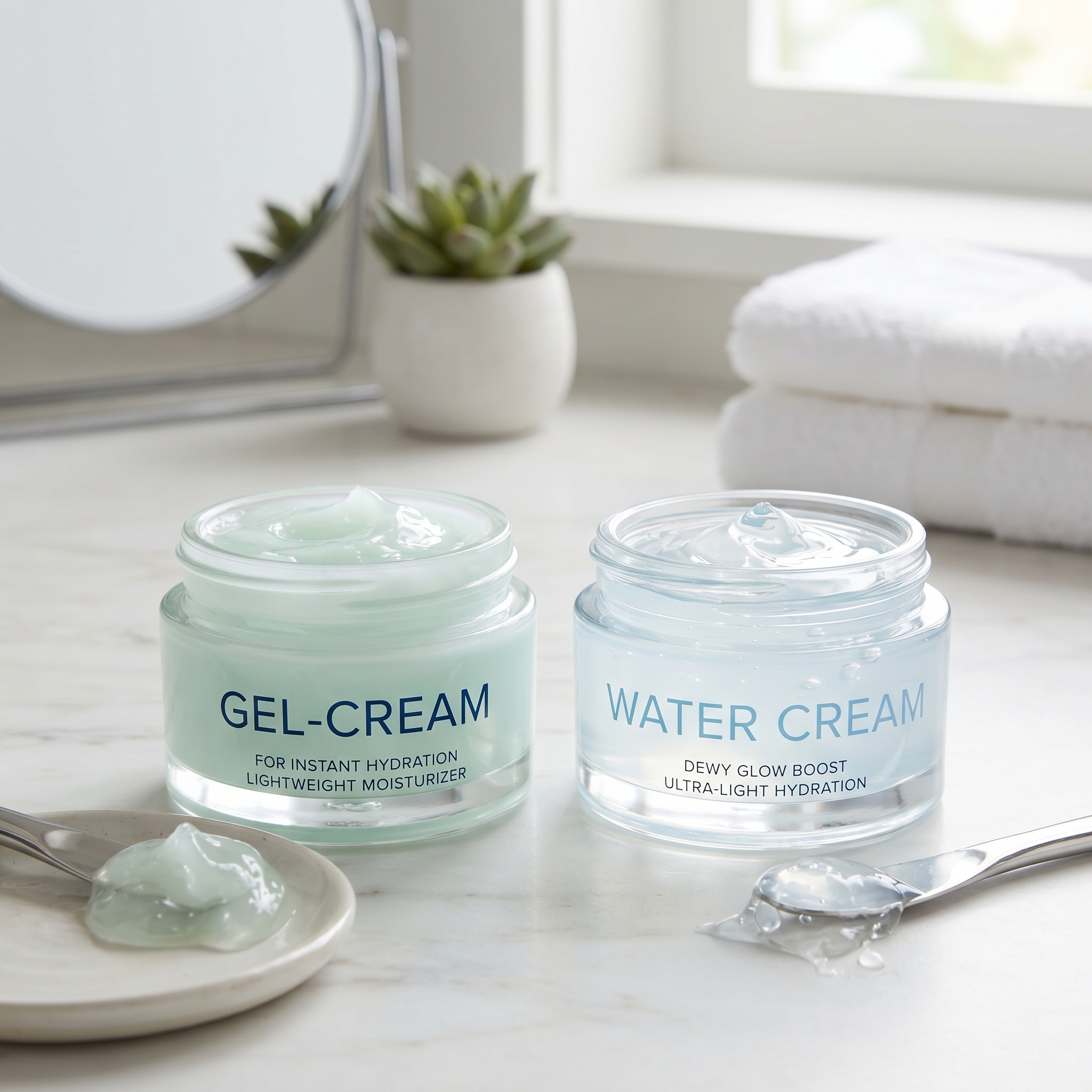
Gel-Creams and Water Creams
Gel-creams represent the sweet spot for most summer routines. They start with a water-gel base but incorporate a small percentage of lightweight emollients or ceramides to provide a touch more nourishment and longevity than a pure gel. Water creams, a term popularized by several luxury Korean and Japanese beauty brands, use burst-technology or micro-encapsulation to release water and nutrients upon application, creating an intense hydration flash that dries down to a smooth, luminous film. These formats work beautifully for normal, combination, and even dry skin in summer.
Lightweight Lotions and Emulsions
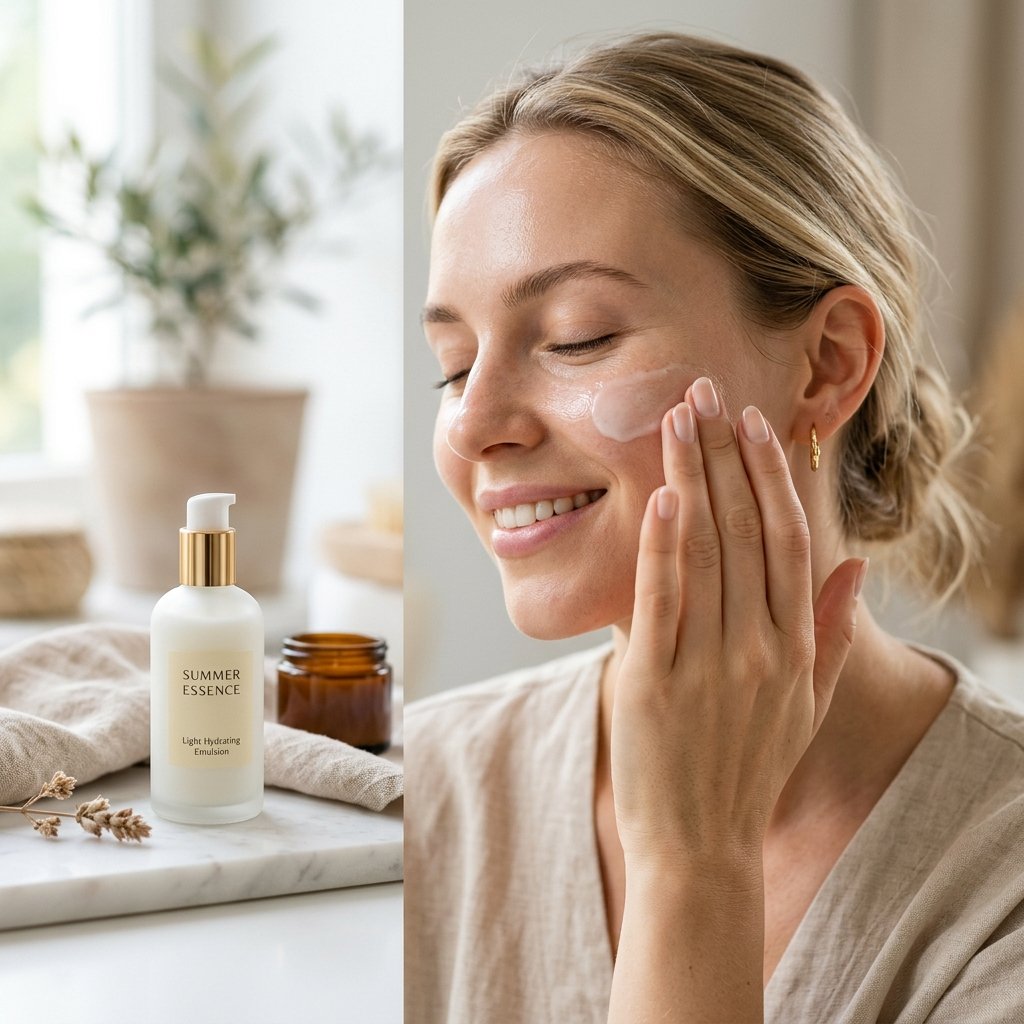
Lotions have a higher water-to-oil ratio than creams but are more fluid than gels. Emulsions, common in East Asian skincare routines, are even thinner, milky layers designed to seal in essences and serums without heaviness. These are excellent choices if your skin is normal to dry and you need more than a gel but less than a cream. They layer well under broad-spectrum sunscreen and tend to contain elegant spreads of humectants and fermented extracts that promote that lit-from-within glow.
Hydrating Milks and Fluid Balms
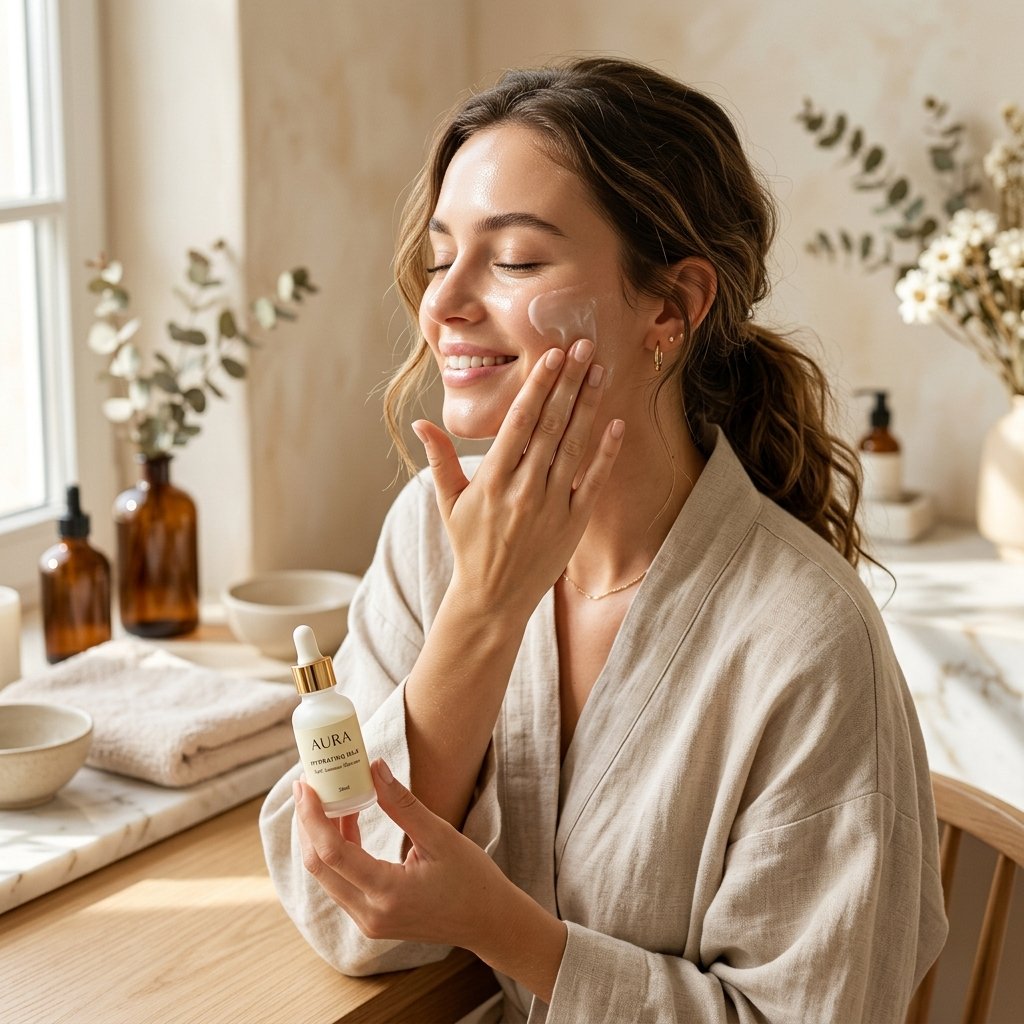
For those who prefer a single-step morning routine, hydrating milks and fluid balms offer a serum-moisturizer hybrid texture. They are runny, sink in rapidly, and often contain a blend of humectants, niacinamide for pore refinement, and micro-doses of plant oils. These are particularly effective for mature skin that needs dewiness but cannot tolerate the weight of traditional anti-aging creams in August heat.
How to Choose the Right Formula for Your Skin Type
A moisturizer can only be the “best” if it aligns with your skin’s specific summer behavior. Here is how to match formula to physiology.
Oily and Acne-Prone Skin
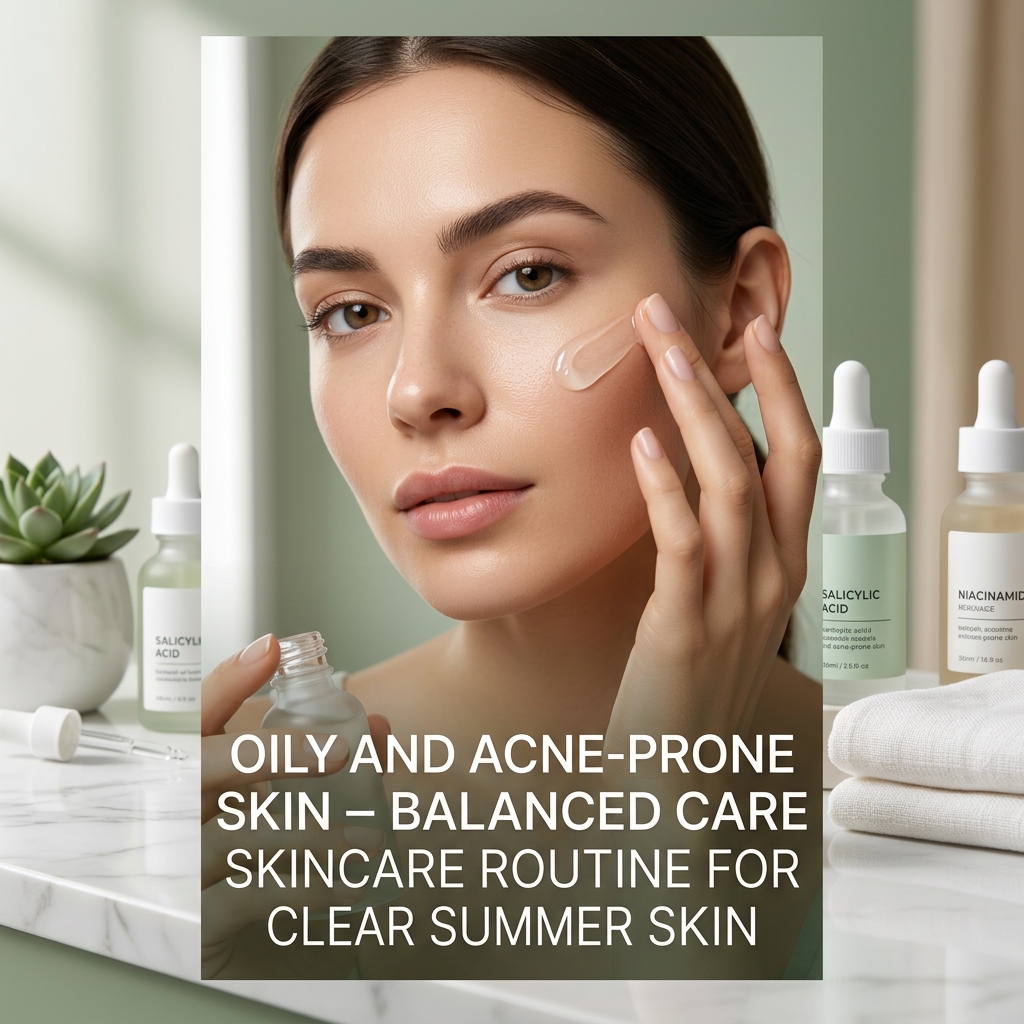
Your skin already produces plenty of occlusive oil, so you need water and soothing, not grease. Choose an oil-free gel moisturizer with niacinamide to regulate sebum, zinc to calm inflammation, and hyaluronic acid to hydrate without clogging. Non-comedogenic labeling is essential. Avoid any product that lists multiple plant oils or butters in the top five ingredients. A matte-dewy finish—hydrated but not shiny—is your target.
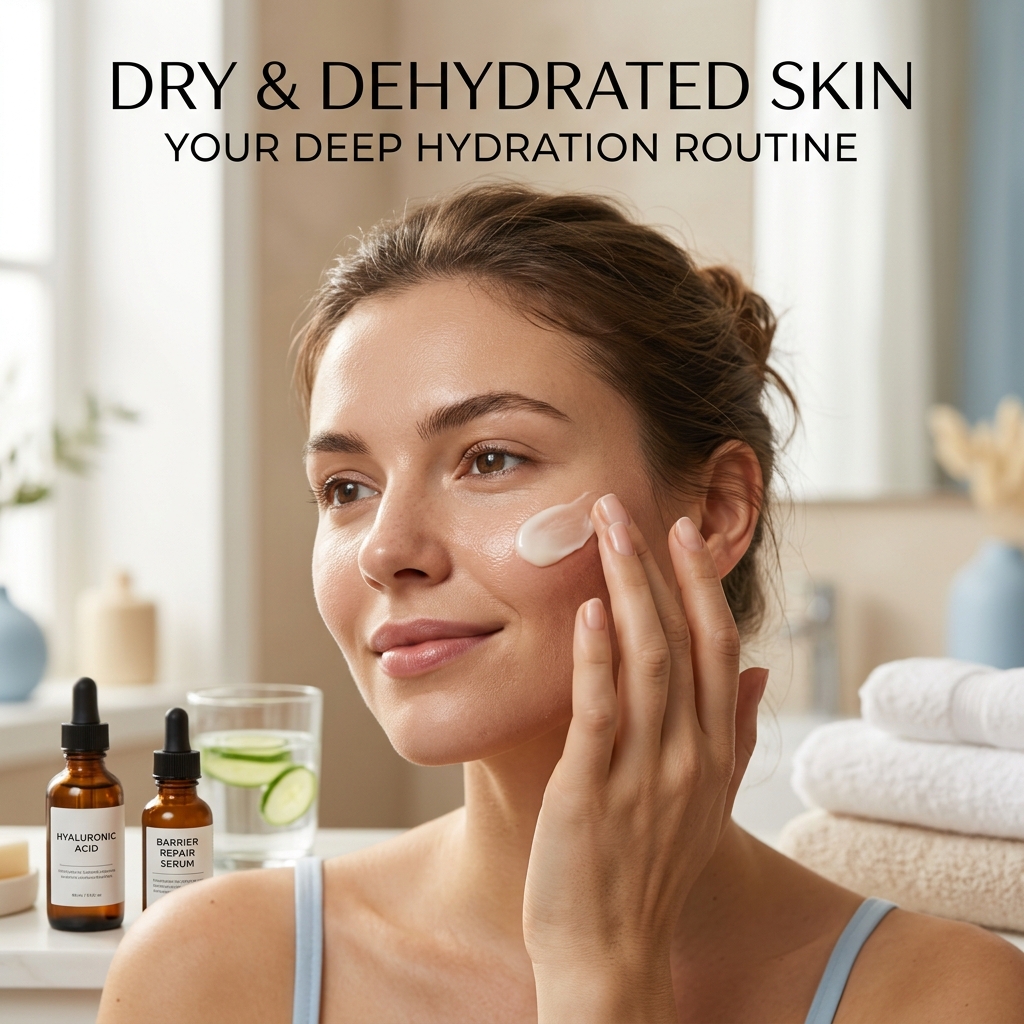
Dry and Dehydrated Skin
Dry skin lacks lipids; dehydrated skin lacks water. In summer, you may lack water more than oil. Opt for a gel-cream or lightweight lotion that contains both humectants and a modest amount of ceramides or squalane. Layering is your friend: apply a hyaluronic acid serum to damp skin, then follow with your moisturizer to seal it. You can still achieve dewiness without resorting to winter balms; the key is multiple thin layers rather than one thick occlusive layer.
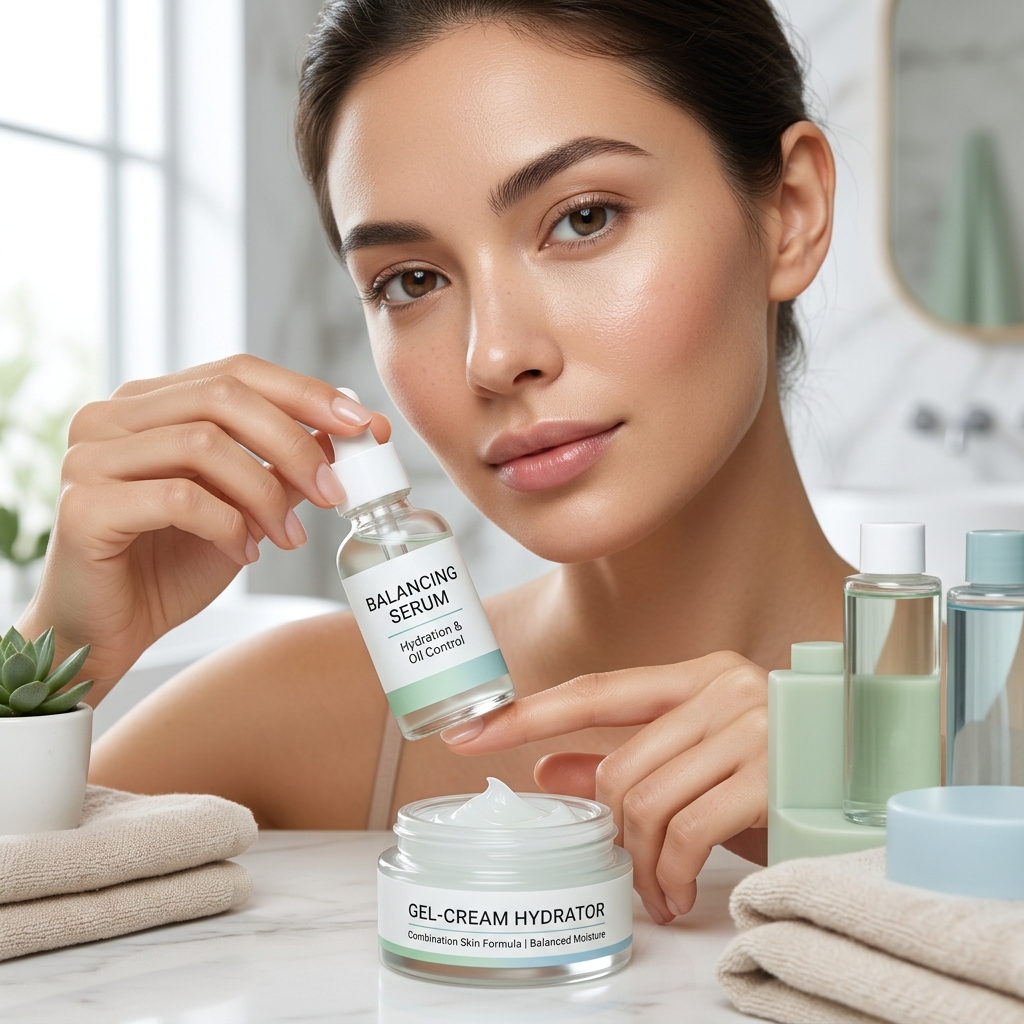
Combination Skin
Combination skin requires strategic zoning or a balanced formula that hydrates dry cheeks without overwhelming an oily T-zone. A gel-cream with a breathable emollient base works well because it normalizes both areas. Alternatively, use a featherlight gel all over and add a drop of squalane oil only to the drier areas. Look for formulas containing balancing ingredients like green tea or willow bark extract that gently mattify where needed while maintaining overall hydration.
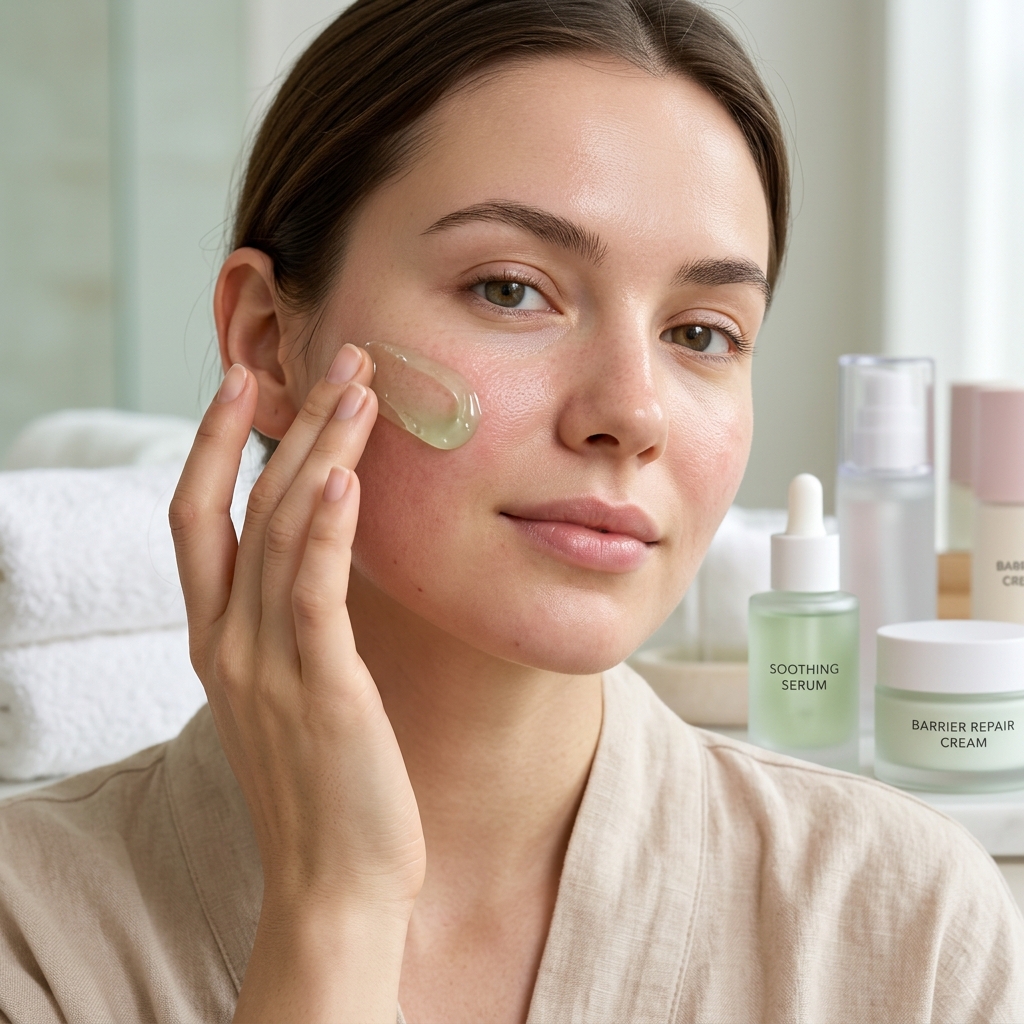
Sensitive and Reactive Skin
Heat and sun exposure exacerbate redness and reactivity. Choose fragrance-free, dye-free gel or lotion formulas with minimal ingredient lists. Centella asiatica, allantoin, bisabolol, and colloidal oatmeal are excellent calming agents. Avoid chemical sunscreen filters in your moisturizer if you are sensitive; instead, use a separate mineral SPF over a simple, gentle hydrator. The goal is to reduce the total number of potential irritants while keeping the barrier calm and dewy.
Application Secrets for All-Day Dewiness
How you apply your moisturizer matters almost as much as which one you choose. Technique can mean the difference between a glow that lasts until lunch and one that evaporates by mid-morning.
The Damp-Skin Method
Humectants like hyaluronic acid require water to bind to; if applied to bone-dry skin in a dry room, they can actually pull water from the deeper dermis outward, causing transient dehydration. After cleansing, do not towel your face completely dry. While your skin is still slightly damp, apply your moisturizer to lock in that surface water. This simple step amplifies hydration levels significantly and creates the plump, dewy base that lasts longer throughout the day.
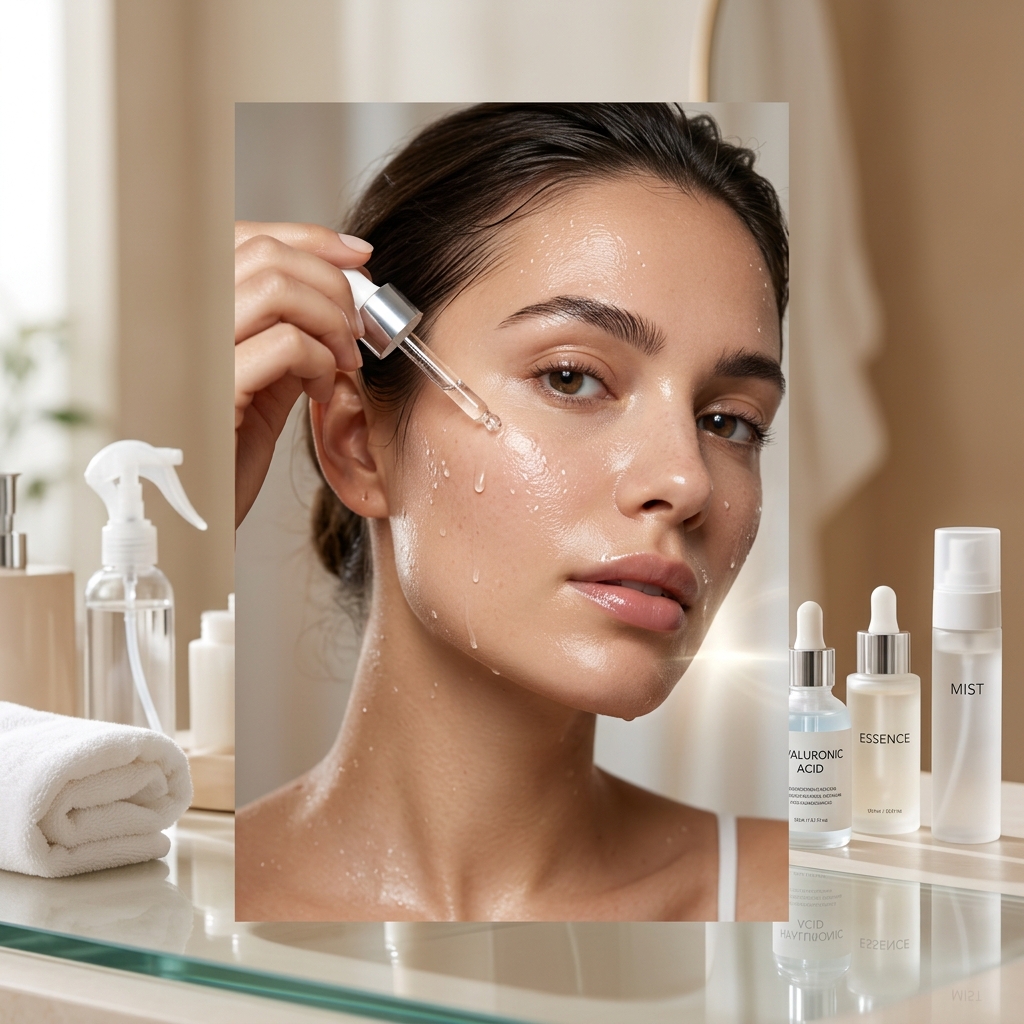
Layering with Serums and Sunscreen
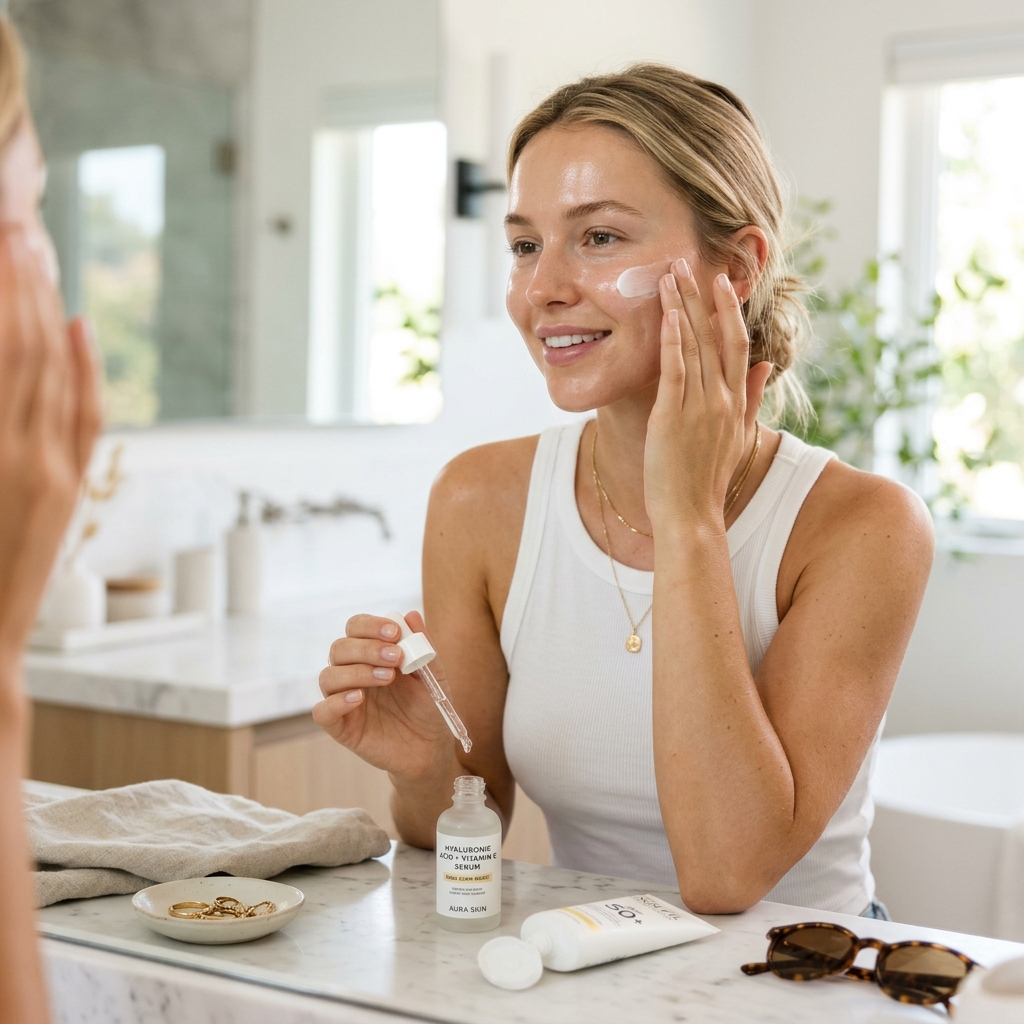
For maximum dewiness without heaviness, use a thin, watery hydrating essence or serum underneath your gel-cream, then allow each layer one to two minutes to absorb before applying the next. Your broad-spectrum SPF should be the final step. If your sunscreen is matte or drying, a dewy moisturizer underneath becomes even more critical to prevent a flat, chalky finish. Press products into the skin rather than rubbing aggressively; this minimizes friction, supports barrier health, and leaves a smoother surface that reflects light more evenly.
Rehydrating Without Ruining Makeup
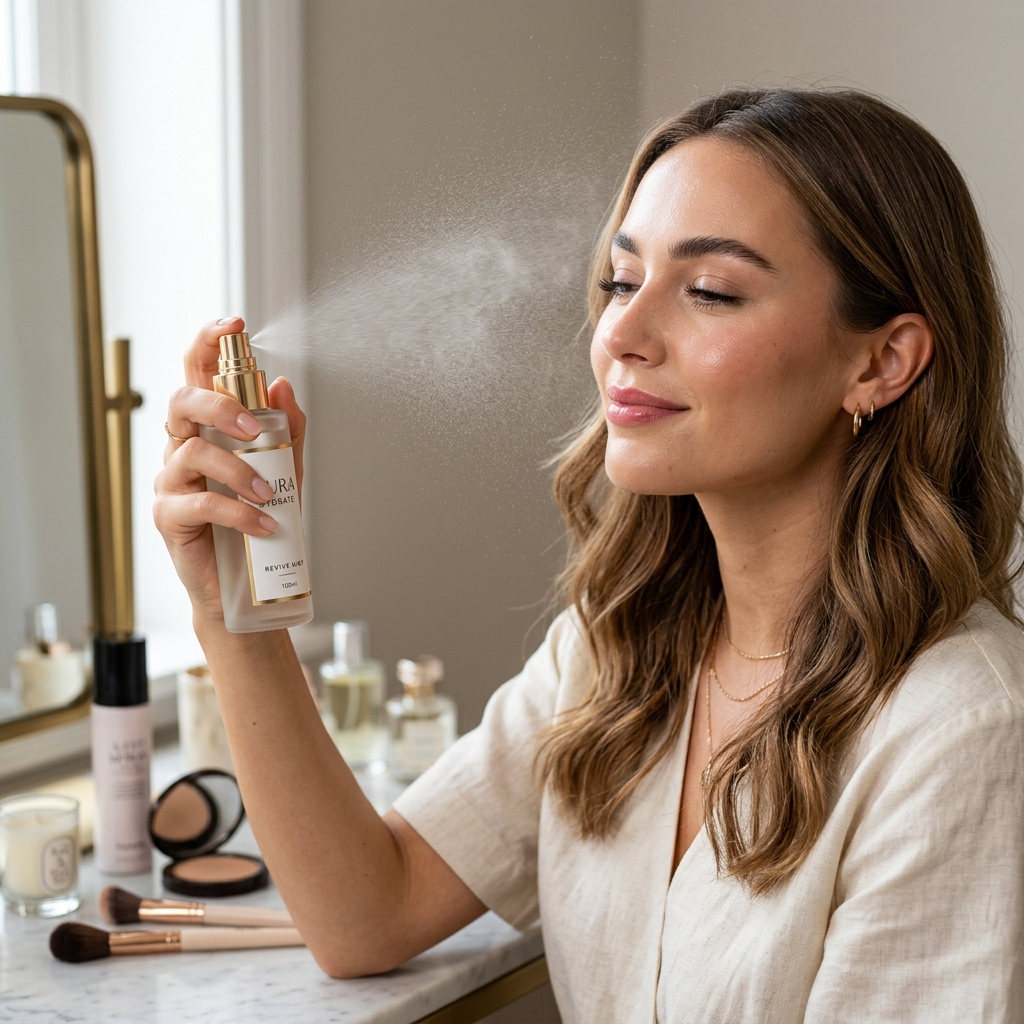
If your dewiness fades by afternoon, resist the urge to pile on more cream over makeup. Instead, use a fine facial mist containing humectants and thermal water, then gently press a tiny amount of gel moisturizer between your fingertips and pat it over high points like cheekbones and the bridge of the nose. Alternatively, a cushion compact with a hydrating essence can refresh both coverage and moisture simultaneously. This targeted approach revives luminosity without dissolving your sunscreen or base layer.
Common Summer Moisturizing Mistakes
Even with the right product, certain habits sabotage your quest for light, dewy skin.
Skipping Moisturizer Because It Feels “Too Heavy”
This is perhaps the most damaging summer skincare mistake. When you skip moisturizer, your skin detects dehydration and can respond by producing more oil, leading to a shiny, congested complexion that is actually under-hydrated. The solution is not omission; it is switching to a texture appropriate for the season. A properly chosen summer moisturizer should feel like a cool drink of water, not a heavy blanket.
Using Your Night Cream During the Day
Night creams are typically richer, more occlusive, and may contain retinoids or acids that increase photosensitivity. They are formulated for repair during sleep, not for compatibility with sweat, makeup, and sunscreen. Continuing to use your night cream as a day cream in summer is a recipe for midday shine, pilling, and potential breakouts. Keep your daytime and nighttime routines distinct.
Ignoring SPF Integration
No moisturizer, however dewy, can protect you from UV-induced dehydration and damage if you are not using sunscreen. Some daytime moisturizers contain SPF, but most people do not apply enough moisturizer to achieve the labeled protection factor. Use a separate broad-spectrum SPF 30 or higher, and treat your moisturizer as the hydration step that preps skin for that protection. Dewy skin is healthy skin, and healthy skin is protected skin.
Building Your Complete Summer Skincare Routine
Your moisturizer does not work in isolation. A streamlined summer routine supports its performance and ensures your dewy finish is built on genuinely healthy skin.
Start with a gentle, non-stripping cleanser—either a gel cleanser or a light oil cleanser if you wear waterproof sunscreen. Follow with a pH-balancing toner or essence if you enjoy that step, though it is optional. Apply a targeted serum: vitamin C in the morning for antioxidant protection and brightening, or a lightweight peptide or niacinamide serum for barrier support. Then apply your best moisturizer for summer skin that is light and dewy, using the damp-skin method described above. Finish with a generous layer of broad-spectrum sunscreen. At night, double cleanse to remove SPF and pollution, then apply any treatment serums, followed by a slightly richer gel-cream or a sleeping mask if your skin is dry. The entire routine should feel breathable; if your face feels coated, you are using too many heavy layers.
Key Takeaways
- The best moisturizer for summer skin that is light and dewy relies on water-based gel, gel-cream, or lightweight lotion textures rich in humectants like hyaluronic acid and glycerin.
- Avoid heavy occlusives such as petrolatum, shea butter, and comedogenic oils in your daytime routine, as they trap heat and sweat and can lead to congestion.
- Match your formula to your skin type: gels for oily skin, gel-creams for combination and normal skin, and lightweight lotions or layered hydrators for dry skin.
- Apply moisturizer to slightly damp skin and press rather than rub to maximize hydration retention and create a smooth, light-reflecting finish.
- Never skip moisturizer in summer, even if you are oily; dehydration triggers rebound oil production that undermines both comfort and clarity.
- Always pair your morning moisturizer with a separate broad-spectrum sunscreen to protect the dewy, hydrated barrier you have built.
Frequently Asked Questions
What is the best moisturizer for summer skin that is light and dewy?
The best option is a gel-cream or water-based gel formula containing hyaluronic acid, glycerin, and squalane. These textures absorb instantly, hydrate deeply without oil, and leave a fresh, luminous finish that holds up in heat and humidity.
Can I use the same moisturizer in summer and winter?
Generally, no. Winter moisturizers rely on heavy occlusives to prevent water loss in dry, cold air. Summer skin needs breathable, humectant-forward hydration that works with higher humidity and increased sweat production. Switching seasonally prevents breakouts and maintains comfort.
How do I get a dewy look if I have very oily skin?
Choose an oil-free, non-comedogenic gel moisturizer with niacinamide to regulate sebum. Apply it to damp skin, then use a mineral sunscreen. The combination of proper hydration and oil control creates a healthy glow rather than surface shine.
Should my summer moisturizer contain SPF?
While convenient, most people do not apply enough moisturizer to achieve the stated SPF protection. It is safer to use a dedicated broad-spectrum sunscreen as your final step. Your moisturizer should focus on hydration and barrier support.
What ingredients give skin a dewy finish?
Humectants like hyaluronic acid, glycerin, and panthenol draw water into the skin, creating plumpness that reflects light. Lightweight emollients like squalane add softness without grease. Together, they produce the natural radiance associated with dewy skin.
Why does my skin look greasy instead of dewy by midday?
You are likely using a moisturizer that is too occlusive for your skin type or the weather, or you may be dehydrated and over-producing oil as compensation. Switch to a lighter, water-based formula and ensure you are not skipping hydration steps.
How can I keep my skin dewy while wearing sunscreen?
Apply a hydrating, dewy-finish moisturizer as your base layer, allow it to absorb fully, then choose a sunscreen with a moisturizing or glow-enhancing base. Pressing rather than rubbing products in also preserves a smooth, luminous surface.
Conclusion
Finding the best moisturizer for summer skin that is light and dewy is less about chasing a single miracle product and more about understanding how heat, humidity, and your unique skin type interact. When you prioritize water-binding humectants over heavy occlusives, choose breathable textures like gels and gel-creams, and apply them with intention to damp skin, you create the conditions for lasting, natural radiance. Summer skincare should feel effortless, not oppressive. By lightening your formula, protecting diligently with sunscreen, and respecting your barrier’s seasonal needs, you can maintain that fresh, hydrated glow from the first warm