
Summer Self Care Routine For Women: Complete Guide 2026
Summer is a season that demands more from your body, mind, and skin than any other time of year. The increased heat, longer days, higher humidity, more outdoor activities, and disrupted schedules all create unique challenges that require a thoughtful, intentional approach to wellness. A well-designed summer self-care routine for women isn’t a luxury—it’s a necessity for maintaining your physical health, mental clarity, emotional balance, and overall quality of life during the warmest months. This complete guide for 2026 covers every dimension of summer self-care: from skincare and hydration to nutrition, fitness, mental health, sleep optimization, and daily rituals that keep you thriving from June through September. If you’ve been searching for a single, authoritative resource on how to care for yourself this summer, this is it.
Why Summer Requires a Dedicated Self-Care Routine
Every season places different demands on the body and mind, and summer is arguably the most demanding of all. The combination of intense UV radiation, elevated temperatures, increased perspiration, chlorine and saltwater exposure from swimming, more social obligations, travel plans, and the psychological pressure to “make the most of summer” can leave women feeling depleted, overwhelmed, and physically drained rather than refreshed and energized. Without a deliberate self-care routine tailored to summer’s specific challenges, common problems emerge—dehydrated and sun-damaged skin, disrupted sleep from heat and longer daylight hours, nutritional deficiencies from poor eating habits during social events, fatigue from overcommitment, and mental health struggles rooted in the gap between summer expectations and reality.
A summer self-care routine addresses these challenges proactively rather than reactively. Instead of waiting for a sunburn to treat your skin, you protect it daily. Instead of waiting for exhaustion to force rest, you prioritize sleep hygiene. Instead of waiting for anxiety to spike, you build mindfulness and stress management into your mornings. The result is a season lived with intention, vitality, and genuine enjoyment rather than one spent recovering from preventable problems.
Summer Skincare: Protecting and Nourishing Your Largest Organ
Your skin is your body’s largest organ and the one most directly affected by summer conditions. A comprehensive summer skincare routine goes far beyond applying sunscreen—it encompasses cleansing, hydration, treatment, protection, and repair across every step of your daily regimen.
Morning Skincare Routine for Summer
Step 1: Gentle Cleanser. Begin each morning with a gentle, non-stripping cleanser that removes overnight oil buildup without compromising your skin barrier. Summer heat increases sebum production, so a gel-based or foaming cleanser with a low pH is ideal for most skin types. Avoid harsh sulfates or aggressive exfoliating cleansers in the morning, as these can leave skin vulnerable to sun damage throughout the day. Lukewarm water—not hot—is essential, as hot water strips natural oils and triggers increased oil production as the skin tries to compensate.
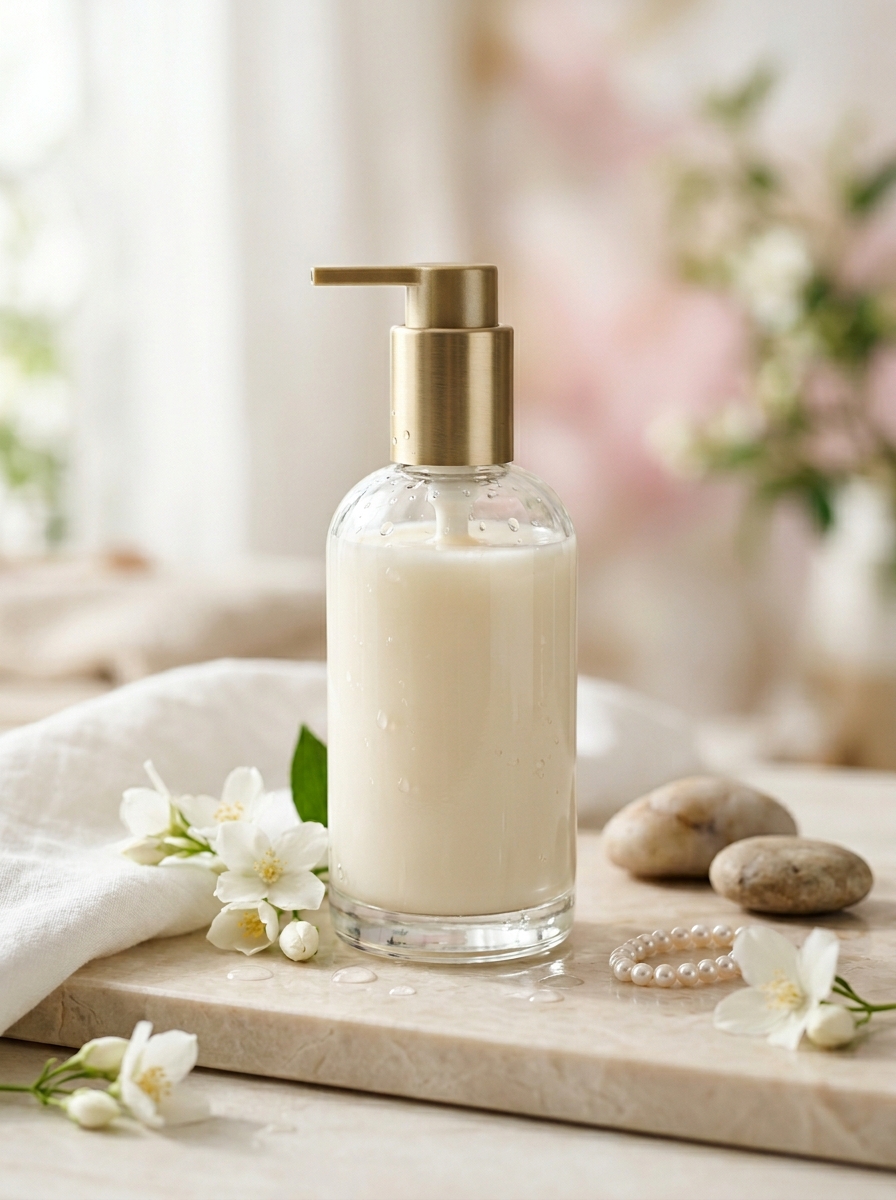
Step 2: Hydrating Toner or Essence. After cleansing, apply a hydrating toner or essence containing ingredients like hyaluronic acid, glycerin, or centella asiatica. These humectants draw moisture into the skin and create a hydrated base that enhances the absorption of subsequent products. In summer, lightweight, water-based toners are preferable to heavy, oil-based formulas that can feel greasy in the heat.
Step 3: Antioxidant Serum. A vitamin C serum is arguably the most important summer skincare investment you can make. Vitamin C neutralizes free radicals generated by UV exposure, brightens the complexion, supports collagen production, and enhances the effectiveness of your sunscreen. Apply a few drops to your face and neck, pressing gently into the skin. Other beneficial summer serums include niacinamide (which controls oil production and minimizes pores), ferulic acid (which stabilizes vitamin C and provides additional UV protection), and resveratrol (a powerful antioxidant derived from grapes).
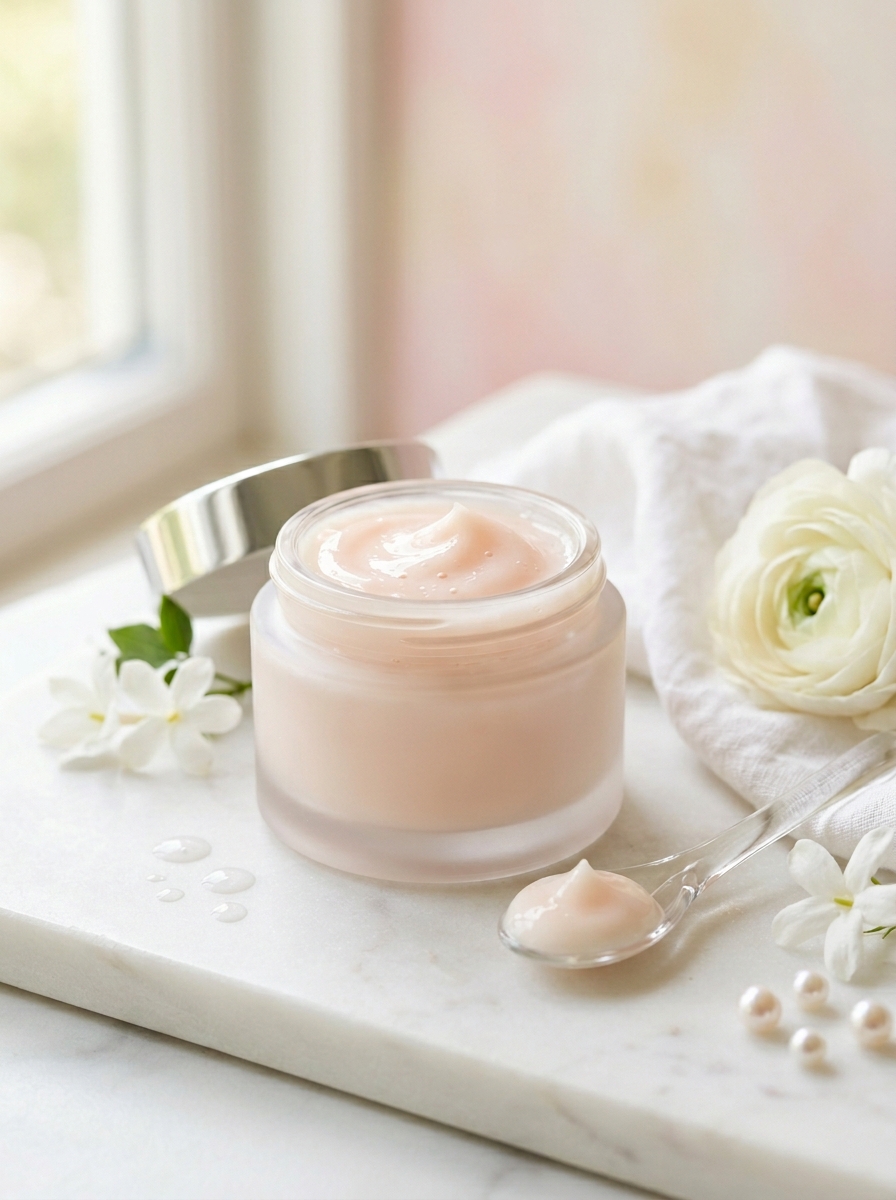
Step 4: Lightweight Moisturizer. Swap your rich winter moisturizer for a lighter, gel-based or water-based formula that hydrates without heaviness. Your skin still needs moisture in summer—even oily skin—but the texture should be breathable and non-comedogenic. Look for moisturizers containing ceramides to support your skin barrier, hyaluronic acid for hydration, and antioxidants for environmental protection. If your skin is particularly oily, you might skip a separate moisturizer and rely on a hydrating sunscreen instead.
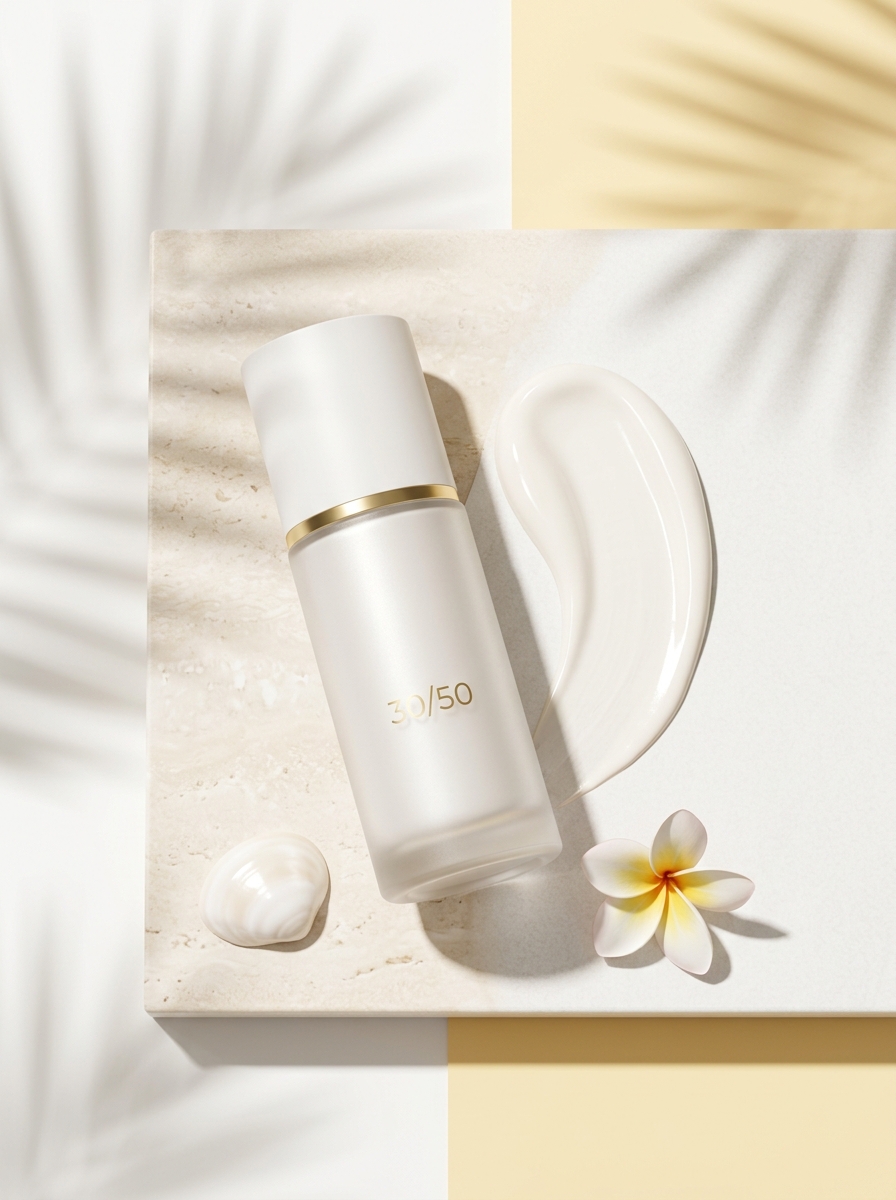
Step 5: Sunscreen (Non-Negotiable). Apply a broad-spectrum sunscreen with SPF 30 or higher as the final step in your morning routine, every single day, regardless of weather, plans, or time spent outdoors. This is the single most important skincare habit for preventing premature aging, hyperpigmentation, and skin cancer. Choose a formula suited to your skin type—lightweight and mattifying for oily skin, hydrating for dry skin, mineral-based for sensitive skin. Apply generously: the average person needs approximately one-quarter teaspoon for the face alone. Reapply every two hours when outdoors, and immediately after swimming or sweating.
Evening Skincare Routine for Summer
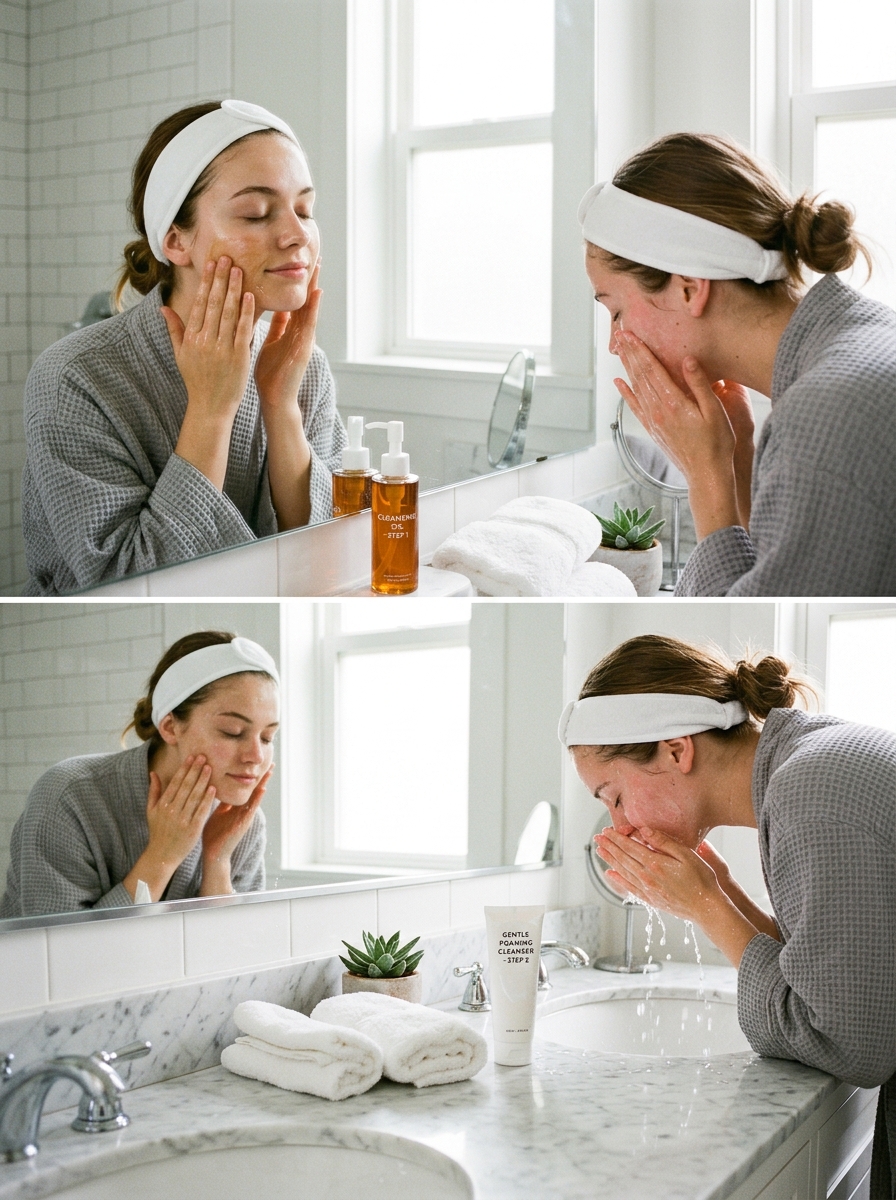
Step 1: Double Cleanse. Begin your evening routine with an oil-based cleanser or micellar water to dissolve sunscreen, makeup, and environmental debris that accumulated throughout the day. Follow with your gentle water-based cleanser to ensure a thoroughly clean canvas. Double cleansing is particularly important in summer when heavier sunscreen formulas and increased sweat can clog pores if not fully removed.
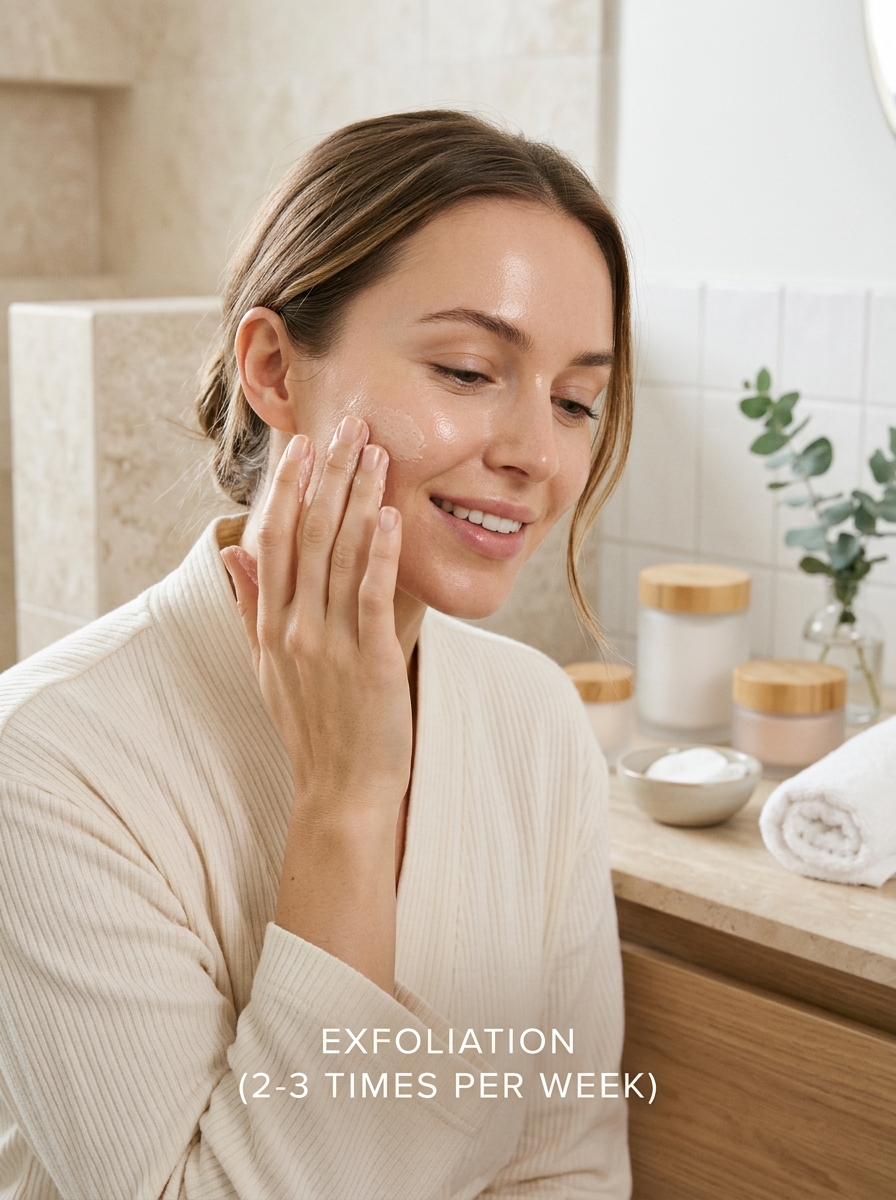
Step 2: Exfoliation (2-3 Times Per Week). Summer skin is more prone to congestion, dullness, and uneven texture due to increased oil production and sunscreen buildup. Gentle chemical exfoliation two to three times per week keeps pores clear and promotes cell turnover. Alpha hydroxy acids (AHAs) like glycolic acid and lactic acid work on the skin’s surface to address dullness and uneven tone, while beta hydroxy acids (BHAs) like salicylic acid penetrate into pores to clear congestion. Avoid harsh physical scrubs, which can create micro-tears in sun-exposed skin and increase sensitivity. Always start with a lower concentration and frequency, gradually increasing as your skin tolerates it.
Step 3: Treatment Serum. Your evening serum is where you can address specific skin concerns more aggressively, as your skin repairs itself overnight. Retinol or retinoid products accelerate cell turnover, reduce fine lines, and fade hyperpigmentation caused by sun exposure. If you’re new to retinol, start with a low concentration and apply every other night, gradually increasing frequency. For summer, consider alternating retinol nights with nights featuring other treatments like hyaluronic acid serums, peptides, or ceramide-rich formulations to avoid over-drying. Note: retinol increases sun sensitivity, so diligent daytime SPF use is absolutely essential when incorporating retinol into your routine.
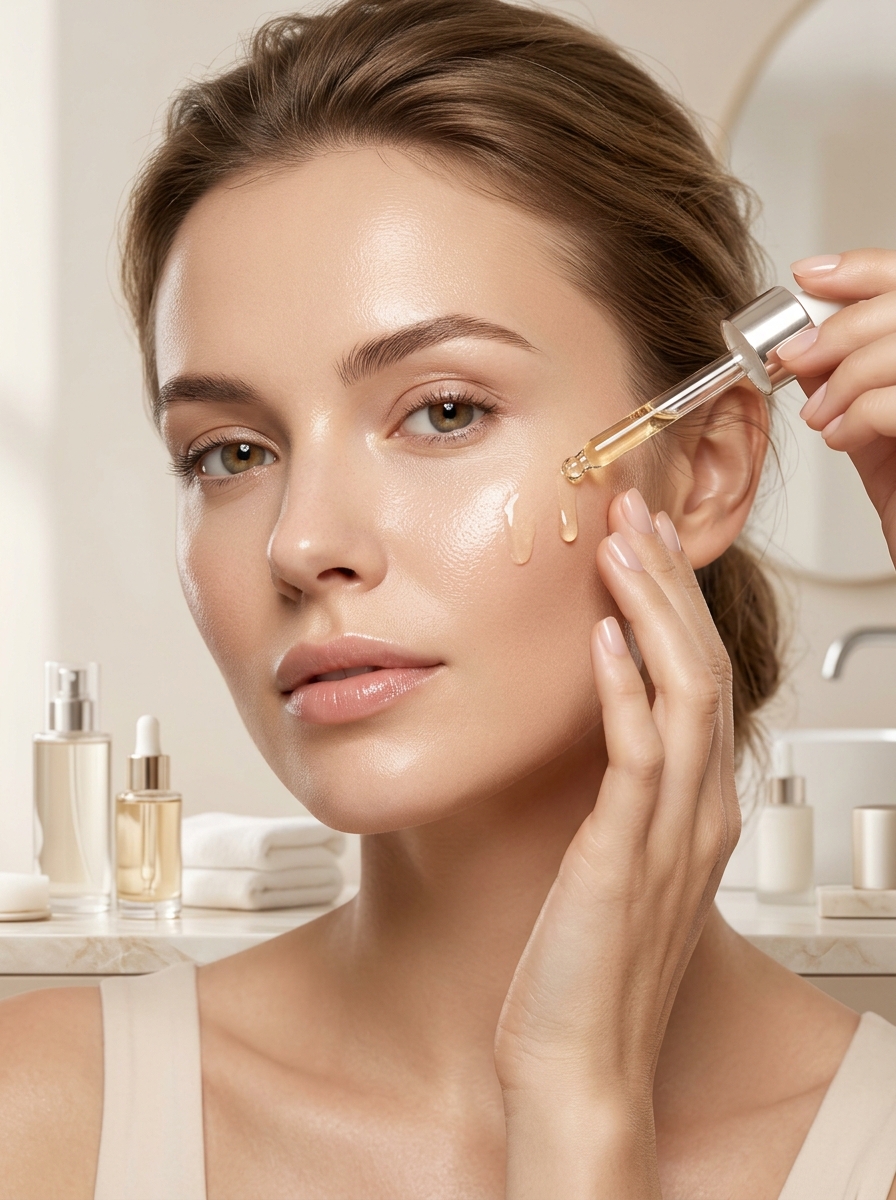
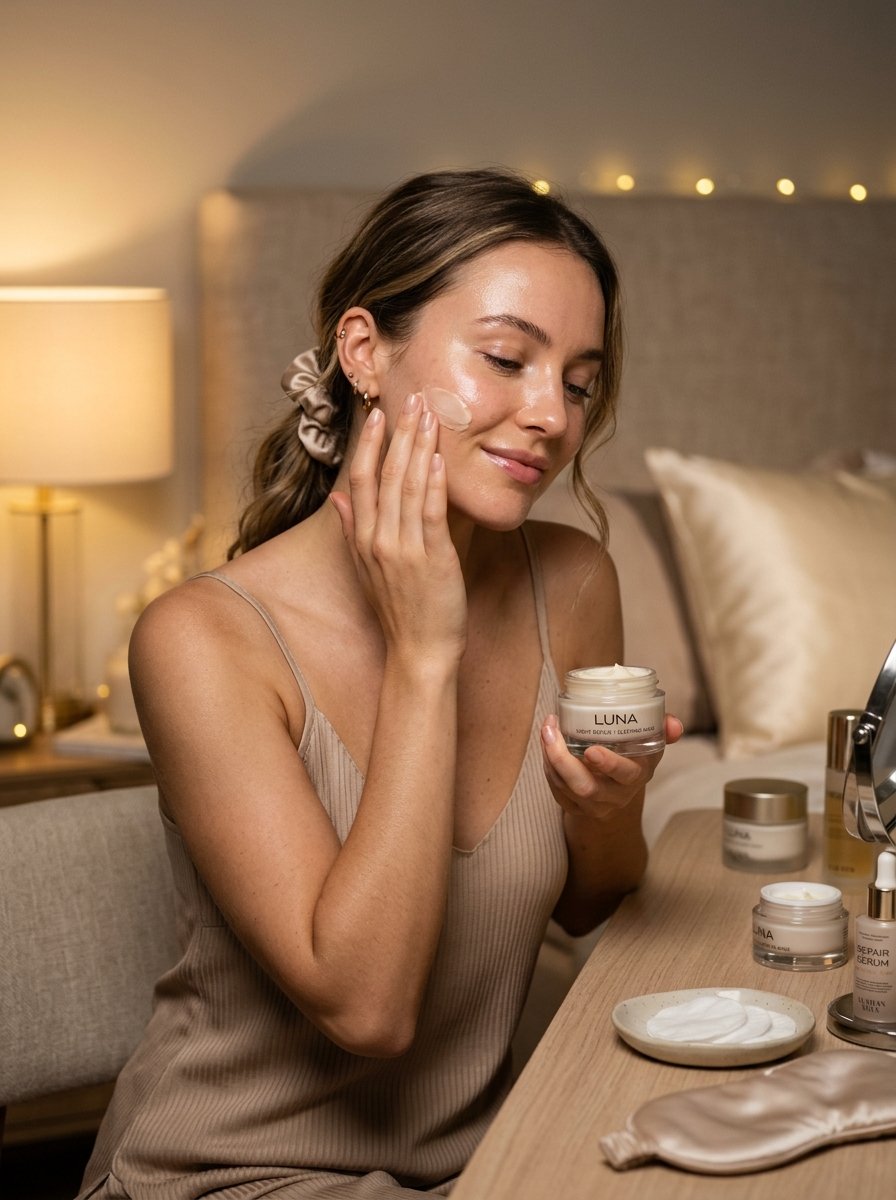
Step 4: Night Moisturizer or Sleeping Mask. Seal in your treatments with a slightly richer moisturizer than you use in the morning. Even in summer, your skin benefits from a more occlusive layer overnight to prevent transepidermal water loss while you sleep. A sleeping mask applied once or twice a week provides an extra boost of hydration and nourishment that’s especially welcome after days spent in the sun, pool, or air conditioning.
Weekly Summer Skin Treatments
Face Masks. Incorporate one to two face masks per week based on your skin’s needs. Clay masks are excellent for deep cleansing and oil control during summer. Hydrating sheet masks or gel masks replenish moisture after sun exposure. Enzyme masks provide gentle exfoliation without the irritation of stronger acid treatments. Aloe vera-based masks are particularly soothing for skin that’s been exposed to more sun than usual.
At-Body Care. Don’t neglect the rest of your body. Dry brushing before showering stimulates lymphatic drainage, removes dead skin cells, and improves circulation—all beneficial for summer skin health. Follow with a lightweight body lotion or body oil that contains SPF for exposed areas like shoulders, décolletage, and arms.
Hydration: The Foundation of Summer Wellness
Proper hydration is arguably the single most impactful element of a summer self-care routine for women, affecting everything from skin appearance and energy levels to cognitive function, mood, and physical performance. Women are particularly susceptible to dehydration during summer due to several factors: smaller body mass on average means lower total water reserves, hormonal fluctuations can affect fluid balance, and the cultural tendency to prioritize others’ needs over one’s own often leads to forgetting basic self-care like drinking water.
How Much Water Do You Need in Summer?
While the commonly cited “eight glasses a day” guideline provides a baseline, actual water needs vary significantly based on body weight, activity level, climate, and individual health conditions. A more personalized approach suggests drinking approximately half your body weight in ounces of water daily as a minimum, increasing this amount by sixteen to twenty-four ounces for every hour of outdoor activity, exercise, or time spent in extreme heat. If you weigh 150 pounds, that’s roughly seventy-five ounces (about nine cups) as your daily baseline, potentially increasing to over one hundred ounces on active summer days.
Practical Hydration Strategies
Carrying a reusable water bottle everywhere you go is the simplest and most effective hydration strategy. Choose a bottle with measurement markings so you can track your intake throughout the day. Set hourly reminders on your phone if you tend to forget to drink. Infuse your water with fresh fruit, cucumber, mint, or citrus slices to make it more appealing—this also provides trace vitamins and minerals. Eating water-rich foods—watermelon, cucumber, strawberries, oranges, celery, lettuce, and tomatoes—contributes significantly to your daily hydration and provides the added benefit of fiber and nutrients.
Signs of Dehydration to Watch For
Dehydration often manifests subtly before becoming severe. Early signs include dark yellow urine, dry mouth and lips, mild headache, difficulty concentrating, increased fatigue, and sugar cravings (your body often confuses thirst signals with hunger). More advanced dehydration presents as dizziness, rapid heartbeat, very dark urine, significant fatigue, and muscle cramps. Don’t wait for these symptoms to hydrate—by the time you feel thirsty, your body is already mildly dehydrated. A proactive, consistent hydration habit prevents these issues entirely.
Beverages Beyond Water
While plain water should be your primary hydration source, other beverages contribute to your fluid intake. Herbal iced teas—hibiscus, chamomile, peppermint, and rooibos—are hydrating, caffeine-free, and rich in antioxidants. Coconut water provides natural electrolytes that are especially beneficial after exercise or prolonged sun exposure. Sparkling water with a squeeze of lime or lemon satisfies those who prefer carbonation without the sugar and artificial ingredients of sodas. Limit caffeine and alcohol during summer, as both are diuretic and contribute to dehydration. If you consume alcohol, alternate each alcoholic drink with a full glass of water.
Summer Nutrition: Eating for Energy, Health, and Radiance
Summer nutrition looks different from winter nutrition. The abundance of fresh produce, lighter appetites in the heat, and increased opportunities for outdoor dining all shape a dietary approach that should prioritize hydration, micronutrients, and lightness while still providing adequate energy and nourishment.
The Summer Plate: What to Eat More Of
Seasonal Fruits. Summer is peak season for an extraordinary range of fruits that provide natural hydration, vitamins, antioxidants, and fiber. Berries—strawberries, blueberries, raspberries, and blackberries—are packed with antioxidants that combat UV-induced oxidative stress from the inside out. Watermelon is over ninety percent water and contains lycopene, a powerful antioxidant that supports skin health. Peaches, nectarines, mangoes, and papayas provide beta-carotene and vitamin C, both essential for skin repair and immune function. Citrus fruits offer vitamin C and hydration in one package.
Leafy Greens and Raw Vegetables. Salads aren’t just a summer cliché—they’re nutritionally strategic. Leafy greens like spinach, arugula, kale, and romaine provide iron, folate, vitamin K, and fiber without heavy caloric density. Raw vegetables—cucumbers, bell peppers, tomatoes, zucchini, and carrots—contribute hydration, crunch, and micronutrients. Build your meals around these ingredients rather than treating them as side dishes.
Lean Proteins. Grilled chicken, fish, legumes, tofu, and eggs provide the amino acids your body needs for muscle repair, immune function, and sustained energy without the heaviness of winter comfort foods. Fish is particularly beneficial during summer—fatty fish like salmon, mackerel, and sardines provide omega-3 fatty acids that support skin health, reduce inflammation, and protect against UV damage. Aim for two to three servings of fish per week if possible.
Healthy Fats. Avocados, olive oil, nuts, seeds, and coconut provide essential fatty acids that support skin barrier function, hormone balance, and satiety. These fats also enhance the absorption of fat-soluble vitamins (A, D, E, and K) from the foods you eat. A daily handful of nuts or seeds—almonds, walnuts, sunflower seeds, or pumpkin seeds—provides a concentrated dose of skin-nourishing nutrients.
Summer Foods and Drinks to Limit
While summer social occasions often center around indulgence, being mindful of certain items supports your overall well-being. Excessive sugar—from ice cream, cocktails, lemonade, and desserts—contributes to inflammation, premature skin aging, energy crashes, and weight gain. Processed snacks and fast food, common at picnics and barbecues, are typically high in sodium, which contributes to dehydration and bloating. Excessive alcohol dehydrates, disrupts sleep, and provides empty calories. You don’t need to eliminate these entirely—summer is meant to be enjoyed—but balance is key.
Simple Summer Meal Ideas
A nutrient-packed summer day might look like this: overnight oats with chia seeds, berries, and a drizzle of honey for breakfast. A large salad with grilled salmon, avocado, cherry tomatoes, cucumber, and olive oil dressing for lunch. A snack of watermelon cubes with feta cheese and mint. Grilled chicken with roasted vegetables and quinoa for dinner. A small bowl of mixed berries with a dollop of Greek yogurt for dessert. This pattern provides hydration, protein, healthy fats, antioxidants, fiber, and micronutrients in forms that are light, fresh, and appropriate for warm weather.
Summer Fitness and Movement
Physical activity is a cornerstone of any self-care routine, and summer offers unique opportunities—and unique challenges—for staying active. The key is adapting your movement practices to the season’s conditions so that exercise energizes rather than exhausts you.
Exercising Safely in Summer Heat
The most critical summer fitness principle is heat safety. Exercising in extreme heat increases the risk of heat exhaustion, heat stroke, dehydration, and sunburn. Schedule outdoor workouts for early morning (before 10 AM) or evening (after 6 PM) when temperatures are lower and UV intensity is reduced. Wear lightweight, breathable, moisture-wicking clothing that allows sweat to evaporate. Apply sweat-resistant sunscreen to all exposed skin. Carry water and sip frequently throughout your workout. Reduce intensity and duration compared to what you’d do in cooler months—your body is working harder just to regulate temperature, so perceived exertion is higher even at the same pace. Listen to your body unconditionally: if you feel dizzy, nauseated, confused, or stop sweating (a dangerous sign of heat stroke), stop immediately, seek shade, cool your body with water, and call for help if symptoms are severe.
Best Summer Workouts for Women
Swimming. The quintessential summer exercise, swimming provides a full-body, low-impact workout that builds cardiovascular fitness, strengthens muscles, and improves flexibility while keeping you cool in the water. It’s also gentle on joints, making it suitable for all fitness levels and ages.
Outdoor Walking and Hiking. Walking is one of the most accessible and effective forms of exercise, and summer’s long days and pleasant mornings make it especially enjoyable. Hiking in shaded trails adds the benefits of nature immersion—reduced cortisol levels, improved mood, and enhanced creativity—alongside the physical workout.
Cycling. Whether on roads, trails, or a stationary bike outdoors, cycling builds lower body strength, cardiovascular endurance, and mental clarity. Morning rides in cooler temperatures are particularly refreshing and set a positive tone for the day.
Yoga and Pilates. Outdoor yoga in a park, garden, or beach setting combines physical movement with mindfulness and breath work, making it a holistic summer self-care practice. These practices improve flexibility, core strength, balance, and mental calm—benefits that support every other element of your routine.
Water Sports. Stand-up paddleboarding, kayaking, surfing, and water aerobics are fun, engaging ways to stay active while enjoying summer’s aquatic offerings. They work the core, improve balance, and provide moderate cardiovascular exercise in an enjoyable, recreational format.
Rest and Recovery
Equally important to movement is rest. Summer’s packed social calendar and the pressure to be active can lead to overtraining and burnout. Schedule at least one to two complete rest days per week where you focus on gentle movement—stretching, leisurely walking, or restorative yoga—rather than intense exercise. Prioritize sleep (covered in detail below), and listen to your body’s signals of fatigue. Recovery is when your muscles repair and strengthen, your nervous system recalibrates, and your energy stores replenish.
Sleep Optimization for Summer
Sleep is the most underrated element of self-care, and summer presents specific challenges that can significantly disrupt sleep quality and duration. Longer daylight hours shift circadian rhythms, higher temperatures make falling asleep uncomfortable, social events run late, and the心理 feeling that you “shouldn’t waste” warm evenings indoors can lead to chronic sleep deprivation.
How Summer Heat Affects Sleep
The body’s core temperature needs to drop by approximately two to three degrees Fahrenheit to initiate and maintain sleep. When ambient temperatures remain high, this natural cooling process is impeded, leading to difficulty falling asleep, frequent nighttime awakenings, and reduced time spent in deep, restorative sleep stages. Chronic sleep disruption during summer doesn’t just cause daytime fatigue—it impairs immune function, disrupts hormone regulation, increases stress reactivity, reduces cognitive performance, and undermines the benefits of every other self-care practice you invest in.
Practical Sleep Strategies for Hot Nights
Keep Your Bedroom Cool. Use air conditioning if available, targeting a room temperature between sixty-five and sixty-eight degrees Fahrenheit. If you don’t have air conditioning, use fans strategically—a fan directed at your bed creates a cooling breeze, and placing a bowl of ice or a frozen water bottle in front of the fan chills the air it circulates. Open windows on opposite sides of the room in the evening to create cross-ventilation when outdoor temperatures drop.
Choose Breathable Bedding. Replace heavy comforters and flannel sheets with lightweight cotton, linen, or bamboo bedding that wicks moisture and promotes airflow. Cotton percale sheets are crisp and cool, while linen is the most breathable natural fabric available. Avoid synthetic polyester sheets, which trap heat and moisture against the skin.
Cool Your Body Before Bed. Take a lukewarm (not cold) shower or bath approximately thirty to sixty minutes before bedtime. The slight cooling effect as water evaporates from your skin mimics the body’s natural temperature drop and signals to your brain that it’s time to sleep. Applying a cold, damp washcloth to pulse points—wrists, neck, and temples—for a few minutes before bed also helps lower core temperature.
Maintain a Consistent Sleep Schedule. Despite the temptation to stay up late on long summer evenings, maintaining a consistent bedtime and wake time—even on weekends—is one of the most powerful tools for sleep quality. A regular schedule reinforces your circadian rhythm, making it easier to fall asleep and wake up naturally. Aim for seven to nine hours of sleep per night, which is the recommended range for adult women.
Manage Light Exposure. Invest in blackout curtains or blinds that block the early-morning and late-evening light that characterizes summer. Light exposure after sunset suppresses melatonin production and delays sleep onset, so dim your household lighting in the evening, avoid screens for at least one hour before bed, and consider using blue-light-blocking glasses if screen use is unavoidable.
Limit Late-Night Eating and Drinking. Heavy meals, alcohol, and caffeine consumed in the evening all disrupt sleep architecture. Finish eating at least two to three hours before bedtime, limit alcohol to one drink consumed earlier in the evening, and avoid caffeine after 2 PM.
Mental Health and Emotional Self-Care
Physical self-care without mental and emotional attention is incomplete. Summer, despite its reputation for carefree joy, can be a surprisingly challenging season for women’s mental health. The pressure to have a “perfect” summer, comparison with social media portrayals of others’ summer activities, body image anxiety related to wearing less clothing, financial stress from summer activities and travel, disrupted routines, and the relentless heat itself can all contribute to anxiety, depression, irritability, and emotional exhaustion.
Mindfulness and Meditation
Incorporating a daily mindfulness practice—even ten minutes—profoundly impacts your ability to navigate summer’s stresses with calm and clarity. Morning meditation sets an intentional tone for the day, helping you respond to challenges rather than react impulsively. Apps like Headspace, Calm, and Insight Timer offer guided meditations specifically designed for summer themes—gratitude for nature, body acceptance, and present-moment awareness. Walking meditation in a garden or park combines the benefits of gentle movement with mindful attention, creating a deeply restorative practice. Journaling for five to ten minutes each evening—writing about your thoughts, feelings, gratitudes, and observations—processes the day’s experiences and promotes emotional clarity.
Setting Boundaries
Summer’s social abundance can quickly become overwhelming if you lack clear boundaries. Saying “no” to events, gatherings, and obligations that don’t align with your energy, values, or needs is not selfish—it’s essential self-preservation. Practice the art of the gracious decline: “Thank you for the invitation. I’m taking a quiet evening to recharge this time, but I’d love to see you another time.” You don’t need to justify your need for rest, solitude, or simplicity. Protecting your energy ensures you can show up fully for the commitments and relationships that truly matter to you.
Managing Summer Body Image Pressure
Summer’s emphasis on exposed skin, swimwear, and outdoor activities can trigger body image anxiety for many women. A healthy self-care approach acknowledges this reality and actively counters it. Practice body neutrality—appreciating your body for what it does rather than how it looks. Curate your social media feeds to include diverse body types and unfollow accounts that trigger comparison. Focus on how your body feels—strong after a swim, rested after good sleep, nourished after a healthy meal—rather than how it appears. Surround yourself with people who celebrate you as a whole person, not a physical form.
Social Connection and Solitude
Both social connection and solitude are essential components of emotional self-care. Summer provides abundant opportunities for meaningful social interaction—barbecues, beach days, outdoor concerts, and shared meals. Prioritize quality connections with people who uplift and support you. Equally, honor your need for solitude and quiet. Spending time alone—reading in a hammock, walking on the beach, sitting in a garden—restores mental energy and provides space for reflection and creativity that constant socializing cannot.
Professional Support
If summer’s challenges feel overwhelming, seeking professional support from a therapist, counselor, or coach is a powerful act of self-care. Many therapists offer virtual sessions that can be conducted from anywhere, making it easy to maintain your mental health routine even during travel or busy schedules. There is no shame in needing support—it’s one of the most mature and effective forms of self-care available.
Summer Hair Care
Hair faces unique challenges during summer: UV damage, chlorine and saltwater exposure, humidity-induced frizz, and increased sweating at the scalp. A dedicated summer hair care routine protects your hair’s health and appearance throughout the season.
Protection from Sun Damage
UV radiation damages hair’s protein structure, leading to dryness, brittleness, color fading, and a straw-like texture. Protect your hair by wearing hats, scarves, or caps during extended sun exposure. Apply a UV-protectant hair spray or serum before going outdoors—these products create an invisible shield that absorbs or reflects harmful rays. Look for products containing ingredients like VP/VA copolymer, benzophenone-4, or natural oils that provide UV protection.
Chlorine and Saltwater Care
Before swimming in a pool or ocean, wet your hair thoroughly with fresh water and apply a leave-in conditioner. Hair that’s already saturated with clean water absorbs significantly less chlorine or saltwater, reducing damage. After swimming, rinse your hair immediately with fresh water and apply a nourishing conditioner or hair mask. Weekly deep conditioning treatments—especially those containing coconut oil, argan oil, or keratin—repair the cumulative damage from a summer of swimming.
Humidity Management
For frizz-prone hair, summer humidity can feel like a relentless adversary. Anti-humidity serums, smoothing creams, and lightweight oils applied to damp hair help seal the cuticle and prevent moisture from the air from disrupting your style. Embracing natural texture—braids, buns, and air-dried waves—reduces heat styling damage and works with humidity rather than against it. If you do use heat tools, always apply a heat protectant spray first.
Scalp Care
An often-overlooked aspect of summer hair care, scalp health directly impacts hair quality and growth. Increased sweating can lead to clogged follicles, buildup, and irritation. Use a clarifying shampoo once a week to remove product buildup and excess sebum. A scalp scrub applied biweekly exfoliates dead skin cells and promotes a healthy environment for hair growth. If you experience scalp sunburn—a common but under-recognized problem—apply aloe vera gel or a soothing scalp treatment to calm inflammation and promote healing.
Summer Body Care Beyond Skincare
While facial skincare receives the most attention, your entire body deserves dedicated summer care.
Sun Protection for the Body
Apply broad-spectrum sunscreen to every exposed area of your body—arms, legs, shoulders, back, décolletage, ears, and the back of your neck—before going outdoors. Reapply every two hours, or more frequently if swimming or sweating. Choose water-resistant formulas for beach and pool days. Don’t forget commonly missed areas: the tops of your feet, the backs of your hands, your scalp along your part line, and your lips (use an SPF lip balm).
Exfoliation and Moisturizing
Regular body exfoliation—two to three times per week using a gentle body scrub, dry brush, or exfoliating mitt—removes dead skin cells, prevents ingrown hairs, and allows moisturizer to absorb more effectively. Follow exfoliation with a lightweight body lotion or oil that provides hydration without heaviness. Pay special attention to areas prone to dryness: elbows, knees, heels, and hands. For an extra summer treat, use a body lotion with a subtle shimmer or self-tanning properties that enhance your natural skin tone.
Hand and Foot Care
Summer activities—gardening, swimming, walking in sandals, wearing open-toed shoes—take a toll on hands and feet. Apply hand cream frequently throughout the day, especially after washing. Use a rich foot cream nightly and wear moisture-locking socks to bed for intensive overnight treatment. Regular pedicures—whether at a salon or DIY—keep feet healthy, prevent ingrown toenails, and address calluses that accumulate from increased barefoot and sandal wear.
Underarm and Body Hair Care
Increased暴露 and social activities during summer often heighten awareness of body hair management. Choose the hair removal method that works best for your skin and schedule—shaving, waxing, threading, epilating, or laser treatments—and maintain a consistent routine to avoid irritation. Apply soothing, fragrance-free products after hair removal to calm the skin. If you prefer to embrace natural body hair, that is a perfectly valid and increasingly celebrated self-care choice—do what makes you feel most comfortable and confident.
Building Your Daily Summer Self-Care Routine
Understanding individual elements is important, but integrating them into a coherent daily routine is where transformation happens. Here is a sample daily summer self-care schedule that incorporates the principles outlined throughout this guide. Adapt it to your personal schedule, preferences, and needs—this is a template, not a rigid prescription.
Morning Routine (6:00 AM – 8:00 AM)
Hydrate immediately. Drink a full glass of water—eight to sixteen ounces—upon waking, before coffee, before breakfast, before anything. Adding lemon or a pinch of sea salt enhances hydration by providing electrolytes and trace minerals.
Move your body. Spend twenty to thirty minutes on physical activity—a morning walk, yoga session, swim, or light workout. Morning exercise boosts energy, improves mood, enhances cognitive function, and sets a positive tone for the entire day.
Mindfulness practice. Dedicate ten minutes to meditation, journaling, or quiet reflection. This anchors your attention in the present moment and cultivates a sense of calm that carries through your daily activities.
Skincare routine. Complete your morning skincare routine: cleanse, tone, serum, moisturize, sunscreen. This protects and prepares your skin for the day ahead.
Nourishing breakfast. Eat a balanced breakfast that includes protein, healthy fats, and complex carbohydrates—overnight oats with nuts and berries, a smoothie with greens and protein powder, or eggs with avocado and whole-grain toast.
Midday Check-In (12:00 PM – 1:00 PM)
Hydration check. By midday, you should have consumed at least thirty-two ounces of water. Refill your bottle and continue sipping steadily.
Nutritious lunch. Eat a lunch built around lean protein, leafy greens, vegetables, and healthy fats. Avoid heavy, processed foods that cause afternoon energy crashes.
Sun protection refresh. If you’ll be outdoors in the afternoon, reapply sunscreen to your face and any exposed body skin.
Brief movement break. Even ten minutes of walking, stretching, or light movement during your lunch break reduces afternoon stiffness, boosts metabolism, and improves afternoon focus and mood.
Afternoon Routine (3:00 PM – 5:00 PM)
Hydration and snack. Drink another glass of water and have a nutrient-dense snack—fruit with nut butter, vegetables with hummus, or a small handful of trail mix.
Stress management. If stress has accumulated, take five minutes for deep breathing exercises, a brief walk, or a few stretches. This prevents stress from compounding throughout the day.
Evening Routine (6:00 PM – 10:00 PM)
Nourishing dinner. Eat a balanced dinner that’s lighter than your lunch, as heavy meals close to bedtime disrupt sleep quality.
Social connection or solitude. Spend time with loved ones in meaningful, present-moment interaction, or enjoy solitary activities that restore your energy—reading, gardening, taking a bath, or pursuing a hobby.
Digital sunset. Dim screens and reduce blue light exposure at least one hour before bedtime. Replace screen time with calming activities: gentle stretching, reading a physical book, listening to music, or having a quiet conversation.
Evening skincare. Complete your evening skincare routine: double cleanse, exfoliate (on scheduled nights), treatment serum, night moisturizer or sleeping mask.
Sleep preparation. Prepare your bedroom for sleep—cool the temperature, darken the room, and create a calm atmosphere. Practice a brief wind-down ritual: gratitude journaling, gentle stretching, or a few minutes of breathing exercises. Be in bed by your target sleep time, consistent seven nights a week.
Weekly Self-Care Rituals to Add
Beyond daily habits, these weekly practices deepen your summer self-care and address needs that daily routines may not fully cover.
One Long Outdoor Immersion. Spend at least one extended session—two to four hours—in nature each week. Walk in a park, hike a trail, sit by a lake, or spend time in a garden. Nature exposure reduces cortisol, lowers blood pressure, improves mood, and enhances creativity. This practice, sometimes called “forest bathing” or “nature therapy,” is one of the most evidence-backed self-care interventions available.
One Social Nourishment Event. Attend one meaningful social gathering per week that fills your cup rather than depletes it. This might be a dinner with close friends, a family barbecue, a community event, or a class where you connect with like-minded people. Quality of social interaction matters far more than quantity.
One Indulgent Self-Care Session. Dedicate one evening per week to a luxurious self-care ritual—a long bath with essential oils, a full face mask and body scrub session, a leisurely skincare routine with all your favorite products, or an extended journaling and meditation session. This is your permission to be completely self-focused without guilt.
One Act of Self-Compassion. Each week, do one thing specifically designed to be kind to yourself—decline an obligation you don’t have the energy for, buy yourself flowers, take a nap without justification, or simply acknowledge that you’re doing your best and that’s enough.
Summer Self-Care Mistakes to Avoid
Even with the best intentions, certain patterns undermine the benefits of a self-care routine. Awareness of these common mistakes helps you course-correct before they derail your progress.
Skipping Sunscreen on Cloudy Days. Up to eighty percent of UV rays penetrate cloud cover. Sunscreen is a daily, non-negotiable habit, not a fair-weather accessory.
Overcommitting to Social Obligations. Saying yes to every summer invitation leads to exhaustion, resentment, and burnout. Protect your energy by choosing commitments that genuinely serve your well-being.
Neglecting Sleep for Social Activities. Late nights might feel exciting in the moment, but chronic sleep deprivation accumulates and undermines your physical health, mental clarity, and emotional resilience. Prioritize sleep at least five to seven nights per week.
Ignoring Mental Health. Physical self-care—exercise, nutrition, skincare—without mental and emotional attention is incomplete. Don’t wait for a crisis to address your psychological well-being.
Comparing Your Summer to Others’. Social media creates a distorted perception that everyone else is having a more exciting, beautiful, or fulfilling summer. Your self-care routine should be designed around your unique needs, values, and circumstances—not someone else’s highlight reel.
Forgetting to Adapt. A routine that works in June may not work in August. As the season progresses, your needs, energy levels, and circumstances change. Regularly reassess and adjust your routine to remain responsive to what your body and mind actually need.
Building a Summer Self-Care Emergency Kit
Prepare a small, portable kit that supports your self-care wherever summer takes you. This is especially useful for travel, beach days, and outdoor events.
- SPF 50+ sunscreen (face and body formulas)
- SPF lip balm
- Reusable water bottle
- Moisturizing facial mist for midday hydration
- Travel-size moisturizer
- Antioxidant serum samples for touch-ups
- Cooling facial wipes for refreshing cleansed skin
- Electrolyte tablets or packets for enhanced hydration
- Healthy snacks (nuts, dried fruit, protein bars)
- A lightweight hat or scarf for sun protection
- Essential oil roller (lavender for calm, peppermint for energy)
- A good book or audiobook for mental rest
Key Takeaways
- A summer self-care routine for women must address the season’s unique challenges—intense UV exposure, heat-related dehydration, disrupted sleep, social overcommitment, and mental health pressures—with proactive, daily habits across skincare, hydration, nutrition, fitness, sleep, and emotional well-being.
- Sunscreen is the single most important skincare step in summer. Apply broad-spectrum SPF 30 or higher every morning, reapply every two hours outdoors, and never skip it on cloudy days.
- Hydration is the foundation of summer wellness. Aim for at least half your body weight in ounces of water daily, increase intake with exercise and heat exposure, and eat water-rich foods like watermelon, cucumber, and berries.
- Prioritize sleep by keeping your bedroom cool (65-68°F), using breathable bedding, maintaining a consistent sleep schedule, and managing light exposure with blackout curtains.
- Nourish your body with seasonal, whole foods—abundant fruits, vegetables, lean proteins, and healthy fats—while being mindful of sugar, alcohol, and processed food intake at summer social events.
- Protect your mental health through daily mindfulness practice, boundary-setting with social obligations, body image neutrality, meaningful social connection, and professional support when needed.
- Build a coherent daily routine that integrates morning hydration, movement, mindfulness, skincare, and nutrition, with evening wind-down rituals that support quality sleep.
Frequently Asked Questions (FAQs)
Q1: What is a good summer self-care routine for women?
A: A good summer self-care routine includes daily hydration (at least half your body weight in ounces of water), consistent sunscreen application (SPF 30+ reapplied every two hours), a lightweight skincare routine with antioxidants and moisturizer, regular physical activity scheduled during cooler hours, a nutritious diet rich in seasonal fruits and vegetables, seven to nine hours of quality sleep in a cool bedroom, and daily mindfulness practices like meditation or journaling. Weekly additions should include one extended nature session, one meaningful social connection, and one indulgent self-care ritual.
Q2: How do I take care of my skin in summer?
A: Summer skincare requires gentle cleansing morning and evening, a lightweight hydrating moisturizer, antioxidant serums (especially vitamin C in the morning and retinol at night), chemical exfoliation two to three times weekly, and daily broad-spectrum sunscreen as the final step of your morning routine. After sun exposure, soothe skin with aloe vera and rehydrate with hyaluronic acid serums and rich moisturizers. Replace heavy winter products with lighter, gel-based or water-based formulations.
Q3: How much water should a woman drink in summer?
A: As a general guideline, women should aim for approximately seventy to ninety ounces (about nine to eleven cups) of water daily as a baseline during summer, increasing by sixteen to twenty-four ounces for every hour of outdoor activity, exercise, or heat exposure. Individual needs vary based on body weight, activity level, and climate. The simplest indicator is urine color—pale yellow indicates adequate hydration, while dark yellow signals a need for more fluids.
Q4: How can I sleep better during hot summer nights?
A: Keep your bedroom between 65-68°F using air conditioning or fans, choose breathable cotton or linen bedding, take a lukewarm shower thirty to sixty minutes before bed to lower your core temperature, maintain a consistent sleep schedule even on weekends, use blackout curtains to block early-morning light, and avoid screens, heavy meals, and alcohol in the hours before bedtime.
Q5: What are the best exercises to do in summer?
A: The best summer exercises are those adapted for heat safety: early morning or evening walks and hikes, swimming and water sports for cooling full-body workouts, outdoor yoga for flexibility and mindfulness, cycling during cooler hours, and indoor alternatives like gym workouts or home exercise videos during extreme heat. Always prioritize hydration, sun protection, and heat safety, and reduce intensity compared to cooler months.
Q6: How do I maintain my mental health during summer?
A: Maintain mental health by practicing daily mindfulness or meditation, setting boundaries with social obligations, curating social media feeds to reduce comparison, prioritizing meaningful relationships over quantity of social events, spending regular time in nature, journaling your thoughts and feelings, maintaining consistent routines for sleep and nutrition, and seeking professional support from a therapist if stress, anxiety, or depression intensify.
Q7: What foods are best for summer self-care?
A: The best summer self-care foods include water-rich fruits (watermelon, berries, citrus, peaches), raw vegetables (cucumber, bell peppers, tomatoes, leafy greens), lean proteins (grilled fish, chicken, legumes, tofu), healthy fats (avocado, olive oil, nuts, seeds), and herbal iced teas. These foods provide hydration, antioxidants, vitamins, minerals, and fiber while being light enough for warm-weather appetites. Limit processed foods, excessive sugar, and alcohol.
Q8: How do I protect my hair during summer?
A: Protect summer hair by wearing hats or scarves in direct sunlight, applying UV-protectant hair sprays before going outdoors, wetting hair with fresh water and applying leave-in conditioner before swimming, rinsing hair immediately after pool or ocean exposure, using weekly deep conditioning treatments, managing frizz with anti-humidity serums, and maintaining scalp health with regular clarifying shampoos and gentle exfoliation.
Conclusion
A truly effective summer self-care routine for women is not about adding more tasks to an already packed schedule—it’s about making intentional choices that protect your health, nourish your body, calm your mind, and allow you to genuinely enjoy the season rather than merely survive it. The principles in this guide—from the non-negotiable daily sunscreen application to the consistent hydration habit, from the thoughtfully constructed evening wind-down ritual to the weekly immersion in nature—are all designed to work together as a system, each element supporting and amplifying the others. You don’t need to implement everything at once. Choose two or three practices that resonate with your current needs, build them into consistent habits, and gradually expand your routine as each practice becomes second nature. The most important thing is not perfection but consistency. Small, daily acts of self-care compound over time into profound changes in how you look, feel, and experience life. This summer, give yourself permission to prioritize your own well-being—not as an indulgence, but as the essential foundation for showing up fully in every other area of your life. You deserve a summer that leaves you healthier, happier, and more radiant than when it began, and with the practices outlined in this guide, that summer is well within your reach.