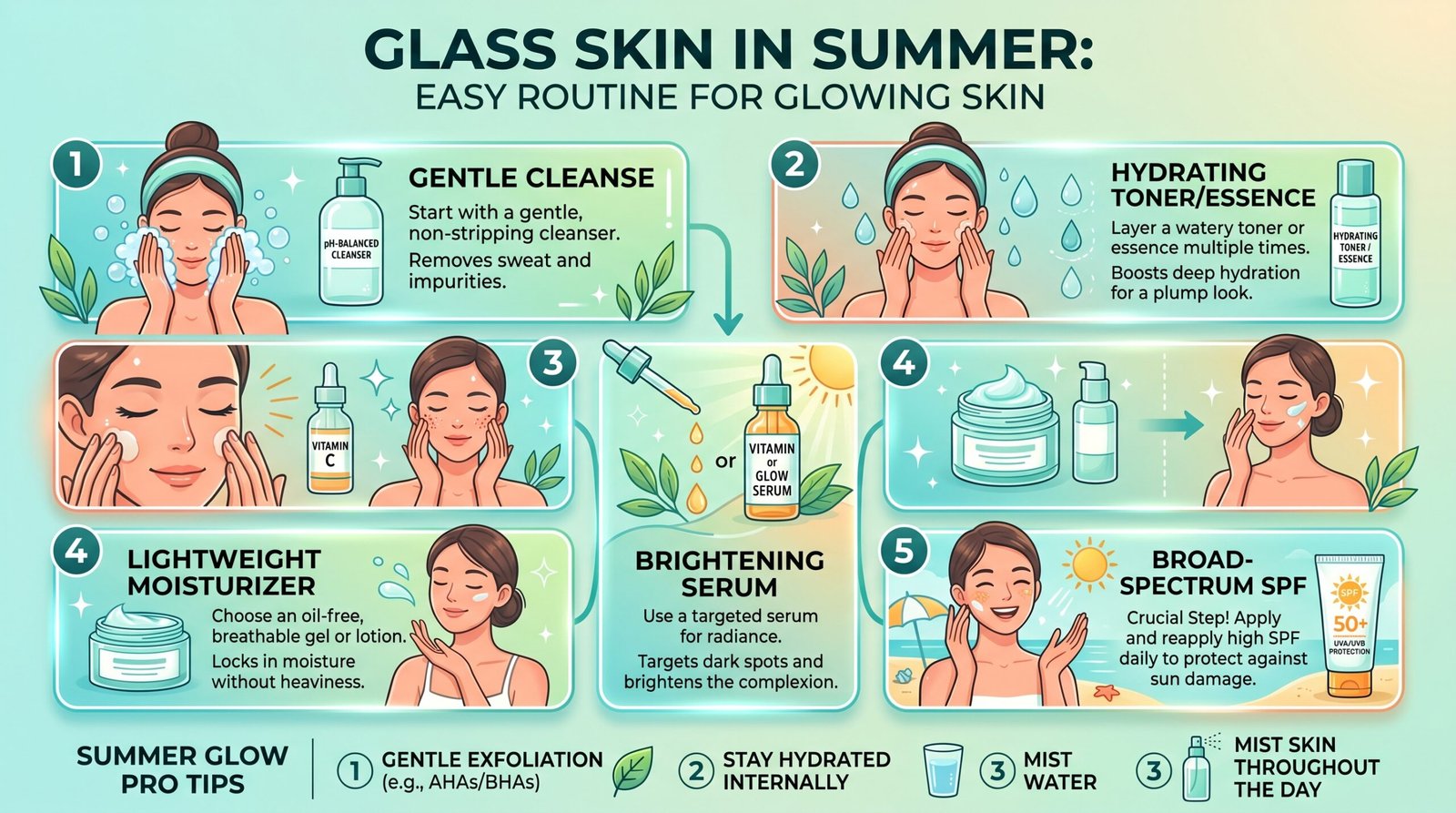
How To Get Glass Skin In Summer: Complete Routine Guide
Learning how to get glass skin in summer requires understanding the Korean beauty philosophy while adapting traditional glass skin routines to warm-weather challenges. Glass skin refers to the coveted Korean beauty ideal of achieving poreless, dewy, translucent, and luminous skin that appears as smooth and reflective as glass. This comprehensive guide provides a complete summer-specific routine for achieving glass skin, addressing unique warm-weather skincare needs including increased humidity, higher UV exposure, excess oil production, and lifestyle factors that impact skin clarity and radiance during summer months.
Unlike winter glass skin routines that rely heavily on rich moisturizers and intensive hydration, summer glass skin requires lightweight yet effective products that maintain the signature dewy, luminous appearance without causing breakouts or feeling heavy in heat and humidity. The glass skin trend originated in Korean skincare culture, emphasizing healthy, natural-looking skin over makeup coverage, with focus on achieving smooth texture, even tone, optimal hydration, and that distinctive inner glow that makes skin appear lit from within.
This complete routine guide covers everything from understanding what constitutes glass skin and why summer adaptations are necessary, to detailed morning and evening routines, essential products and ingredients, lifestyle modifications, common mistakes to avoid, and advanced techniques for maintaining glass skin throughout the hottest months while protecting against sun damage and environmental stressors.
What Is Glass Skin?
Quick Answer: Glass skin is a Korean beauty term describing perfectly smooth, hydrated, luminous skin that appears poreless and translucent like glass, characterized by an even tone, dewy finish, and healthy glow from within rather than surface shine.
Glass skin represents the pinnacle of Korean skincare philosophy, emphasizing skin health and natural beauty over covering imperfections with makeup. The term gained global popularity through K-beauty influencers and skincare enthusiasts who showcased this flawless, lit-from-within complexion that appears almost supernatural in its perfection. Unlike Western beauty trends that often focus on matte, full-coverage looks, glass skin celebrates the natural beauty of healthy, well-maintained skin that requires minimal makeup to look stunning.
Also Read: Summer Night Glam Makeup Look
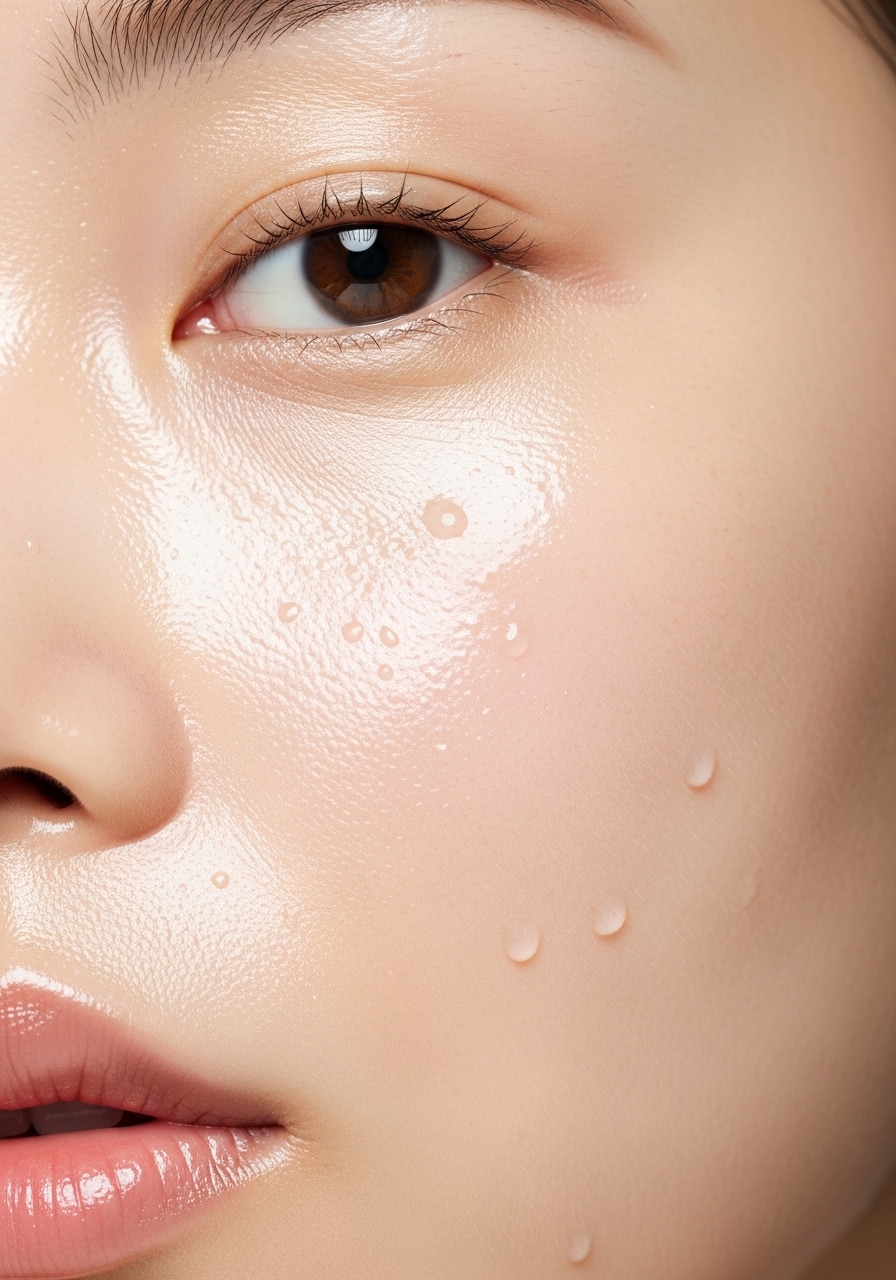
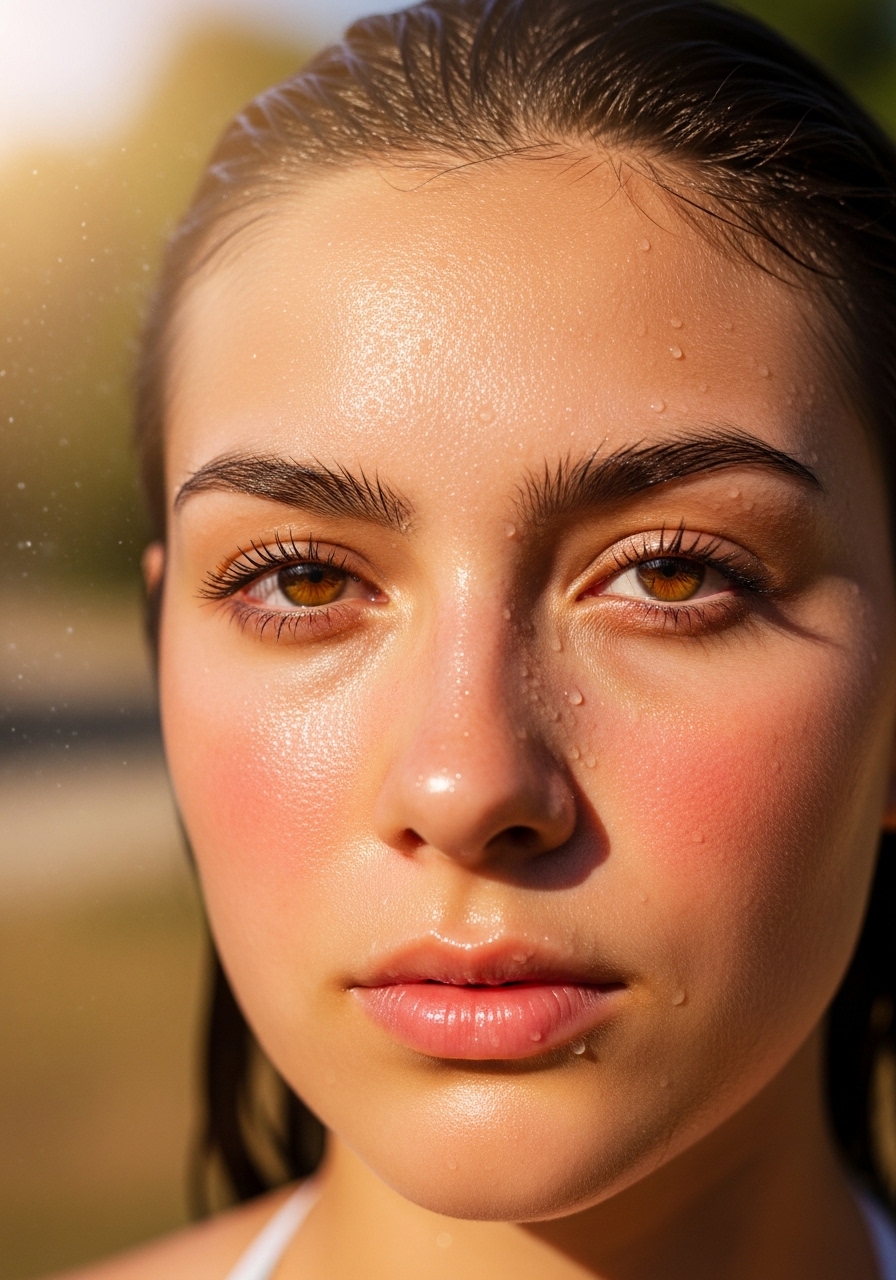
The visual characteristics of true glass skin include several key elements that work together to create the overall effect. The skin appears completely smooth without visible pores, fine lines, or texture irregularities that would interrupt light reflection. The surface has a subtle, healthy dewiness that suggests optimal hydration and barrier function rather than oiliness or artificial shine. The complexion displays even tone without dark spots, redness, or discoloration, creating a uniform canvas that reflects light consistently across all facial areas. Most importantly, the skin possesses that distinctive inner glow or luminosity that suggests health, youth, and vitality radiating from within the skin rather than sitting on the surface.
Achieving glass skin requires understanding that this look represents genuine skin health rather than a temporary cosmetic effect. The glass skin appearance results from optimal skin barrier function, proper hydration levels, regular cell turnover, good circulation, and minimal inflammation or irritation. This means that true glass skin cannot be achieved overnight or through makeup alone—it requires consistent, gentle skincare practices that support and enhance the skin’s natural functions over time.
The Korean Beauty Philosophy
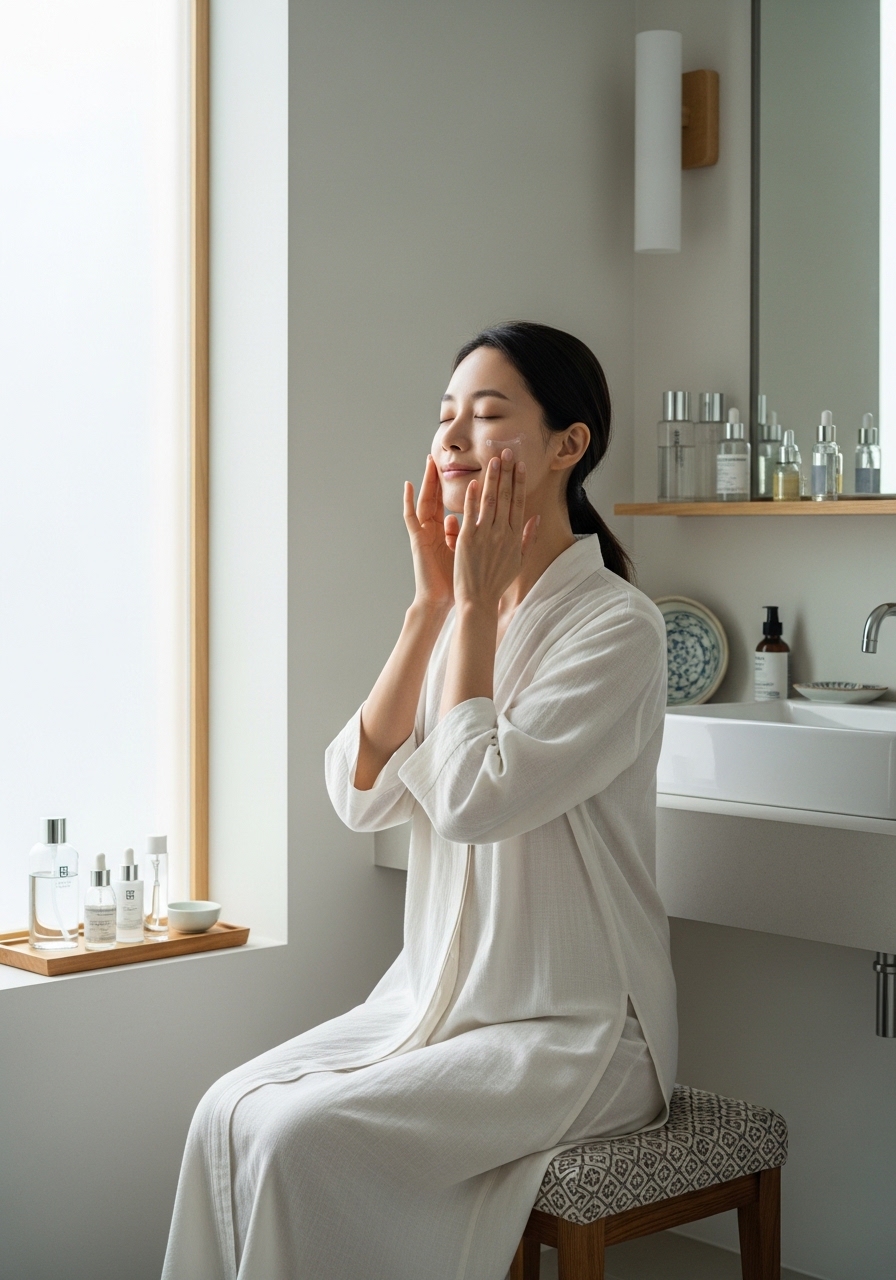
Korean skincare philosophy emphasizes prevention and maintenance over correction, focusing on keeping skin healthy rather than waiting to address problems after they occur. This approach aligns perfectly with achieving glass skin, as the look requires fundamentally healthy skin as its foundation. The Korean beauty routine prioritizes gentle, consistent care over aggressive treatments, multiple light layers of hydration over heavy single products, and long-term skin health over quick fixes.
The concept of “skin first, makeup second” drives Korean beauty culture, where achieving beautiful natural skin takes precedence over learning makeup techniques to cover imperfections. This philosophy encourages viewing skincare as self-care and wellness rather than merely a beauty routine, recognizing that external skin appearance reflects internal health, stress levels, diet, sleep quality, and overall lifestyle habits.
Glass skin specifically embodies the Korean belief that healthy skin should look healthy—dewy, plump, smooth, and radiant without obvious makeup. This contrasts with beauty trends that use makeup to create artificially perfect appearances. The glass skin ideal suggests that with proper care, skin can achieve such health and beauty that it requires minimal enhancement to look stunning.
Glass Skin Characteristics
True glass skin displays several specific visual and tactile characteristics that distinguish it from other skincare goals like “glowing skin” or “dewy skin.” The surface appears perfectly smooth to both sight and touch, without visible pores, bumps, rough patches, or textural irregularities. When light hits glass skin, it reflects evenly across the entire surface rather than creating uneven highlights or shadows from textural variations.
The skin maintains optimal moisture levels that create subtle plumpness and elasticity without appearing oily or shiny. This hydration shows in the skin’s ability to bounce back quickly when gently pressed and in the absence of fine lines that appear when skin lacks moisture. The complexion appears even-toned and clear, free from hyperpigmentation, dark spots, redness, or other discoloration that would interrupt the uniform, glass-like appearance.
Perhaps most importantly, glass skin possesses that distinctive inner luminosity—a glow that appears to emanate from within the skin rather than sitting on the surface. This glow suggests healthy cell turnover, good circulation, optimal hydration, and overall skin vitality. It’s subtle and natural-looking rather than obvious or artificial, creating the impression of naturally perfect skin rather than heavily treated or makeup-enhanced skin.
Why Summer Requires Special Adaptations
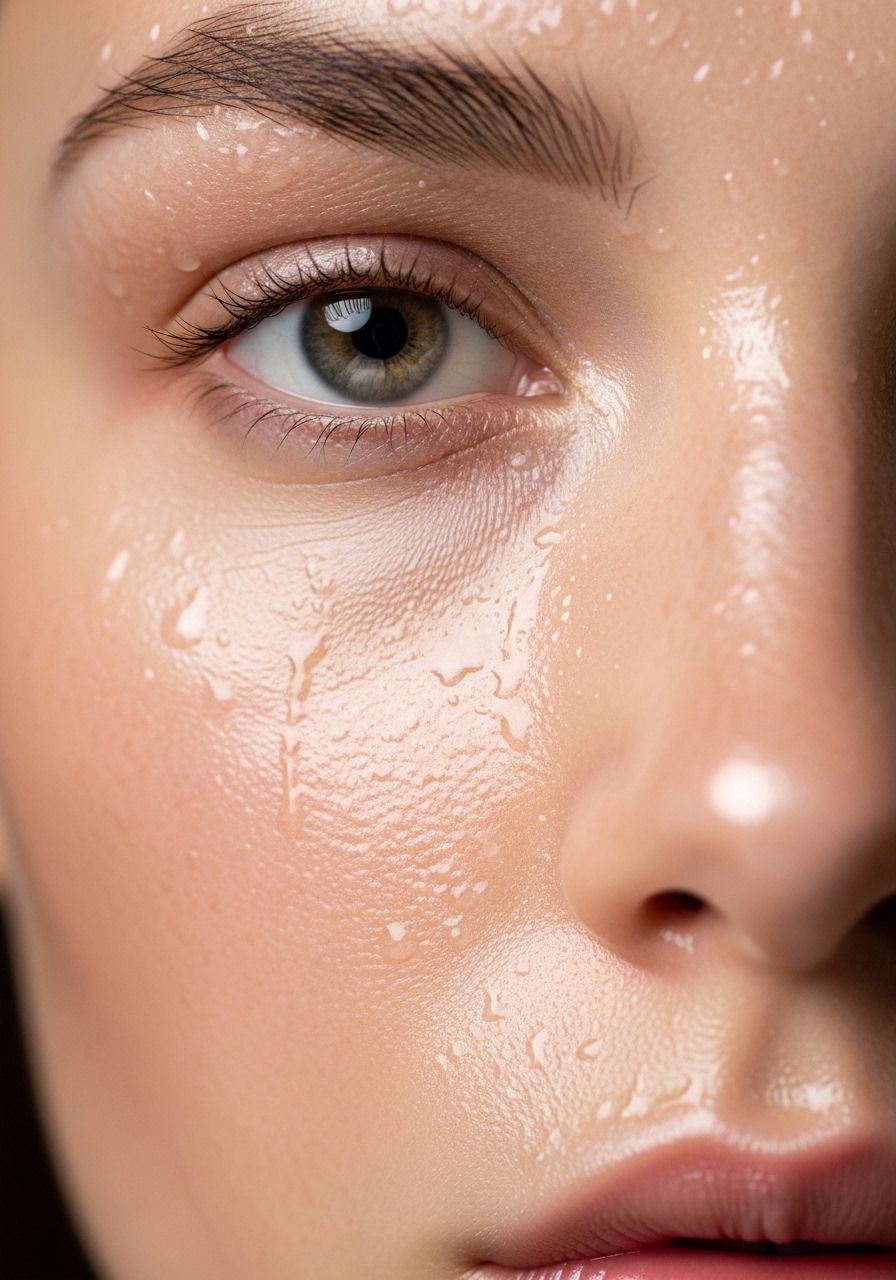
Summer weather conditions create unique challenges for maintaining glass skin that require strategic routine modifications. Increased temperature and humidity cause skin to produce more oil, which can disrupt the subtle dewiness that characterizes glass skin by creating obvious shine or greasiness. High humidity can also prevent skincare products from absorbing properly, leading to sticky, heavy feeling that contradicts the effortless appearance glass skin should have.
Sun exposure intensifies significantly during summer months, threatening the even tone and clarity essential to glass skin. UV radiation causes hyperpigmentation, inflammation, and premature aging that create texture and color irregularities incompatible with the glass skin ideal. Additionally, sun damage gradually breaks down collagen and elastin, reducing the plumpness and smoothness that contribute to the glass-like appearance.
Summer lifestyle changes also impact glass skin goals. Increased outdoor activities, swimming, sweating, and air conditioning exposure create additional stress on skin barrier function. More frequent cleansing to remove sweat and sunscreen can disrupt the gentle routine balance necessary for glass skin, while chlorine from pools and salt from ocean water can dehydrate and irritate skin.
These summer challenges require adapting traditional glass skin routines through lighter product formulations, enhanced sun protection, adjusted cleansing methods, and modified application techniques that maintain the desired dewy, luminous appearance while preventing the problems that warm weather can cause.
Understanding Your Skin’s Summer Needs
Summer fundamentally alters skin behavior and needs, requiring routine adjustments to maintain the healthy, luminous appearance characteristic of glass skin. During warmer months, sebaceous glands increase oil production in response to heat and humidity, while environmental factors like sun exposure, chlorine, air conditioning, and increased perspiration create additional stressors that can compromise skin barrier function and the clear, smooth complexion that defines glass skin.

How Heat and Humidity Affect Skin
Heat causes blood vessels near the skin surface to dilate, increasing circulation and bringing more blood flow to facial areas. While improved circulation can enhance the natural glow associated with glass skin, excessive heat can also trigger inflammation, redness, and sensitivity that disrupts the even tone and calm appearance glass skin requires. The increased blood flow also stimulates oil glands to produce more sebum, which can overwhelm the subtle dewiness that characterizes healthy glass skin.
High humidity creates complex effects on skin moisture balance. When external humidity exceeds 60-70%, skin may actually reduce its natural moisturizing factor production, assuming adequate moisture is available from the environment. However, this environmental moisture doesn’t penetrate deeply into skin layers the way topical hydration does, potentially leading to surface hydration but deeper dehydration—a combination that prevents the healthy, plump appearance glass skin demands.
Humidity also affects how skincare products perform on skin. In very humid conditions, water-based products may not absorb properly, creating sticky, heavy feelings that contradict glass skin’s effortless appearance. Oil-based products can feel even greasier and more obvious, while some ingredients may become less stable or effective in high moisture environments.
The combination of heat and humidity also increases perspiration, which can dilute skincare products, interfere with absorption, and create breeding grounds for bacteria that can lead to breakouts. Sweat mixed with skincare products or makeup can clog pores and cause irritation, both of which disrupt the clear, smooth complexion essential to glass skin.
Increased Oil Production Challenges
Summer’s elevated temperatures trigger increased sebaceous gland activity, causing skin to produce significantly more oil than during cooler months. While some oil production is necessary for healthy skin barrier function and the subtle glow characteristic of glass skin, excess oil can quickly overwhelm the delicate balance between healthy dewiness and obvious greasiness.
Increased oil production often leads to larger-appearing pores as sebaceous glands work overtime and pores stretch to accommodate higher oil volume. Visible pores directly contradict the smooth, poreless appearance that defines glass skin, making oil control a crucial component of summer glass skin routines without completely stripping skin of necessary moisture and natural oils.
Excess oil can also interfere with makeup application and longevity, causing foundation and other products to slip, separate, or appear patchy throughout the day. Since glass skin often relies on minimal, strategic makeup application to enhance the natural luminous appearance, product stability becomes even more important during summer months.
However, over-correcting oil production through harsh cleansing or drying products can backfire by triggering rebound oil production and damaging the skin barrier function necessary for healthy, glowing skin. The key lies in gentle oil control that regulates without stripping, maintaining the hydration and barrier integrity that support glass skin while preventing excessive shine.
Sun Protection Requirements
UV exposure poses the greatest threat to achieving and maintaining glass skin during summer months. Both UVA and UVB radiation cause immediate and cumulative damage that directly opposes every characteristic of glass skin. UV exposure triggers inflammation, creates uneven pigmentation, breaks down collagen and elastin that provide skin smoothness, and accelerates aging processes that create texture irregularities.
Hyperpigmentation from sun exposure creates the uneven tone that makes glass skin impossible to achieve. Even minor dark spots, sun spots, or areas of discoloration interrupt the uniform light reflection that gives skin its glass-like appearance. UV damage also stimulates melanin production unevenly across facial areas, creating patches and variations that require covering rather than celebrating natural skin beauty.
Sun damage gradually degrades skin texture through collagen breakdown, creating fine lines, rough patches, and loss of firmness that prevent the smooth, plump appearance glass skin requires. UV radiation also impairs skin barrier function, leading to dehydration, sensitivity, and inflammation that oppose the calm, healthy glow characteristic of glass skin.
Therefore, summer glass skin routines must prioritize comprehensive sun protection through daily broad-spectrum SPF 30 minimum, strategic sun avoidance during peak hours, protective clothing and accessories, and products containing antioxidants that help neutralize free radical damage from UV exposure. Sun protection becomes not just a health concern but an aesthetic necessity for maintaining glass skin appearance.
Essential Products for Summer Glass Skin
Achieving glass skin in summer requires carefully selected products that provide the hydration, smoothness, and luminosity characteristic of the glass skin look while adapting to warm weather conditions. The key lies in choosing lightweight formulations that deliver maximum benefits without feeling heavy, greasy, or uncomfortable in heat and humidity.
Gentle Cleansers
Summer glass skin routines begin with gentle cleansing that removes impurities, excess oil, and sunscreen without stripping the skin barrier or causing irritation that would disrupt the smooth, calm appearance glass skin requires. Oil cleansers work exceptionally well for first cleanse, dissolving sunscreen, sebum, and oil-based impurities while nourishing rather than drying skin. Choose lightweight cleansing oils that emulsify easily and rinse clean without leaving residue.
Water-based second cleansers should be gentle, pH-balanced (around 5.5), and free from harsh sulfates that can strip natural oils and damage skin barrier. Gel cleansers work well for oily skin, providing thorough cleansing while maintaining hydration. Cream or milk cleansers suit normal to dry skin, offering gentle cleansing with moisturizing benefits. Low-pH cleansers support skin barrier function and prepare skin to better absorb subsequent hydrating products.
Avoid cleansers containing harsh detergents, high alcohol content, or strong fragrances that can irritate skin and trigger inflammation or sensitivity. Over-cleansing or using overly stripping products will damage the skin barrier and prevent the healthy, hydrated appearance that defines glass skin. Even oily skin needs gentle cleansing to avoid triggering rebound oil production.
Hydrating Essences and Toners
Essences represent the heart of Korean skincare routines and are crucial for achieving glass skin. These lightweight, watery products provide the first layer of hydration while preparing skin to better absorb subsequent products. Look for essences containing hyaluronic acid, beta-glucan, or fermented ingredients that provide deep hydration without heaviness.
Hydrating toners (different from astringent Western toners) add another layer of moisture while balancing skin pH after cleansing. Apply toners and essences using the “patting method”—gently patting products into skin with palms rather than wiping with cotton pads, which can irritate and waste product. Some people use the “7-skin method,” applying multiple layers of toner or essence for intensive hydration.
In summer, choose alcohol-free formulations that won’t dry skin or trigger irritation. Ingredients like sodium hyaluronate, glycerin, and amino acids provide excellent hydration, while botanical extracts like green tea, centella asiatica, or licorice root offer soothing and brightening benefits that support the even tone glass skin requires.
Lightweight Serums
Serums deliver concentrated active ingredients that target specific skin concerns while maintaining the lightweight feel necessary for summer glass skin routines. Hyaluronic acid serums provide intensive hydration without adding oil or weight, making them ideal for creating the plump, dewy appearance glass skin demands.
Niacinamide serums offer multiple benefits for summer glass skin: regulating oil production, minimizing pore appearance, strengthening skin barrier, reducing inflammation, and brightening overall complexion. Vitamin C serums provide antioxidant protection against environmental damage while brightening skin and supporting collagen production for improved texture and radiance.
Apply serums to slightly damp skin for better absorption and enhanced hydration. Layer multiple serums if needed, applying thinnest to thickest consistency and allowing each to absorb before applying the next. In summer, prioritize serums with lightweight, fast-absorbing formulations over heavy, oily textures that may feel uncomfortable or cause breakouts.
Moisturizers and Sleeping Masks
Summer moisturizers for glass skin should provide adequate hydration while maintaining the lightweight feel that prevents discomfort in heat and humidity. Gel moisturizers offer excellent hydration with minimal weight, perfect for oily or combination skin seeking glass skin appearance. Gel-cream hybrids provide slightly more richness while remaining comfortable for normal to dry skin.
Look for moisturizers containing ceramides to support skin barrier function, hyaluronic acid for deep hydration, and lightweight oils like squalane that provide moisture without greasiness. Avoid heavy, occlusive ingredients that may clog pores or feel uncomfortable in summer heat.
Sleeping masks provide intensive overnight hydration and repair, crucial for maintaining the healthy, glowing appearance glass skin requires. Choose lightweight sleeping masks that absorb well rather than sitting heavily on skin throughout the night. Hydrogel or water-based sleeping masks work particularly well in summer, providing intensive hydration without heaviness.
Sunscreen Essentials
Sunscreen represents the most crucial product for maintaining glass skin during summer, as UV damage directly opposes every characteristic of the glass skin ideal. Choose broad-spectrum SPF 30 minimum (SPF 50 preferred for extended outdoor exposure) in formulations that work well under makeup and don’t interfere with the dewy finish glass skin requires.
Chemical sunscreens often feel lighter and more elegant than mineral formulations, making them popular for daily glass skin routines. However, mineral sunscreens using zinc oxide or titanium dioxide offer excellent protection with less irritation potential for sensitive skin. Hybrid formulations combine benefits of both approaches.
Look for sunscreens with skincare benefits like hydrating ingredients, antioxidants, or brightening agents that support rather than work against glass skin goals. Avoid sunscreens that leave white casts, feel overly greasy, or pill when layered with other products. Reapplication every 2 hours during sun exposure is essential for maintained protection.
Complete Morning Glass Skin Routine for Summer
The morning glass skin routine focuses on hydration, protection, and creating that signature dewy glow while preparing skin to withstand summer environmental challenges. This routine emphasizes layering lightweight, hydrating products that absorb quickly and work well under sunscreen and makeup.
Step 1: Gentle Morning Cleanse
Begin with lukewarm water to splash face, removing overnight oil buildup and preparing skin for product absorption. If skin feels particularly oily or if you used heavy products the night before, use a gentle water-based cleanser applied in circular motions for 30-60 seconds before rinsing thoroughly. Many people with normal to dry skin find that water alone suffices for morning cleansing, preserving natural oils that contribute to glass skin’s healthy appearance.
Avoid harsh scrubbing or hot water that can irritate skin and trigger inflammation incompatible with glass skin’s calm, smooth appearance. Pat skin dry gently with a clean towel, leaving skin slightly damp to enhance absorption of subsequent hydrating products.
Step 2: Hydrating Essence or Toner
Apply hydrating essence or toner while skin remains slightly damp from cleansing. Pour product into palms and gently pat onto entire face and neck, allowing full absorption before proceeding. The moisture left on skin from cleansing helps essence penetrate more deeply while preventing evaporation.
Focus on even application across all facial areas, paying attention to any dry patches or areas prone to dehydration. Some people prefer applying multiple thin layers of essence using the “7-skin method” for intensive hydration, particularly beneficial for achieving the plump, dewy appearance characteristic of glass skin.
Step 3: Targeted Serums
Apply serums based on skin’s specific needs and glass skin goals. Hyaluronic acid serum provides essential hydration for the plump, dewy appearance glass skin requires. Vitamin C serum offers antioxidant protection against environmental damage while brightening complexion and supporting the inner glow that defines glass skin.
If using multiple serums, apply thinnest consistency first, allowing each to absorb completely before applying the next. Typical summer glass skin serum combinations include hyaluronic acid for hydration plus vitamin C for protection and brightness, or niacinamide for oil control and barrier support plus a hydrating serum for moisture balance.
Step 4: Lightweight Moisturizer
Apply lightweight moisturizer to seal in previous products and provide additional hydration while creating smooth base for sunscreen application. Choose gel or gel-cream formulations that absorb quickly without leaving sticky or heavy residue. Focus on even application using gentle upward motions, ensuring complete coverage including often-missed areas like around eyes and jawline.
Allow moisturizer to fully absorb (1-2 minutes) before applying sunscreen to prevent products from mixing and potentially reducing sunscreen efficacy or creating pilling.
Step 5: Broad-Spectrum Sunscreen
Apply generous amount of broad-spectrum SPF 30+ sunscreen as final step in morning routine. Use approximately 1/4 teaspoon for face and neck, ensuring even coverage across all exposed areas. Choose sunscreen formulations that complement glass skin aesthetic—those that provide protection without creating obvious white cast or interfering with the subtle dewy finish.
Allow sunscreen to absorb for 15 minutes before makeup application if desired. Reapply every 2 hours during sun exposure regardless of other products applied over sunscreen.
Step 6: Optional Light Makeup
Glass skin aesthetic celebrates natural beauty, often requiring minimal makeup enhancement. If desired, apply lightweight base makeup that enhances rather than covers the dewy, luminous appearance created by skincare routine. Tinted moisturizers, BB creams, or light foundation applications can even skin tone while maintaining natural glow.
Focus on enhancing rather than covering the glass skin appearance through strategic highlighting on cheekbones, bridge of nose, and other high points where natural light would hit healthy, glowing skin.
Step 7: Final Hydration Boost
On particularly dry days or in air-conditioned environments, finish routine with light mist of facial spray or essence spray to add final layer of hydration and enhance the dewy appearance characteristic of glass skin. This step helps set makeup if worn while providing ongoing hydration throughout the day.
Complete Evening Glass Skin Routine for Summer
Evening routines focus on removing daily accumulation of sunscreen, oil, and environmental pollutants while providing intensive repair and hydration that supports overnight skin renewal and the healthy appearance glass skin requires.
Step 1: First Cleanse (Oil-Based)
Begin evening routine with oil-based cleanser to dissolve sunscreen, excess sebum, and oil-based impurities that accumulate throughout summer days. Apply cleansing oil to dry skin, massaging gently for 1-2 minutes to thoroughly dissolve all impurities. Add small amount of water to emulsify oil cleanser, creating milky texture, before rinsing thoroughly with lukewarm water.
This first cleanse is crucial in summer when waterproof sunscreens and increased oil production create more stubborn impurities requiring oil-based dissolution. Thorough first cleansing prevents pore-clogging and creates clean canvas for subsequent products to absorb effectively.
Step 2: Second Cleanse (Water-Based)
Follow with gentle water-based cleanser to remove any remaining impurities and ensure completely clean skin. Apply cleanser to damp skin, massage for 30-60 seconds using circular motions, then rinse thoroughly. This double cleansing method ensures complete removal of all daily accumulation without over-stripping skin.
Choose pH-balanced, sulfate-free cleansers that clean effectively while maintaining skin barrier integrity necessary for glass skin’s healthy appearance.
Step 3: Exfoliation (2-3 Times Weekly)
Incorporate gentle exfoliation 2-3 times weekly to remove dead skin cell buildup that prevents the smooth, light-reflecting surface glass skin requires. Choose between gentle physical exfoliants (soft scrubs, konjac sponges) or chemical exfoliants (BHA, AHA, or enzyme exfoliants) based on skin tolerance and needs.
Apply exfoliating products according to directions, avoiding over-exfoliation that can damage skin barrier and trigger inflammation. Summer heat and sun exposure make skin more sensitive, requiring gentler exfoliation than might be tolerated in cooler months.
Step 4: Hydrating Essence or Treatment Toner
Apply hydrating essence or treatment toner to clean, slightly damp skin. Treatment toners may contain gentle active ingredients like niacinamide or low-concentration acids that support skin renewal and the clear, smooth appearance glass skin requires.
Use patting motions to apply product evenly across face and neck, allowing complete absorption before proceeding to next step.
Step 5: Treatment Serums
Evening presents optimal time for treatment serums that support skin repair, renewal, and the healthy appearance characteristic of glass skin. Retinol or retinoid serums (used cautiously and with increased sun protection) can improve skin texture and cell turnover. Hydrating serums with hyaluronic acid, peptides, or growth factors support overnight repair.
Apply serums in order of thinnest to thickest consistency, allowing each to absorb completely before applying next product.
Step 6: Eye Cream (Optional)
Apply eye cream if desired to address delicate eye area needs. Choose lightweight formulations that hydrate and support the smooth, even appearance glass skin requires around eyes without creating milia or interfering with overall routine.
Step 7: Night Moisturizer
Apply slightly richer night moisturizer than morning formulation to support overnight skin repair and hydration. Choose products containing ceramides, peptides, or other repair-supporting ingredients while maintaining comfortable, non-greasy texture appropriate for summer weather.
Step 8: Sleeping Mask or Final Hydration
1-2 times weekly, replace night moisturizer with hydrating sleeping mask for intensive overnight treatment. Choose lightweight, hydrating masks that provide deep moisture and repair support without feeling heavy or causing breakouts.
On other nights, finish routine with light application of facial oil (if tolerated) or additional layer of essence for extra hydration boost that supports the plump, dewy appearance glass skin requires.
Key Ingredients for Glass Skin in Summer
Achieving glass skin in summer requires strategic ingredient selection that addresses warm-weather skin challenges while promoting the hydration, smoothness, and luminosity characteristic of the glass skin ideal. These ingredients work synergistically to create optimal skin health and the coveted glass-like appearance.
Hyaluronic Acid
Hyaluronic acid stands as the most crucial ingredient for glass skin hydration, capable of holding up to 1000 times its weight in water. This powerful humectant draws moisture from the environment and deeper skin layers, binding it where needed to create the plump, dewy appearance that defines glass skin. During summer, when heat and air conditioning can rapidly dehydrate skin, hyaluronic acid provides consistent moisture that maintains skin’s smooth, supple texture.
Multiple molecular weights of hyaluronic acid work optimally together. High molecular weight hyaluronic acid stays on skin surface, creating immediate plumping and moisture-binding effects. Low molecular weight (or hydrolyzed) hyaluronic acid penetrates deeper into skin layers, providing hydration from within that supports long-term skin health and the inner glow characteristic of glass skin.
Apply hyaluronic acid to slightly damp skin for maximum effectiveness, as it needs moisture to bind to. Follow with moisturizer to seal hydration and prevent moisture loss throughout the day. In very dry environments (below 30% humidity), ensure adequate moisture sources prevent hyaluronic acid from potentially drawing moisture from deeper skin layers.
Niacinamide
Niacinamide (vitamin B3) offers multiple benefits crucial for summer glass skin success. It regulates sebum production, helping control the excess oil that can overwhelm glass skin’s subtle dewiness with obvious greasiness. Niacinamide strengthens skin barrier function, essential for maintaining healthy hydration and the smooth, resilient appearance glass skin requires.
This versatile ingredient also minimizes pore appearance, creating smoother surface texture that better reflects light evenly—crucial for achieving glass skin’s flawless appearance. Niacinamide provides anti-inflammatory benefits, reducing redness and irritation that could disrupt the calm, even complexion glass skin demands.
Additionally, niacinamide brightens skin by inhibiting melanin transfer, helping maintain the even tone and clarity essential to glass skin while protecting against hyperpigmentation from summer sun exposure. Use niacinamide in 2-10% concentrations, starting conservatively if new to the ingredient.
Ceramides
Ceramides form the foundation of healthy skin barrier function, comprising approximately 50% of the skin’s protective outer layer. These lipid molecules work as “mortar” between skin cell “bricks,” preventing moisture loss while protecting against environmental damage that could compromise glass skin’s healthy appearance.
Summer’s environmental stressors—sun exposure, heat, humidity fluctuations, increased cleansing, chlorine, and air conditioning—all challenge skin barrier integrity. Ceramides help maintain barrier strength, supporting the skin’s ability to retain moisture and resist irritation that would prevent achieving glass skin.
Look for products containing multiple ceramide types (ceramides 1, 3, 6) along with cholesterol and fatty acids that mimic skin’s natural lipid composition. Ceramides work particularly well in moisturizers and serums, providing foundational support for glass skin’s healthy, resilient appearance.
Vitamin C
Vitamin C provides essential antioxidant protection against environmental damage while supporting the brightness and clarity glass skin requires. As potent antioxidant, vitamin C neutralizes free radicals generated by UV exposure, pollution, and other environmental stressors before they damage skin cells and disrupt glass skin’s smooth, even appearance.
Vitamin C also inhibits melanin production, helping prevent dark spots and hyperpigmentation that would interrupt glass skin’s uniform tone. It stimulates collagen production, supporting skin firmness and smooth texture while enhancing the natural radiance that characterizes healthy glass skin.
Choose stable vitamin C formulations—L-ascorbic acid at 10-20% concentration for maximum potency (though requiring specific pH and storage), or stable derivatives like ascorbyl glucoside or magnesium ascorbyl phosphate for gentleness and convenience. Apply vitamin C in morning routine for maximum antioxidant protection throughout summer days.
Gentle Exfoliating Acids
Regular, gentle exfoliation removes dead skin cell buildup that prevents glass skin’s signature smooth, light-reflecting surface. Chemical exfoliants work more gently and evenly than physical scrubs, making them ideal for maintaining glass skin without irritation.
Beta hydroxy acid (salicylic acid) penetrates oil-soluble pores, making it excellent for managing summer’s increased oil production while maintaining smooth skin texture. Use salicylic acid 0.5-2% concentration 2-3 times weekly, adjusting frequency based on skin tolerance and sun exposure.
Alpha hydroxy acids like lactic acid or mandelic acid gently resurface skin, improving texture and enhancing product absorption while supporting the smooth, refined appearance glass skin requires. These water-soluble acids work on skin surface, making them excellent for overall texture improvement.
Polyhydroxy acids (PHAs) like gluconolactone offer gentlest exfoliation with additional moisturizing benefits, ideal for sensitive skin pursuing glass skin goals. PHAs work slowly and gently while providing antioxidant benefits and hydration support.
Always use increased sun protection when incorporating exfoliating acids, as they increase photosensitivity. Start conservatively with lower concentrations and reduced frequency, building tolerance gradually.
Weekly Treatments and Advanced Techniques
Achieving and maintaining glass skin requires regular weekly treatments that go beyond daily routines to address texture, hydration, and overall skin health at deeper levels. These advanced techniques support the smooth, luminous appearance characteristic of glass skin while adapting to summer’s unique challenges.
Exfoliation Methods
Weekly exfoliation removes accumulated dead skin cells that create texture irregularities preventing glass skin’s signature smooth, light-reflecting surface. Choose exfoliation methods based on skin sensitivity and tolerance, particularly important during summer when heat and sun exposure increase skin sensitivity.
Physical exfoliation using gentle scrubs, konjac sponges, or soft washcloths provides immediate smoothing effects when used 1-2 times weekly. Focus on areas prone to texture buildup (forehead, nose, chin) while being gentler on delicate areas (cheeks, around eyes). Avoid harsh scrubs with jagged particles that can create micro-tears and inflammation.
Chemical exfoliation offers more even, controlled results through AHA, BHA, or enzyme treatments. Glycolic acid peels (5-10% concentration) improve overall texture and brightness, while lactic acid provides gentler surface renewal with additional hydrating benefits. Enzyme exfoliants using papaya, pineapple, or pumpkin enzymes offer gentlest option for sensitive skin.
Professional exfoliation through dermatologist or aesthetician visits can provide deeper treatment for stubborn texture issues. However, timing professional treatments carefully during summer months is important to avoid increased sun sensitivity during peak UV exposure periods.
Face Masks
Weekly hydrating masks provide intensive moisture and repair support crucial for maintaining glass skin’s plump, dewy appearance. Sheet masks offer convenience and mess-free application while delivering concentrated essences directly to skin. Choose masks containing hyaluronic acid, ceramides, or other hydrating ingredients rather than harsh actives that might irritate summer-stressed skin.
Clay or mud masks help manage excess oil production that can overwhelm glass skin’s subtle dewiness. Use these masks only on oil-prone areas (T-zone) rather than entire face if you have combination skin, and follow with intensive hydration to prevent over-drying.
Overnight sleeping masks provide extended treatment time for deep hydration and repair. Apply sleeping masks 1-2 times weekly, replacing regular night moisturizer for intensive treatment that supports skin renewal and the healthy glow glass skin requires.
DIY masks using natural ingredients like honey, oatmeal, or aloe vera can provide gentle, soothing treatment. However, avoid lemon, baking soda, or other harsh DIY ingredients that can irritate skin and disrupt the calm, smooth appearance glass skin demands.
Facial Massage
Regular facial massage improves circulation, promotes lymphatic drainage, and enhances product absorption—all supporting the healthy glow and smooth texture characteristic of glass skin. Improved circulation brings oxygen and nutrients to skin cells while removing waste products, creating natural radiance from within.
Perform facial massage 2-3 times weekly using clean hands and facial oil or serum for slip. Use gentle upward and outward motions: from center chin along jawline to ears, from mouth corners to ears, from nose sides across cheeks to ears, from center forehead to temples. Include gentle eye area massage along brow bone and under-eye areas using ring finger pressure.
Jade rollers or gua sha tools enhance massage benefits while feeling cooling and soothing—particularly beneficial during summer heat. Store tools in refrigerator for additional cooling effects that help reduce morning puffiness and provide refreshing sensation.
Focus massage on areas prone to tension or puffiness that could disrupt glass skin’s smooth, even appearance. Consistent massage helps maintain facial muscle tone and skin elasticity while providing stress relief that indirectly benefits skin health.
Professional Treatments
Professional treatments can accelerate glass skin progress and address concerns beyond at-home routine capabilities. HydraFacials combine cleansing, exfoliation, extractions, and hydration in single treatment, providing immediate smoothing and brightening effects that support glass skin goals.
Chemical peels performed by dermatologists or licensed aestheticians can address texture issues, hyperpigmentation, and pore appearance more dramatically than at-home treatments. However, timing professional peels carefully during summer is crucial to avoid increased photosensitivity during peak sun exposure.
Microneedling stimulates collagen production and improves product absorption, supporting smoother texture and enhanced glow over time. Professional microneedling provides deeper results than at-home tools while ensuring sterile technique and appropriate depth.
LED light therapy can reduce inflammation, stimulate collagen production, and enhance cellular repair—all supporting the healthy skin foundation glass skin requires. Many professional treatments combine LED therapy with other modalities for comprehensive results.
Schedule professional treatments during periods of minimal sun exposure and always follow post-treatment care instructions meticulously, particularly regarding sun protection during healing periods.
Lifestyle Factors for Glass Skin
Achieving true glass skin extends beyond topical skincare to encompass lifestyle factors that fundamentally impact skin health, radiance, and overall appearance. These internal factors often determine whether external skincare efforts succeed in creating the luminous, healthy glow characteristic of glass skin.
Diet and Hydration
Hydration forms the foundation of glass skin from within, as adequate water intake supports cellular function, nutrient delivery, waste removal, and the plump, supple appearance that defines healthy skin. During summer, increased heat, perspiration, and sun exposure significantly increase hydration needs beyond the standard 8 glasses daily recommendation. Aim for 10-12 glasses of water daily during hot weather, more if engaging in outdoor activities or exercise.
Water-rich foods contribute significantly to overall hydration while providing skin-beneficial nutrients. Summer produce like watermelon, cucumber, strawberries, cantaloupe, and leafy greens offer high water content plus vitamins, minerals, and antioxidants that support skin health from within. These foods also provide natural electrolytes that help maintain proper hydration balance.
Antioxidant-rich foods protect skin from environmental damage that could disrupt glass skin’s clear, even appearance. Colorful fruits and vegetables—berries, dark leafy greens, bell peppers, tomatoes—contain vitamins A, C, E and phytonutrients that neutralize free radicals and support skin repair processes. Green tea provides powerful antioxidants while contributing to daily fluid intake.
Omega-3 fatty acids from sources like salmon, walnuts, flaxseeds, and chia seeds support skin barrier function and help maintain the smooth, supple texture glass skin requires. These healthy fats also provide anti-inflammatory benefits that support calm, clear skin appearance.
Limit sugar, processed foods, and dairy if they trigger inflammation or breakouts that would disrupt glass skin’s smooth, clear appearance. Excessive sugar consumption contributes to glycation—a process where sugar molecules damage collagen and elastin, creating stiffness and texture irregularities incompatible with glass skin.
Sleep and Stress Management
Quality sleep provides essential time for skin repair, regeneration, and the cellular renewal that maintains glass skin’s healthy appearance. During deep sleep, growth hormone production peaks, stimulating cell division and collagen synthesis while increasing blood flow to skin that delivers nutrients and removes waste products.
Aim for 7-9 hours of consistent, quality sleep nightly. Establish regular sleep schedules, create cool, dark sleeping environments, and limit screen exposure before bedtime to support natural sleep cycles. Poor sleep quality shows quickly in skin through dullness, fine lines, dark circles, and reduced elasticity—all incompatible with glass skin ideals.
Sleep position impacts skin aging and texture over time. Back sleeping minimizes facial contact with pillows, reducing compression wrinkles and friction that could create texture irregularities. If side sleeping is unavoidable, use silk or satin pillowcases that create less friction than cotton while helping maintain skincare product absorption.
Chronic stress negatively impacts skin through increased cortisol production, which triggers inflammation, impairs barrier function, and reduces skin’s ability to repair and regenerate effectively. Stress also often leads to neglecting skincare routines, poor food choices, and inadequate sleep—compounding negative effects on skin appearance.
Implement stress management techniques like regular exercise, meditation, deep breathing practices, adequate social connection, and engaging in enjoyable activities. Even brief daily stress-reduction practices provide measurable benefits for both mental wellbeing and skin health.
Exercise Considerations
Regular exercise benefits skin through improved circulation, stress reduction, enhanced sleep quality, and hormonal balance—all supporting the healthy glow characteristic of glass skin. Cardiovascular exercise increases blood flow throughout the body, delivering oxygen and nutrients to skin cells while removing waste products that could dull complexion.
However, summer exercise requires special considerations to protect glass skin goals. Schedule outdoor exercise during cooler hours (early morning or evening) to minimize heat stress and UV exposure. Always apply broad-spectrum sunscreen before outdoor activities, reapplying every hour during extended exercise or if sweating heavily.
Remove makeup before exercise to prevent clogged pores from sweat mixing with cosmetic products. Cleanse face promptly after exercise to remove sweat and bacteria before they cause irritation or breakouts that would disrupt glass skin’s smooth appearance. However, avoid over-cleansing—gentle cleansing with lukewarm water often suffices post-workout.
Choose breathable, moisture-wicking fabrics for exercise clothing to minimize skin irritation and heat buildup. Avoid touching face during exercise to prevent transferring bacteria from gym equipment or hands to facial skin.
Indoor exercise in air-conditioned environments can dehydrate skin, requiring increased attention to hydration both during and after workouts. Keep facial mist or hydrating spray available for refreshing skin during and after exercise sessions.
Post-exercise skincare should focus on gentle cleansing, hydration, and soothing any heat-related redness or irritation. Apply hydrating toner, serum, and moisturizer to support skin recovery and maintain the healthy, balanced state glass skin requires.
Common Mistakes to Avoid
Achieving glass skin requires avoiding common pitfalls that can sabotage progress or damage skin health. These mistakes often stem from impatience, using incorrect techniques, or failing to adapt routines appropriately for summer conditions.
Over-Exfoliation in Summer
Over-exfoliation represents one of the most damaging mistakes people make when pursuing glass skin, particularly problematic during summer when heat and sun exposure already stress skin. The desire to achieve smooth, poreless-looking skin quickly leads many people to exfoliate daily or use multiple exfoliating products simultaneously, creating irritation, inflammation, and barrier damage that directly opposes glass skin goals.
Signs of over-exfoliation include persistent redness, unusual sensitivity to products that normally don’t irritate, tight or uncomfortable feeling after cleansing, increased oiliness or unexpected dryness, breakouts in unusual areas, and flaking or peeling beyond normal exfoliation effects. Summer heat amplifies these symptoms and prolongs recovery time.
Limit exfoliation to 2-3 times weekly maximum during summer months. Choose one exfoliation method—either chemical or physical—rather than combining multiple approaches. If using chemical exfoliants like AHA or BHA products, these count as exfoliation days. Don’t use additional physical scrubs or exfoliating tools on the same days.
If over-exfoliation occurs, immediately stop all exfoliating products and focus on barrier repair through gentle cleansing, intensive hydration with ceramides and hyaluronic acid, and avoiding any potentially irritating ingredients until skin recovers completely.
Using Heavy Products in Heat
Many people continue using rich, heavy moisturizers and oils during summer that worked well in winter but become problematic in heat and humidity. Heavy products can clog pores, feel uncomfortable, trigger breakouts, and create obvious greasiness that overwhelms glass skin’s subtle dewiness.
Heavy products also interfere with makeup application and longevity, causing foundation and other cosmetics to slip, separate, or appear patchy throughout hot days. Since glass skin often incorporates minimal makeup application, product stability becomes crucial.
Switch to lightweight, gel-based, or water-based formulations during summer months. These provide necessary hydration and skin benefits without the heaviness that becomes problematic in warm weather. Lightweight doesn’t mean less effective—modern formulations deliver maximum benefits in comfortable textures.
Layer multiple lightweight products rather than using single heavy applications. This approach provides customizable hydration while maintaining comfortable wear and the effortless appearance glass skin requires.
Skipping Sunscreen for Glass Skin
Some people mistakenly skip sunscreen believing it interferes with glass skin’s dewy appearance or that minimal makeup provides adequate protection. However, UV damage directly opposes every characteristic of glass skin—causing uneven pigmentation, texture irregularities, inflammation, and premature aging that make glass skin impossible to achieve or maintain.
Skipping sunscreen also negates benefits from other skincare investments, as UV damage overwhelms progress made through careful routine adherence. Even one day of significant sun exposure can cause hyperpigmentation or inflammation that requires weeks or months to resolve.
Choose sunscreens specifically formulated to work well with glass skin aesthetics—those providing protection without obvious white cast, excessive greasiness, or interference with the subtle dewy finish. Many modern sunscreens enhance rather than detract from glass skin appearance through hydrating ingredients and luminous finishes.
Apply sunscreen as non-negotiable final step in morning routines, using adequate amounts (1/4 teaspoon for face and neck) and reapplying every 2 hours during sun exposure regardless of other products applied over sunscreen.
Not Adjusting Routine for Climate
Failing to adapt skincare routines for summer climate conditions leads to product performance issues, skin problems, and inability to achieve glass skin goals. Products and techniques that work perfectly in cool, dry winter conditions often become problematic during hot, humid summer months.
Climate adaptation involves adjusting product weights and formulations, modifying application techniques, changing ingredient priorities, and recognizing that skin behavior changes with environmental conditions. What works in one climate or season may require modification for different conditions.
Research climate-appropriate product recommendations, seek advice from local dermatologists or aestheticians familiar with regional climate challenges, and be willing to adjust routines based on seasonal changes rather than assuming year-round consistency is always optimal.
Monitor skin’s response to seasonal changes and adjust routines accordingly. If products that usually work well suddenly cause problems, consider whether climate factors require routine modifications rather than assuming skin is simply “acting up” for mysterious reasons.
Troubleshooting Summer Glass Skin Issues
Even with careful routine adherence, summer conditions can create specific challenges that interfere with achieving or maintaining glass skin. Understanding how to address these issues quickly and effectively prevents minor problems from becoming major setbacks.
Dealing with Excess Oil
Increased oil production during summer can overwhelm glass skin’s subtle dewiness, creating obvious greasiness that contradicts the effortless, healthy appearance glass skin requires. However, over-correcting with harsh, stripping products often worsens the problem by triggering rebound oil production and damaging skin barrier.
Use gentle, oil-controlling ingredients like niacinamide, salicylic acid in low concentrations (0.5-1%), or clay masks applied only to oil-prone areas 1-2 times weekly. These regulate oil production without completely stripping necessary moisture and natural oils.
Blotting papers provide immediate oil control throughout the day without disturbing makeup or skincare products. Gently press blotting papers against oily areas rather than wiping or rubbing, which can irritate skin and spread oil around.
Adjust product formulations rather than eliminating hydration entirely. Switch from cream to gel moisturizers, use lightweight serums instead of heavy treatments, and ensure all products are labeled non-comedogenic to prevent pore-clogging.
Consider that apparent excess oil might actually indicate dehydration—skin producing oil to compensate for lack of water-based hydration. Ensure adequate hydrating products (essence, hydrating serums) even if reducing oil-based products.
Managing Breakouts
Summer breakouts can disrupt glass skin’s smooth, clear appearance through active blemishes, post-inflammatory hyperpigmentation, and texture irregularities. Address breakouts gently to avoid creating additional inflammation or scarring that would permanently interfere with glass skin goals.
Spot-treat individual blemishes with ingredients like salicylic acid, benzoyl peroxide (used sparingly), or hydrocolloid patches that draw out impurities without spreading bacteria or creating trauma to surrounding skin. Avoid picking, squeezing, or aggressive scrubbing that worsens inflammation and creates lasting damage.
Maintain gentle, consistent cleansing routine even when experiencing breakouts. Over-cleansing or using harsh products often worsens acne by irritating skin and triggering more inflammation. Stick to proven gentle products and resist urges to dramatically change routines during breakout periods.
If breakouts persist or worsen, consult dermatologist for professional treatment options. Persistent acne requires medical intervention rather than continuing to experiment with over-the-counter products that may cause additional irritation.
Focus on prevention through non-comedogenic products, regular pillowcase changes, avoiding touching face, and maintaining consistent routine rather than reactive treatments that can damage skin health long-term.
Addressing Dehydration
Summer’s air conditioning, heat, and increased sun exposure can dehydrate skin despite humid environmental conditions. Dehydrated skin lacks the plump, smooth appearance glass skin requires while often triggering compensatory oil production that creates confusing combination symptoms.
Also Read: Simple Summer Eye Makeup
Layer multiple hydrating products using essences, hydrating toners, hyaluronic acid serums, and lightweight moisturizers to create comprehensive moisture barrier. Apply products to damp skin when possible to enhance absorption and prevent moisture loss.
Use facial mists throughout the day to refresh and re-hydrate skin, particularly in air-conditioned environments. Choose mists with beneficial ingredients like hyaluronic acid, thermal water, or botanical extracts rather than plain water that can actually increase dehydration through evaporation.
Increase internal hydration through adequate water intake, water-rich foods, and electrolyte balance particularly important during summer heat and increased perspiration.
Consider overnight hydrating masks or sleeping packs 2-3 times weekly during periods of increased dehydration, providing intensive treatment that supports skin recovery and the healthy, plump appearance glass skin requires.
Frequently Asked Questions
How long does it take to achieve glass skin using this summer routine?
Achieving noticeable glass skin improvements typically takes 6-12 weeks of consistent routine adherence, though individual results vary based on starting skin condition, age, lifestyle factors, and genetic predisposition. Surface improvements like increased hydration and initial glow appear within 2-3 weeks of proper moisturizing and gentle care. Texture improvements from regular exfoliation become visible around 4-6 weeks as skin cell turnover cycles complete. More significant changes like reduced pore appearance, improved elasticity, and that distinctive glass-like luminosity require 8-12+ weeks as skin barrier function strengthens and cellular health improves. However, some people with naturally healthy skin see faster results, while others with damaged or problematic skin may require longer commitment. The key is consistency—daily routine adherence produces exponentially better results than sporadic excellent care. Additionally, glass skin represents ongoing skin health rather than temporary condition, so maintenance requires continued routine commitment. Realistic expectations help maintain motivation during the initial period when changes may be subtle but foundational improvements are occurring at cellular levels.
Can I achieve glass skin if I have oily or acne-prone skin?
Absolutely—oily and acne-prone skin can achieve glass skin with appropriate routine modifications that address excess oil production while maintaining essential hydration. The key lies in understanding that oil control doesn’t mean eliminating all moisture, as dehydrated skin often overproduces oil to compensate. Use lightweight, gel-based products that provide hydration without heaviness, incorporate oil-regulating ingredients like niacinamide and gentle salicylic acid, choose non-comedogenic formulations to prevent clogged pores, and maintain gentle cleansing that removes excess oil without stripping skin barrier. Clay masks used 1-2 times weekly on oil-prone areas help control production without over-drying. The glass skin appearance for oily skin focuses on healthy, controlled dewiness rather than obvious shine—achieving smooth, clear, luminous skin that appears naturally hydrated rather than artificially matte. Many people with oily skin actually achieve stunning glass skin results because their natural oil production provides part of the healthy glow characteristic of the look, requiring only regulation rather than creation of luminosity.
Is it safe to use multiple acids and actives while pursuing glass skin in summer?
Using multiple acids simultaneously during summer requires extreme caution and is generally discouraged, especially for beginners or those with sensitive skin. Summer heat and increased sun exposure make skin more reactive to active ingredients, while chemical exfoliants increase photosensitivity significantly. Start with single, gentle active ingredient (like low-concentration niacinamide or lactic acid) and assess skin tolerance for several weeks before considering additions. If using multiple actives, alternate days rather than applying simultaneously—for example, vitamin C in morning, gentle AHA one evening, niacinamide another evening. Always use broad-spectrum SPF 30+ religiously when incorporating any active ingredients, as many increase sun sensitivity. Signs of over-treatment include persistent redness, unusual sensitivity, burning sensations, or worsening skin condition despite product use. Glass skin emphasizes healthy, calm skin rather than aggressive treatment, so gentle consistency typically produces better results than intensive active ingredient routines. Consider professional guidance from dermatologist or experienced aesthetician when designing multi-active routines, particularly during summer months when skin faces additional environmental stressors.
What should I do if my skin becomes irritated while following this routine?
Immediately simplify routine to basic, gentle steps until irritation resolves completely—this typically means gentle cleanser, hydrating essence or toner, simple moisturizer, and broad-spectrum sunscreen only. Remove any new products introduced recently, as these are most likely culprits. Avoid all exfoliation, active ingredients, fragranced products, and anything potentially irritating until skin returns to normal comfort level. Apply soothing ingredients like centella asiatica, aloe vera, or ceramide-rich products to help calm inflammation and support barrier repair. If irritation persists beyond 3-5 days of simplified routine, discontinue all products except gentle cleanser and plain moisturizer, and consider consulting dermatologist. Common irritation triggers include over-exfoliation, introducing multiple new products simultaneously, using concentrations too high for skin tolerance, and not allowing adequate adjustment time between routine changes. Once skin recovers completely, reintroduce products one at a time with 1-2 week intervals between additions to identify any problematic ingredients. Prevention involves patch-testing new products, introducing changes gradually, and listening to skin’s response rather than pushing through discomfort hoping for faster results.
Can I wear makeup while following a glass skin routine?
Yes, but glass skin philosophy emphasizes enhancing rather than covering natural skin beauty, so makeup should complement rather than compete with your healthy, glowing complexion. Choose lightweight, skin-like formulations including tinted moisturizers, BB/CC creams, or light foundation applications that even tone while allowing skin’s natural luminosity to show through. Avoid heavy, full-coverage foundations that mask the dewy, healthy appearance glass skin creates. Cream or liquid highlighters can enhance the natural glow on cheekbones, bridge of nose, and other high points where healthy skin naturally reflects light. Skip powder foundation or heavy powder setting that creates matte finish contradicting glass skin’s subtle dewiness—use powder sparingly only where needed for oil control. The goal is “skin but better” rather than obvious makeup application. Many people find they need significantly less makeup as their skin improves through consistent glass skin routines, as healthy, glowing skin requires minimal enhancement to look stunning. Remove makeup thoroughly each evening using gentle double cleansing to prevent clogged pores that would interfere with glass skin progress.
How do I maintain glass skin while traveling during summer?
Traveling requires simplified, portable routines that maintain glass skin progress despite environmental changes, flight dehydration, and disrupted schedules. Pack travel-sized versions of core products: gentle cleanser, hydrating essence/toner, serum (hyaluronic acid or niacinamide), moisturizer, and broad-spectrum sunscreen. Bring face masks for intensive hydration, particularly beneficial after long flights or in dry hotel environments. Airplane travel severely dehydrates skin, so drink plenty of water, use hydrating mist during flights, and apply extra moisturizer/hydrating products. Research destination climate to adjust product weights—humid tropical locations may require lighter formulations while desert climates need richer hydration. Always pack sunscreen and apply generously when exploring new destinations, as unfamiliar UV intensity can cause unexpected damage. Maintain routine consistency as much as possible despite schedule changes, prioritizing evening cleansing and morning sun protection as non-negotiable steps. Bring backup products in case of spills or loss, and avoid trying completely new products while traveling when skin faces additional stress from environmental changes. Focus on protection and maintenance rather than introducing new treatments while away from home.
What’s the difference between glass skin and just having oily skin?
Glass skin represents healthy, intentional luminosity from optimal hydration and skin barrier function, while oily skin often displays unwanted greasiness from excess sebum production and poor oil-water balance. Glass skin appears subtly dewy with refined texture, minimal pore visibility, and even tone that reflects light uniformly. The luminosity appears to come from within the skin rather than sitting on the surface, and the overall appearance suggests health, hydration, and careful maintenance. Oily skin typically shows obvious shine, particularly in T-zone areas, enlarged or visible pores, uneven texture, and surface oil that doesn’t suggest health or intentional aesthetics. Glass skin maintains its appearance throughout the day, while problematic oily skin often becomes increasingly shiny, may develop makeup separation or breakdown, and generally appears less controlled. The key difference lies in skin health—glass skin represents optimally functioning, well-cared-for skin that naturally appears luminous, while problematic oily skin often indicates imbalanced skin barrier, dehydration compensated by oil production, or inadequate oil regulation. Glass skin can be achieved on naturally oily skin through proper routine adaptation that regulates oil production while maintaining essential hydration and barrier function.
Should I change my glass skin routine when seasons change from summer to fall?
Yes, seasonal routine adjustments help maintain glass skin as environmental conditions change and skin needs evolve. As summer transitions to fall, gradually introduce slightly richer moisturizers to combat decreased humidity and cooler temperatures that can dehydrate skin. You may be able to incorporate heavier treatment ingredients like higher-percentage retinoids or stronger acids as skin becomes less sun-sensitive and reactive. However, maintain diligent sun protection as UV exposure continues year-round, just at different intensities. Monitor skin’s response to seasonal changes—some people need minimal adjustments while others require significant modifications in product weights, active ingredient concentrations, or application frequency. The glass skin goal remains consistent across seasons, but achieving that healthy, luminous appearance may require different supportive strategies as environmental conditions change. Pay attention to indoor heating beginning in fall, which can dehydrate skin similarly to summer air conditioning, requiring continued focus on hydration despite cooler outdoor temperatures. Gradual transition prevents shocking skin with sudden routine changes while allowing adaptation to new environmental conditions that support continued glass skin success.
Conclusion
Achieving glass skin in summer requires understanding that this coveted Korean beauty ideal represents genuine skin health rather than temporary cosmetic effects, demanding consistent, gentle care that adapts to warm-weather challenges while maintaining the hydration, smoothness, and luminosity characteristic of glass-like skin. The complete routine guide outlined here emphasizes lightweight yet effective products, strategic ingredient selection, and lifestyle modifications that support the healthy skin foundation glass skin requires while protecting against summer’s unique environmental stressors.
The morning routine prioritizes hydration layering through essence, serums, and lightweight moisturizers topped with non-negotiable broad-spectrum sun protection, while the evening routine focuses on thorough cleansing, treatment products, and intensive overnight repair that supports skin renewal and radiance. Key ingredients including hyaluronic acid for hydration, niacinamide for oil control and barrier support, ceramides for skin health, vitamin C for protection and brightness, and gentle exfoliating acids for texture refinement work synergistically to create optimal skin conditions for achieving the glass skin appearance.
Success in achieving glass skin during summer months depends equally on avoiding common mistakes including over-exfoliation, using inappropriately heavy products, skipping essential sun protection, and failing to adapt routines for climate conditions. Weekly treatments, facial massage, and professional guidance when needed support accelerated progress while lifestyle factors including proper hydration, quality sleep, stress management, and appropriate exercise enhance internal skin health that manifests as external radiance.
Remember that glass skin represents a journey rather than destination—consistent routine adherence over 6-12 weeks typically produces noticeable improvements, with continued enhancement over time as skin health strengthens and the distinctive luminous, smooth, poreless appearance becomes naturally sustainable. By following this comprehensive guide while maintaining patience, consistency, and attention to your skin’s individual needs, you can achieve the stunning glass skin appearance that celebrates healthy, naturally beautiful skin throughout summer and beyond.